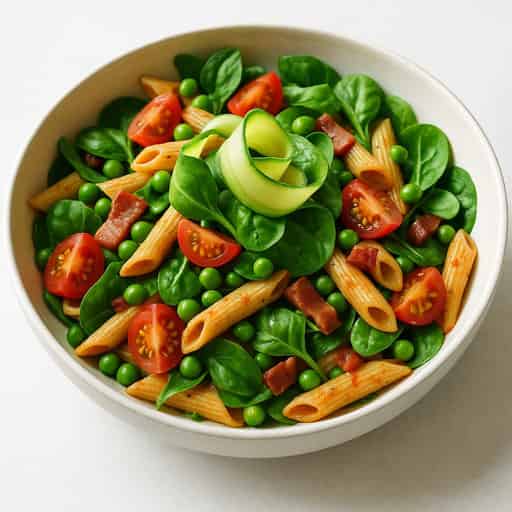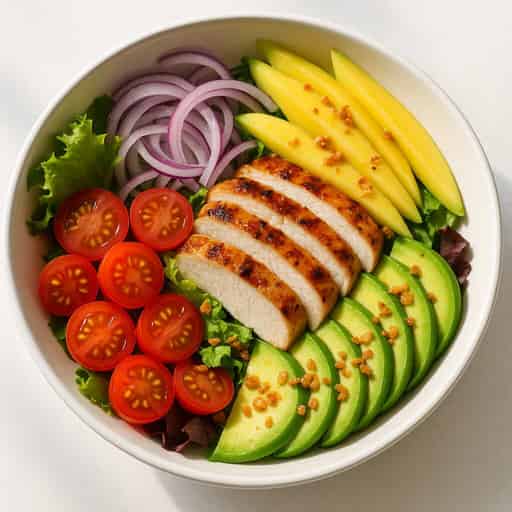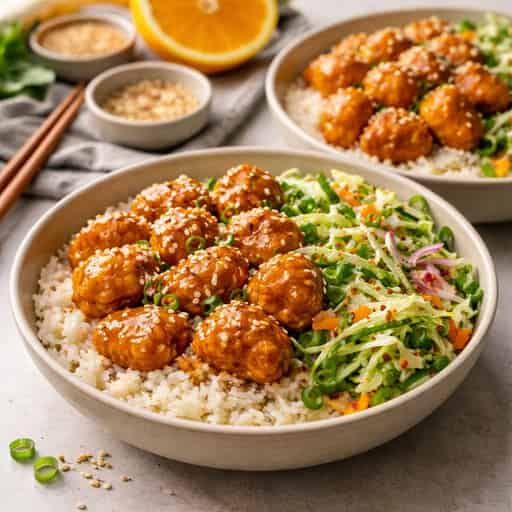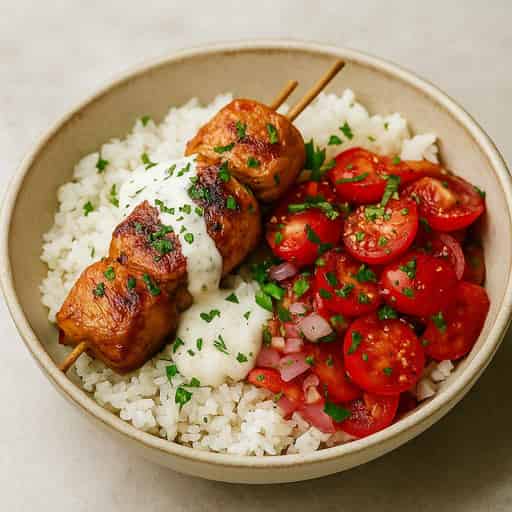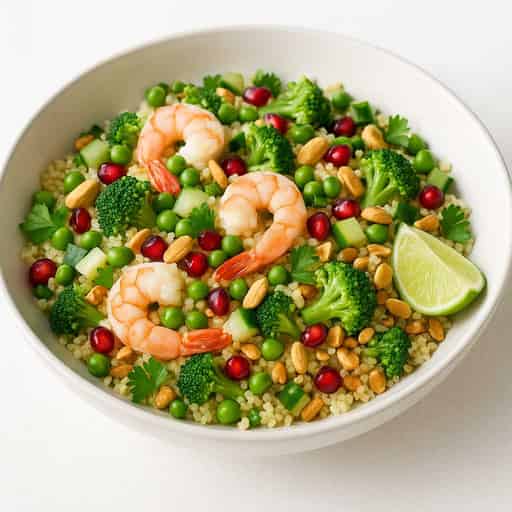
A bright tabbouleh-style couscous salad with lemony shrimp, herbs, peas, broccoli, cucumber, pomegranate, and roasted peanuts. A colourful make-ahead lunch or light dinner with fresh citrus flavour and plenty of texture.
Prep time
25 min
Cook time
10 min
Total time
35 min
Servings
4
Recipe Snapshot
DifficultyEasy
MealLunch / Dinner
Meal PrepExcellent
Family FriendlyYes
Chef's Tips
Dry the blanched peas and broccoli thoroughly before assembling the salad; excess water dilutes the citrus dressing and makes couscous clump.
Sear the shrimp only until opaque and curled into a loose C shape. A tight O shape is a reliable sign they have overcooked.
For packed lunches, keep the peanuts separate until serving so they retain their crunch.
Tools Used
Saucepan(opens in a new tab)Fine Strainer(opens in a new tab)Large Mixing Bowl(opens in a new tab)Frying PanChopping Board(opens in a new tab)Chef's Knife(opens in a new tab)
We use affiliate links, which may earn us a small commission at no extra cost to you.
Ingredients
Ingredients
Servings
4 servings1×
Scale
Ingredient amounts update instantly.
Couscous Base
Blanched Greens
Lemon Shrimp
Fresh Salad And Finish
Instructions
Hydrate the Couscous
- 1
Put the couscous, olive oil, lemon zest, lemon juice, and salt in a large mixing bowl. Pour over the hot stock, stir once, cover, and leave for 10 minutes.
- 2
Fluff with a fork, spreading apart any clumps. Leave to cool while you prepare the remaining ingredients.
Blanch the Greens
- 1
Bring a saucepan of salted water to a boil. Cook the peas and broccoli for 2 minutes, until the broccoli is bright green and tender-crisp.
- 2
Drain, rinse briefly under cold water, then shake and pat dry well.
Cook the Shrimp
- 1
Pat the shrimp dry and season with the salt and black pepper. Heat the olive oil in a frying pan over medium-high heat. Cook the shrimp for 1 to 2 minutes per side, just until opaque, then transfer to a plate.
Assemble and Serve
- 1
Add the blanched greens, cucumber, pomegranate seeds, parsley, and coriander to the cooled couscous. Add the lime zest, lime juice, and olive oil, then toss until evenly dressed.
- 2
Fold through the shrimp. Taste and season with salt and optional Aleppo pepper. Scatter over the peanuts immediately before serving.
Plan This Recipe
Save this recipe to one of your meal plans or browse your existing plans.
Learn More
Everything you want to know about this recipe.
Green Couscous Tabbouleh with Shrimp
Green Couscous Tabbouleh with Shrimp
This green couscous tabbouleh with shrimp is a fresh, substantial salad for when you want the brightness of herbs and citrus but need a meal that will actually satisfy. It is not a traditional tabbouleh: couscous replaces bulgur, and the shrimp, peas, broccoli, cucumber, pomegranate, and peanuts take the flavour in a more modern direction. The result is lemony, crunchy, sweet-sharp, and easy to portion for lunch or dinner.
Why This Salad Works
Why This Salad Works
Hot stock hydrates the couscous without turning it pasty, while a small amount of olive oil and lemon keeps the grains separate and seasoned from within. Briefly blanching the peas and broccoli softens their raw edge but preserves a clean green colour and enough bite to stand up to the couscous.
The shrimp is cooked separately so it stays tender rather than steaming in the salad. Pomegranate provides little bursts of sweetness, lime sharpens the dressing, and roasted peanuts give the final dish the crunch that soft couscous and vegetables need.
Method Notes for the Best Texture
Method Notes for the Best Texture
Use hot stock, then cover the couscous straight away. After 10 minutes it should fluff easily with a fork; if it feels dry, add a tablespoon of hot water and cover for another 2 minutes. If it is wet, uncover it and let the steam escape before adding the vegetables.
Do not skip drying the blanched vegetables. Water trapped in the broccoli or peas will thin the citrus dressing and make the grains stick together. Pat the shrimp dry before it reaches the pan too, otherwise it will release water and turn pale instead of picking up light colour.
Serving and Make-Ahead Notes
Serving and Make-Ahead Notes
Serve this as a complete lunch or light dinner, or pair a smaller portion with grilled flatbread and a spoonful of Greek yogurt. It also works well alongside simple roasted chicken or salmon for a larger table.
For meal prep, cool the couscous and shrimp before packing. Refrigerate the finished salad for up to 2 days, but keep the peanuts in a separate container until serving. The salad is best cold or at cool room temperature; it is not a good candidate for freezing because the cucumber, herbs, and shrimp lose their texture.
Easy Swaps
Easy Swaps
Use cooked bulgur in place of couscous if you prefer a closer nod to classic tabbouleh, allowing it to cool before dressing. Toasted almonds or pistachios replace the peanuts well. If pomegranate is out of season, add finely chopped radish for crunch and a few extra drops of lime for contrast.
Common Problems
Common Problems
If the salad tastes flat, it usually needs another pinch of salt and lime juice rather than more oil. If it feels heavy, add more parsley and cucumber before serving. If the shrimp is tough, reduce the cooking time on the next batch: medium shrimp normally need only a minute or two per side in a hot pan.
Nutrition Facts
Nutrition Facts
Serving Size: 1 salad
Calories 55028%
% Reference Intake*
Total Fat 19g27%
Saturated Fat 3g15%
Trans Fat 0g
Cholesterol 190mg
Sodium 650mg
Total Carbohydrates 63g24%
Dietary Fiber 8g
Sugars 10g11%
Protein 34g68%
* Reference intakes are based on an average adult's 8,400 kJ / 2,000 kcal diet. Your needs may be higher or lower.
FAQs
Is this traditional tabbouleh?
No. Traditional tabbouleh is a parsley-forward Levantine salad usually made with bulgur. This is a tabbouleh-style couscous salad that borrows the fresh-herb and citrus character, then adds shrimp, greens, and pomegranate.
Can I make the salad ahead?
Yes. Refrigerate the dressed couscous, vegetables, and cooked shrimp for up to 2 days. Store the peanuts separately, then fold them in just before serving. The herbs are brightest on the first day.
What can I use instead of shrimp?
Use flaked cooked salmon, shredded roast chicken, or drained chickpeas. For chickpeas, roast or pan-crisp them first so the salad keeps a useful contrast in texture.
Community Reviews
See how other home cooks made this recipe, then share your own experience.
5.0
3 ratings
5
100%
4
0%
3
0%
2
0%
1
0%
How would you rate this recipe?
Share your experience and help others.
Cara M.
· 11 Jun 2026A satisfying dinner without feeling heavy. The herbs, citrus, and peanuts give every forkful a different texture.
Samir Patel
· 19 Nov 2025I used frozen peas and the small broccoli pieces stayed crisp after the quick blanch. The shrimp cooked quickly and did not turn rubbery.
Lena W.
· 2 Aug 2025The lime and pomegranate made this feel much brighter than my usual couscous salad. Keeping the peanuts separate for lunch the next day was a good tip.
Create Your Own Recipe
Add your personal creations and build your own recipe collection.