27 June 2026
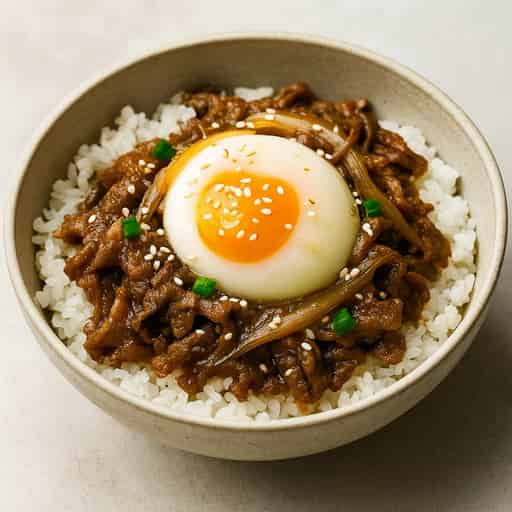
Ultimate Bulgogi Bibimbap Rice Bowl (Better Than Takeout!)
RecipeShare Test Kitchen
4.7(3 ratings)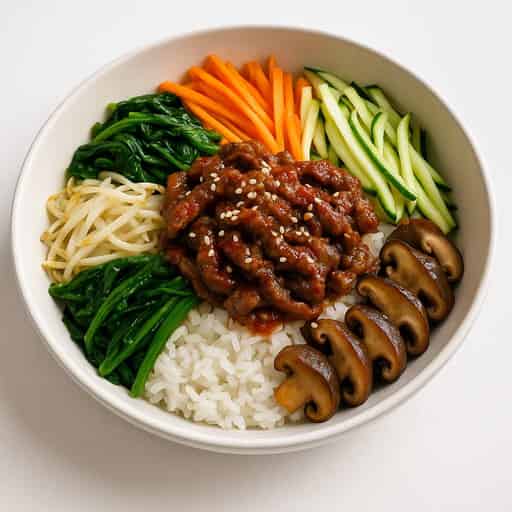
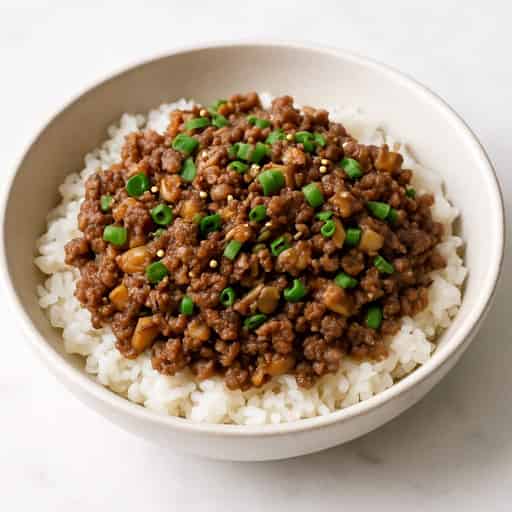
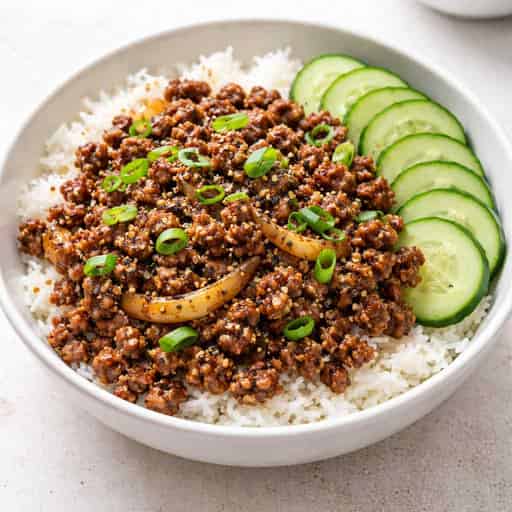
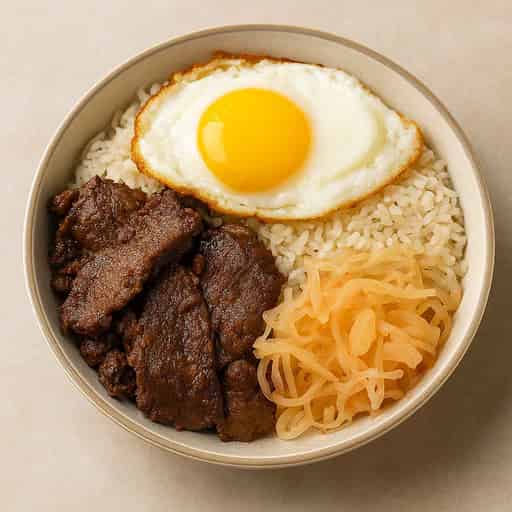
Juicy marinated bulgogi beef, crispy vegetables, fluffy rice, and a spicy gochujang sauce come together in this authentic Korean bibimbap recipe.
Prep time
15 min
Cook time
15 min
Total time
30 min
Servings
4
Chef's Tips
You can swap beef for tofu for a vegetarian version.
Adjust the gochujang sauce to your preferred spice level.
Tools Used
We use affiliate links, which may earn us a small commission at no extra cost to you.
Ingredients
Ingredients
Servings
4 servings1×
Scale
Ingredient amounts update instantly.
Beef Marinade
Vegetables And Rice
Vegetable Seasoning
Gochujang Sauce
Instructions
Marinate and Cook Beef
- 1
In a large bowl, combine soy sauce, brown sugar, sesame oil, garlic, and black pepper. Add the beef and stir to coat.
- 2
Cover and marinate in the fridge for at least 30 minutes (up to 2 hours).
- 3
Heat vegetable oil in a frying pan over medium-high heat.
- 4
Add the marinated beef and cook until browned and cooked through (about 5–7 minutes).
Prepare Vegetables
- 1
While beef is marinating, prepare the vegetables, julienne carrot and zucchini, slice mushrooms.
- 2
Blanch mung bean sprouts and spinach for 1–2 minutes.
- 3
In a bowl, mix vegetable oil, sesame oil, soy sauce, and garlic. Toss the vegetables in the mixture.
Assemble Bowl
- 1
Place steamed rice in the center of each bowl.
- 2
Arrange cooked bulgogi and prepared vegetables neatly around the rice.
- 3
In a small bowl, mix gochujang, honey, soy sauce, sesame oil, and garlic to make the sauce.
- 4
Drizzle the sauce over the bowl and serve immediately.
- 5
Mix everything together before eating for best flavor.
Plan This Recipe
Save this recipe to one of your meal plans or browse your existing plans.
Learn More
Everything you want to know about this recipe.
What is Bulgogi Bibimbap?
What is Bulgogi Bibimbap?
Bibimbap is a Korean rice bowl that consists of steamed rice, a variety of vegetables, and sometimes meat or egg. Bulgogi bibimbap is a variation that includes bulgogi, a Korean-style marinated beef. The word "bulgogi" literally means "fire meat" in Korean, as the dish is traditionally grilled over an open flame. The beef is marinated in a mixture of soy sauce, sugar, garlic, and other seasonings for several hours before cooking.
Bulgogi bibimbap is a nutritious and filling meal that is perfect for lunch or dinner. It is also a great way to use up any leftover vegetables in your fridge.
Ingredients
Ingredients
To make bulgogi bibimbap, you will need the following ingredients:
For the Bulgogi:
- 400g beef sirloin, thinly sliced
- 3 tbsp soy sauce
- 2 tbsp brown sugar
- 1 tbsp sesame oil
- 3 cloves garlic, minced
- 1/4 tsp black pepper
- 1 tbsp vegetable oil
For the Vegetables:
- 1 carrot, julienned
- 1 zucchini, julienned
- 1 cup mung bean sprouts, blanched
- 1 cup spinach, blanched
- 4 shiitake mushrooms, sliced
- 1 tbsp vegetable oil
- 1 tbsp sesame oil
- 1 tbsp soy sauce
- 1 clove garlic, minced
For the Sauce:
- 2 tbsp gochujang (Korean red pepper paste)
- 1 tbsp honey
- 1 tbsp soy sauce
- 1 tbsp sesame oil
- 1 clove garlic, minced
To serve:
- Steamed rice
- Fried egg
- Sesame seeds
Nutrition Information
Nutrition Information
Here's the nutrition information for one serving of bulgogi bibimbap (based on a recipe that serves four):
- Calories: 621
- Fat: 19g
- Carbohydrates: 80g
- Protein: 32g
- Fiber: 6g
- Sugar: 16g
- Sodium: 963mg
Equipment Needed
Equipment Needed
To make bulgogi bibimbap, you will need the following equipment:
- Large bowl
- Frying pan
- Small bowl
- Mixing spoon
- Large pot with lid
- Strainer
How to Make Bulgogi Bibimbap
How to Make Bulgogi Bibimbap
Making the Bulgogi
- In a large bowl, combine the soy sauce, brown sugar, sesame oil, garlic, and black pepper.
- Add the beef and stir to coat. Cover the bowl with plastic wrap and marinate in the refrigerator for at least 30 minutes, or up to 2 hours.
- Heat the vegetable oil in a frying pan over medium-high heat.
- Add the marinated beef and cook until browned and cooked through, about 5-7 minutes.
Preparing the Vegetables
- While the beef is marinating, prepare the vegetables. Julienne the carrot and zucchini, slice the shiitake mushrooms, and blanch the mung bean sprouts and spinach in boiling water for 1-2 minutes.
- In a small bowl, whisk together the vegetable oil, sesame oil, soy sauce, and garlic. Drizzle the mixture over the vegetables and toss to coat.
Assembling the Bowl
- To assemble the bowl, place a scoop of steamed rice in the center of a bowl. Arrange the cooked bulgogi and vegetables around the rice.
- In a small bowl, whisk together the gochujang, honey, soy sauce, sesame oil, and garlic. Drizzle the sauce over the top of the bowl.
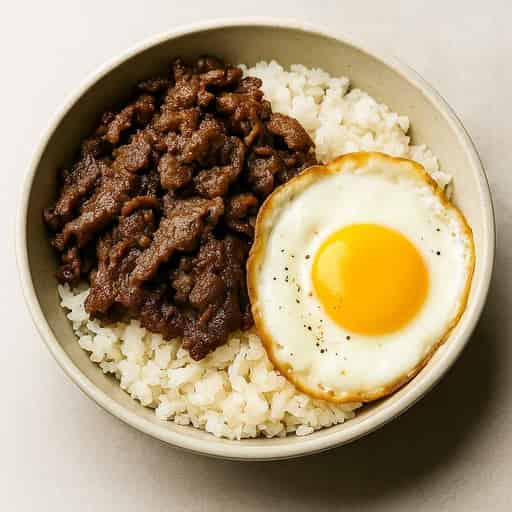
- Serve immediately with fried egg and mix everything together before eating. Sprinkle with sesame seeds.
Tips for Making the Perfect Bulgogi Bibimbap
Tips for Making the Perfect Bulgogi Bibimbap
- Use thinly sliced beef sirloin for the bulgogi to ensure it cooks quickly and evenly.
- Marinate the beef for at least 30 minutes, but no more than 2 hours, to ensure it absorbs the flavors of the marinade.
- Blanch the vegetables to make them tender and flavorful.
- Mix the sauce separately before drizzling it over the top of the bowl to ensure even distribution.
- Use a stone or clay bowl to serve the bibimbap in to keep it hot throughout the meal.
FAQs
FAQs
What is the difference between bulgogi and bibimbap?
Bulgogi is a Korean-style marinated beef, while bibimbap is a rice bowl dish that usually includes vegetables and sometimes meat or egg. Bulgogi bibimbap is a variation of bibimbap that includes bulgogi.
What kind of vegetables can I use in bulgogi bibimbap?
You can use any vegetables you like, but common ones include carrots, zucchini, bean sprouts, spinach, and shiitake mushrooms.
Is bulgogi bibimbap spicy?
It can be, depending on how much gochujang you use in the sauce. If you don't like spicy food, you can adjust the amount of gochujang to your liking or leave it out altogether.
Can I use a different type of meat instead of beef for bulgogi bibimbap?
Yes, you can use chicken, pork, or tofu instead of beef. Simply marinate the protein in the bulgogi marinade and cook it as desired.
Can I make bulgogi bibimbap ahead of time?
Yes, you can prepare the components ahead of time and assemble the bowl just before serving. Keep the rice, bulgogi, and vegetables separate until ready to serve, and reheat as necessary.
Nutrition Facts
Nutrition Facts
Serving Size: 1 bowl
Calories 62131%
% Reference Intake*
Total Fat 19g27%
Saturated Fat 0g0%
Trans Fat 0g
Cholesterol 0mg
Sodium 963mg
Total Carbohydrates 80g31%
Dietary Fiber 6g
Sugars 16g18%
Protein 32g64%
* Reference intakes are based on an average adult's 8,400 kJ / 2,000 kcal diet. Your needs may be higher or lower.
FAQs
What is the difference between bulgogi and bibimbap?
Bulgogi is marinated grilled or stir-fried beef, while bibimbap is a rice bowl topped with assorted vegetables, protein, and gochujang sauce. This recipe combines both.
Can I make this dish vegetarian?
Yes! Simply replace the beef with tofu, tempeh, or even sautéed mushrooms while keeping the rest of the ingredients the same.
Do I need a stone bowl (dolsot) to make bibimbap?
Not at all. A regular bowl works fine, but a dolsot creates crispy rice at the bottom for extra texture.
How can I meal prep bulgogi bibimbap?
Marinate and cook the beef in advance, blanch vegetables, and prepare rice. Store everything separately in the fridge and assemble just before serving.
Community Reviews
See how other home cooks made this recipe, then share your own experience.
4.7
3 ratings
5
67%
4
33%
3
0%
2
0%
1
0%
How would you rate this recipe?
Share your experience and help others.
Hannah M.
· 3 Apr 2025Delicious and easy! It felt like a restaurant meal at home.
Daniel R.
· 22 Feb 2024I swapped beef for tofu as suggested and it turned out amazing. Definitely adding this to my weekly rotation.
Sarah L.
· 15 Jun 2023Made this for dinner and my family LOVED it! The sauce had the perfect kick without being too spicy.
Browse this topic
Create Your Own Recipe
Add your personal creations and build your own recipe collection.