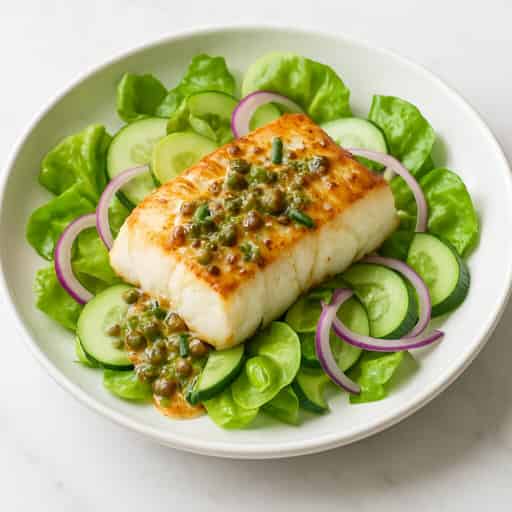
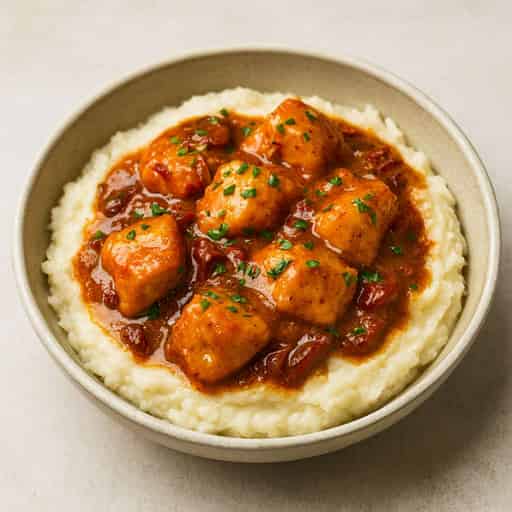
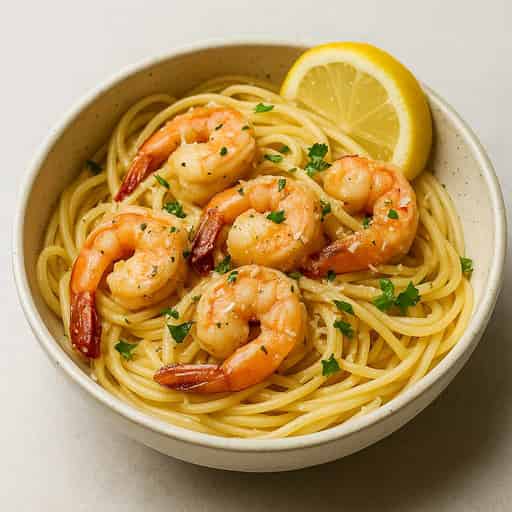
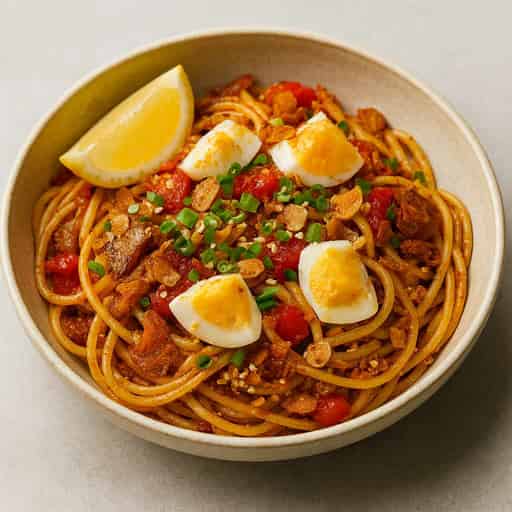
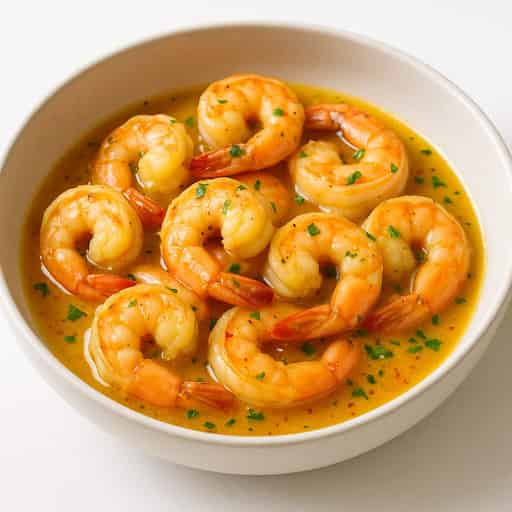
Lemon garlic shrimp with crisp-tender asparagus and peppers in a light pan sauce. A high-protein one-pan dinner ready in 25 minutes.
Prep time
10 min
Cook time
15 min
Total time
25 min
Servings
4
Recipe Snapshot
DifficultyEasy
MealLunch / Dinner
Family FriendlyYes
Chef's Tips
Pat the shrimp dry before cooking. Surface moisture prevents browning and can make the pan sauce watery.
Use asparagus with medium-thick stalks, then cut the thicker lower pieces a little smaller so they cook at the same speed as the tips.
Take the skillet off the heat before adding the lemon juice. It keeps the sauce bright and helps prevent the shrimp from overcooking.
Tools Used
Large Skillet(opens in a new tab)Chef's Knife(opens in a new tab)Chopping Board(opens in a new tab)Small BowlWhisk(opens in a new tab)Tongs
We use affiliate links, which may earn us a small commission at no extra cost to you.
Ingredients
Ingredients
Servings
4 servings1×
Scale
Ingredient amounts update instantly.
Season The Shrimp
Light Lemon Pan Sauce
Asparagus And Garlic Skillet
Lemon And Herb Finish
Instructions
Prepare the Shrimp and Sauce
- 1
Pat the shrimp dry, then season with half the salt and all the black pepper. In a small bowl, whisk the stock and cornflour until smooth. Keep both beside the stove.
Cook the Asparagus and Shrimp
- 1
Heat half the olive oil in a large skillet over medium-high heat. Add the asparagus, bell pepper, and remaining salt. Cook for 3 to 4 minutes until bright and crisp-tender, then transfer to a plate.
- 2
Add the remaining olive oil. Arrange the shrimp in one layer and cook for about 1 minute per side, until mostly opaque and curled into loose C shapes. Add the garlic for the final 30 seconds.
- 3
Whisk the stock mixture again, pour it into the skillet, and scrape up any browned bits. Return the vegetables and toss for 1 to 2 minutes, until the sauce lightly coats the shrimp and asparagus.
Finish and Serve
- 1
Remove the skillet from the heat. Stir through the lemon zest, lemon juice, and parsley. Taste and add more salt or pepper only if needed. Serve immediately.
Plan This Recipe
Save this recipe to one of your meal plans or browse your existing plans.
Learn More
Everything you want to know about this recipe.
Lemon Garlic Shrimp with Asparagus
Lemon Garlic Shrimp with Asparagus
This lemon garlic shrimp with asparagus is a fast one-pan dinner built around a simple sequence: cook the vegetables until crisp-tender, sear the shrimp briefly, then bring both together with a light lemon pan sauce. The result is fresh rather than buttery or heavy, with enough shrimp for a substantial high-protein portion.
Asparagus makes this especially good in spring, when the stalks are naturally sweet and need only a short time in the skillet. Red pepper adds colour and a gentle sweetness, while lemon and parsley keep the finished dish bright.
Why This Recipe Works
Why This Recipe Works
Cooking the asparagus and pepper first means they get enough heat to soften without forcing the shrimp to sit in the pan too long. Moving them to a plate is not an extra cooking method; all substantial cooking still happens in the same skillet.
The stock and cornflour make a small, glossy sauce rather than a pool of liquid. Whisking the cornflour cold prevents lumps, while adding lemon off the heat keeps its flavour lively. The sauce needs only enough body to cling to the shrimp and vegetables.
Choosing and Cooking Shrimp
Choosing and Cooking Shrimp
Buy raw large shrimp or prawns, peeled and deveined, and dry them well before they reach the pan. Wet shrimp steam instead of sear. Cook them only until the centres turn opaque and they curl into loose C shapes; tight O-shaped shrimp have usually gone too far and will be firmer.
Frozen shrimp work well once fully thawed and dried. If your shrimp are small, cook them for less time and add the garlic only at the very end so it does not burn before the shrimp are ready.
Serving Ideas
Serving Ideas
Serve the shrimp and asparagus over steamed rice, quinoa, or small roasted potatoes to make a more filling dinner. For a vegetable-forward plate, pair it with garlic spinach and white beans or a simple cucumber salad. The mild lemon-garlic profile also works well with this salmon and asparagus omelet as a weekend brunch option using the same seasonal vegetable.
Storage and Reheating
Storage and Reheating
This dish is at its best straight from the skillet. Refrigerate leftovers in an airtight container for up to 1 day, then warm them gently in a skillet with a splash of water. Avoid a hard reheat, which will overcook the shrimp and make the asparagus dull. It is not recommended for freezing.
Common Problems
Common Problems
Why is my sauce watery?
The shrimp or vegetables may have been wet, or the skillet may have been too crowded to evaporate moisture. Pat the shrimp dry, use a wide skillet, and whisk the cornflour into cold stock before adding it to the hot pan.
Can I use broccoli instead of asparagus?
Yes. Cut it into small florets and cook it for 1 to 2 minutes longer before adding the shrimp. The spring tag belongs to the asparagus version, but the lemon-garlic method works with broccoli too.
Is this a good meal-prep recipe?
It is better as a freshly cooked dinner than a batch-cooked meal. You can trim the asparagus, slice the pepper, and mix the sauce ahead, then cook the shrimp just before serving.
Nutrition Facts
Nutrition Facts
Serving Size: 1 portion, about 315 g
Calories 26013%
% Reference Intake*
Total Fat 8g11%
Saturated Fat 1g5%
Trans Fat 0g
Cholesterol 285mg
Sodium 430mg
Total Carbohydrates 12g5%
Dietary Fiber 4g
Sugars 5g6%
Protein 32g64%
* Reference intakes are based on an average adult's 8,400 kJ / 2,000 kcal diet. Your needs may be higher or lower.
FAQs
Can I use frozen shrimp?
Yes. Thaw them fully in the refrigerator or under cold running water, then pat them very dry before seasoning. Excess water prevents browning and can dilute the light sauce.
How do I know when shrimp are cooked?
They should be opaque and curled into loose C shapes. Tight O-shaped curls usually mean they have cooked beyond their most tender point.
What can I serve with lemon garlic shrimp and asparagus?
Serve it with steamed rice, quinoa, crusty bread, or small roasted potatoes. A plain grain is useful for catching the lemon-garlic pan sauce.
Community Reviews
See how other home cooks made this recipe, then share your own experience.
5.0
2 ratings
5
100%
4
0%
3
0%
2
0%
1
0%
How would you rate this recipe?
Share your experience and help others.
Imran S.
· 22 Aug 2026A genuinely quick dinner. The loose-C shrimp cue stopped me from overcooking them for once.
Ruth L.
· 12 May 2026The sauce was light but still coated everything nicely. Keeping the asparagus crisp made it feel much fresher.
Create Your Own Recipe
Add your personal creations and build your own recipe collection.