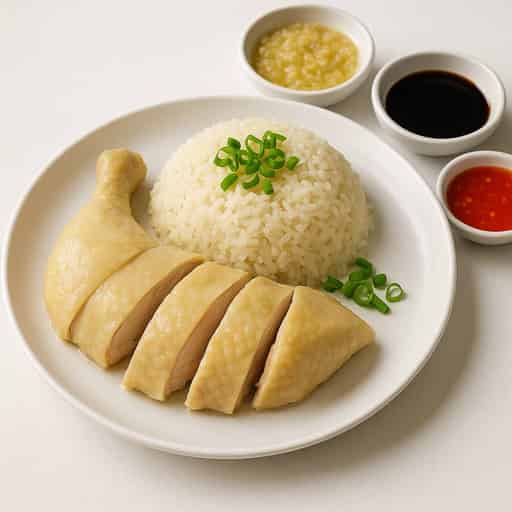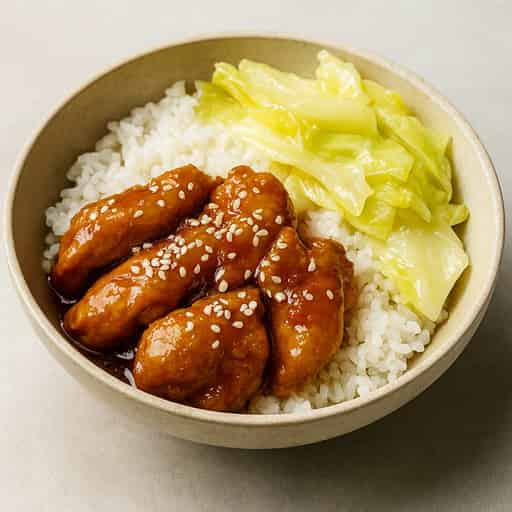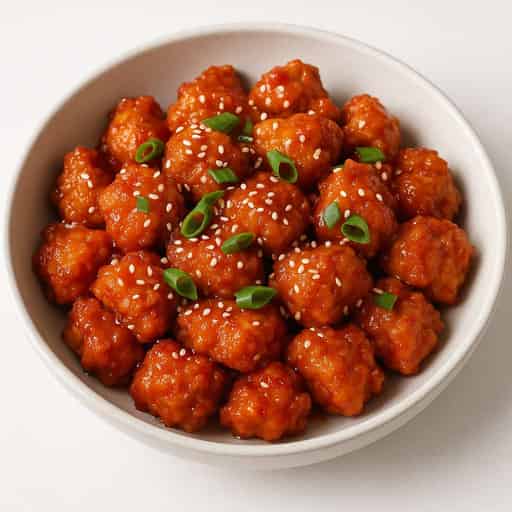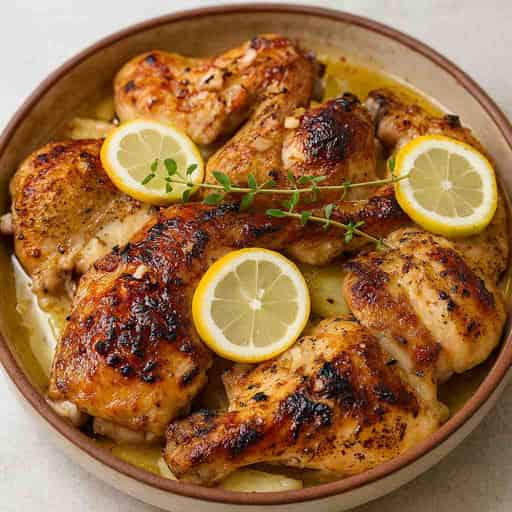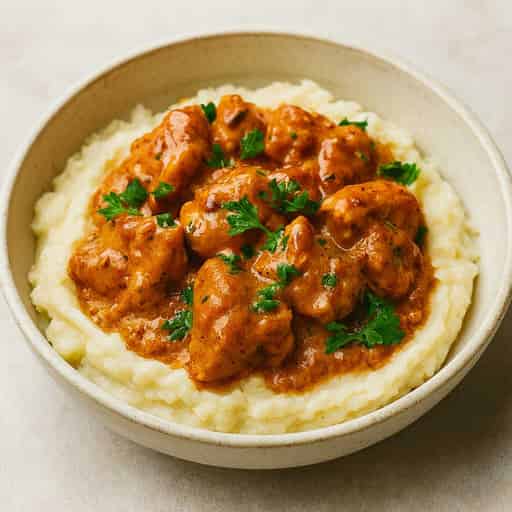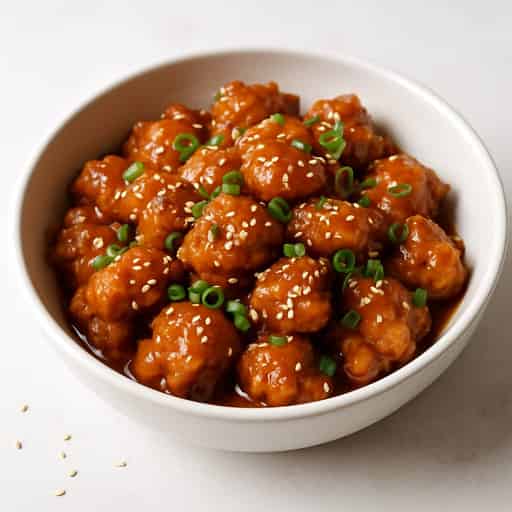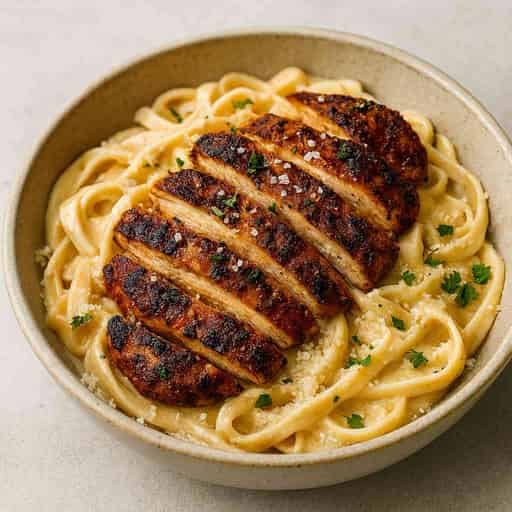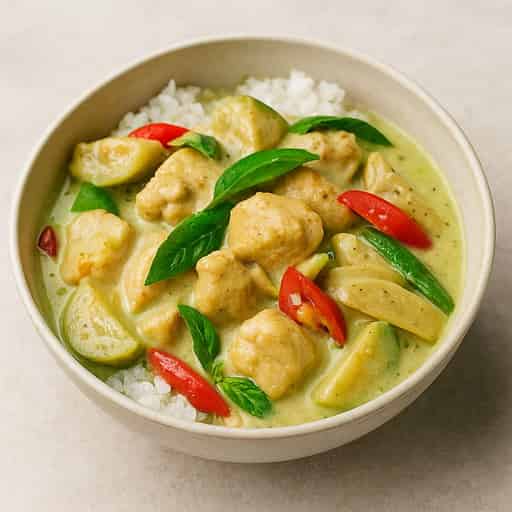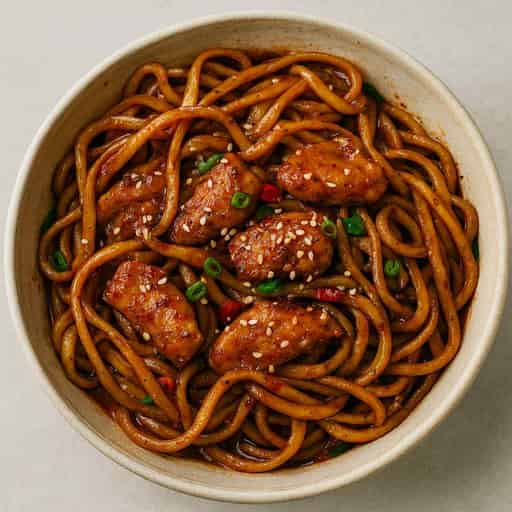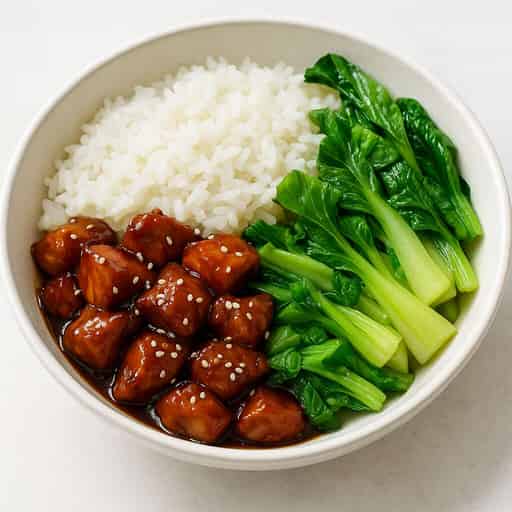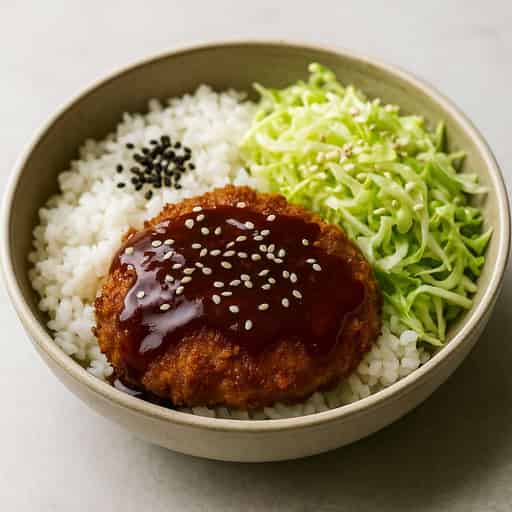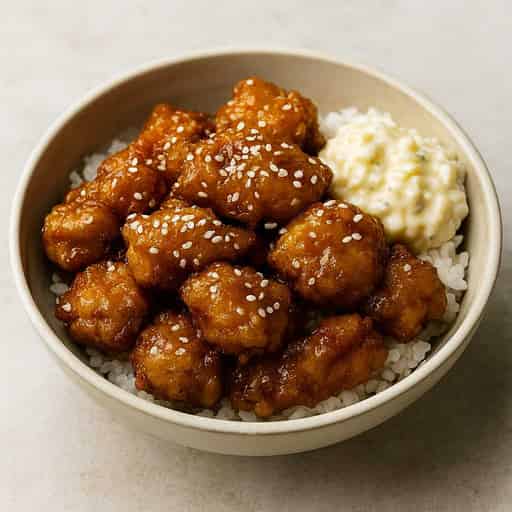
Crispy Japanese-style fried chicken coated in sweet-savory nanban sauce and served with chunky tartar sauce for a balanced, satisfying main dish.
Prep time
30 min
Cook time
25 min
Total time
55 min
Servings
6
Chef's Tips
Marinate the chicken overnight when possible for deeper seasoning.
Use potato or cassava starch for a lighter, crisp coating.
Fry in batches to keep oil temperature steady and prevent soggy crust.
Keep tartar sauce slightly chunky for better texture.
Tools Used
We use affiliate links, which may earn us a small commission at no extra cost to you.
Ingredients
Ingredients
Servings
6 servings1×
Scale
Ingredient amounts update instantly.
Chicken
Tartar Sauce
Nanban Sauce
Instructions
Prepare the Chicken
- 1
Mix chicken with ginger, salt, pepper, dashi powder, cornstarch, and egg.
- 2
Marinate for at least 30 minutes, ideally overnight.
Fry the Chicken
- 1
Dredge chicken in cassava or potato starch right before frying.
- 2
Fry in hot oil until golden brown and cooked through.
- 3
Drain on a rack, then rest briefly.
- 4
Double fry before serving for extra crunch.
Make the Tartar Sauce
- 1
Mash hard-boiled eggs for a chunky texture.
- 2
Stir in mayonnaise, shallots, spring onions, salt, and pepper.
- 3
Add a small pinch of sugar if needed to balance acidity.
Make the Nanban Sauce
- 1
Simmer soy sauce, mirin, and sugar until the sugar dissolves.
- 2
Add black pepper and adjust seasoning to taste.
Assemble and Serve
- 1
Toss fried chicken lightly in nanban sauce or drizzle over the top.
- 2
Serve with tartar sauce on the side.
- 3
Pair with steamed rice or shredded cabbage.
Plan This Recipe
Save this recipe to one of your meal plans or browse your existing plans.
Learn More
Everything you want to know about this recipe.
Flavor Profile
Flavor Profile
Chicken nanban balances crisp texture, mild sweetness, and gentle acidity. The fried chicken starts savory from ginger, salt, and pepper, then picks up a glossy sweet-savory coating from the nanban sauce. A spoonful of tartar adds creamy richness and a slight onion bite, which keeps each bite from feeling too heavy.
Compared with standard fried chicken, nanban is less about dry spice and more about contrast. The dish works because the coating is light, the sauce is bright, and the tartar is cool and creamy.
Ingredient Highlights
Ingredient Highlights
Chicken thighs are the best fit here because they stay juicy under high heat and hold up well to double frying. Potato or cassava starch creates a crisp shell with less heaviness than a flour batter.
The sauce uses only a few pantry staples: soy sauce for salt and umami, mirin for sweetness and gloss, and sugar for roundness. Black pepper gives the finish a gentle warmth.
For tartar sauce, chopped hard-boiled egg gives structure while mayonnaise provides body. Shallots and spring onions add freshness and keep the sauce from tasting flat.
How It Comes Together
How It Comes Together
This recipe follows a clear sequence: marinate, fry, sauce, and finish. First, season and marinate the chicken so the interior stays flavorful. Next, coat and fry until just cooked through, then rest briefly before a second fry to build a crackly crust.
While the chicken cooks, simmer the nanban sauce just until smooth and lightly thickened. The goal is a pourable glaze, not a sticky reduction. Toss or drizzle the sauce at the end so the crust keeps some texture.
Serve with tartar on the side or spooned over the top. This lets each person control the balance of crisp chicken, warm sauce, and cool creaminess.
Chef's Tips
Chef's Tips
Keep oil temperature steady between batches. If it drops too far, the coating absorbs oil and softens quickly. Fry in smaller batches and allow oil to recover before adding more chicken.
For cleaner flavor, season the tartar after mixing rather than salting each component heavily. This prevents the sauce from tasting overly sharp once paired with the soy-based glaze.
Double frying works best when the first fry cooks the chicken through and the second fry is brief. The second pass should focus on texture, not additional browning.
Easy Swaps
Easy Swaps
No dashi powder available? Leave it out and rely on ginger and soy for depth. You can also add a small amount of garlic to the marinade if you prefer a stronger savory note.
If mirin is unavailable, use rice vinegar plus a little sugar. Add gradually and taste as you go so the sauce remains balanced.
For a lighter plate, serve with shredded cabbage and cucumber instead of mayonnaise-heavy sides.
Make-Ahead and Meal Prep
Make-Ahead and Meal Prep
You can marinate the chicken one day ahead and keep it covered in the refrigerator. Tartar sauce can also be mixed in advance and chilled until serving.
For best texture, fry the chicken close to mealtime. If needed, do the first fry early, then finish with a quick second fry right before serving. Leftovers reheat best in an oven or air fryer so the coating crisps back up.
Nutrition Facts
Nutrition Facts
Serving Size: 1 portion (with sauce and tartar)
Calories 48024%
% Reference Intake*
Total Fat 29g41%
Saturated Fat 6g30%
Trans Fat 0g
Cholesterol 145mg
Sodium 880mg
Total Carbohydrates 22g8%
Dietary Fiber 1g
Sugars 6g7%
Protein 32g64%
* Reference intakes are based on an average adult's 8,400 kJ / 2,000 kcal diet. Your needs may be higher or lower.
FAQs
Can I use chicken breast instead of thighs?
Yes, but reduce cook time and monitor internal temperature closely. Thighs stay juicier and are less likely to dry out during double frying.
What can I use if I do not have mirin?
Use rice vinegar with a little sugar. Start small, taste, and adjust so the sauce stays sweet-savory rather than sharp.
How do I keep the chicken crispy longer?
Drain on a wire rack instead of paper towels and coat with sauce right before serving.
Community Reviews
See how other home cooks made this recipe, then share your own experience.
5.0
3 ratings
5
100%
4
0%
3
0%
2
0%
1
0%
How would you rate this recipe?
Share your experience and help others.
Aya
· 2 Aug 2025Reminds me of the chicken nanban I had in Miyazaki. Delicious.
Jerome
· 11 Jul 2025Double frying was a game changer, crunchy outside and juicy inside.
Mika
· 22 Jun 2025This turned out super crispy. The tartar sauce really made it special.
Create Your Own Recipe
Add your personal creations and build your own recipe collection.