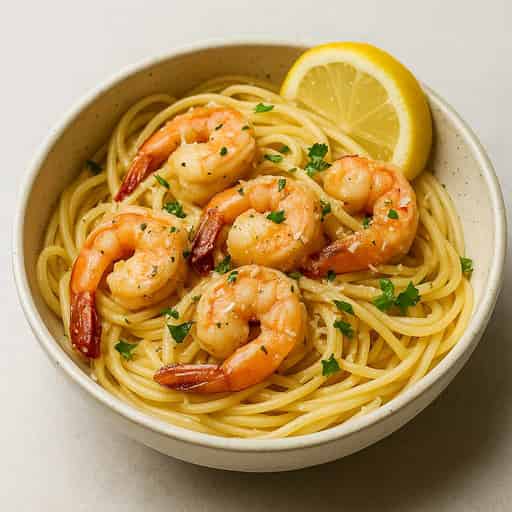
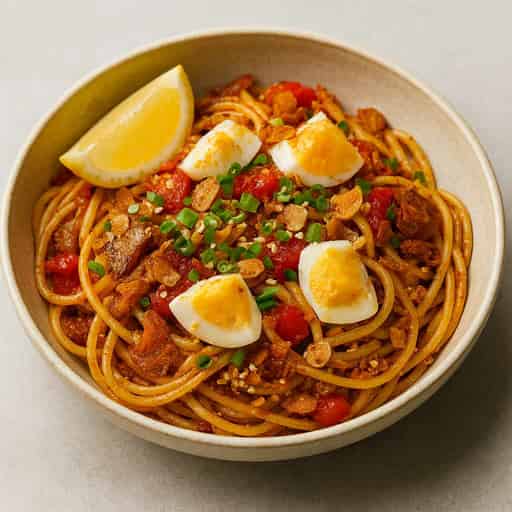
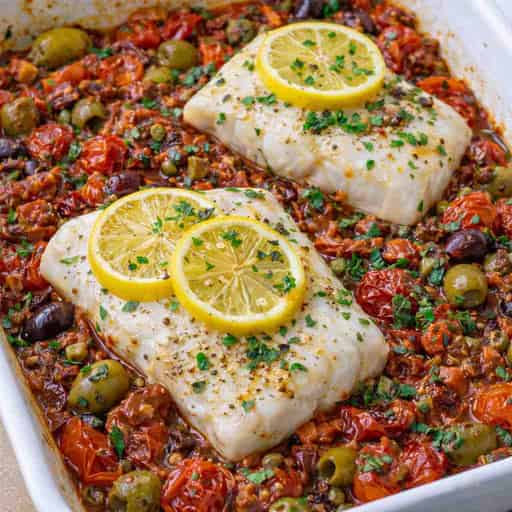
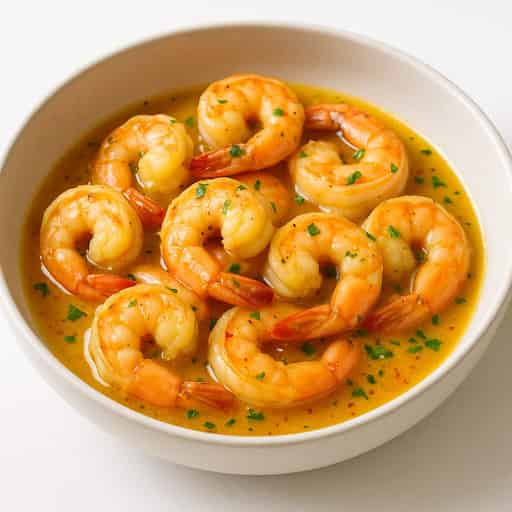
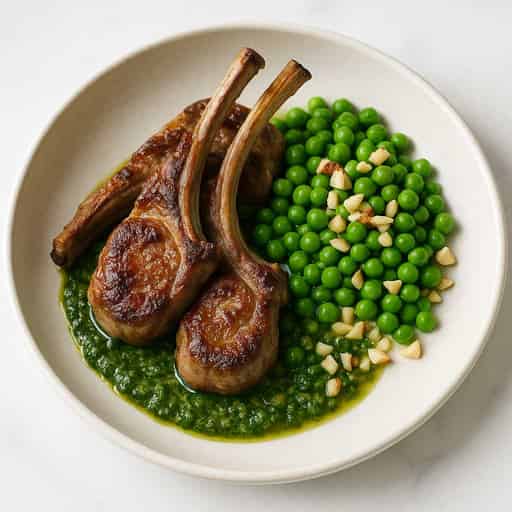
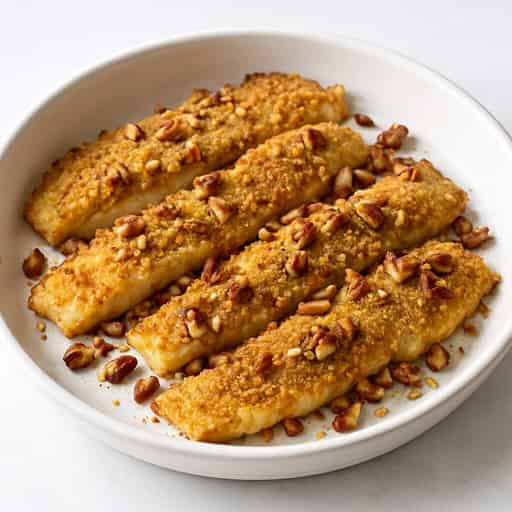
Lemon rosemary baked salmon with crisp edges, tender flakes, and a bright fresh finish. A high-protein seafood dinner ready in under 30 minutes.
Prep time
10 min
Cook time
14 min
Total time
24 min
Servings
4
Recipe Snapshot
DifficultyEasy
MealLunch / Dinner
Family FriendlyYes
Chef's Tips
Choose fillets of similar thickness so they finish at the same time. Start checking thinner pieces at 10 minutes.
Use lemon zest before baking and add the juice after cooking. This keeps the citrus fresh without letting the acid cure the surface of the fish.
An instant-read thermometer is the most reliable cue. For fully cooked, opaque salmon, aim for 63C in the thickest part.
Tools Used
We use affiliate links, which may earn us a small commission at no extra cost to you.
Ingredients
Ingredients
Servings
4 servings1×
Scale
Ingredient amounts update instantly.
Lemon Rosemary Salmon
Fresh Finish
Instructions
Prepare the Salmon
- 1
Heat the oven to 200C fan (220C conventional) and line a rimmed baking tray with baking paper. Pat the salmon dry and arrange it skin-side down if the skin is on.
- 2
Mix the olive oil, lemon zest, rosemary, salt, and black pepper. Brush the mixture over the salmon, keeping the coating even rather than leaving pools of oil around the fish.
Bake and Finish
- 1
Bake uncovered for 10 to 14 minutes, depending on thickness, until the salmon flakes at the edges. For a fully cooked opaque centre, check for 63C in the thickest part with an instant-read thermometer.
- 2
Rest for 2 minutes, then drizzle with the lemon juice and scatter over parsley if using. Serve immediately while the salmon is warm and moist.
Plan This Recipe
Save this recipe to one of your meal plans or browse your existing plans.
Learn More
Everything you want to know about this recipe.
Lemon Rosemary Baked Salmon
Lemon Rosemary Baked Salmon
This lemon rosemary baked salmon is a simple, high-protein seafood dinner that relies on a short hot roast rather than a long covered bake. Lemon zest and rosemary perfume the fish while it cooks, then fresh lemon juice is added at the end for a brighter finish and tender flakes.
The recipe uses four evenly sized fillets and takes under 30 minutes from preheat to serving. It is deliberately a clean, uncomplicated salmon recipe: the main technique is knowing when to stop cooking.
Why This Recipe Works
Why This Recipe Works
Roasting the salmon uncovered at a higher temperature avoids the steamed texture that foil can create. The oil carries rosemary and lemon zest over the surface, while the short cooking time keeps the centre moist. Adding the lemon juice only after baking preserves its fresh acidity and avoids leaving the fish in an acidic marinade.
Rosemary is potent, so a small amount is enough. Chopping fresh leaves finely helps them distribute through the oil instead of sitting in woody clumps on the fillets. Lemon zest supplies aroma without extra liquid during roasting.
How to Tell When Salmon Is Done
How to Tell When Salmon Is Done
Start checking thin fillets after 10 minutes. The outside should be opaque and
the thickest part should separate into moist flakes with gentle pressure. An
instant-read thermometer is the most dependable option: 63C in the thickest
part gives a fully cooked, opaque centre. Remove the tray promptly once it gets
there, because salmon continues cooking briefly while it rests.
Serving Ideas
Serving Ideas
Serve this salmon with roasted new potatoes and green beans, or use couscous to catch the lemony juices. For a lighter vegetable side, pair it with garlic spinach and white beans. If you prefer a richer salmon dinner built around the same citrus profile, try creamy lemon garlic salmon orzo.
Storage and Reheating
Storage and Reheating
Refrigerate cooled leftovers in an airtight container for up to 2 days. Reheat gently, covered, in a low oven or microwave at low power until just warm. A hard reheat will dry the fish, so leftover salmon is often better flaked cold into a salad or grain bowl. Freezing is not recommended for the best texture.
Common Problems
Common Problems
Why is my salmon dry?
The fillets may be thinner than the recipe assumes, the oven may run hot, or they may have stayed in after reaching temperature. Check early and remove each fillet when it is opaque and flakes at the edge rather than waiting for it to look dry all the way through.
Why does the salmon taste bitter?
Avoid zesting into the white pith of the lemon, and use only the rosemary leaves, not the woody stems. Too much dried rosemary can also overwhelm the fish, which is why the dried quantity is much smaller.
Can I use frozen salmon?
Yes. Thaw it fully in the refrigerator, then dry it thoroughly before seasoning. Frozen fillets can release more surface moisture, so patting them dry is especially important for a clean roast.
Nutrition Facts
Nutrition Facts
Serving Size: 1 salmon fillet, about 170 g
Calories 38519%
% Reference Intake*
Total Fat 26g37%
Saturated Fat 5g25%
Trans Fat 0g
Cholesterol 95mg
Sodium 360mg
Total Carbohydrates 1g0%
Dietary Fiber 0g
Sugars 0g0%
Protein 35g70%
* Reference intakes are based on an average adult's 8,400 kJ / 2,000 kcal diet. Your needs may be higher or lower.
FAQs
Should I marinate salmon in lemon juice?
Not for this recipe. Lemon juice begins to change the surface texture of fish, so this method uses lemon zest before baking and juice after cooking for a cleaner flavour and tender texture.
Can I use dried rosemary?
Yes. Use 1 g, about 1/2 teaspoon, instead of the fresh rosemary. Dried rosemary is more concentrated, so crush it between your fingers before mixing it with the oil.
What can I serve with lemon rosemary salmon?
Try roasted potatoes, green beans, couscous, or a crisp salad. Choose a mild side so the lemon and rosemary remain the focus.
Community Reviews
See how other home cooks made this recipe, then share your own experience.
5.0
2 ratings
5
100%
4
0%
3
0%
2
0%
1
0%
How would you rate this recipe?
Share your experience and help others.
Aaron J.
· 29 Aug 2026The thermometer guidance was useful. Mine was evenly cooked and still moist at the centre.
Frances C.
· 18 May 2026The zest before baking and juice at the end gave it a much brighter lemon flavour than my usual salmon.
Create Your Own Recipe
Add your personal creations and build your own recipe collection.