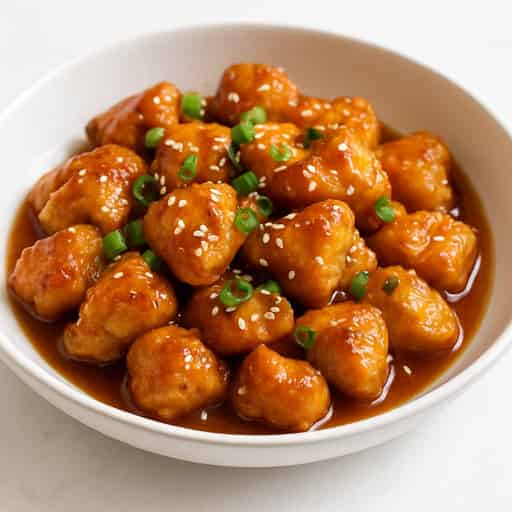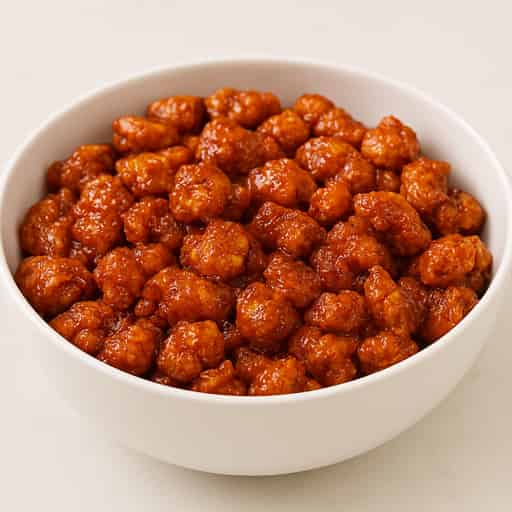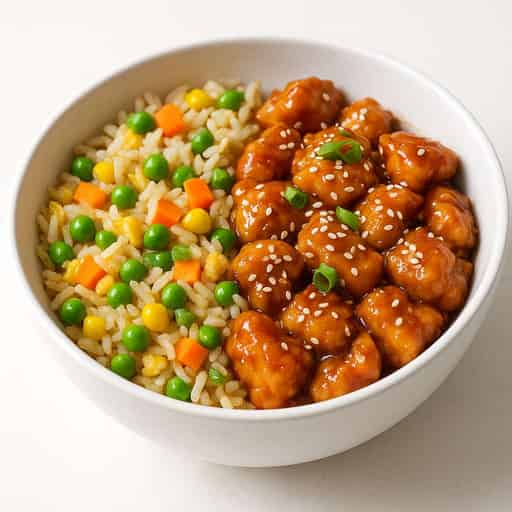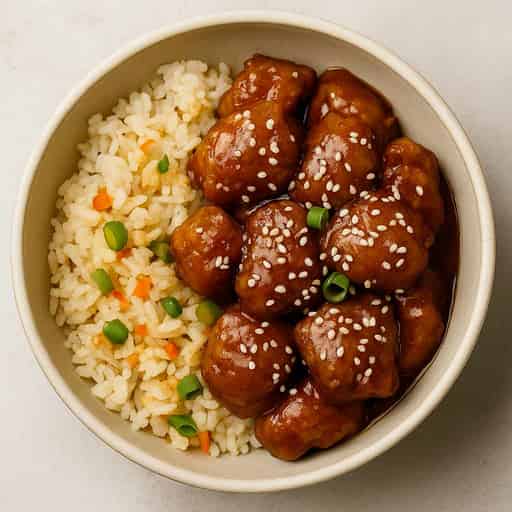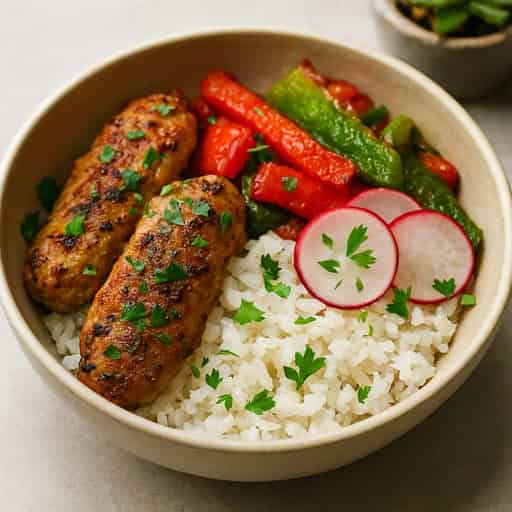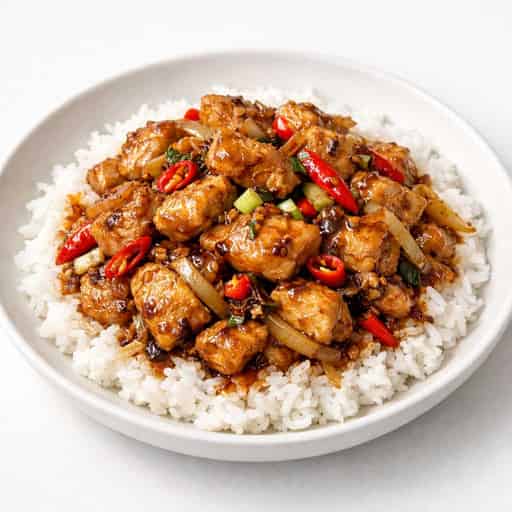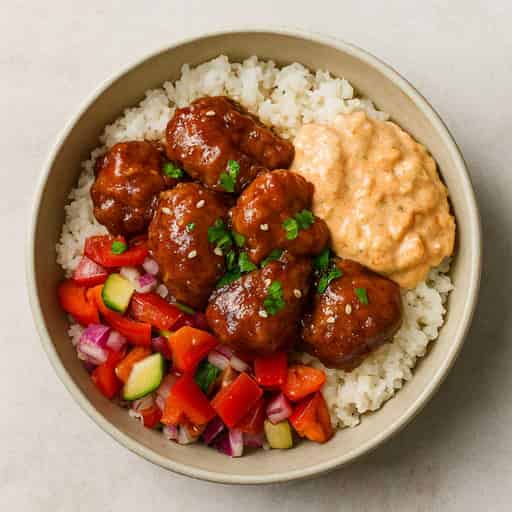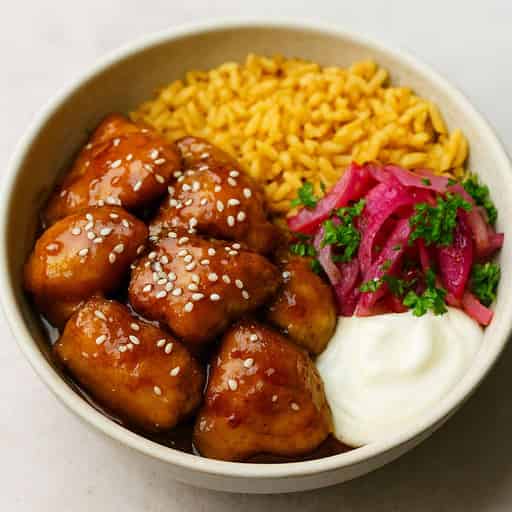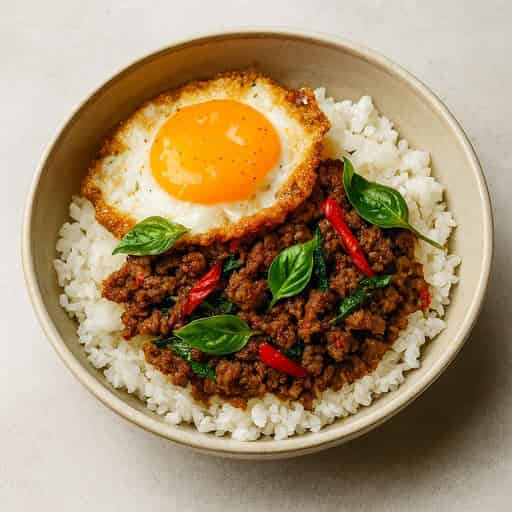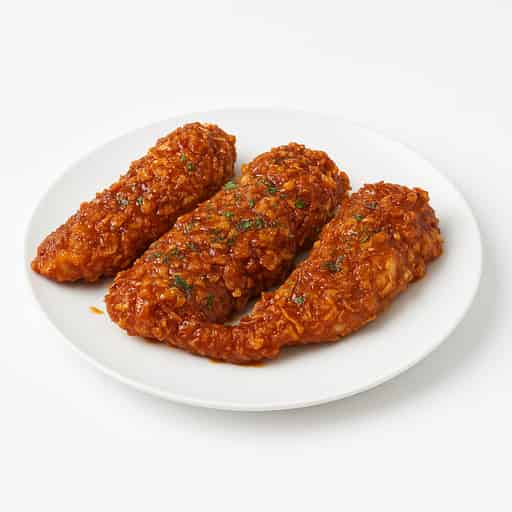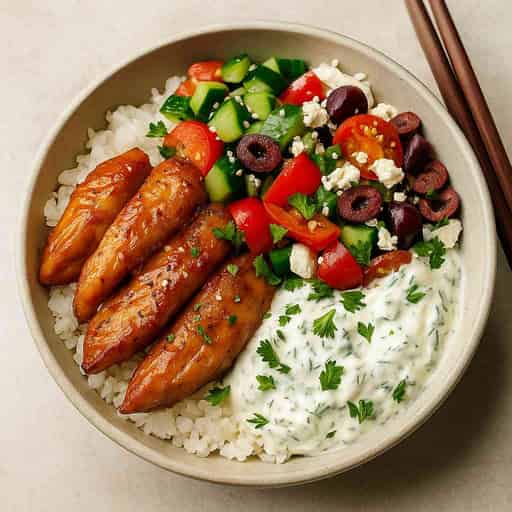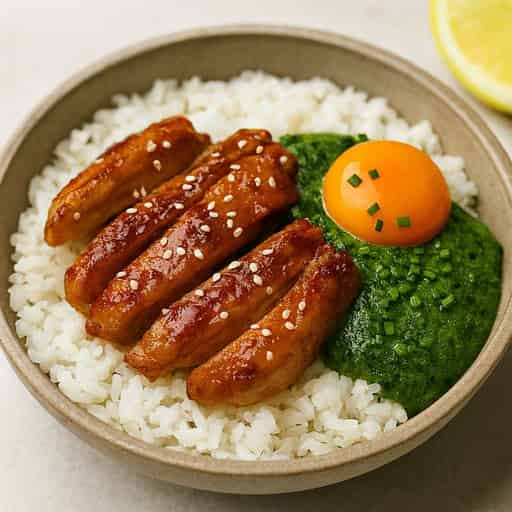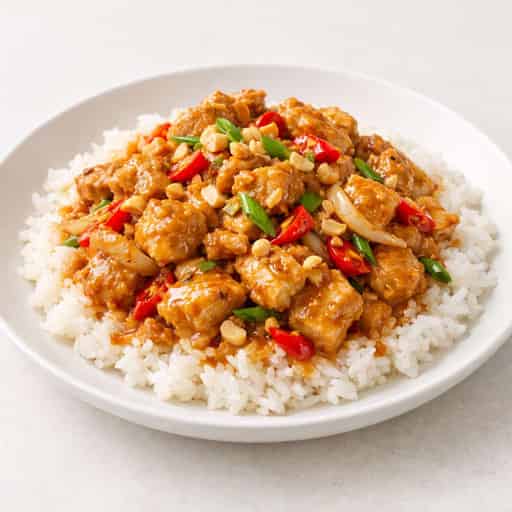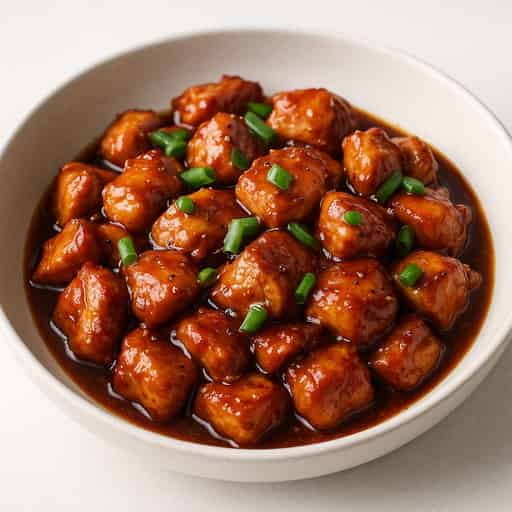
Korean BBQ-style chicken bowls with velveted chicken breast, a separate glossy sauce, jasmine rice, and side vegetables for a high-protein dinner.
Prep time
18 min
Cook time
17 min
Total time
35 min
Servings
4
Chef's Tips
Keep the baking soda velveting step short so the chicken stays clean-tasting.
Keep the vegetables on the side if you want the glaze to stay concentrated on the chicken.
Cook the sauce separately until glossy before tossing it with the chicken.
Use reduced-sodium light soy sauce if sodium is a priority.
Slice chicken breast evenly so it browns quickly without drying out.
Add sesame oil at the end for aroma rather than cooking it hard.
Tools Used
Small SaucepanMixing Bowls(opens in a new tab)Whisk(opens in a new tab)Knife(opens in a new tab)Cutting Board
We use affiliate links, which may earn us a small commission at no extra cost to you.
Ingredients
Ingredients
Servings
4 servings1×
Scale
Ingredient amounts update instantly.
Velveted Chicken Breast
Korean Bbq Sauce
Side Vegetables
Bowls
Instructions
Velvet the Chicken
- 1
Toss chicken breast with baking soda, light soy sauce, rice wine, and neutral oil.
- 2
Rest for 10 to 15 minutes.
Cook the Sauce Separately
- 1
Whisk dark soy sauce, light soy sauce, oyster sauce, garlic, brown sugar, honey, mirin, rice vinegar, water, and cornflour in a small saucepan.
- 2
Bring to a simmer over medium heat, whisking until glossy and lightly thickened.
- 3
Turn off the heat and stir in sesame oil.
Cook the Side Vegetables
- 1
Steam or boil the broccoli and carrots until just tender, about 4 to 5 minutes.
- 2
Drain well and season lightly with salt.
Cook the Chicken
- 1
Heat neutral oil in a wok or large skillet over medium-high heat.
- 2
Add chicken in a single layer and cook until golden and just cooked through.
- 3
Transfer chicken to a plate if needed, then return it to the pan.
Combine and Serve
- 1
Pour in the cooked sticky sauce and toss until everything is coated.
- 2
Simmer 30 to 60 seconds only, just until the sauce clings.
- 3
Serve over cooked jasmine rice with the vegetables on the side and finish with spring onions.
Plan This Recipe
Save this recipe to one of your meal plans or browse your existing plans.
Learn More
Everything you want to know about this recipe.
Korean BBQ Chicken Bulgogi Bowls
Korean BBQ Chicken Bulgogi Bowls
This Korean BBQ chicken bulgogi bowl keeps the familiar sweet-savory soy, oyster, garlic, mirin, and sesame profile, but the structure is closer to a hot bento than a mixed stir-fry. The chicken is velveted briefly, the sauce is cooked separately, and the vegetables stay on the side instead of going into the glaze.
That makes the bowl feel cleaner and a little more focused. The chicken stays the center of the dish, the rice absorbs the sauce well, and the broccoli and carrots give you the side-veg element without thinning the finish.
Why This Recipe Works
Why This Recipe Works
Chicken breast needs a little protection in a hot pan. A short baking soda, soy sauce, and rice wine velvet gives the pieces a softer texture and helps them brown without drying out.
Cooking the sauce separately is the other key step. Honey and brown sugar can burn if they sit in the pan for too long, while chicken breast can overcook if it waits for a sauce to reduce. Simmering the sauce first solves both problems.
Ingredient Notes
Ingredient Notes
Dark soy sauce adds color and a deeper caramel note, while light soy sauce does most of the seasoning. Oyster sauce brings body and umami, and mirin gives the sauce its rounded bulgogi-style sweetness. Rice vinegar stops the honey and brown sugar from tasting flat.
Sesame oil is added off the heat so its aroma stays clean. Use it as a finishing ingredient rather than the main cooking fat.
How It Comes Together
How It Comes Together
First, velvet the chicken for 10 to 15 minutes. While it rests, whisk and simmer the sauce in a small saucepan until lightly thick and glossy.
Next, stir-fry the chicken until just cooked, remove it, and cook the vegetables in the same pan. Return the chicken, pour in the finished sauce, and toss briefly so everything gets coated without overcooking. This separate sauce method keeps the glaze controlled and the chicken breast tender.
Tips, Variations, and Storage
Tips, Variations, and Storage
- Keep the baking soda marinade short; longer is not better here.
- If you do not have mirin, use 2 teaspoons water plus 1 teaspoon rice vinegar and a small pinch of sugar.
- Add chili flakes or gochujang if you want sweet heat.
- Use brown rice if you want more fiber, keeping the cooked portion similar.
- Swap vegetables based on what you have: spinach, peas, onions, courgette, frozen mixed veg, or tenderstem broccoli all work.
- Store leftovers for up to 3 days and reheat with a splash of water to loosen the glaze.
Low-Cholesterol Notes
Low-Cholesterol Notes
This version is more cholesterol-aware than the original thigh-based approach because it uses skinless chicken breast, measured oil, and a vegetable-heavy bowl format. It is still a chicken recipe, so it is not cholesterol-free, but the fat profile is lighter and the protein is high.
For an even lower-cholesterol plate, use 450 g chicken breast and increase the shelled edamame or tofu so more of the protein comes from plants.
Serving & Goal Fit
Serving & Goal Fit
Use 1 serving as a full bowl: one-quarter of the chicken, vegetables, sticky sauce, and about 180 g cooked jasmine rice. On training days, add +50 g cooked rice or +1 piece of fruit. On rest days, reduce carbs slightly by removing about 50 g cooked rice.
Protein swaps that fit this sauce well: shrimp for a quick-cooking option, turkey breast for a lean alternative, or firm tofu for a plant-based version. Practical vegetable substitutions include broccoli, green beans, spinach, peas, mushrooms, onions, courgette, frozen mixed veg, and tenderstem broccoli.
Frequently Asked Questions
Frequently Asked Questions
Can I make this with chicken thighs?
Yes. Use the same sauce and cooking flow, but chicken thighs may need a little longer in the pan. Chicken breast is the leaner choice for this version.
Do I need to rinse the chicken after velveting?
No. This uses a small amount of baking soda for a short time, balanced with soy sauce and vinegar. Tossing with cornflour after the rest is enough.
Why not cook the chicken directly in the marinade?
Cooking the sauce separately gives better control. The sauce thickens cleanly, then only needs a short toss with the cooked chicken, which keeps breast meat tender.
Is mirin necessary?
It is strongly recommended for the most bulgogi-like flavor. A substitute works in a pinch, but mirin gives the sauce a softer sweetness and light gloss that plain sugar does not fully copy.
Nutrition Facts
Nutrition Facts
Serving Size: 1 rice bowl
Calories 57529%
% Reference Intake*
Total Fat 11g16%
Saturated Fat 2g10%
Trans Fat 0g
Cholesterol 86mg
Sodium 780mg
Total Carbohydrates 78g30%
Dietary Fiber 11g
Sugars 15g17%
Protein 49g98%
* Reference intakes are based on an average adult's 8,400 kJ / 2,000 kcal diet. Your needs may be higher or lower.
FAQs
Why cook the sauce separately?
Cooking the sauce separately lets the sugar, honey, soy, and oyster sauce thicken evenly without overcooking the chicken breast.
What can I use if I do not have mirin?
Mirin gives the sauce its rounded bulgogi-style sweetness. If you do not have it, use 2 teaspoons water plus 1 teaspoon rice vinegar and a small pinch of sugar.
Can I marinate the chicken overnight?
Do not leave baking soda on chicken overnight. Slice the chicken ahead if needed, then add the velveting mixture 10 to 15 minutes before cooking.
Can I use chicken thighs instead?
Yes. Chicken thighs are juicier, but chicken breast keeps this version leaner and more cholesterol-aware.
How can I lower the sodium?
Use reduced-sodium light soy sauce and add an extra splash of water or rice vinegar to keep the sauce balanced.
Community Reviews
See how other home cooks made this recipe, then share your own experience.
4.6
8 ratings
5
63%
4
38%
3
0%
2
0%
1
0%
How would you rate this recipe?
Share your experience and help others.
Priya
· 11 Jul 2026Cooking the sauce separately made it much glossier. Chicken breast stayed tender with the short velvet step.
Noel J.
· 26 Jan 2026I added mushrooms and onions and it was great over rice.
Maria S.
· 10 Aug 2025Such a lifesaver on busy nights. I even made it with frozen chicken and it still turned out delicious.
George P.
· 2 May 2025Tried this for meal prep and it reheated beautifully. Served with brown rice and broccoli—perfect healthy lunch!
Hannah M.
· 11 Nov 2024Easy dinner idea for busy nights. I might double the sauce next time—it’s that good!
Rajiv
· 9 May 2024Quick to make and packed with flavor. I used chicken thigh instead of breast and it was really juicy.
Aiko Yamada
· 7 Feb 2024The sauce was amazing! I served it with steamed rice and kimchi. It tasted just like something from a Korean restaurant.
Tom Nguyen
· 5 Dec 2023Loved the balance of sweet and savory. I added a bit of gochujang for spice—turned out great!
Lisa K.
· 2 Sept 2023So flavorful and so easy! My kids loved it and I had all the ingredients already at home. Definitely adding this to our weekly rotation.
Create Your Own Recipe
Add your personal creations and build your own recipe collection.