20 May 2026
Young Coconut Cassava Cake (Buko Cassava Cake)
RecipeShare Test Kitchen
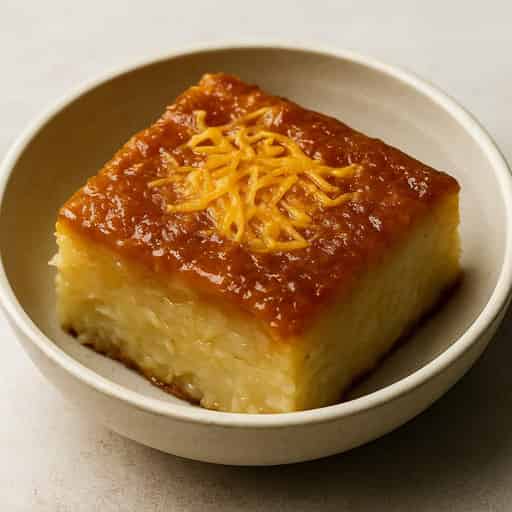
Make young coconut cassava cake with buko folded through a rich cassava and coconut-cream batter. A cheese topping and chilled finish make it distinct from a smooth classic Filipino cassava cake.
Prep time
20 min
Cook time
1 hr
Total time
2 hr 20 min
Servings
16
Recipe Snapshot
CuisineFilipino
Chef's Tips
Use thawed frozen grated cassava to save time; squeeze gently to remove excess liquid.
Bake until the centre is set and no longer jiggly; underbaked cassava can taste gummy.
Chill before slicing for the cleanest cuts and best texture.
If the top browns too fast, tent loosely with foil; remove for the final cheese melt.
Tools Used
Oven
We use affiliate links, which may earn us a small commission at no extra cost to you.
Ingredients
Ingredients
Servings
16 servings1×
Scale
Ingredient amounts update instantly.
Cassava Batter (Makes 2 Cakes)
Cheesy Topping
Instructions
Prep & Batter
- 1
Heat oven to 163°C (325°F). Line and lightly grease two 20cm (8-inch) square tins.
- 2
In a large bowl, whisk coconut cream, condensed milk, evaporated milk, eggs, yolks, sugar, coconut water, softened butter, and a pinch of salt until smooth.
- 3
Fold in the grated cassava and young coconut until evenly combined without overmixing.
- 4
Divide the batter evenly between the prepared tins and level the tops.
Bake & Top
- 1
Bake for about 40 minutes, until the edges are set and the centres are just firm.
- 2
Sprinkle the grated cheddar over both cakes and return to the oven for 15 to 20 minutes, until the cheese is melted and lightly golden.
Cool & Serve
- 1
Cool completely in the tins on a rack.
- 2
Refrigerate for at least 1 hour to set. Slice into 8 squares per cake and serve chilled or at room temperature.
Plan This Recipe
Save this recipe to one of your meal plans or browse your existing plans.
Learn More
Everything you want to know about this recipe.
This young coconut cassava cake, also called buko cassava cake, is for bakers who want more texture than a smooth classic cassava cake. The young coconut folded into the batter gives each slice a tender, lightly chewy coconut bite, while the cheese topping keeps the finish salty-sweet and familiar.
The batter stays straightforward: cassava for structure, coconut cream and condensed milk for richness, and a little butter to round out the texture. The young coconut is what makes this version distinct. It adds extra body and a more pronounced coconut character, which helps separate it from other cassava cake pages in the cluster.
For the best result, check the center before adding the cheese. The cakes should already look set around the edges and only slightly soft in the middle. Once cooled, store the slices chilled and bring them to room temperature if you want a softer, more custardy texture when serving.
Why Young Coconut Changes The Texture
Why Young Coconut Changes The Texture
Young coconut gives the cake a little more chew and moisture than a plain cassava batter. Instead of reading as only soft and dense, the finished slices feel slightly more layered, which works especially well if you want a dessert that tastes more coconut-forward.
Best Way To Serve It
Best Way To Serve It
This is a good version for holiday trays, potlucks, or small-square dessert platters. Chill it well, slice it cleanly, and let it sit for a few minutes before serving if you want the center to soften slightly.
If you want a more pronounced sweet-savory contrast, do not be shy with the cheese topping. That salty finish is part of what keeps the cake from tasting one-note, especially when the base includes condensed milk and coconut cream.
If you want a smoother, all-purpose Filipino cassava cake without the young coconut texture, see Filipino Cassava Cake.
Nutrition Facts
Nutrition Facts
Serving Size: 1 slice (1/16 of recipe)
Calories 37019%
% Reference Intake*
Total Fat 21g30%
Saturated Fat 15g75%
Trans Fat 0g
Cholesterol 85mg
Sodium 200mg
Total Carbohydrates 40g15%
Dietary Fiber 1g
Sugars 27g30%
Protein 6g12%
* Reference intakes are based on an average adult's 8,400 kJ / 2,000 kcal diet. Your needs may be higher or lower.
FAQs
Can I use frozen grated cassava?
Yes. Thaw fully, then drain only visibly separated liquid before weighing. Over-squeezing can make the finished cake less tender.
Can I steam instead of bake?
Yes. Steam over medium heat until set, then add the cheese topping and continue steaming until melted.
Substitute for coconut cream?
Full-fat coconut milk works, though the final cake will be slightly lighter and less rich.
Community Reviews
See how other home cooks made this recipe, then share your own experience.
—
0 ratings
5
0%
4
0%
3
0%
2
0%
1
0%
How would you rate this recipe?
Share your experience and help others.
Browse this topic
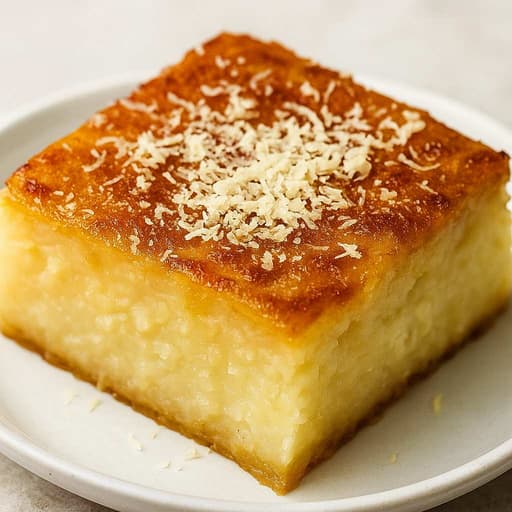
Cassava Cake: Filipino Cassava Cake and Young Coconut Variations
Explore Filipino cassava cake, from a creamy classic with a cheese topping to a distinct young coconut (buko) variation, with practical baking and storage guidance.
2 recipes • Updated 20/05/2026
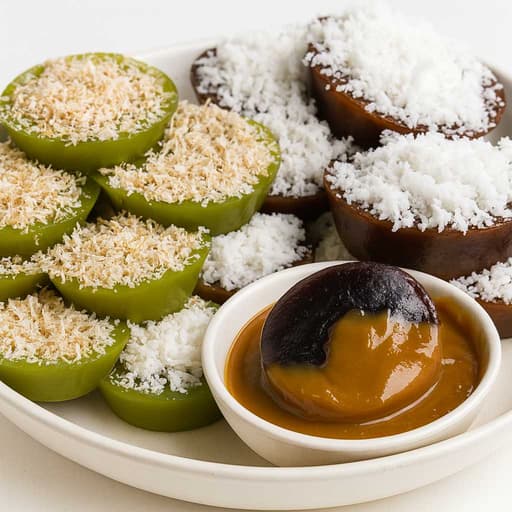
Kakanin Recipes: Filipino Rice Cakes & Sticky Sweets
This topic gathers Filipino rice cakes and sticky sweets such as bibingka, kutsinta, sapin-sapin, and cassava cake for merienda tables, holidays, and everyday dessert spreads.
5 recipes • Updated 24/09/2025
Create Your Own Recipe
Add your personal creations and build your own recipe collection.