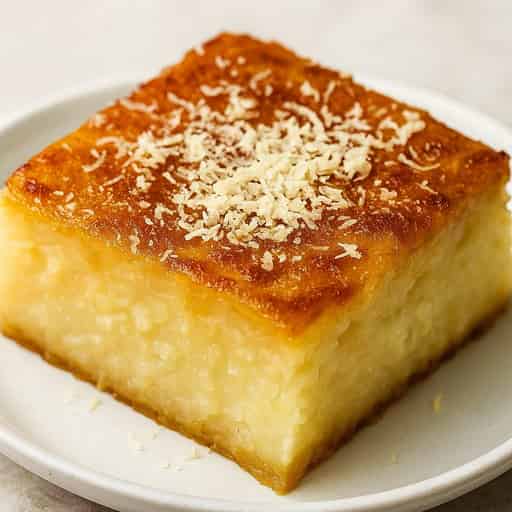
Cassava Cake
A focused cassava cake guide comparing creamy Filipino cassava cake, classic tray-bake versions, overnight soft slices, young coconut toppings, storage, and serving choices.
Overview
Cassava cake works best as a focused Filipino dessert guide, not as a generic kakanin page in disguise. The useful question here is not only "what is cassava cake," but which cassava cake version fits the occasion: a creamy everyday tray bake, a firmer party-pan version, a chilled overnight slice, a young-coconut version, or a softer family-style cake with a gentler cheese topping. Keeping the page centered on RecipeShare's own recipe roles makes it more helpful and avoids leaning on outside creator names or legacy slugs.
The anchor page for the cluster should be Cassava Cake Recipe (Creamy Filipino Cassava Cake), because it is the broad everyday version. From there, the cluster can branch into Classic Cassava Cake for a more party-friendly tray bake, Overnight Soft Cassava Cake for a chilled and neatly sliceable variation, Young Coconut Cheesy Cassava Cake for a buko-forward topping, and Home-Style Cassava Cake with Soft Cheese Topping for a softer family-table finish.
Start here
- For the main everyday reference version, begin with Cassava Cake Recipe (Creamy Filipino Cassava Cake).
- For a larger tray-bake feel, go to Classic Cassava Cake.
- For a chilled cleaner-cut version, use Overnight Soft Cassava Cake.
- For a young-coconut version, choose Young Coconut Cheesy Cassava Cake.
- For a softer topping and home-style finish, make Home-Style Cassava Cake with Soft Cheese Topping.
Compare the cassava cake recipes
| Recipe | Best for | Texture | Planning note |
|---|---|---|---|
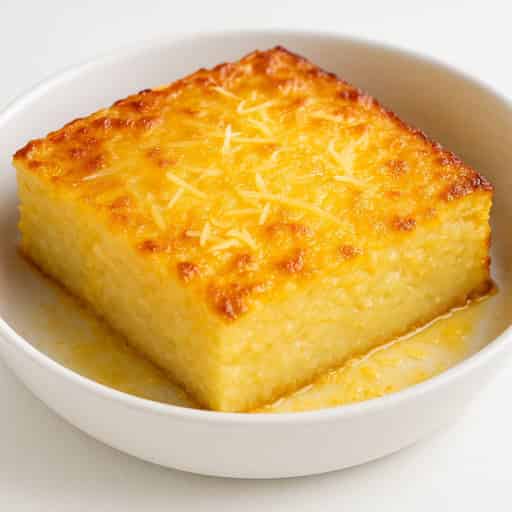
| Creamy Filipino Cassava Cake | First-time bakers and broad cassava cake intent | Creamy, coconut-rich, sliceable | Best all-around starting point. |
| Classic Cassava Cake | Potlucks and party trays | Firmer and cleaner-cut | Chill before slicing for neater squares. |
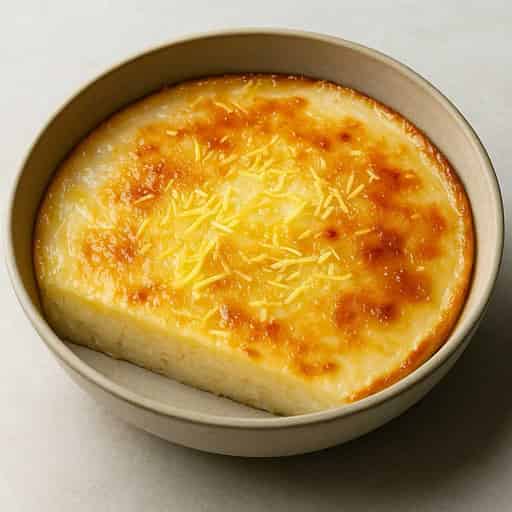
| Overnight Soft Cassava Cake | Make-ahead dessert | Soft but settled after chilling | Bake the day before serving. |
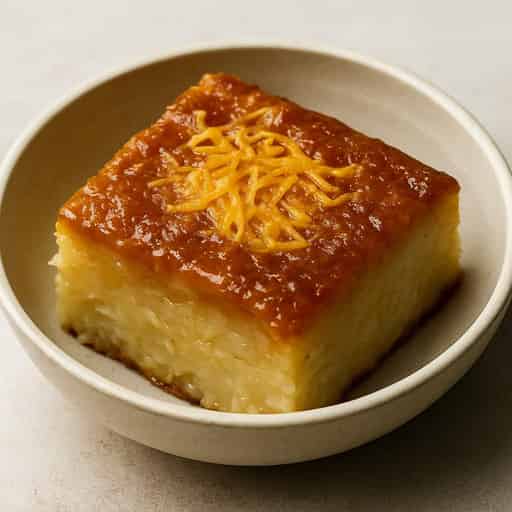
| Young Coconut Cheesy Cassava Cake | Buko and cheese topping fans | Moist with a richer topping | Watch the topping so it glosses without turning oily. |
| Home-Style Soft Cheese Topping | Family-style serving | Softer and more spoonable | Better for relaxed serving than perfect squares. |
What makes the cassava cake cluster useful
All cassava cake recipes share the same broad identity: grated cassava, coconut-rich batter, and a soft sliceable finish. What makes the cluster worthwhile is not ingredient novelty so much as texture and serving format. Some versions are better for neat party squares. Some are stronger when chilled overnight. Some lean more heavily into cheese topping or young coconut texture. Those are real user-facing differences, and they are enough to support a dedicated topic without turning it into a catch-all dessert page.
This is also why the page should not try to absorb the whole kakanin category. Kutsinta, bibingka, biko, and puto solve different texture and serving jobs. Cassava cake deserves its own space because readers often want to compare cassava cake versions specifically, not browse all Filipino rice sweets at once.
How to choose the right cassava cake version
Choose the broad creamy Filipino version if you want the best all-around starting point. Choose the classic tray-bake version when you are serving a group and want cleaner squares. Choose the overnight version when neat slicing and chilled texture matter most. Choose the home-style cheese-topped version when you want the softest, most family-table feel. If you are actually looking for the broader sticky-and-steamed dessert category, Kakanin Recipes is the better next page.
Baking and storage notes
Use thawed and squeezed grated cassava when working from frozen packs; excess water is the usual reason cassava cake turns rubbery or weepy. For a creamy but sliceable cake, the batter should be wet enough to level in the pan but not so loose that the cassava sinks. Bake until the center is set, then cool before chilling. Cassava cake slices more cleanly after several hours in the fridge, especially if the topping includes condensed milk, coconut cream, cheese, or egg yolks.
For potlucks, bake the cake the day before and transport it chilled. For the best texture, let it stand at room temperature briefly before serving. Leftovers should be covered and refrigerated; rewarm gently if you prefer a softer bite, but avoid repeated reheating because the topping can separate.
FAQs
What is the best first cassava cake recipe to make?
Cassava Cake Recipe (Creamy Filipino Cassava Cake) is the best first stop because it acts as the broadest reference version.
Why have a dedicated cassava cake topic if there is already a kakanin page?
Because cassava cake has enough internal variation to justify its own comparison page, and people often search for cassava cake specifically rather than for kakanin in general.
What is the most useful distinction between cassava cake versions?
Texture and serving style. Some versions are better for chilled neat slices, some for softer home-style serving, and some for larger party trays.
Recipes in This Collection
Related Topics
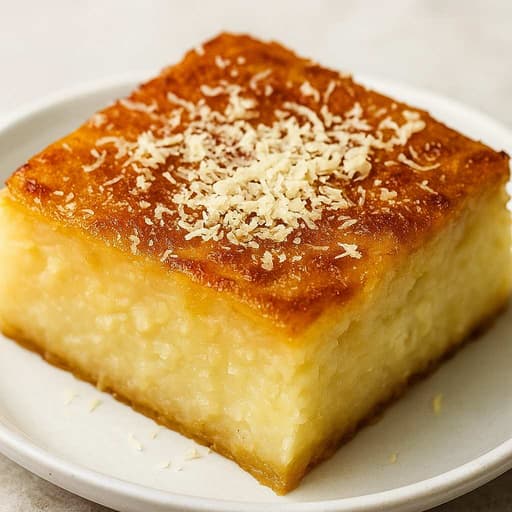
Filipino Home Bakes for Merienda & Celebrations
Filipino home-baking recipes for merienda and celebrations, including cassava cake, mamon, polvoron, brazo de Mercedes, pianono, and more.
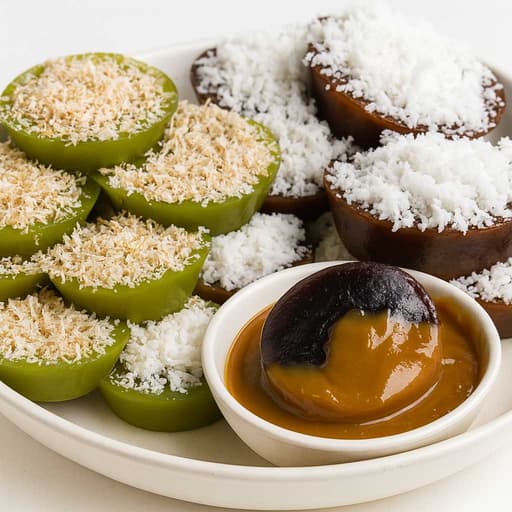
Kakanin Recipes: Filipino Rice Cakes & Sticky Sweets
This topic gathers Filipino rice cakes and sticky sweets such as bibingka, kutsinta, sapin-sapin, and cassava cake for merienda tables, holidays, and everyday dessert spreads.