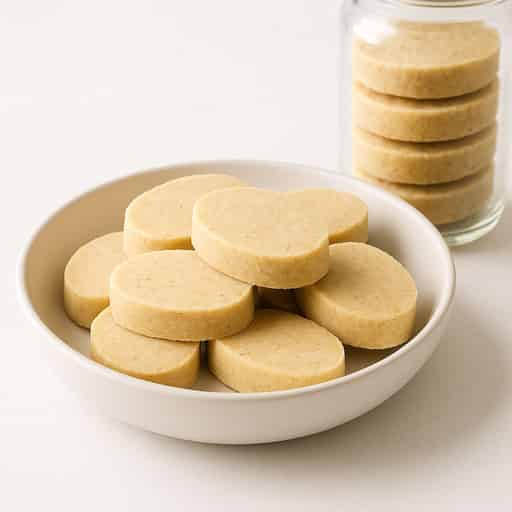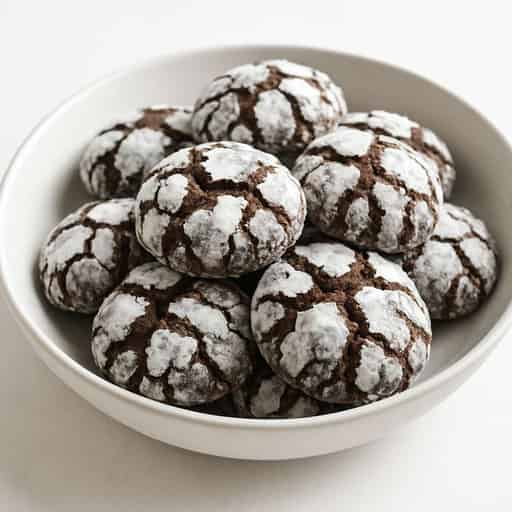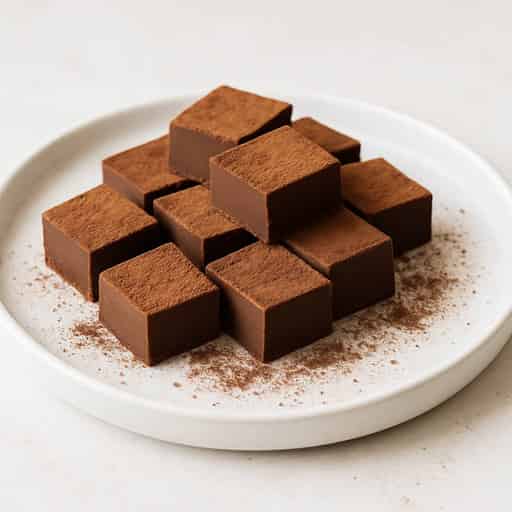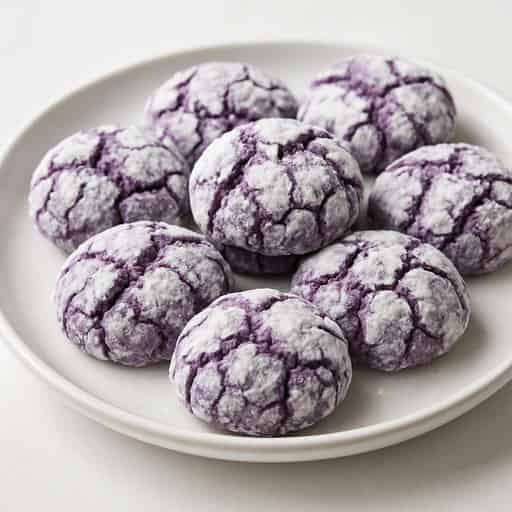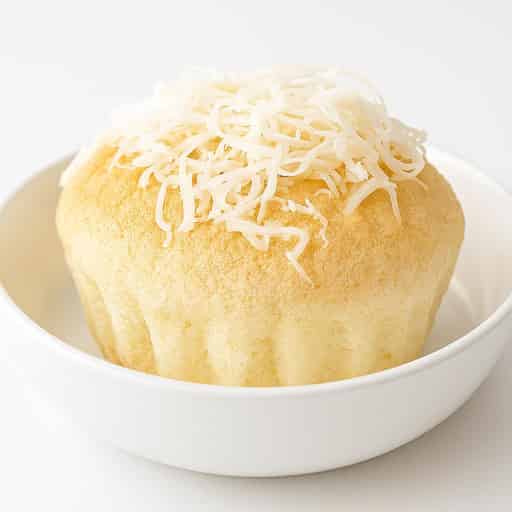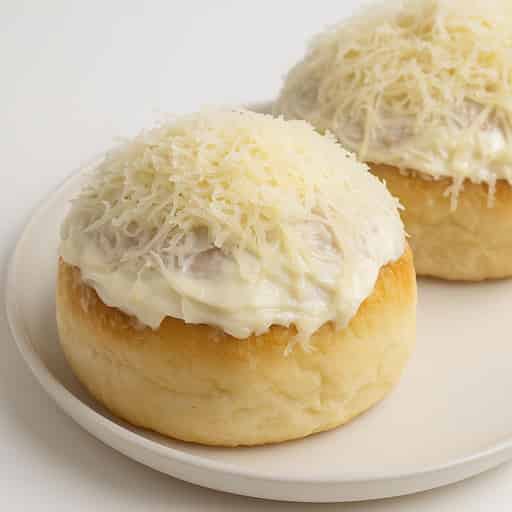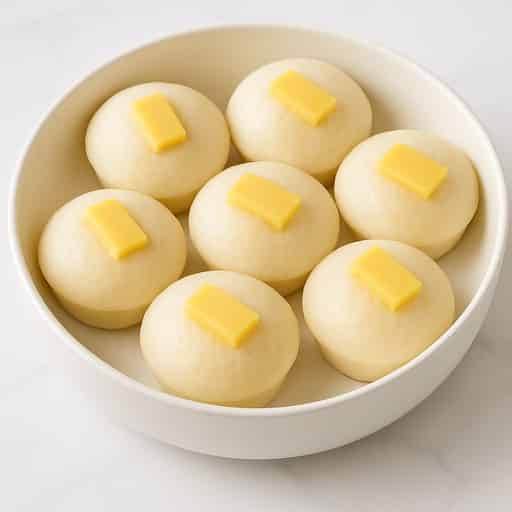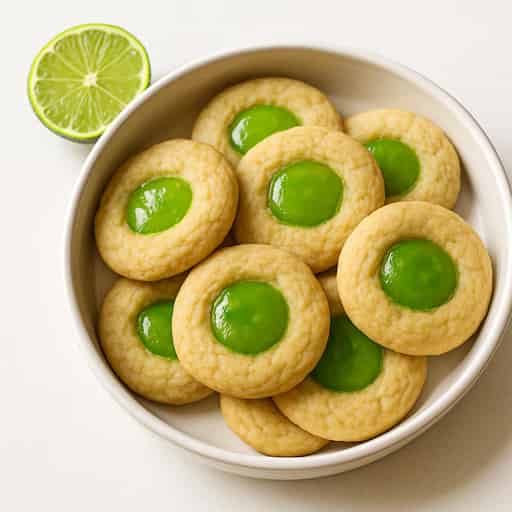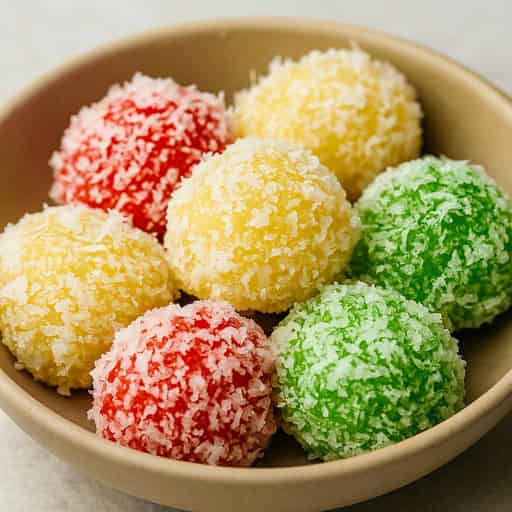
Soft and chewy Filipino pichi-pichi made with grated cassava and coconut milk, steamed in small moulds, then finished with fresh coconut or grated cheese.
Prep time
20 min
Cook time
20 min
Total time
40 min
Servings
24
Recipe Snapshot
DifficultyEasy
MealSnack / Dessert
Meal PrepExcellent
Freezer FriendlyYes
Family FriendlyYes
CuisineFilipino
Chef's Tips
Do not squeeze the grated cassava; its moisture helps the pichi-pichi stay soft and bouncy.
Wrap the steamer lid with a clean towel so condensation does not drip onto the tops.
Cool the pieces until just warm before unmoulding, then add coconut or cheese immediately.
Use only a little food colouring because the shades become lighter and brighter during steaming.
Tools Used
We use affiliate links, which may earn us a small commission at no extra cost to you.
Ingredients
Ingredients
Servings
24 servings1×
Scale
Ingredient amounts update instantly.
Cassava Batter
Colour And Flavour (Optional)
Toppings
Instructions
Prepare the Cassava
- 1
If using frozen cassava, thaw it completely. Remove any tough central fibres, then grate it finely or pulse it briefly in a food processor.
- 2
If the cassava is very wet, drain only obvious excess liquid through a sieve. Do not press or squeeze it dry.
Mix and Colour the Batter
- 1
Combine the cassava, sugar, coconut milk, melted butter, eggs, and salt in a large bowl. Stir until evenly hydrated without whipping air into the mixture.
- 2
Divide the batter between bowls if using colours. Tint one portion red and another green or pandan, leaving the rest plain if desired.
Fill the Moulds
- 1
Set small puto moulds or silicone mini moulds on a heatproof tray. Lightly grease only if your moulds are not naturally non-stick.
- 2
Fill each mould nearly to the top, leaving a little room for the batter to expand. Arrange the moulds so steam can circulate around them.
Steam the Pichi-Pichi
- 1
Bring the steamer water to a steady boil. Wrap the lid with a clean kitchen towel, keeping the towel away from the flame or heating element.
- 2
Steam for 15 to 20 minutes, until the tops are set and the pieces feel springy when lightly pressed. Keep the water at a steady boil and refill with boiling water if necessary.
- 3
Turn off the heat and leave the moulds covered for 3 minutes before removing them from the steamer.
Unmould and Finish
- 1
Cool the pichi-pichi until warm rather than hot, then loosen the edges and unmould carefully.
- 2
Roll the pieces in fresh grated coconut, or top them with finely grated cheddar cheese. Serve warm or at room temperature.
Plan This Recipe
Save this recipe to one of your meal plans or browse your existing plans.
Learn More
Everything you want to know about this recipe.
Filipino Pichi-Pichi (Steamed Cassava Bites)
Filipino Pichi-Pichi (Steamed Cassava Bites)
Pichi-pichi is a Filipino steamed cassava dessert with a soft, chewy texture and a lightly sweet coconut flavour. These small pieces are made in moulds, steamed until springy, and finished with either fresh grated coconut or salty cheddar cheese.
This coconut-rich version is designed for home kitchens using fresh or frozen cassava. The recipe focuses on the practical details that determine texture: keeping enough moisture in the cassava, preventing condensation from dripping onto the batter, and steaming only until the pieces are set.
What Makes Pichi-Pichi Chewy?
What Makes Pichi-Pichi Chewy?
Cassava provides the characteristic bouncy structure, but the final texture depends heavily on its moisture. Do not wring out the grated cassava as you would for some cassava cakes. Excess liquid can be drained, but pressing the cassava dry can produce dense or rubbery pieces.
The batter should be evenly mixed rather than whipped. Air is not needed here; the goal is a smooth, hydrated mixture that sets gradually in the steam.
Steaming Tips
Steaming Tips
Bring the steamer to a steady boil before adding the moulds. A towel wrapped around the lid catches condensation and prevents water droplets from marking the tops or making them wet.
Do not pack the moulds so tightly that steam cannot move around them. The exact time depends on mould size, but the pieces are ready when the surface is set and the centre feels springy. A short covered rest after steaming makes them easier to unmould.
Coconut, Cheese, and Flavour Variations
Coconut, Cheese, and Flavour Variations
Fresh grated coconut is soft, fragrant, and the most natural pairing for the cassava base. Keep it chilled and use it quickly because fresh coconut does not keep as long as the steamed cakes.
Cheddar provides a salty contrast and is especially good on plain or lightly coloured pichi-pichi. For a pandan-style variation, add a small amount of pandan flavouring or use green colouring; start conservatively because both colour and flavour can become stronger as the batter steams.
Make-Ahead and Storage
Make-Ahead and Storage
Pichi-pichi is best on the day it is made, when the texture is softest. Store leftovers covered in the refrigerator for up to three days. If already topped with fresh coconut, aim to eat them within two days.
To prepare ahead, mix and portion the batter, then refrigerate the covered moulds for up to 12 hours before steaming. Cooked untopped pieces can be frozen for up to one month; thaw them in the refrigerator and warm them gently before adding the topping.
Common Problems
Common Problems
- Rubbery texture: The pieces were over-steamed or the cassava was squeezed too dry.
- Wet tops: Condensation dripped from the lid. Wrap the lid with a clean towel.
- Pieces stick to the moulds: They were unmoulded while too hot, or the moulds needed a light coating of oil.
- Uneven colours: Too much colouring was added or the batter was not mixed evenly after dividing.
Frequently Asked Questions
Frequently Asked Questions
Can I use frozen cassava?
Yes. Thaw it completely, remove tough fibres, and grate or pulse it before mixing. Keep as much of its natural moisture as possible.
Is pichi-pichi served with coconut or cheese?
Both toppings are used. Coconut gives a soft, fragrant finish, while cheddar adds a salty, savoury contrast. You can divide one batch and serve both.
Can I make pichi-pichi ahead?
Yes. Refrigerate the filled moulds for up to 12 hours before steaming, or store cooked pieces covered in the refrigerator for up to three days. Add fresh coconut closer to serving.
Nutrition Facts
Nutrition Facts
Serving Size: 1 piece
Calories 1156%
% Reference Intake*
Total Fat 6g9%
Saturated Fat 4g20%
Trans Fat 0g
Cholesterol 15mg
Sodium 45mg
Total Carbohydrates 14g5%
Dietary Fiber 1g
Sugars 8g9%
Protein 1g2%
* Reference intakes are based on an average adult's 8,400 kJ / 2,000 kcal diet. Your needs may be higher or lower.
FAQs
Why did my pichi-pichi turn rubbery?
It may have been over-steamed or the cassava may have been squeezed too dry before mixing. Steam only until the pieces are set and springy, and keep the natural moisture in the cassava.
Can I use frozen cassava?
Yes. Thaw it completely, remove any tough fibres, and grate or pulse it before mixing. Drain only obvious excess liquid; do not press it dry.
Should I use coconut or cheese on pichi-pichi?
Both are common finishes. Fresh grated coconut gives a soft, fragrant coating, while finely grated cheddar adds a salty contrast. Add either topping after steaming, while the pieces are still slightly warm.
How should I store pichi-pichi?
Fresh coconut spoils quickly, so refrigerate topped pieces in an airtight container and eat them within two days. Untopped pieces keep for up to three days refrigerated and can be rewarmed gently.
Community Reviews
See how other home cooks made this recipe, then share your own experience.
4.8
5 ratings
5
80%
4
20%
3
0%
2
0%
1
0%
How would you rate this recipe?
Share your experience and help others.
Carlo
· 19 Aug 2026Frozen cassava worked well after a full thaw. The pieces stayed soft the next day when stored covered in the refrigerator.
Bea
· 18 Aug 2026The towel under the steamer lid kept the tops smooth. I unmoulded them while warm and they came out cleanly.
Anne
· 11 Nov 2025I rolled some in coconut and topped the rest with cheese. Both versions worked well for merienda.
Luis
· 11 Nov 2025I steamed them for 18 minutes and the texture was spot on. Keeping the cassava moist made a noticeable difference.
Mara
· 11 Nov 2025The texture was perfectly bouncy and moist. I coloured half the batch green for a pandan-style finish and it was a hit.
Browse this topic
Create Your Own Recipe
Add your personal creations and build your own recipe collection.