21 October 2026
Thai Green Papaya Salad (Som Tam)
RecipeShare Test Kitchen

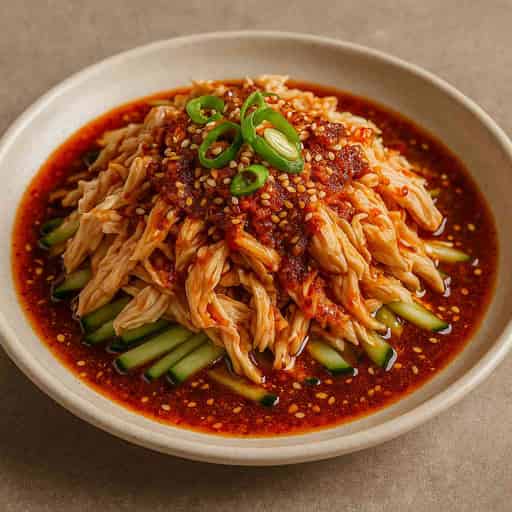
Thai green papaya salad (Som Tam) with crisp papaya, long beans, tomatoes, dried shrimp, peanuts, and a punchy lime, tamarind and fish-sauce dressing.
Prep time
20 min
Cook time
Total time
20 min
Servings
2
Recipe Snapshot
DifficultyEasy
MealLunch / Dinner
CuisineThai
Chef's Tips
Use firm, unripe green papaya; ripe orange papaya is too soft and sweet for this salad.
Taste the dressing before adding it to the papaya, then adjust lime, sugar, fish sauce and chilli in small increments.
Drain the chilled papaya very well so the dressing stays punchy rather than watery.
Serve straight away. The papaya loses crunch and the dressing becomes diluted as it sits.
Tools Used
We use affiliate links, which may earn us a small commission at no extra cost to you.
Ingredients
Ingredients
Servings
2 servings1×
Scale
Ingredient amounts update instantly.
Prepare The Papaya
Make The Dressing
Assemble The Salad
Instructions
Prepare the Papaya
- 1
Peel and deseed the green papaya, then shred it into long, fine strips with a julienne peeler or knife.
- 2
Soak the shredded papaya in ice water for 10–15 minutes while preparing the dressing. Drain thoroughly in a colander and dry gently if needed.
Make the Dressing
- 1
Pound the garlic, chillies and coconut sugar in a mortar and pestle until the garlic is bruised and the sugar starts to break down. A bowl and the back of a spoon will work, although the texture will be less traditional.
- 2
Add the hot water and stir until the sugar dissolves. Mix in the lime juice, tamarind paste and fish sauce, then taste. It should be sweet, sour, salty and hot in balance.
Assemble the Salad
- 1
Add the long beans to the mortar and bruise them lightly with the pestle, or press them firmly with a rolling pin. Add the tomatoes and press just enough to release some juice.
- 2
Transfer the beans and tomatoes to a large bowl with the drained papaya, dried shrimp, half the peanuts and the dressing. Toss well so the papaya is evenly seasoned.
- 3
Taste once more and adjust with extra lime juice, fish sauce, sugar or chilli as needed. Scatter over the remaining peanuts and serve immediately.
Plan This Recipe
Save this recipe to one of your meal plans or browse your existing plans.
Learn More
Everything you want to know about this recipe.
Thai green papaya salad, known as Som Tam or Som Tum, is a bright, pounded salad built on contrast. Crisp unripe papaya carries a dressing that is sour, salty, sweet and fiery, while long beans, tomatoes, dried shrimp and peanuts provide bite and savoury depth. It is often served alongside grilled foods and sticky rice, but it can also make a lively light lunch.
This recipe takes the classic flavour balance as its guide rather than claiming to represent every regional version. The key is to taste as you go: lime, fish sauce, sugar and chilli all vary in strength, and the finished salad should suit the ingredients in front of you.
What makes a good Som Tam
What makes a good Som Tam
Choose unripe green papaya with firm, pale flesh. It should feel crisp when shredded, not soft or perfumed like ripe orange papaya. A short soak in ice water helps the strips stay snappy, but draining them thoroughly matters just as much. Water left clinging to the papaya will weaken the dressing.
Som Tam gets much of its character from bruising rather than simply stirring. Pounding the garlic and chillies releases their aroma, while gently pressing the long beans and tomatoes helps them take on seasoning without turning them to a purée. A mortar and pestle is useful for this, though a sturdy bowl and a rolling pin can still produce a good home version.
Balancing the dressing
Balancing the dressing
The dressing should not taste flatly salty, sweet or hot on its own. Lime juice brings brightness, tamarind contributes rounded sourness, fish sauce provides salty savouriness, and coconut or palm sugar softens the sharper edges. The amounts are a starting point: taste after mixing, then make small adjustments.
If the salad tastes dull, add a little lime. If it tastes too sharp, add a small pinch of sugar. If it needs savoury depth, use a little more fish sauce. Add chilli last if you are unsure about heat, especially when serving people with different spice tolerances. Dried shrimp is traditional in many versions, but it is strongly flavoured; chop it small so it seasons the salad evenly.
How to keep the salad crisp
How to keep the salad crisp
Prepare the papaya and dressing separately if you need a head start. Keep the papaya chilled and well drained, and leave the peanuts out until serving. Combine everything only when you are ready to eat. This protects the papaya's crunch and keeps the peanuts from softening.
The dressed salad is best eaten straight away and is not a good candidate for freezing. If you have leftovers, refrigerate them promptly in a covered container and expect the papaya to soften; enjoy them within a day rather than trying to restore the original texture.
Serving ideas
Serving ideas
Serve Thai papaya salad beside grilled chicken, prawns, tofu or fish, with sticky rice or steamed jasmine rice to soften the heat and soak up the dressing. For a lighter lunch, one half of the recipe is a substantial salad portion; add a protein source and rice if you want it to work as a fuller meal.
Serving & Goal Fit
Serving & Goal Fit
One serving is half the recipe. It provides crunch and bold flavour, though the fish sauce makes it relatively high in sodium. Pair it with a lean protein such as grilled chicken, prawns or firm tofu. On a training day, add 50 g cooked rice or a piece of fruit; on a rest day, serve it as written or reduce any rice by about 50 g. Green beans, cucumber or shredded kohlrabi can stand in for some of the papaya when needed, but taste and drain them carefully.
Nutrition Facts
Nutrition Facts
Serving Size: 1 plate (1/2 recipe), estimated
Calories 26513%
% Reference Intake*
Total Fat 10g14%
Saturated Fat 1.5g8%
Trans Fat 0g
Cholesterol 11mg
Sodium 850mg
Total Carbohydrates 35g13%
Dietary Fiber 5g
Sugars 24g27%
Protein 10g20%
* Reference intakes are based on an average adult's 8,400 kJ / 2,000 kcal diet. Your needs may be higher or lower.
FAQs
What is Som Tam?
Som Tam is a Thai green papaya salad known for balancing sour lime, salty fish sauce, sweetness, chilli heat and crunchy vegetables. Recipes vary by region and household; this version includes dried shrimp and peanuts.
Can I make Som Tam without a mortar and pestle?
Yes. Crush the garlic, chillies, sugar, beans and tomatoes gently in a sturdy bowl with the back of a spoon or a rolling pin, then toss with the remaining ingredients. A mortar gives more control over bruising and flavour extraction.
What can I use instead of green papaya?
Green mango, kohlrabi or firm cucumber can provide a crisp alternative, but each changes the flavour and water content. Drain watery vegetables well and adjust the dressing after tasting.
Is Som Tam very spicy?
It can be. Start with one chilli for a milder salad, then add more after tasting. Thai chillies vary considerably in heat, so the listed amount is a guide rather than a requirement.
Can I make Thai papaya salad ahead?
Prepare and chill the papaya and dressing separately for a few hours, but combine them only just before serving. Once dressed, the salad quickly loses its crisp texture.
Is this recipe vegetarian or vegan?
No. Fish sauce and dried shrimp are part of the default recipe. A plant- based fish-sauce alternative and extra roasted peanuts or fried tofu can make a different, vegetarian-style variation, but the seasoning balance will need adjusting.
Community Reviews
See how other home cooks made this recipe, then share your own experience.
—
0 ratings
5
0%
4
0%
3
0%
2
0%
1
0%
How would you rate this recipe?
Share your experience and help others.
Lina P.
· 27 Sept 2026The notes on using unripe papaya and draining it well were useful. The salad stayed crisp and the sweet, sour and salty flavours were easy to adjust at the table.
Jordan K.
· 9 Apr 2026Starting with one chilli was right for us. After tasting, I added a little more lime and fish sauce and served it with grilled chicken and rice.
Maya R.
· 18 Oct 2025I prepared the papaya and dressing separately, then tossed everything together at lunch. Keeping the peanuts back until the end made a real difference to the texture.
Create Your Own Recipe
Add your personal creations and build your own recipe collection.