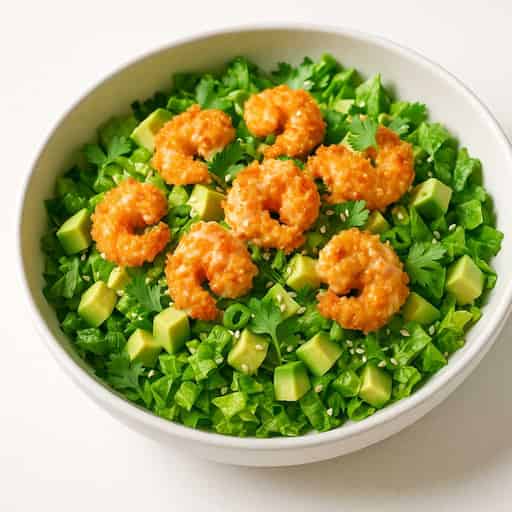
Filipino green mango slaw with carrot, cucumber, a bright calamansi dressing, and crispy danggit for a spicy, salty crunch.
Prep time
20 min
Cook time
5 min
Total time
25 min
Servings
4
Recipe Snapshot
DifficultyEasy
MealLunch / Dinner
Family FriendlyYes
CuisineFilipino
Chef's Tips
Choose firm, unripe mangoes; ripe mangoes are too soft and sweet for this slaw.
Keep the dressing and danggit separate until serving so the mango stays crisp and the fish stays crunchy.
Remove the chilli seeds or use half a chilli for a milder shared side dish.
Tools Used
We use affiliate links, which may earn us a small commission at no extra cost to you.
Ingredients
Ingredients
Servings
4 servings1×
Scale
Ingredient amounts update instantly.
Crisp The Danggit
Prepare The Green Mango Slaw
Mix The Calamansi Dressing
Instructions
Crisp the Danggit
- 1
Heat the neutral oil in a small frying pan over medium heat. Fry the danggit for 1–2 minutes per side until crisp and fragrant, then transfer it to a plate lined with paper towel. Cool, then break it into bite-size shards.
Prepare the Green Mango Slaw
- 1
Put the green mango, carrot, cucumber, red onion, chilli, and coriander in a large mixing bowl. Keep the cucumber seeds out of the slaw so they do not dilute the dressing.
Mix the Calamansi Dressing
- 1
Whisk the cane vinegar, calamansi juice, fish sauce, coconut sugar, and toasted sesame oil in a small bowl until the sugar has mostly dissolved.
Toss and Serve
- 1
Pour the dressing over the slaw and toss thoroughly. Taste before adding more fish sauce; danggit is naturally salty.
- 2
Pile the slaw onto a serving platter and scatter the crisp danggit over the top just before serving.
Plan This Recipe
Save this recipe to one of your meal plans or browse your existing plans.
Learn More
Everything you want to know about this recipe.
Filipino Green Mango Slaw with Crispy Danggit
Filipino Green Mango Slaw with Crispy Danggit
This Filipino green mango slaw is a crisp, tart side dish built around unripe mango, carrot, cucumber, and red onion. A dressing of cane vinegar, calamansi, fish sauce, and coconut sugar brings the sweet-sour-salty balance associated with ensaladang mangga, while crisp danggit supplies a savoury finish that turns the slaw into more than a standard salad.
Serve it cold alongside grilled fish, inihaw, pork barbecue, or rich fried dishes. The sharp mango and vinegar cut through smoky or fatty mains, and the danggit gives the plate a little concentrated umami without making the salad heavy.
Choose the Right Mango for a Crisp Slaw
Choose the Right Mango for a Crisp Slaw
Use firm, unripe green mangoes rather than mangoes that have started to yellow. Their flesh should be pale, hard, and distinctly sour; that is what lets the shreds remain crisp after they meet the dressing. A ripe mango will soften quickly and make the salad taste more like a fruit salad than a sharp Filipino side.
Julienne the mango and carrot into similar thin lengths so they toss evenly. Remove the soft centre and seeds from the cucumber before slicing it; otherwise, its moisture loosens the dressing and dilutes the bright mango flavour.
Why Danggit Goes on at the End
Why Danggit Goes on at the End
Danggit is dried rabbitfish, and a quick fry makes it crisp enough to crumble over the slaw. It is salty by nature, so taste the dressed vegetables before adding extra fish sauce. Adding the fish immediately before serving is important: the vinegar dressing will soften it if it sits on the salad.
If your danggit is already fried and crisp, skip the pan step and crumble it straight over the finished slaw. For a meat-free alternative, use roasted peanuts or toasted coconut, replace fish sauce with soy sauce, and expect a different but equally satisfying style of crunch.
Balance the Dressing Before Tossing
Balance the Dressing Before Tossing
The dressing should taste sharper and saltier in the bowl than you expect because the mango, carrot, and cucumber will dilute it. Cane vinegar is ideal for its clean acidity, while calamansi gives a floral citrus edge. Coconut sugar is present only to soften the sourness, not to make the salad sweet.
For a milder version, seed the bird's eye chilli or use half. For a hotter version, add another finely sliced chilli at the table rather than increasing the fish sauce or vinegar; that preserves the dressing's balance.
Serving and Make-Ahead Guidance
Serving and Make-Ahead Guidance
Serve this slaw as part of a balanced plate with a grilled protein, such as chicken, fish, tofu, or lean pork, plus a modest portion of steamed rice or another starch. Four side servings provide enough brightness for a family-style meal without competing with the main dish.
You can julienne the vegetables and prepare the dressing up to one day ahead, but store them separately. The fully dressed slaw is best eaten the day it is made and does not freeze well. Keep any leftover danggit apart and add it only after the slaw is replated.
Nutrition Facts
Nutrition Facts
Serving Size: 1 of 4 side-dish servings
Calories 1457%
% Reference Intake*
Total Fat 5g7%
Saturated Fat 1g5%
Trans Fat 0g
Cholesterol 12mg
Sodium 520mg
Total Carbohydrates 22g8%
Dietary Fiber 3g
Sugars 16g18%
Protein 4g8%
* Reference intakes are based on an average adult's 8,400 kJ / 2,000 kcal diet. Your needs may be higher or lower.
FAQs
What is danggit?
Danggit is a small dried rabbitfish commonly crisp-fried and served with Filipino breakfasts or rice dishes. Its salty, savoury crunch makes it a strong contrast to tart green mango. Look for it in Filipino or Southeast Asian grocers.
Can I make green mango slaw without danggit?
Yes. For a meat-free version, replace the danggit with roasted peanuts or toasted coconut and use soy sauce instead of fish sauce. The flavour will be different, but the tart, crisp salad still works well.
How far ahead can I make this slaw?
Julienne the vegetables and mix the dressing up to a day ahead, storing them separately in the refrigerator. Toss the slaw and add the danggit only just before serving; dressed mango and cucumber soften quickly.
What can I use instead of calamansi?
Use equal parts lime juice and mandarin or orange juice to approximate calamansi's floral tartness. Straight lime juice works too, but add a small pinch more coconut sugar to round its sharper acidity.
Community Reviews
See how other home cooks made this recipe, then share your own experience.
5.0
2 ratings
5
100%
4
0%
3
0%
2
0%
1
0%
How would you rate this recipe?
Share your experience and help others.
Ben C.
· 9 Jul 2026I used half a chilli for a family lunch. The calamansi dressing was bright without overwhelming the mango.
Mara L.
· 18 Sept 2025The green mango stayed really crisp, and adding the danggit at the table kept every bite crunchy.
Create Your Own Recipe
Add your personal creations and build your own recipe collection.