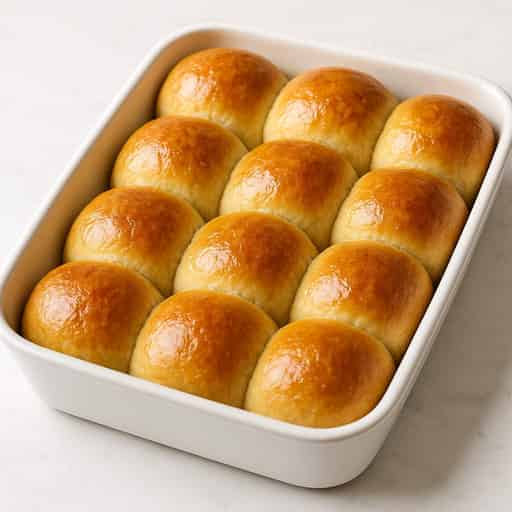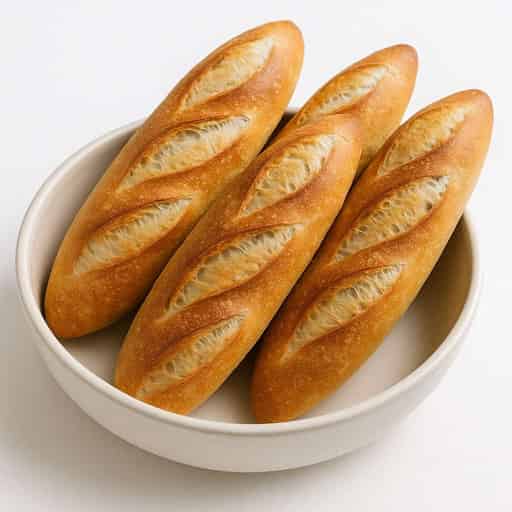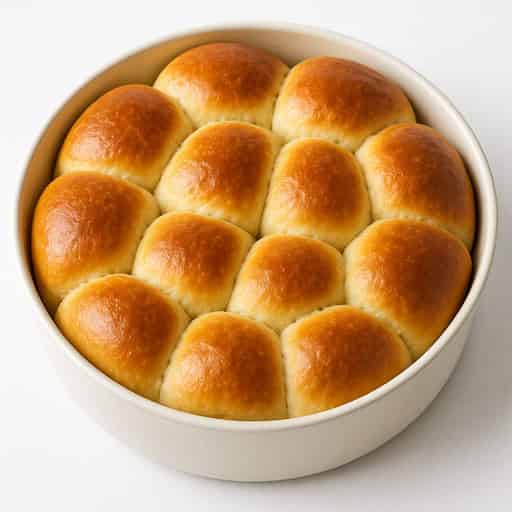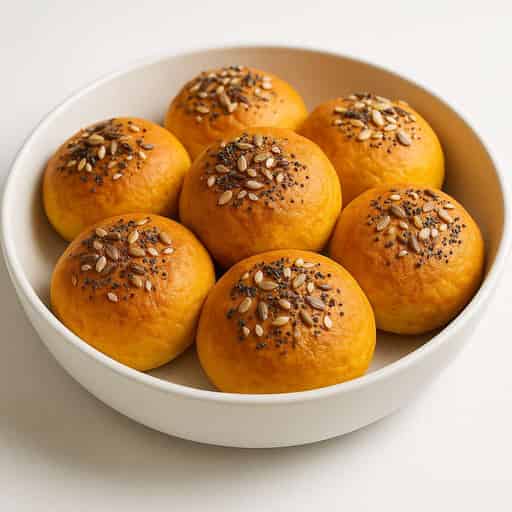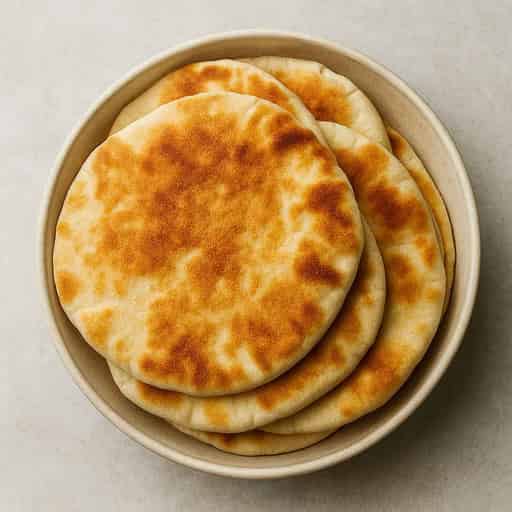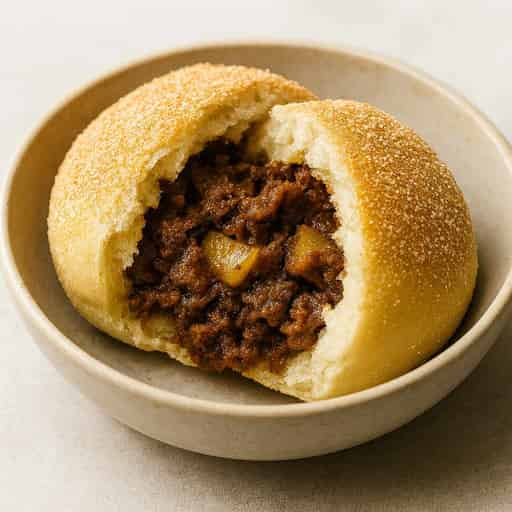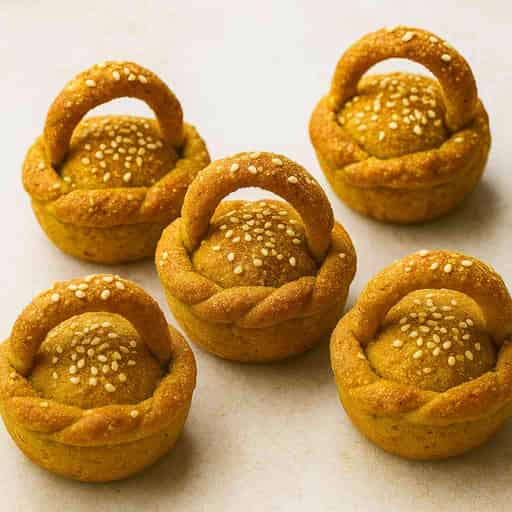
Golden gluten-free mini bread baskets made with a bread-style gluten-free flour blend, olive oil, turmeric and olives.
Prep time
20 min
Cook time
30 min
Total time
3 hr 20 min
Servings
10
Chef's Tips
Olive oil on the tray and on top helps gluten-free dough brown more evenly.
A light mist of water before baking helps encourage a rustic crust.
Drain olives well before adding them so the dough does not get streaky.
If the tops brown too quickly, move the tray to the middle rack sooner.
Tools Used
Large Mixing Bowl(opens in a new tab)Baking Tray(opens in a new tab)Parchment Paper(opens in a new tab)
We use affiliate links, which may earn us a small commission at no extra cost to you.
Ingredients
Ingredients
Servings
10 servings1×
Scale
Ingredient amounts update instantly.
Gluten-Free Dough Base
Flavor And Toppings
For Shaping And Finishing
Instructions
Mix the Dough
- 1
In a large bowl, combine the gluten-free flour blend, yeast, sugar, turmeric and saffron if using.
- 2
Gradually add the warm water, stirring with a spatula or spoon until a soft, sticky dough forms.
- 3
Stir in the salt and olive oil until the dough looks smooth and glossy.
- 4
Lightly oil the surface, then cover the bowl.
First Rise
- 1
Let the dough rise in a warm place for about 1 hour 30 minutes, or until doubled.
Shape
- 1
Dust the work surface with rice flour and a little cornmeal.
- 2
Divide the dough into 10 to 12 pieces using oiled hands.
- 3
Fold in the olives or press them onto the surface of each piece.
- 4
Arrange the rolls on a well-oiled tray sprinkled with cornmeal.
Second Rise and Bake
- 1
Cover and let the shaped rolls rise for another hour.
- 2
Preheat the oven to 220°C (425°F) in static mode.
- 3
Mist lightly with water and add a little extra cornmeal if desired.
- 4
Bake on the bottom rack for 15 minutes, then move to the middle rack for 15 minutes more.
- 5
Cool on a rack so the crust stays dry.
Plan This Recipe
Save this recipe to one of your meal plans or browse your existing plans.
Learn More
Everything you want to know about this recipe.
Gluten-free bread doughs usually behave more like a thick batter than a classic bread dough, so the goal here is not kneading but hydration and enough rising time. Oil, warm water and a bread-style flour blend help the rolls stay soft inside while still colouring well in the oven.
Turmeric and saffron are mostly there for colour and aroma, not strong spice. The olives bring the bigger flavour shift, so you can leave them out for a plain dinner roll or swap them for rosemary, sesame or nigella seeds.
For serving, use these like small table breads with soup, salad or grilled protein. If you are building a fuller plate, pair one or two rolls with a protein-rich main and vegetables rather than treating the bread as the centre of the meal.
These rolls freeze well. Slice and toast leftovers if you want to bring back a little more crust the next day.
Because there is no gluten network doing the structural work here, the dough is more about consistency than kneading. It should look thick enough to hold some shape, but softer than a classic wheat dough. If it seems too stiff, the crumb will bake up dense instead of light.
These rolls are also useful beyond the table-bread role. They work for soup nights, lunch spreads, or small sandwiches if you split and toast them. A little extra olive oil brushed on top before baking can help deepen the color if your oven tends to bake pale.
Nutrition Facts
Nutrition Facts
Serving Size: 1 roll (1/10 of recipe)
Calories 22011%
% Reference Intake*
Total Fat 4g6%
Saturated Fat 0.6g3%
Trans Fat 0g
Cholesterol 0mg
Sodium 480mg
Total Carbohydrates 44g17%
Dietary Fiber 3g
Sugars 2g2%
Protein 4g8%
* Reference intakes are based on an average adult's 8,400 kJ / 2,000 kcal diet. Your needs may be higher or lower.
FAQs
Can I use another gluten-free flour blend?
Yes, but use a blend formulated for bread or pizza. Different mixes absorb water differently, so you may need to reduce the liquid slightly.
Can I freeze the rolls?
Yes. Cool them fully, freeze in a sealed bag, and reheat at 180°C for 5 to 8 minutes.
Can I skip the olives?
Yes. Leave them out or replace them with seeds or dried herbs if you want a plainer roll.
Community Reviews
See how other home cooks made this recipe, then share your own experience.
4.5
4 ratings
5
50%
4
50%
3
0%
2
0%
1
0%
How would you rate this recipe?
Share your experience and help others.
Sha
· 2 Nov 2025Usually I get frustrated with gluten-free doughs, but your clear explanation gives me confidence 😂
Piera
· 2 Nov 2025Brilliant recipe! I’ll make it this weekend. Love the idea of cornmeal on top 👏
Antonella G.
· 2 Nov 2025Finally, a gluten-free bread that looks like real bread 😍 I’ll try it with olives next!
Lorenza Magri
· 2 Nov 2025My sister is celiac and these recipes are gold — thank you for making them so easy to follow at home! 🙏
Create Your Own Recipe
Add your personal creations and build your own recipe collection.