25 July 2026
Mongolian Beef Stir-Fry
RecipeShare Test Kitchen
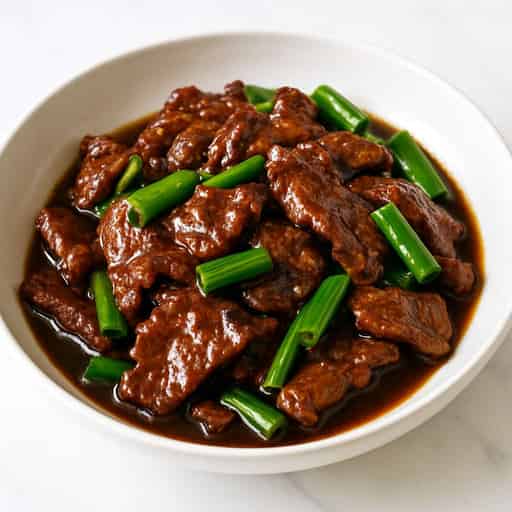
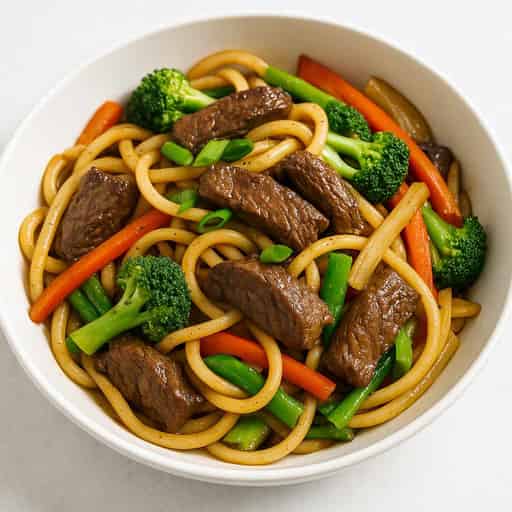
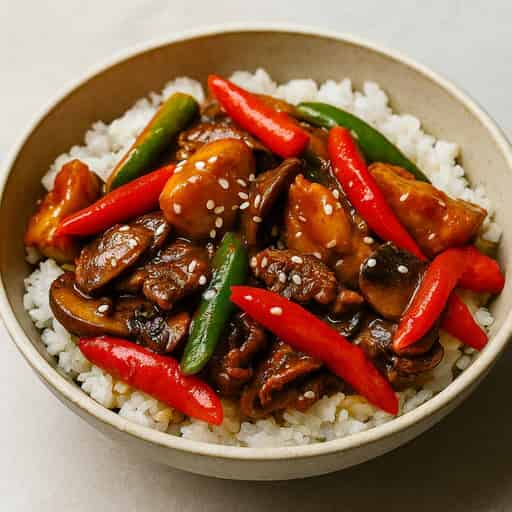
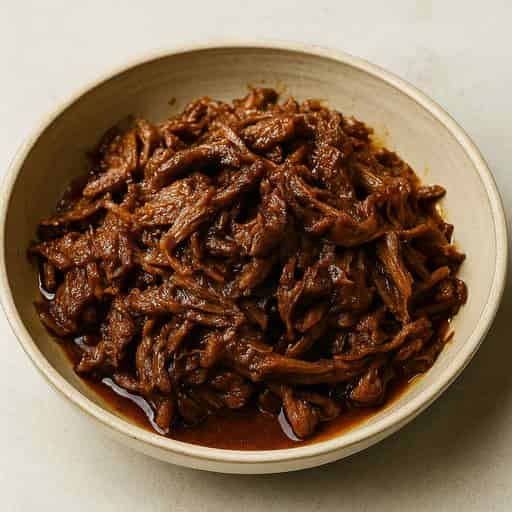
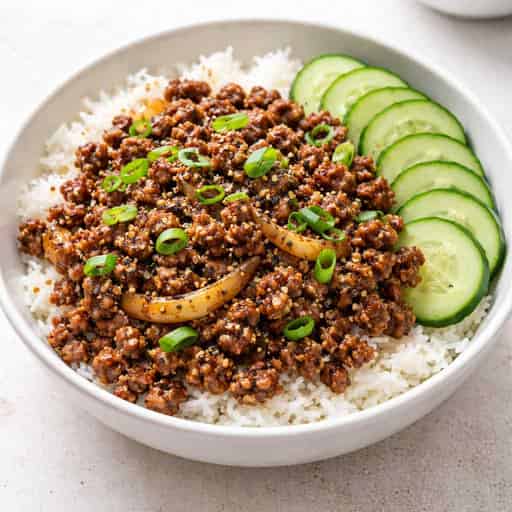
Mongolian beef stir-fry with tender slices of beef, garlic, ginger, and a glossy soy sauce coating. Fast, deeply savory, and built for a weeknight rice bowl.
Prep time
15 min
Cook time
10 min
Total time
25 min
Servings
4
Chef's Tips
Slice the beef thinly against the grain for the best texture.
Do not overcrowd the pan or the beef will steam instead of sear.
Stir the sauce before pouring because the cornstarch settles quickly.
Ingredients
Ingredients
Servings
4 servings1×
Scale
Ingredient amounts update instantly.
Beef
Sauce
Aromatics
Instructions
Marinate the Beef
- 1
Toss the beef with Shaoxing wine, soy sauce, black pepper, cornstarch, and egg white.
- 2
Let it rest while you mix the sauce.
Mix the Sauce
- 1
Stir together the cornstarch, oyster sauce, soy sauce, brown sugar, water, and dark soy sauce.
Stir-Fry
- 1
Sear the beef quickly in hot oil until just cooked, then remove.
- 2
Cook the ginger, garlic, and spring onion whites until fragrant.
- 3
Pour in the sauce and cook until glossy and thickened.
- 4
Return the beef to the pan, add the spring onion greens, and toss to coat.
Plan This Recipe
Save this recipe to one of your meal plans or browse your existing plans.
Learn More
Everything you want to know about this recipe.
Flavor Profile
Flavor Profile
Mongolian beef is sweet, savory, and glossy, with a sauce that clings to the beef rather than pooling under it. Ginger and garlic keep the flavor from tasting one-dimensional, while dark soy sauce deepens the color and gives the stir-fry that takeout-style look.
This dish works because the beef stays tender and the sauce stays concentrated. If either part goes wrong, it feels ordinary. When it goes right, it tastes fast, rich, and very satisfying over rice.
Chef's Tips
Chef's Tips
- Slice the beef thinly and evenly so it cooks at the same speed.
- Cook the beef in batches if needed to keep the pan hot.
- Let the sauce thicken before the beef goes back in so the coating stays glossy.
- Add the green parts of the spring onion at the end for freshness.
Ingredient Highlights
Ingredient Highlights
Thinly sliced beef is the main texture of the dish and should stay tender.
Cornstarch helps on both sides: it protects the beef and thickens the sauce.
Dark soy sauce deepens color and adds a little more depth than soy sauce alone.
Brown sugar gives the classic Mongolian-style sweetness that balances the salt.
How It Comes Together
How It Comes Together
The beef is marinated briefly to help it stay tender during the quick fry. The sauce is mixed separately so the final stir-fry moves fast once the pan is hot.
After the beef is seared, the aromatics go in, followed by the sauce. As soon as the sauce thickens, the beef goes back in to coat. That last toss is what gives the dish its signature glossy finish.
Easy Swaps
Easy Swaps
- Use chicken or tofu if you want the same style of sauce on a different protein.
- Add broccoli or snow peas if you want a more vegetable-heavy version.
- Reduce the sugar slightly if you prefer a less sweet sauce.
Make-Ahead and Meal Prep
Make-Ahead and Meal Prep
The sauce can be mixed ahead and the beef can be sliced and marinated earlier in the day. Once cooking starts, the recipe moves quickly.
Leftovers reheat reasonably well, though the beef is best on day one. A splash of water while reheating helps loosen the sauce.
Budget Tips
Budget Tips
A smaller amount of beef goes a long way in a strongly flavored stir-fry like this, especially if you serve it with rice and vegetables. That makes it easier to keep practical even when beef is expensive.
FAQ
FAQ
Why is my sauce too thin?
It likely needed another minute of simmering or the cornstarch settled before
you poured it in.
Can I use regular soy sauce only?
Yes, though the final color will be lighter.
Can I pan-fry instead of using a wok?
Yes. A large skillet works fine as long as it gets hot enough.
Serving & Goal Fit
Serving & Goal Fit
One serving works best with rice and a vegetable side so the plate feels more balanced. As written, the beef is flavorful enough that you do not need a huge portion to make the meal satisfying.
On training days, serve it over rice or noodles for extra carbohydrates. On rest days, keep the rice a little lighter and add vegetables like broccoli, green beans, peas, mushrooms, or spinach to increase volume.
Nutrition Facts
Nutrition Facts
Serving Size: 1 portion
Calories 32016%
% Reference Intake*
Total Fat 12g17%
Saturated Fat 4g20%
Trans Fat 0g
Cholesterol 62mg
Sodium 760mg
Total Carbohydrates 20g8%
Dietary Fiber 1g
Sugars 10g11%
Protein 29g58%
* Reference intakes are based on an average adult's 8,400 kJ / 2,000 kcal diet. Your needs may be higher or lower.
FAQs
What cut of beef works best?
Flank steak or sirloin are both good because they stay tender when sliced thinly.
Can I make it spicier?
Yes. Add chili flakes or sliced chilies with the aromatics.
What can I serve with it?
Steamed rice, noodles, or stir-fried vegetables all work well.
Community Reviews
See how other home cooks made this recipe, then share your own experience.
—
0 ratings
5
0%
4
0%
3
0%
2
0%
1
0%
How would you rate this recipe?
Share your experience and help others.
Create Your Own Recipe
Add your personal creations and build your own recipe collection.