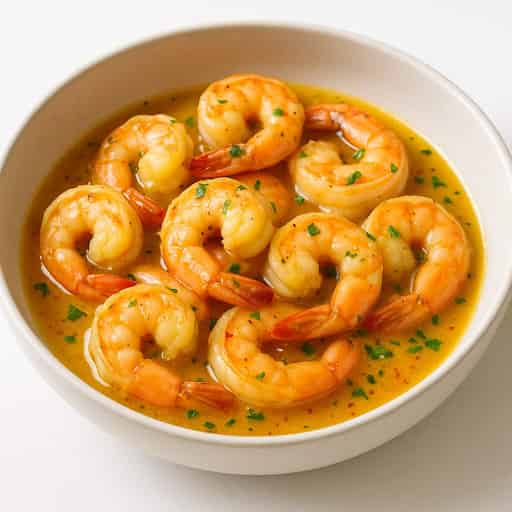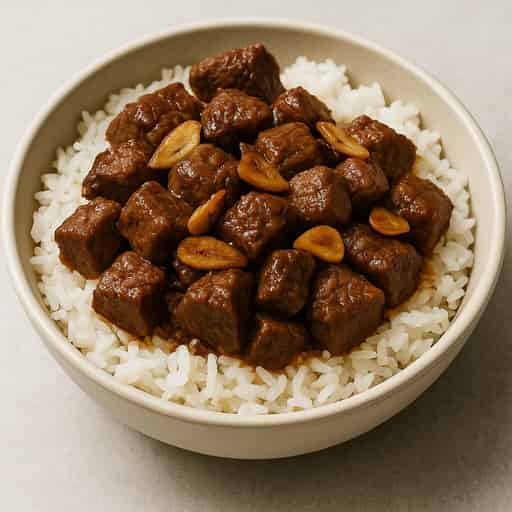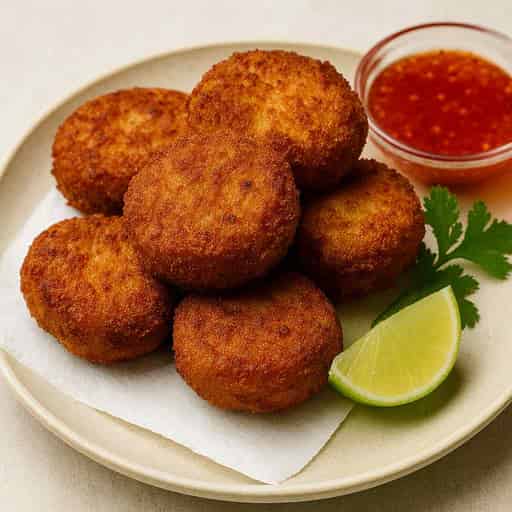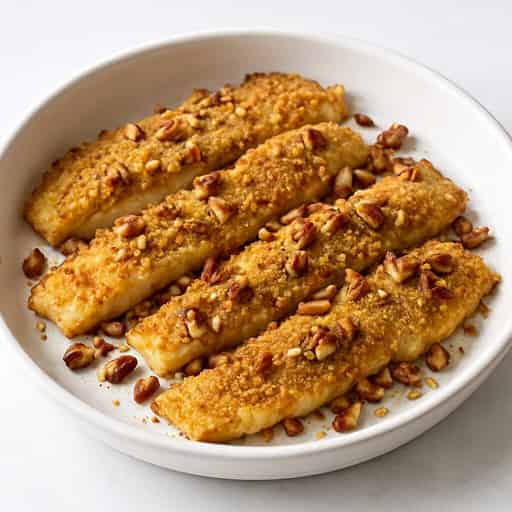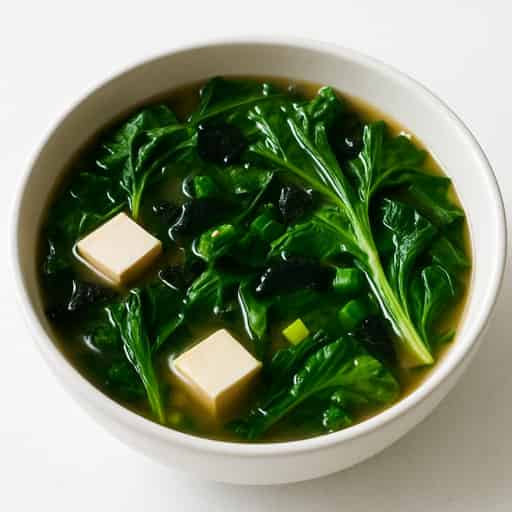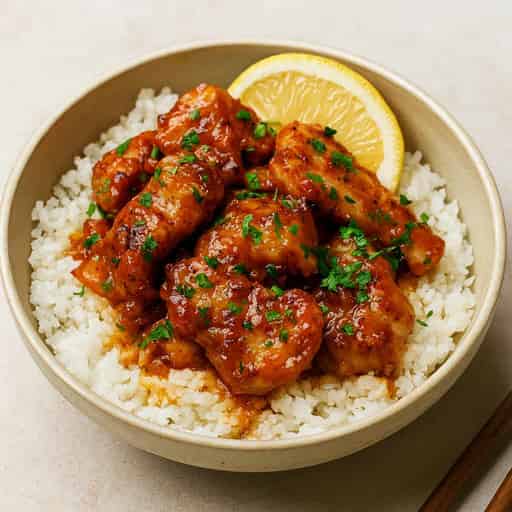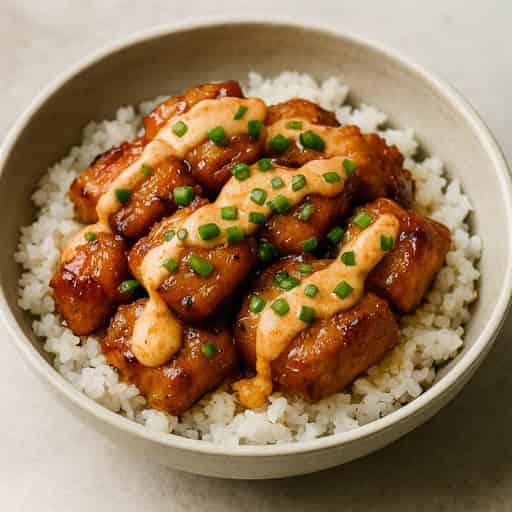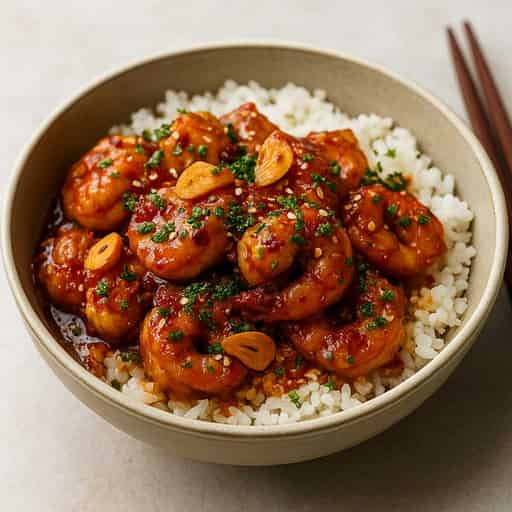
Juicy garlic butter shrimp inspired by gambas al ajillo, finished with chili, paprika, and a savoury Filipino-style sauce for bread, rice, or pulutan.
Prep time
15 min
Cook time
15 min
Total time
30 min
Servings
8
Recipe Snapshot
DifficultyEasy
MealDinner / Snack
Family FriendlyYes
CuisineFilipino
Chef's Tips
Use large raw prawns or shrimp so they stay juicy and don’t overcook quickly.
Pat the shrimp dry before seasoning so they sear instead of steaming.
Cook the garlic gently; if it burns, the sauce will taste bitter.
Taste the sauce before adding the shrimp and adjust acidity, chili, or water rather than adding salt automatically.
Serve sizzling-hot with crusty bread to soak up every bit of the buttery sauce.
Tools Used
We use affiliate links, which may earn us a small commission at no extra cost to you.
Ingredients
Ingredients
Servings
8 servings1×
Scale
Ingredient amounts update instantly.
Shrimp Seasoning
Garlic Butter Gambas Sauce
To Finish And Serve
Instructions
Prepare the Shrimp
- 1
Pat the peeled and deveined shrimp very dry with kitchen paper. Keep them chilled while you prepare the sauce ingredients.
- 2
Season with salt and black pepper, then drizzle over the calamansi or lemon juice just before cooking. Toss gently and do not leave the shrimp in the citrus for more than 10 minutes.
- 3
Keep the seasoned shrimp ready beside the stove so they can go into the sauce as soon as it is prepared.
Build the Garlic Butter Sauce
- 1
Heat half of the butter with the olive oil in a large frying pan over medium-low heat until the butter melts.
- 2
Add the fresh minced garlic and sauté gently for 30–60 seconds until fragrant but not browned.
- 3
Stir in the tomato paste, oyster sauce, paprika, cayenne pepper, and water. Cook for 1–2 minutes until the mixture is glossy and slightly thickened.
- 4
Taste and adjust with water, calamansi or lemon, black pepper, or chilli flakes. The sauce should be savoury and punchy, not aggressively salty.
Cook the Gambas
- 1
Turn the heat to medium-high and add the seasoned shrimp to the pan in an even layer. Cook in batches if the pan is crowded.
- 2
Cook for 2–3 minutes, turning once, until the shrimp are opaque and curled into a loose C shape. Avoid cooking until tightly curled.
- 3
Lower the heat and stir in the remaining butter to enrich and emulsify the sauce.
- 4
Sprinkle in half of the toasted garlic and half of the chopped parsley, tossing to coat the shrimp evenly.
Finish and Serve
- 1
Transfer the shrimp and sauce to a shallow serving dish or warmed sizzling plate.
- 2
Top with the remaining toasted garlic and chopped parsley.
- 3
Serve immediately with slices of crusty baguette or a big bowl of steamed rice so guests can soak up the garlicky butter sauce.
Plan This Recipe
Save this recipe to one of your meal plans or browse your existing plans.
Learn More
Everything you want to know about this recipe.
Filipino-Style Gambas al Ajillo
Filipino-Style Gambas al Ajillo
This Filipino-style gambas al ajillo combines the garlic-and-chilli character of Spanish al ajillo with the richer, savoury profile often wanted from a Filipino pulutan. Large shrimp are cooked in a gentle garlic butter sauce with oyster sauce, tomato paste, paprika, and optional cayenne, then finished with parsley and toasted garlic.
It is not presented as the one authentic version of gambas al ajillo. The Spanish original is usually simpler, built around olive oil, garlic, and chilli. This version is deliberately fuller and more sauce-led, so it works equally well as a party appetiser with bread or as a rice-topped ulam.
Why This Recipe Works
Why This Recipe Works
Drying the shrimp is the first important step. Wet shrimp release water into the pan, which dilutes the sauce and makes the shrimp cook unevenly. Adding the citrus just before cooking gives brightness without leaving the shrimp in acid long enough to change their texture.
The garlic is cooked gently in butter and olive oil rather than browned hard. That builds a sweet garlic aroma without the bitterness of burnt pieces. Tomato paste adds savoury depth and colour, while oyster sauce supplies umami and helps the liquid cling to the shrimp. A small amount of water keeps the sauce loose enough to coat the shrimp instead of splitting as the butter is added.
Finally, the remaining butter is stirred in over lower heat. This enriches the sauce and gives it a smoother finish. Shrimp only need a few minutes: remove them as soon as they are opaque and loosely curled so they stay juicy.
Ingredient and Flavour Notes
Ingredient and Flavour Notes
Use the largest raw shrimp or prawns you can find for the most forgiving result. Tails can stay on for presentation, or be removed for easier eating. Fresh garlic matters here because it provides the main aromatic foundation.
Pinakurat or another spiced vinegar is not required for this recipe. The brightness comes from calamansi or lemon, while the chilli comes from cayenne and optional chilli flakes. If your oyster sauce is particularly salty, use the lower end of the added salt and adjust only after the sauce has simmered.
The Best Cooking Sequence
The Best Cooking Sequence
Prepare the sauce ingredients before heating the pan because the garlic can move from fragrant to burnt quickly. Start with medium-low heat, then increase it only when the shrimp are added. Do not crowd the pan; cook in batches if necessary so the shrimp remain in contact with the sauce rather than steaming.
The shrimp should form a loose C shape when cooked. A tightly curled O shape is a useful warning that they have gone too far. Once they are opaque, finish the emulsion, add the herbs and toasted garlic, and serve immediately.
Easy Variations
Easy Variations
- Use olive oil in place of some or all of the butter for a closer-to-Spanish al ajillo profile.
- Replace cayenne with fresh red chilli for a brighter, less powdery heat.
- Add sliced mushrooms or cherry tomatoes, but cook them before the shrimp so they do not release water into the finished sauce.
- Serve over steamed rice for a main meal, or use smaller shrimp and crusty bread for a shareable pulutan plate.
- For a lighter plate, reduce the butter slightly and serve with grilled greens or a sharp cucumber salad rather than extra bread and rice.
Serving and Storage
Serving and Storage
Serve the gambas hot with crusty bread, steamed rice, or garlic rice. Spoon the sauce over the rice rather than discarding it; the sauce is the part that connects the garlic, chilli, and savoury ingredients.
For meal preparation, cook only until the shrimp are just done and refrigerate within two hours in a shallow container. Store for up to two days and reheat gently in a pan with a splash of water. Repeated reheating will make the shrimp firm, so this recipe is best cooked close to serving time.
Common Problems
Common Problems
Why is the sauce watery? The shrimp were probably wet or the pan was overcrowded. Pat the shrimp dry and cook in batches. You can reduce the sauce briefly before returning the shrimp, but avoid simmering the shrimp for a long time.
Why does the garlic taste bitter? The heat was too high or the garlic was left in the pan while other ingredients were being prepared. Start gently and add the tomato paste and liquids as soon as the garlic becomes fragrant.
Why are the shrimp rubbery? They were overcooked. Large shrimp usually need only 2–3 minutes, depending on size. Remove the pan from the heat as soon as they turn opaque and loosely curled.
Can I use frozen shrimp? Yes. Thaw them in the refrigerator or under cold running water, then pat them exceptionally dry before seasoning.
Related Recipes
Related Recipes
For a lighter garlic-forward shrimp meal with vegetables, try Lemon Garlic Shrimp with Asparagus. For a pasta version with a richer garlic sauce, see Garlic Butter Shrimp Pasta. If you want a hotter, more heavily spiced shrimp dish, Shrimp con Diablo Pasta uses a different chilli-led sauce.
Nutrition Facts
Nutrition Facts
Serving Size: 1 portion (about 250g cooked shrimp with sauce)
Calories 42021%
% Reference Intake*
Total Fat 23g33%
Saturated Fat 10g50%
Trans Fat 0g
Cholesterol 430mg
Sodium 1050mg
Total Carbohydrates 7g3%
Dietary Fiber 1g
Sugars 3g3%
Protein 32g64%
* Reference intakes are based on an average adult's 8,400 kJ / 2,000 kcal diet. Your needs may be higher or lower.
FAQs
Can I use frozen shrimp for this gambas recipe?
Yes. Thaw frozen shrimp in the fridge overnight or under cold running water, then pat them very dry before seasoning. Excess moisture will dilute the sauce and prevent the shrimp from cooking evenly.
What is the difference between gambas al ajillo and this version?
Traditional Spanish gambas al ajillo is centred on shrimp cooked in olive oil with garlic and chilli. This version is a Filipino-style adaptation with butter, oyster sauce, tomato paste, and a pulutan-style serving.
Can I make this without oyster sauce?
Yes. Replace it with a smaller amount of fish sauce or extra olive oil plus a pinch of salt. Taste carefully because both alternatives vary in strength.
Community Reviews
See how other home cooks made this recipe, then share your own experience.
4.8
4 ratings
5
75%
4
25%
3
0%
2
0%
1
0%
How would you rate this recipe?
Share your experience and help others.
Sofia
· 19 Aug 2026Patting the shrimp dry really helped. The sauce stayed glossy and the garlic flavour came through without tasting bitter.
Anna
· 14 Nov 2025Perfect for date night! Ginamit ko large prawns at konting extra butter—super garlicky and sosyal ang lasa.
Carlo
· 14 Nov 2025Swak na swak sa panlasa, hindi sobrang alat at sakto lang ang anghang. Next time try ko naman with fish fillet gaya sa comments.
Maui
· 14 Nov 2025Ginawa ko kagabi as pulutan, ubos agad! Yung sauce ang pinag-aagawan, buti na lang may extra tinapay.
Create Your Own Recipe
Add your personal creations and build your own recipe collection.