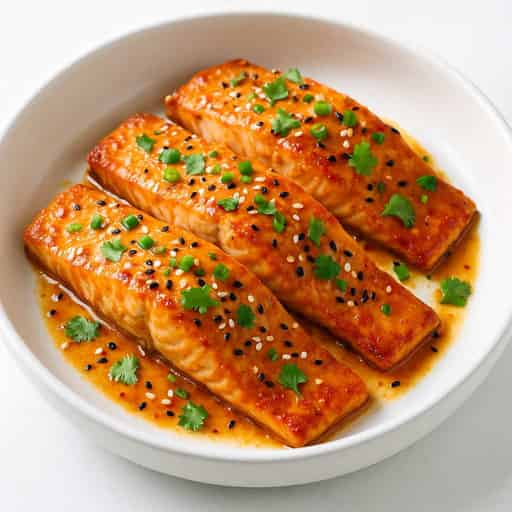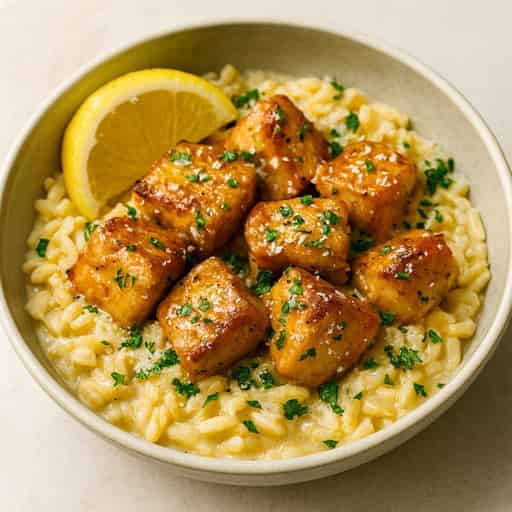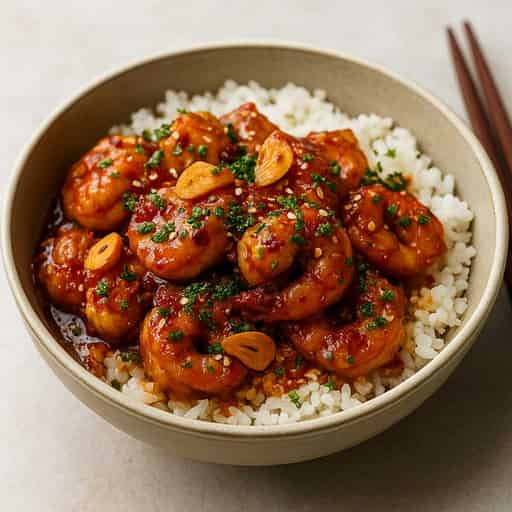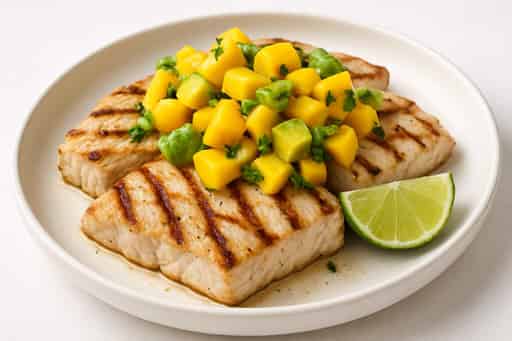
Grilled mahi-mahi topped with fresh mango avocado salsa, lime, and cilantro. This easy high-protein fish dinner is ready in about 30 minutes and works on an outdoor grill or grill pan.
Prep time
20 min
Cook time
10 min
Total time
30 min
Servings
4
Recipe Snapshot
DifficultyEasy
MealLunch / Dinner
Family FriendlyYes
Chef's Tips
Pat the fish dry before seasoning so it browns instead of steaming.
Add the avocado to the salsa last and fold gently so it keeps its shape.
Cook the fish until just opaque and flaky; mahi-mahi becomes dry when overcooked.
Tools Used
Shallow DishMixing Bowl(opens in a new tab)
We use affiliate links, which may earn us a small commission at no extra cost to you.
Ingredients
Ingredients
Servings
4 servings1×
Scale
Ingredient amounts update instantly.
Fish
Mango Avocado Salsa
To Serve
Instructions
Season the fish
- 1
Pat the mahi-mahi dry and brush both sides with the avocado oil.
- 2
Season evenly with the salt and black pepper, then leave at room temperature for 10 minutes while preparing the salsa.
Make the salsa
- 1
Combine the mango, lime juice, cilantro, Sriracha if using, salsa salt, and salsa pepper in a bowl.
- 2
Fold in the diced avocado gently and set aside. Do not make the salsa far in advance, or the lime will soften the avocado.
Grill the mahi-mahi
- 1
Heat a grill or grill pan to medium-high. Lightly oil the grates if needed.
- 2
Grill the fillets for 4 to 5 minutes per side, turning once, until just opaque in the centre and the thickest part reaches 63°C.
- 3
Transfer to plates and rest for 2 minutes.
Serve
- 1
Spoon the mango avocado salsa over the grilled mahi-mahi and serve with lime wedges.
Plan This Recipe
Save this recipe to one of your meal plans or browse your existing plans.
Learn More
Everything you want to know about this recipe.
Grilled Mahi-Mahi with Mango Avocado Salsa
Grilled Mahi-Mahi with Mango Avocado Salsa
This grilled mahi-mahi recipe pairs firm, mild fish with a fresh mango avocado salsa, lime, and cilantro. It is a fast high-protein dinner with enough bright acidity to keep the plate feeling light, whether you cook the fish outdoors or on a grill pan.
Why This Recipe Works
Why This Recipe Works
Mahi-mahi is firm enough to grill without falling apart, but it cooks quickly because the fillets are relatively lean. Brushing the fish with a small amount of oil protects the surface and helps it brown, while the fresh salsa adds moisture, sweetness, acidity, and creamy avocado without needing a heavy sauce.
Ingredient Notes
Ingredient Notes
Choose fillets of similar thickness so they finish at the same time. Fresh or responsibly sourced frozen mahi-mahi both work; thaw frozen fillets fully and pat them dry before seasoning.
Use a ripe but firm mango and avocado. Very soft fruit will break down when mixed, while fruit with a little structure gives the salsa a better contrast with the flaky fish. Sriracha is optional and can be left out for a milder plate.
How to Make Grilled Mahi-Mahi
How to Make Grilled Mahi-Mahi
Pat the fish dry, brush it with the measured oil, and season with salt and pepper. A short 10-minute rest is enough for the seasoning to cling; because there is no acidic marinade, the fish does not need a longer marination time.
Make the salsa before heating the grill. Mix the mango with the lime, cilantro, seasoning, and optional Sriracha first, then fold in the avocado at the end. This keeps the avocado pieces intact and prevents them from becoming mashed.
Grill the mahi-mahi over medium-high heat for about 4 to 5 minutes per side. The centre should be opaque and flake with gentle pressure, and the thickest part should reach 63°C. Rest the fish briefly before topping it with salsa.
Serving Ideas
Serving Ideas
Serve the fish with brown rice, quinoa, grilled corn, or warm whole-wheat tortillas. For a lighter plate, add steamed green beans or a simple cabbage slaw. Spoon the salsa over the fish just before eating so the fruit stays fresh.
Substitutions
Substitutions
Cod, haddock, halibut, or salmon can replace the mahi-mahi. Adjust the cooking time for thicker or thinner fillets and rely on the internal temperature and flaking cue rather than the clock alone. Parsley can replace cilantro if needed, although the flavour will be less vibrant.
Storage and Make-Ahead Notes
Storage and Make-Ahead Notes
Store cooked fish in the refrigerator for up to 2 days. Keep the salsa separate and use it within 1 day for the best avocado texture. Reheat the fish gently in a covered pan or microwave until warmed through; avoid high heat, which can dry it out. This recipe is not ideal for freezing once assembled because the avocado and mango salsa become watery after thawing.
Frequently Asked Questions
Frequently Asked Questions
Can I cook mahi-mahi in a grill pan?
Yes. Heat the grill pan until hot, lightly oil it, and cook the fish without moving it until it releases easily. Cook in batches if necessary so the pan stays hot.
How do I stop mahi-mahi from drying out?
Use fillets of even thickness, avoid cooking beyond 63°C, and rest the fish for only a few minutes before serving. A small amount of oil helps protect the surface, but overcooking is the main cause of dryness.
Can I make the mango avocado salsa ahead?
You can dice the mango, chop the cilantro, and mix the lime dressing in advance, but add the avocado shortly before serving. The completed salsa is best used the same day.
Nutrition Facts
Nutrition Facts
Serving Size: 1 fillet with salsa
Calories 33017%
% Reference Intake*
Total Fat 14g20%
Saturated Fat 2g10%
Trans Fat 0g
Cholesterol 75mg
Sodium 520mg
Total Carbohydrates 16g6%
Dietary Fiber 4g
Sugars 10g11%
Protein 34g68%
* Reference intakes are based on an average adult's 8,400 kJ / 2,000 kcal diet. Your needs may be higher or lower.
Community Reviews
See how other home cooks made this recipe, then share your own experience.
4.8
4 ratings
5
75%
4
25%
3
0%
2
0%
1
0%
How would you rate this recipe?
Share your experience and help others.
Daniel
· 16 Aug 2026A useful weeknight fish recipe. The lime wedges and avocado made it feel more substantial than plain grilled fish.
Leah
· 21 Feb 2026The salsa was fresh and easy. I left the Sriracha out for the children and added it at the table.
Marcus
· 17 Oct 2025I used a grill pan and the fish cooked in exactly ten minutes. Drying it first really helped with browning.
Nina
· 8 Jun 2025The mango and lime made the mahi-mahi taste bright without needing a heavy sauce.
Create Your Own Recipe
Add your personal creations and build your own recipe collection.