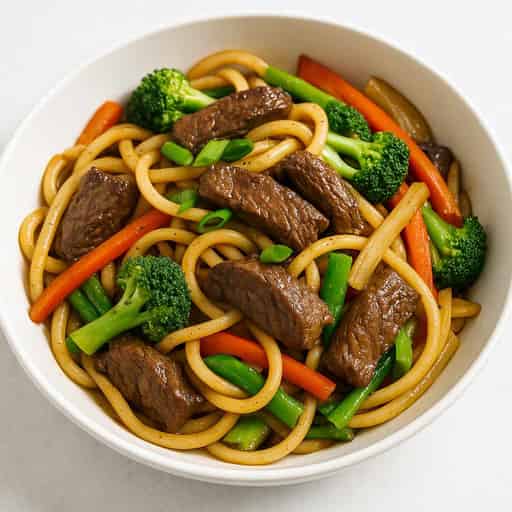
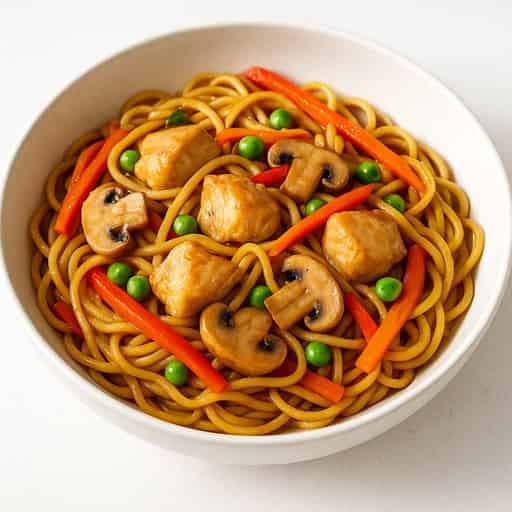
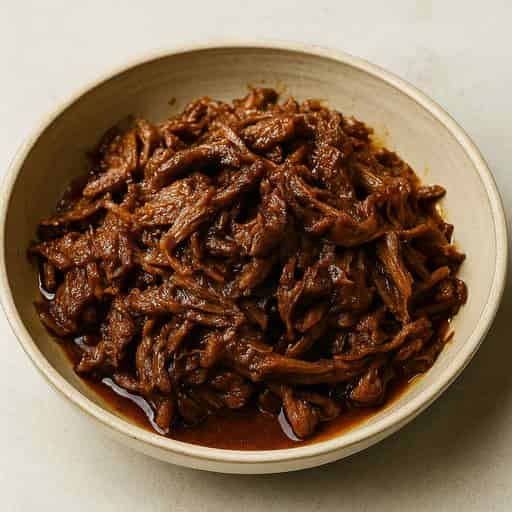
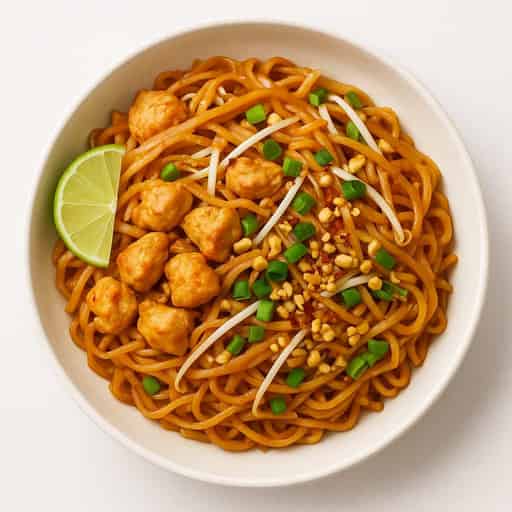
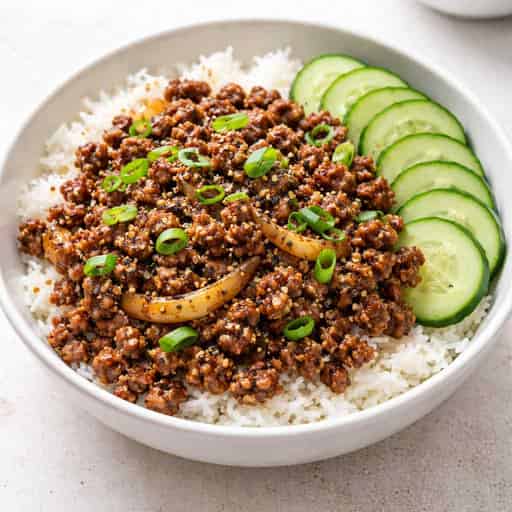
Beef yaki udon made with a short velvet-style marinade, a separate soy-oyster sauce, chewy udon noodles, and simple vegetables for an easy weeknight stir-fry.
Prep time
15 min
Cook time
12 min
Total time
27 min
Servings
4
Chef's Tips
Slice the beef thinly across the grain so it stays tender in the short stir-fry.
Loosen the udon well before adding it to the pan so the noodles separate quickly.
Mix the sauce before cooking because the noodles can overcook if you pause to measure mid-stir-fry.
If the pan looks dry once the noodles go in, add a splash of water rather than extra soy sauce.
Tools Used
Saucepan(opens in a new tab)Mixing Bowl(opens in a new tab)Small BowlTongs Or Spatula(opens in a new tab)Knife(opens in a new tab)Chopping Board(opens in a new tab)
We use affiliate links, which may earn us a small commission at no extra cost to you.
Ingredients
Ingredients
Servings
4 servings1×
Scale
Ingredient amounts update instantly.
Velvet The Beef
Yaki Udon Sauce
Udon And Vegetables
Instructions
Velvet the Beef
- 1
Toss the sliced beef with the soy sauce, rice wine, baking soda, and oil until evenly coated.
- 2
Let it sit for 10 to 15 minutes while you prepare the sauce, noodles, and vegetables.
Yaki Udon Sauce
- 1
In a small bowl, stir together the soy sauce, oyster sauce, optional dark soy sauce, mirin, rice wine, and water.
Udon and Vegetables
- 1
If using frozen udon, loosen it in hot water according to the packet, then drain well. If using fresh udon, separate the noodles so they are ready to go into the pan.
Stir-Fry
- 1
Heat a wok or large skillet over medium-high heat and add the neutral oil.
- 2
Add the beef in a single layer and stir-fry until just browned and nearly cooked through. Remove to a plate.
- 3
Add the onion, cabbage, and carrot, then stir-fry for 2 to 3 minutes until just tender.
- 4
Add the udon noodles and spring onions, tossing to separate the noodles through the vegetables.
- 5
Return the beef to the pan and pour in the yaki udon sauce.
- 6
Toss for 1 to 2 minutes until the noodles are glossy and everything is heated through.
- 7
Serve hot straight from the pan.
Plan This Recipe
Save this recipe to one of your meal plans or browse your existing plans.
Learn More
Everything you want to know about this recipe.
Beef Yaki Udon
Beef Yaki Udon
Beef yaki udon is a quick noodle stir-fry built around chewy udon, tender beef, and a savory sauce that clings to everything without feeling too heavy. This version follows the simplified method you have been using lately: a short velvet-style marinade for the beef, the sauce mixed separately, then a fast finish with noodles and vegetables in the pan.
That structure makes the recipe easier to control on a weeknight. The beef gets its tenderness from the brief marinade, the noodles do not sit around soaking up random seasonings, and the vegetables stay fresher because they are cooked only as long as they need.
Why This Recipe Works
Why This Recipe Works
Yaki udon should taste savory and glossy rather than soupy or greasy. Mixing the sauce first keeps that balance easier to hit, especially once the noodles and vegetables go into the pan together.
The short soy, rice wine, baking soda, and oil marinade also helps the beef stay tender without using a cornstarch coating. That is useful if you want a cleaner stainless steel or wok-friendly stir-fry process.
Ingredients Overview
Ingredients Overview
Udon noodles are the main texture here, so it is worth loosening them properly before they hit the pan. Fresh or frozen both work well.
The sauce uses soy sauce and oyster sauce for depth, with a little mirin and rice wine to round out the saltiness. Onion, cabbage, carrot, and spring onions keep the vegetable side simple and easy to source.
How to Make Beef Yaki Udon
How to Make Beef Yaki Udon
Start by marinating the beef briefly while you mix the sauce and get the udon ready. Once the pan is hot, brown the beef first and take it out so it does not overcook while the vegetables soften.
Cook the vegetables just until they lose their raw edge, then add the udon, return the beef, and pour in the sauce. A minute or two of tossing is usually enough for the noodles to turn glossy and properly seasoned.
Tips, Variations, and Storage
Tips, Variations, and Storage
If you want a little more sweetness, add a touch more mirin rather than extra soy sauce. If you want more heat, stir-fry a little sliced chili with the vegetables.
Leftovers keep well in the fridge for up to 2 days. Reheat in a hot pan with a small splash of water so the noodles loosen without drying out.
Serving & Goal Fit
Serving & Goal Fit
One serving is a quarter of the recipe. For a training day meal, you can add a piece of fruit on the side if you want a little more carbohydrate around activity. On a rest day, keep the portion as written or slightly reduce the noodles and add extra cabbage or mushrooms.
If you want to change the protein, chicken breast or firm tofu both fit this same marinade-and-sauce workflow. Vegetable swaps that work well here include broccoli, green beans, mushrooms, courgette, peas, or frozen mixed vegetables.
Nutrition Facts
Nutrition Facts
Serving Size: 1 portion
Calories 45623%
% Reference Intake*
Total Fat 14g20%
Saturated Fat 4.5g23%
Trans Fat 0g
Cholesterol 88mg
Sodium 980mg
Total Carbohydrates 42g16%
Dietary Fiber 3g
Sugars 6g7%
Protein 37g74%
* Reference intakes are based on an average adult's 8,400 kJ / 2,000 kcal diet. Your needs may be higher or lower.
FAQs
What cut of beef works best for beef yaki udon?
Sirloin, rump, or flank all work well as long as the beef is sliced thinly across the grain and cooked quickly.
Do I need to boil fresh udon noodles first?
Usually no. Fresh udon often only needs loosening before it goes into the pan, while frozen udon benefits from a quick dip in hot water.
Why use a short baking soda marinade for the beef?
It helps tenderize the beef for a fast stir-fry and lets the noodles stay cleaner in the pan because you are not relying on a starchy coating.
Community Reviews
See how other home cooks made this recipe, then share your own experience.
5.0
2 ratings
5
100%
4
0%
3
0%
2
0%
1
0%
How would you rate this recipe?
Share your experience and help others.
Marcus
· 1 Aug 2026I used sirloin and the short marinade kept it tender without needing any cornstarch. Very good texture.
Aileen
· 1 Aug 2026This was the exact sort of weeknight noodle recipe I wanted. The separate sauce made it much easier to get the seasoning right.
Create Your Own Recipe
Add your personal creations and build your own recipe collection.