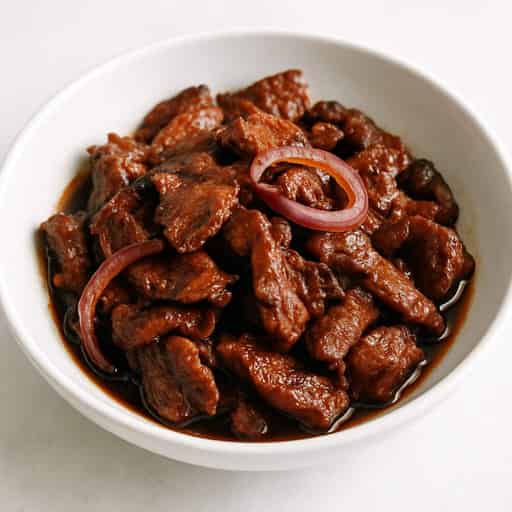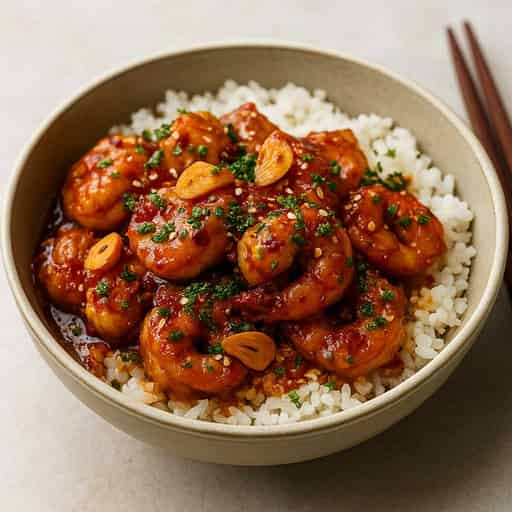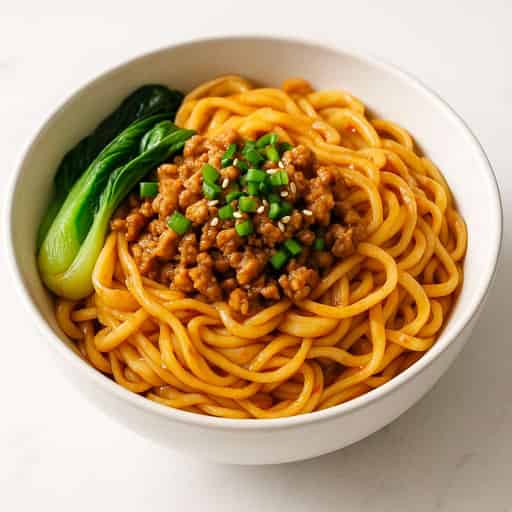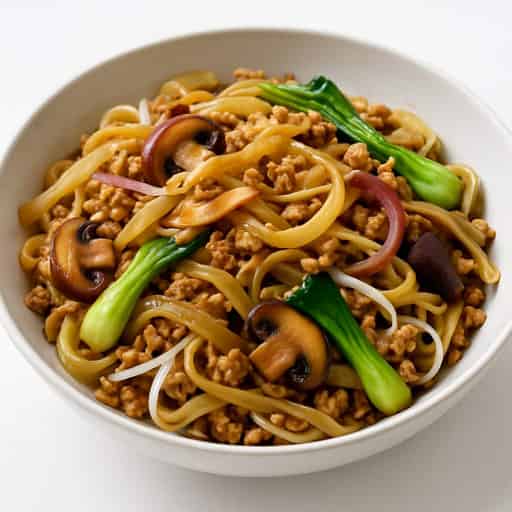
Cajun smothered pork chops simmer in a savoury tomato, onion, and pepper pan sauce for a hearty 30-minute skillet dinner.
Prep time
10 min
Cook time
20 min
Total time
30 min
Servings
4
Recipe Snapshot
DifficultyEasy
MealDinner
Family FriendlyYes
CuisineAmerican
Chef's Tips
Use pork chops of a similar thickness so they finish cooking at the same time.
Check the thickest chop at the end of the simmer; remove it as soon as it reaches 63°C (145°F), then let it rest in the sauce.
For a milder family-style dinner, remove the jalapeño seeds or replace the pepper with extra bell pepper.
Tools Used
We use affiliate links, which may earn us a small commission at no extra cost to you.
Ingredients
Ingredients
Servings
4 servings1×
Scale
Ingredient amounts update instantly.
Season The Pork
Make The Tomato Pan Sauce
Finish And Serve
Instructions
Season and Sear the Pork
- 1
Season the pork chops on both sides with the Cajun seasoning and salt.
- 2
Heat the olive oil in a large lidded skillet over medium-high heat. Sear the chops for 2–3 minutes per side, until browned, then transfer them to a plate. They will finish cooking in the sauce.
Build the Tomato Pan Sauce
- 1
Reduce the heat to medium. Add the onion and jalapeño to the skillet and cook for 3 minutes, scraping up the browned bits. Add the garlic and cook for 30 seconds.
- 2
Stir in the tomato paste and cook for 1 minute. Add the diced tomatoes with their juices, chicken stock, and Worcestershire sauce; bring the sauce to a gentle simmer.
Smother and Finish
- 1
Return the pork chops and any resting juices to the skillet, nestling them into the sauce. Cover and simmer gently for 6–8 minutes, turning once, until the thickest chop reaches 63°C (145°F).
- 2
Remove the skillet from the heat. Stir the lemon juice into the sauce, spoon it over the chops, and rest for 3 minutes. Scatter with parsley and serve hot.
Plan This Recipe
Save this recipe to one of your meal plans or browse your existing plans.
Learn More
Everything you want to know about this recipe.
Cajun Smothered Pork Chops with Tomatoes
Cajun Smothered Pork Chops with Tomatoes
These Cajun smothered pork chops turn a few familiar ingredients into a complete one-pan dinner in 30 minutes. The chops are browned first, then finished in a loose tomato, onion, jalapeño, and stock sauce. That sequence gives the sauce savoury browned bits from the pan while keeping the pork tender instead of overcooking it from the start.
The recipe uses a salt-free Cajun seasoning so you can control the final seasoning yourself. Canned tomatoes supply both body and acidity, while a small amount of Worcestershire sauce rounds out their sweetness. The result is saucy enough for rice or mashed potatoes, but not a heavy gravy.
Why the Pork Chops Stay Juicy
Why the Pork Chops Stay Juicy
Pork chops dry out when they spend too long over high heat. Sear them just until browned, move them out of the skillet, and build the sauce before they return. The covered simmer is deliberately gentle: it cooks the centre while the tomato sauce protects the surface from direct heat.
Use an instant-read thermometer if you have one. A pork chop is ready when the thickest part reaches 63°C (145°F), followed by a short rest. If the chops vary in thickness, check them individually and transfer any finished chop to a warm plate rather than waiting for the thickest one.
Make the Tomato Pan Sauce Work for You
Make the Tomato Pan Sauce Work for You
Cook the tomato paste for a minute before adding the tomatoes. This darkens its flavour and prevents the sauce from tasting raw. Scrape the skillet well after adding the onion; the browned residue is what makes a quick sauce taste more developed.
For a thicker sauce, simmer it uncovered for a minute or two after the pork is done. For a looser sauce to spoon over rice or polenta, add 2 to 3 tablespoons of stock at the finish. Keep the heat at a gentle bubble rather than a rapid boil so the tomatoes do not reduce before the pork is ready.
Serving Ideas for a Balanced Dinner
Serving Ideas for a Balanced Dinner
Serve each pork chop with tomato sauce, a generous vegetable side such as green beans, broccolini, or sautéed greens, and a modest serving of brown rice, mashed potatoes, or polenta. The vegetables add freshness against the rich, savoury sauce, while the starch catches every spoonful.
For a lower-starch meal, pair the chops with cauliflower mash and a crisp salad dressed with lemon. The recipe also works with crusty bread when you want a more relaxed, sauce-forward dinner.
Substitutions and Storage
Substitutions and Storage
Bone-in chops work well but may take a few minutes longer to cook; rely on the thermometer rather than the clock. If Worcestershire sauce is not available, use a teaspoon of soy sauce plus an extra squeeze of lemon at the end. Chicken stock keeps the sauce light, but vegetable stock works when that is what you have.
Store leftovers with the sauce for up to 3 days in the refrigerator. Reheat in a covered skillet over low heat with a splash of water or stock. Freezing is not recommended because the lean pork chops can lose their tender texture after thawing.
Nutrition Facts
Nutrition Facts
Serving Size: 1 pork chop with tomato pan sauce
Calories 28514%
% Reference Intake*
Total Fat 13g19%
Saturated Fat 3.5g18%
Trans Fat 0g
Cholesterol 90mg
Sodium 510mg
Total Carbohydrates 10g4%
Dietary Fiber 2g
Sugars 5g6%
Protein 34g68%
* Reference intakes are based on an average adult's 8,400 kJ / 2,000 kcal diet. Your needs may be higher or lower.
FAQs
How do I keep smothered pork chops from becoming dry?
Brown the chops quickly, then finish them at a gentle simmer rather than a hard boil. Start checking the thickest chop after 6 minutes and stop at 63°C (145°F); the short rest carries it safely through while keeping it juicy.
Can I use bone-in pork chops?
Yes. Choose chops about 2.5 cm (1 inch) thick, sear them as written, and allow a few extra minutes in the covered sauce. Check each chop with an instant-read thermometer because bone-in chops do not all finish at exactly the same time.
What should I serve with Cajun pork chops and tomatoes?
Spoon the sauce over brown rice, creamy mashed potatoes, polenta, or crusty bread. For a lighter plate, pair one chop with roasted green beans and a small portion of rice or potatoes.
Can I make the sauce less spicy?
Use a mild salt-free Cajun seasoning and seed the jalapeño, or omit it and add a little diced bell pepper instead. The tomato, onion, and Worcestershire sauce still make a deeply savoury pan sauce.
How should I store leftovers?
Refrigerate cooled pork chops and sauce in a sealed container for up to 3 days. Reheat gently in a covered skillet with a splash of stock or water until hot; avoid boiling, which can toughen the pork.
Community Reviews
See how other home cooks made this recipe, then share your own experience.
5.0
2 ratings
5
100%
4
0%
3
0%
2
0%
1
0%
How would you rate this recipe?
Share your experience and help others.
Jordan M.
· 21 Aug 2026I used thick boneless chops and checked them with a thermometer. They stayed juicy, and the sauce was excellent over rice.
Samantha
· 25 Apr 2025Loved the bold tomato sauce and the spice from the seasoning. It made an easy dinner.
Create Your Own Recipe
Add your personal creations and build your own recipe collection.