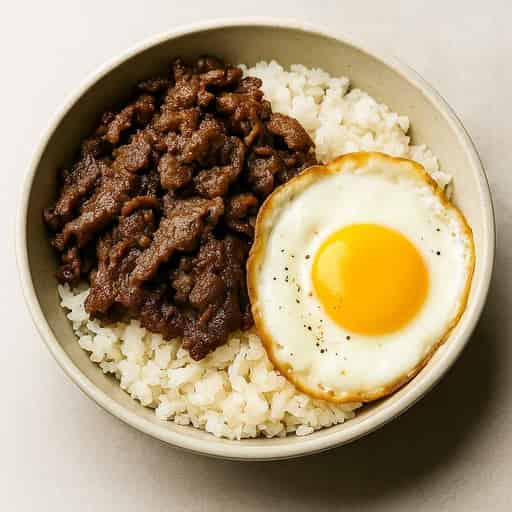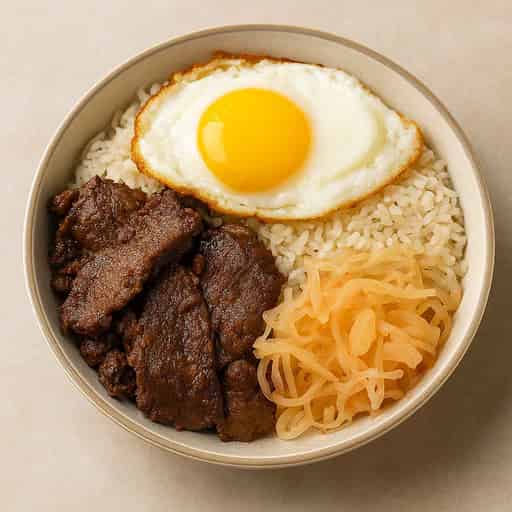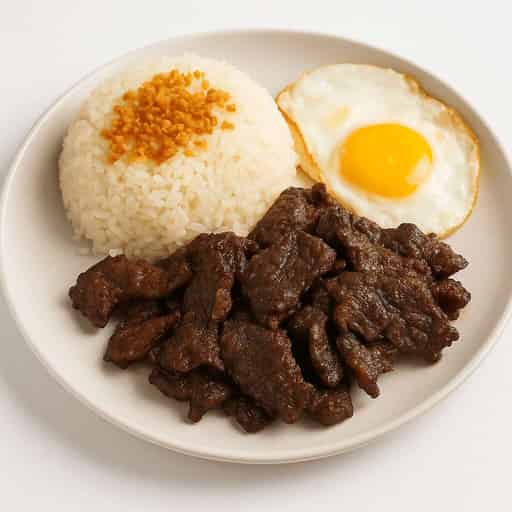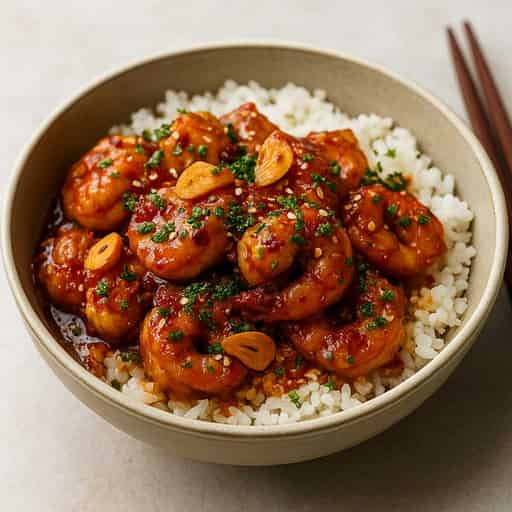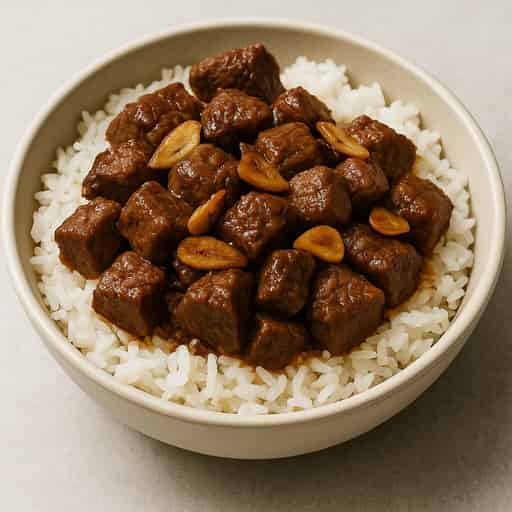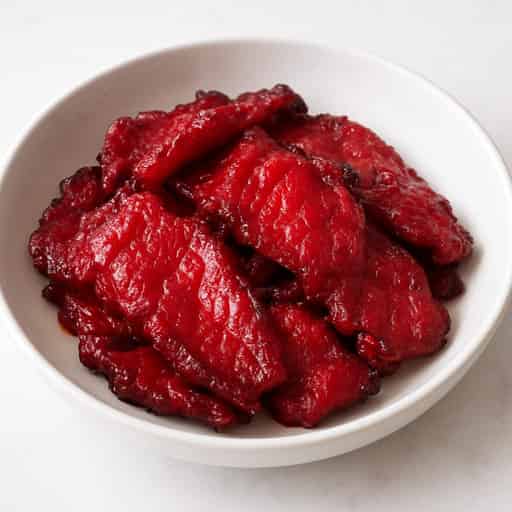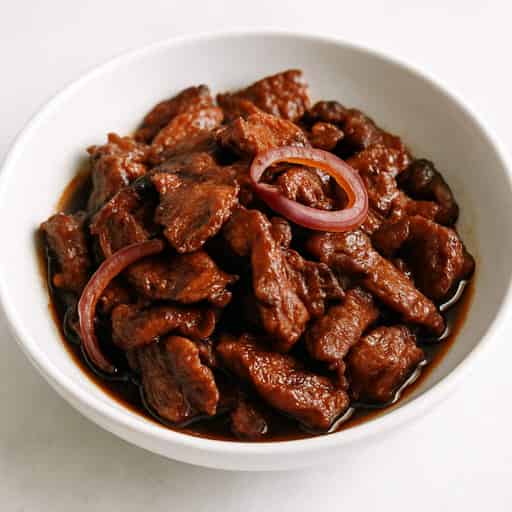
Filipino pork tapa recipe with thinly sliced pork shoulder, soy sauce, garlic, vinegar, and calamansi, pan-seared for a savory silog breakfast.
Prep time
10 min
Cook time
20 min
Total time
30 min
Servings
4
Recipe Snapshot
DifficultyEasy
MealBreakfast / Dinner
Meal PrepExcellent
Freezer FriendlyYes
Family FriendlyYes
CuisineFilipino
Chef's Tips
Slice the pork thinly so it cooks quickly and browns without turning tough.
Marinate overnight if you want deeper flavor and better caramelization.
Cook in batches if the pan gets crowded.
Tools Used
We use affiliate links, which may earn us a small commission at no extra cost to you.
Ingredients
Ingredients
Servings
4 servings1×
Scale
Ingredient amounts update instantly.
Pork Tapa Marinade
Instructions
Marinate the Pork
- 1
Combine pork shoulder, garlic, soy sauces, vinegar, black pepper, and calamansi juice in a bowl.
- 2
Mix until the pork is evenly coated. Marinate for at least 4 hours or, for deeper flavour, overnight in the refrigerator.
Cook the Tapa
- 1
Heat a wide frying pan over medium-high heat. Add the marinated pork in a single layer, working in batches if needed.
- 2
Cook for 3 to 5 minutes per batch, turning once or twice, until the pork is browned at the edges and the marinade has reduced to a light glaze. Add a splash of water only if the pan dries before the pork is cooked through.
Plan This Recipe
Save this recipe to one of your meal plans or browse your existing plans.
Learn More
Everything you want to know about this recipe.
Filipino Pork Tapa
Filipino Pork Tapa
Pork tapa is a Filipino marinated pork dish that is often served with garlic rice and a fried egg as pork tapsilog. This version uses pork shoulder, which stays tender and flavourful when sliced thinly and cooked quickly. The soy, garlic, vinegar, and calamansi marinade gives the pork savoury depth with a bright edge, while a short pan sear creates the lightly caramelised finish that makes tapa work so well with rice.
For a regional Batangas-style variation, see Tapang Taal. If you want the beef version of the breakfast plate, try Beef Tapa Tapsilog.
Why This Version Works
Why This Version Works
Pork shoulder has enough fat to stay forgiving in a hot pan, but it still needs thin, even slices. Slice it across the grain, then separate the slices as you mix in the marinade so each piece seasons evenly. Regular soy sauce provides the main seasoning, while dark soy sauce adds colour; neither needs a long list of extra ingredients to do its job.
The vinegar and calamansi keep the flavour from becoming one-note. They do not cook the pork in the same way as a strong acidic marinade, so four hours gives the seasoning time to settle in without making the surface mushy.
Choose The Right Pork Cut
Choose The Right Pork Cut
Pork shoulder is the most reliable choice for this method because its marbling protects the thin slices from drying out. Pork loin can work when sliced very thinly, but it needs close attention and should come out of the pan as soon as it loses its raw centre. Avoid thick chops or cubes: they need a different, slower cooking method and will not take on the characteristic quick-seared tapa texture.
How To Avoid Tough Or Watery Pork Tapa
How To Avoid Tough Or Watery Pork Tapa
Use a wide, properly heated pan and cook the pork in batches. Crowding the pan releases moisture faster than it can evaporate, so the meat steams instead of browning. Once the first side has colour, turn the slices only as needed and let the remaining marinade reduce into a thin glaze rather than a heavy sauce.
If the pan is getting dark before the pork is cooked, lower the heat slightly and add a tablespoon of water. That loosens the browned marinade without washing away the flavour. If the pork looks pale and watery, the pan was likely too crowded; finish that batch, wipe the pan if necessary, and cook the next one in a single layer.
Serve It As Pork Tapsilog
Serve It As Pork Tapsilog
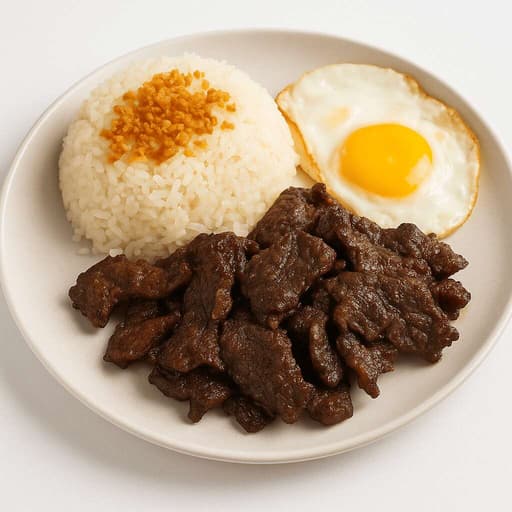
For a classic pork tapsilog plate, serve one portion of tapa with garlic fried rice, a fried egg, and something sharp such as sliced tomato, cucumber, atchara, or spiced vinegar. The egg yolk softens the savoury rice and pork, while the acidic side keeps the plate from feeling heavy.
Pork tapa also works as a dinner rice bowl. Add a generous vegetable side such as sautéed green beans, broccoli, spinach, mushrooms, or frozen mixed vegetables instead of making the meal entirely meat and rice.
Ingredient Notes
Ingredient Notes
If you do not have dark soy sauce, use regular soy sauce and expect a slightly lighter colour. The recipe already uses calamansi, but lemon juice is a suitable substitute when calamansi is unavailable.
Make-Ahead, Storage, And Freezing
Make-Ahead, Storage, And Freezing
Marinate the pork up to two days ahead in the refrigerator. To freeze, divide the raw pork and marinade into meal-sized portions, press out excess air, and freeze for up to two months. Thaw overnight in the refrigerator, then cook as directed; do not refreeze thawed raw pork.
Cooked tapa keeps for up to three days in the refrigerator. Reheat it briefly in a hot pan with a teaspoon of water so the glaze loosens without overcooking the pork.
Serving & Goal Fit
Serving & Goal Fit
One serving is about 150 g cooked pork tapa. For a balanced plate, pair it with about 150 g cooked rice, a fried egg if you are making tapsilog, and a generous vegetable side. On a training day, add 50 g cooked rice or a piece of fruit; on a rest day, reduce the rice by about 50 g.
For a different protein, use thinly sliced beef for a beef tapa-style plate or firm tofu for a plant-forward soy-garlic rice bowl. Broccoli, green beans, spinach, peas, mushrooms, onions, courgette, frozen mixed vegetables, and tenderstem broccoli all work as easy vegetable sides.
Nutrition Facts
Nutrition Facts
Serving Size: 1/4 recipe (about 150 g cooked tapa)
Calories 33017%
% Reference Intake*
Total Fat 22g31%
Saturated Fat 7g35%
Trans Fat 0g
Cholesterol 85mg
Sodium 950mg
Total Carbohydrates 5g2%
Dietary Fiber 0g
Sugars 2g2%
Protein 29g58%
* Reference intakes are based on an average adult's 8,400 kJ / 2,000 kcal diet. Your needs may be higher or lower.
FAQs
Can I use chicken or beef instead of pork for tapa?
Thinly sliced beef works well, but it makes a different tapa recipe and benefits from a shorter, hotter sear. Chicken can use the flavour profile, although it should be cooked through and is less traditional for tapa.
How long can I store marinated pork tapa in the fridge?
Keep it refrigerated for up to 2 days. For longer storage, freeze the pork in the marinade for up to 2 months, then thaw it overnight in the refrigerator before cooking.
Why is my tapa too salty?
Soy sauce salt levels vary. Next time, use a low-sodium soy sauce for one of the two soy sauces or shorten the marination to four hours. A small splash of water while the marinade reduces can also soften the seasoning.
What’s the best way to serve pork tapa?
Traditionally served as “Tapsilog” — tapa, sinangag (garlic fried rice), and itlog (fried egg). Add spicy vinegar dip or pickled papaya (atchara) for the classic Filipino touch.
Community Reviews
See how other home cooks made this recipe, then share your own experience.
4.7
6 ratings
5
67%
4
33%
3
0%
2
0%
1
0%
How would you rate this recipe?
Share your experience and help others.
Tom S.
· 6 Sept 2026Good tapa flavour and an easy method. My slices were a little thick, so I needed the full cooking time to get them browned and cooked through.
Claire D.
· 6 Mar 2026The thin slices cooked quickly and the edges caramelised nicely. I added a tablespoon of water when the pan got dry, just as suggested.
Joel A.
· 6 Aug 2025Four hours was enough for the pork to take on plenty of flavour. I served it with cucumber and vinegar on the side for a lighter breakfast plate.
Nina C.
· 6 Feb 2025I used lemon instead of calamansi and it still worked well. Next time I would use a little less dark soy because mine was quite salty.
Peter R.
· 6 Nov 2024Cooking the pork in batches helped it brown properly. The shoulder stayed juicy and the marinade reduced into a great glaze.
Mara L.
· 6 Apr 2024The calamansi and vinegar give the pork a lovely savoury tang. It was especially good with garlic rice and a fried egg.
Browse this topic
Filipino Breakfast Recipes
Filipino breakfast recipes with pork tapa, tapang Taal, tocino, longganisa, pandesal, and garlic rice, plus practical weekday prep ideas.
7 recipes • Updated 08/08/2026
Silog Breakfasts
Classic Filipino silog breakfasts—tapsilog, longsilog, and tocilog—perfect for busy mornings or weekend comfort meals. Includes rice, meats, and eggs.
6 recipes • Updated 27/09/2025

Tapsilog Recipes: Beef, Pork, Garlic Rice & Eggs
Tapsilog recipes with beef or pork tapa, garlic fried rice, and eggs, plus a guide to choosing a classic, quick, or more textured breakfast plate.
6 recipes • Updated 06/09/2026
Create Your Own Recipe
Add your personal creations and build your own recipe collection.