26 November 2026
Puto Bigas (Filipino Steamed Rice Cakes)
RecipeShare Test Kitchen
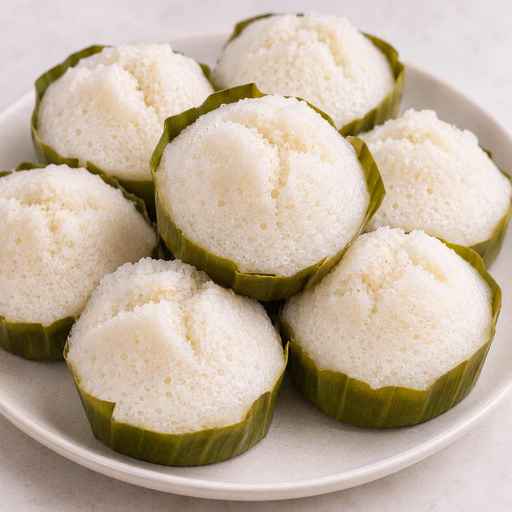
Make tender puto bigas from soaked regular rice, coconut cream, and a gentle steam. Includes clear blending, resting, and fluffy rice-cake troubleshooting.
Prep time
2 hr 30 min
Cook time
40 min
Total time
3 hr 10 min
Servings
20
Recipe Snapshot
DifficultyMedium
MealBreakfast / Snack / Dessert
Family FriendlyYes
CuisineFilipino
Chef's Tips
Use regular white rice, not glutinous rice. Glutinous rice produces a much stickier, mochi-like texture that this batter is not designed to use.
Blend the soaked rice until the batter feels smooth between two fingers; a gritty batter will steam into a coarse-textured puto.
Keep the steamer at a steady medium boil. Very aggressive steam can crack the tops, while a weak simmer can leave the centres gummy.
Tools Used
We use affiliate links, which may earn us a small commission at no extra cost to you.
Ingredients
Ingredients
Servings
20 servings1×
Scale
Ingredient amounts update instantly.
Soak The Rice
Puto Bigas Batter
Prepare The Moulds
Instructions
Soak and Blend the Rice
- 1
Rinse the 370 g regular white rice until the water is mostly clear. Cover it with the 1000 ml cold water and leave for at least 2 hours. Drain very well; the blending water is added separately.
- 2
Blend the soaked rice with the 625 ml water until completely smooth. The batter should pour in a steady ribbon, thicker than milk but thinner than pancake batter.
Rest and Finish the Batter
- 1
Transfer the blended rice batter to a bowl. Stir in the 240 ml coconut cream and 200 g white sugar until the sugar is dissolved, then cover and rest for 30 minutes.
- 2
Just before steaming, sift in the 4 g baking powder and whisk in the 1 g fine sea salt until smooth when steaming all the moulds at once. For batches, divide the rested batter first, then whisk the appropriate share into each portion immediately before steaming.
Fill and Steam the Puto
- 1
Line small 100 ml puto moulds with banana leaves, or lightly grease them with the 5 ml neutral oil. Fill each mould about three-quarters full with the plain batter.
- 2
Add 3 to 5 cm water to a steamer, keeping the rack above the water. Bring it to a steady medium boil before adding the moulds. Leave space between moulds so steam can circulate.
- 3
If using a metal lid, wrap it in a clean kitchen towel and secure it on top so it cannot hang near a flame or heating element. This catches condensation before it drips onto the puto.
- 4
Steam for 16 to 20 minutes. Avoid opening the lid during the first 15 minutes. The tops should look dry and set, spring back gently, and a skewer inserted in the centre should come out without wet batter.
- 5
Steam in batches if needed, keeping unsteamed batter covered until its turn in the steamer.
Cool and Unmould
- 1
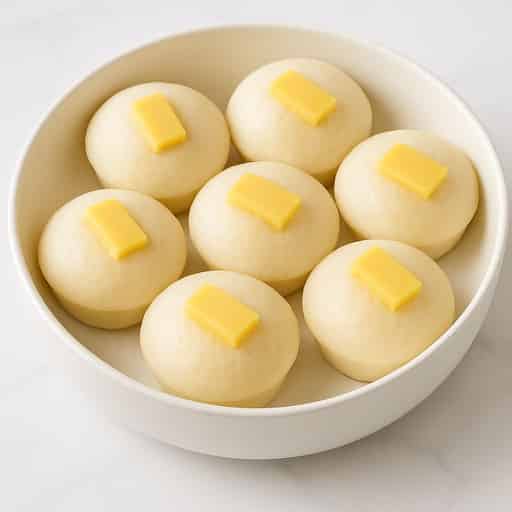
Rest the puto in the moulds for 5 minutes, until warm rather than piping hot. Lift out the banana leaf lining or loosen the edge gently, then serve warm or at room temperature.
Plan This Recipe
Save this recipe to one of your meal plans or browse your existing plans.
Learn More
Everything you want to know about this recipe.
Puto Bigas (Filipino Steamed Rice Cakes)
Puto Bigas (Filipino Steamed Rice Cakes)
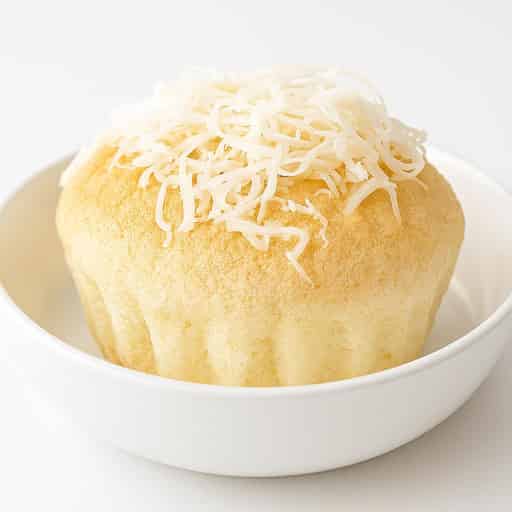
Puto bigas, also called putong bigas, is a Filipino steamed rice cake made by blending soaked regular rice into a smooth batter. Coconut cream adds a gentle richness, while a short rest and fresh baking powder give the finished cakes a tender, light rise. This is a traditional soaked-rice method, not a shortcut rice-flour version.
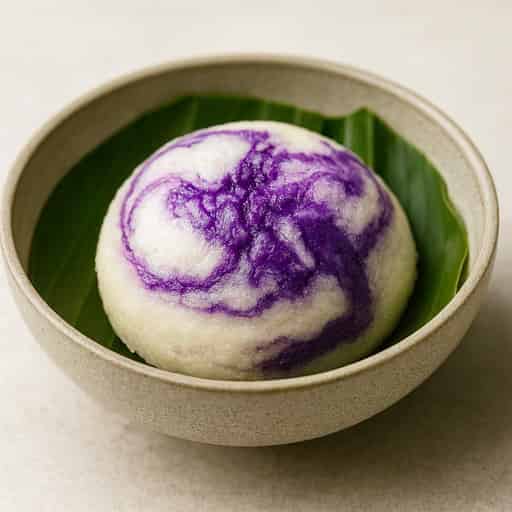
For the purple variation of this same rice-cake style, see Ube Marble Puto Bigas. For a quicker flour-based alternative, Fluffy Filipino Puto is designed for a different batter and timeline.
Puto Bigas vs Flour-Based Puto
Puto Bigas vs Flour-Based Puto
Both styles are steamed Filipino cakes, but their starting point changes the texture and method. Flour-based puto is mixed from prepared flour and is useful when speed is the priority. Puto bigas begins with regular raw rice that is soaked, drained, and blended. The resulting cakes have a more delicate rice flavour and a soft, gently springy chew.
Do not swap the regular rice for glutinous or sweet rice. Glutinous rice has a different starch profile and makes the centre sticky and mochi-like rather than tender and light. It also does not behave the same way with this amount of water, coconut cream, and baking powder.
Why Soaked Rice Makes Better Puto Bigas
Why Soaked Rice Makes Better Puto Bigas
Soaking softens the rice thoroughly so a blender can turn it into a fine batter without grit. Rinse first, soak for the full two hours, then drain well before adding the measured blending water. The soak water is not part of the batter; draining prevents an overly loose mixture that can leave the centres gummy.
Blend until the batter feels smooth when rubbed between clean fingers. If it is grainy, keep blending before adding coconut cream and sugar. A fine batter is the foundation for a tender rice cake; steaming cannot correct coarse rice once the moulds are filled.
How to Make Puto Bigas Fluffy
How to Make Puto Bigas Fluffy
Rest the blended batter after stirring in the coconut cream and sugar. This brief pause helps the rice particles hydrate evenly and gives the batter time to settle. Sift in fresh baking powder only just before steaming, then work promptly: the leavening needs a fully heated steamer to create a light rise.
Keep the steamer at a steady medium boil. A weak simmer can leave the middle gummy, while fiercely boiling water can crack the tops. Preheat it before the moulds go in, leave space around each mould, and resist opening the lid during the first 15 minutes. Opening too early loses steam just as the cakes are setting and can make them dense.
Puto Bigas Troubleshooting
Puto Bigas Troubleshooting
Grainy batter: The rice was not blended long enough. Blend until the batter is smooth to the touch before adding the coconut cream and sugar.
Gummy centres: Check that the moulds are not overfilled or unusually deep, that the steamer is at a medium boil, and that the lid did not drip water into the batter. Continue steaming until a skewer has no wet batter.
Dense cakes: Use fresh baking powder, add it immediately before steaming, and make sure the steamer is fully heated. Batter held too long after the baking powder is mixed loses some of its lift.
Cracked tops: Steam that is too forceful can split the surface. Reduce the heat slightly while keeping a visible, steady boil below the rack.
Wet tops: Clear droplets on an otherwise set cake are usually condensation, not raw batter. Safely wrap and secure a metal steamer lid with a clean towel so the towel cannot approach a flame or heating element.
Serving, Storage, and Reheating
Serving, Storage, and Reheating
Let the cakes rest in their moulds for five minutes before unmoulding so their edges hold cleanly. Serve warm or at room temperature for breakfast, merienda, or a light dessert. Explore more steamed Filipino treats in the Kakanin Recipes collection.
Puto bigas is at its softest on the day it is steamed. Keep completely cooled cakes airtight at room temperature for the day, or refrigerate for up to two days. Re-steam chilled cakes for 3 to 5 minutes, or microwave them briefly under a damp paper towel. For longer storage, freeze individually wrapped cakes for up to one month, then warm gently after thawing.
Portion Guidance for Goals
Portion Guidance for Goals
One puto is a practical snack or small dessert portion. The rice, sugar, and coconut cream make it best enjoyed as part of a planned merienda rather than a protein-focused snack.
When to Eat
When to Eat
Serve puto bigas warm for breakfast, afternoon merienda, or a simple dessert. It is especially useful when you want a make-ahead Filipino rice cake that can be refreshed with a brief re-steam.
Balance Tip
Balance Tip
Pair a puto with unsweetened tea, coffee, or fruit. For a more substantial snack, add a protein-rich food on the side rather than turning the rice cake into a larger dessert portion.
Nutrition Facts
Nutrition Facts
Serving Size: 1 puto (about 70 g)
Calories 1508%
% Reference Intake*
Total Fat 4g6%
Saturated Fat 3g15%
Trans Fat 0g
Cholesterol 0mg
Sodium 45mg
Total Carbohydrates 28g11%
Dietary Fiber 1g
Sugars 9g10%
Protein 2g4%
* Reference intakes are based on an average adult's 8,400 kJ / 2,000 kcal diet. Your needs may be higher or lower.
FAQs
Can I use coconut milk instead of coconut cream?
Yes, but coconut milk is thinner and produces a slightly lighter, less rich cake. Use full-fat coconut milk and keep the same volume; do not use sweetened coconut drink.
Can I steam puto bigas without traditional moulds?
Yes. Use heat-safe silicone muffin cups, small ramekins, or heat-safe teacups. Fill them only three-quarters full and adjust the steaming time if they are deeper than the 100 ml moulds used here.
How do I know when puto bigas is done?
The tops should look dry and set, spring back gently when touched, and a skewer inserted in the centre should come out without wet batter. Clear droplets on an otherwise set top are usually lid condensation.
Can I freeze puto bigas?
Yes. Cool the cakes completely, wrap them individually, and freeze for up to 1 month. Re-steam from thawed or gently microwaved cakes until warm; this restores more softness than serving them cold.
Community Reviews
See how other home cooks made this recipe, then share your own experience.
—
0 ratings
5
0%
4
0%
3
0%
2
0%
1
0%
How would you rate this recipe?
Share your experience and help others.
Browse this topic
Create Your Own Recipe
Add your personal creations and build your own recipe collection.