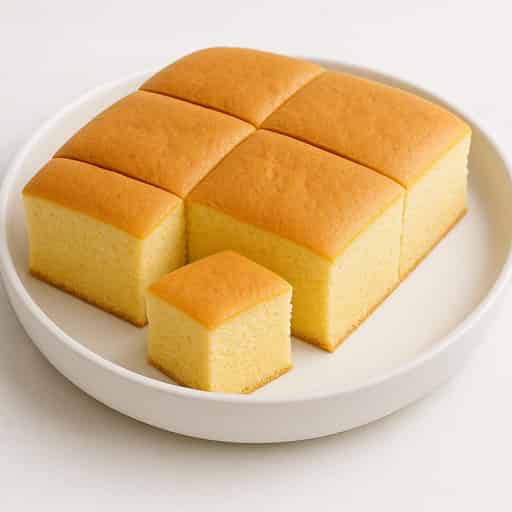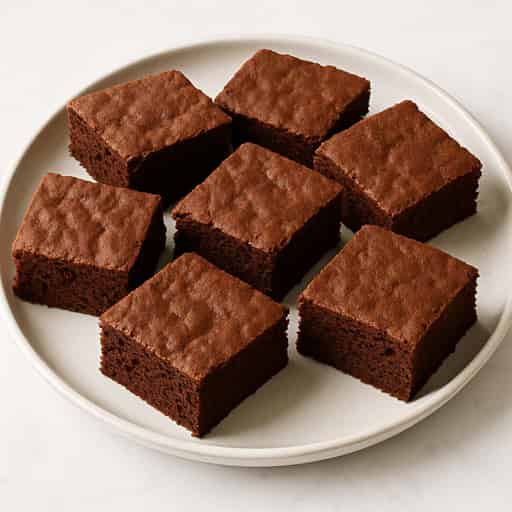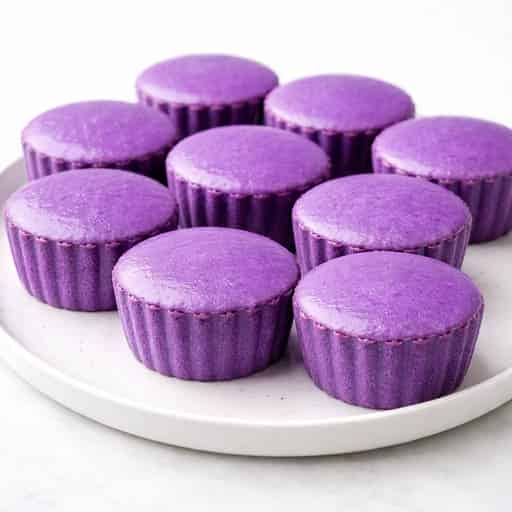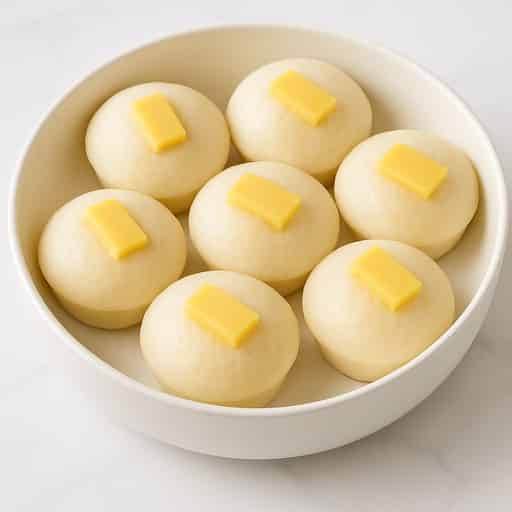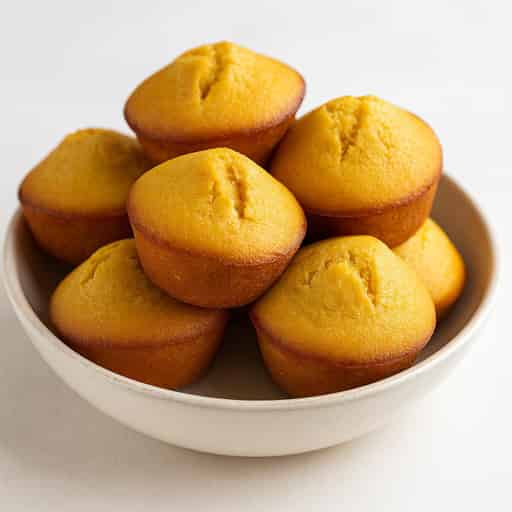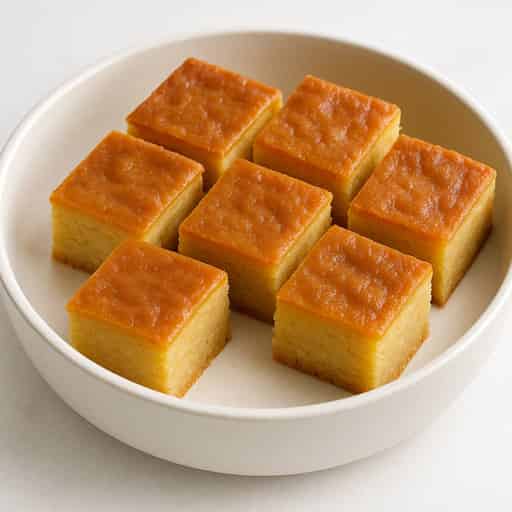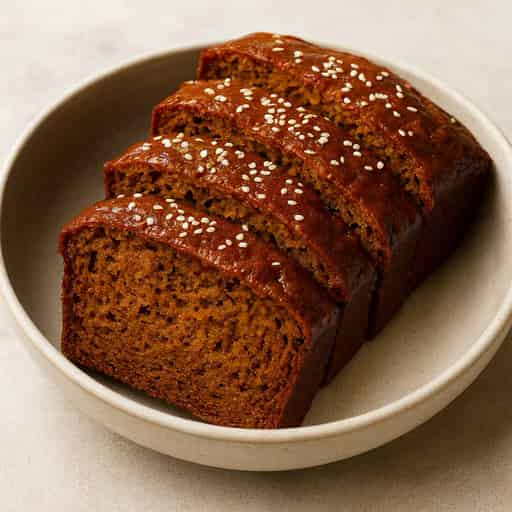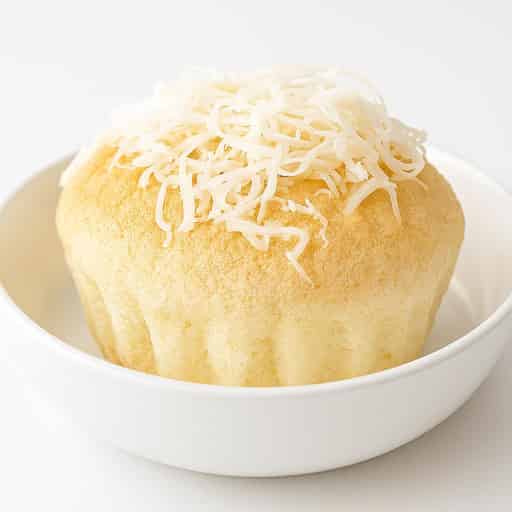
Make soft Filipino mamon at home: light individual sponge cakes made with a yolk batter and folded meringue, then finished with optional butter, sugar, or grated cheese.
Prep time
20 min
Cook time
30 min
Total time
50 min
Servings
10
Recipe Snapshot
DifficultyMedium
MealBreakfast / Snack
Meal PrepExcellent
Freezer FriendlyYes
Family FriendlyYes
CuisineFilipino
Chef's Tips
Use a clean, dry bowl for the egg whites. Even a trace of yolk or grease can reduce their volume and make the meringue less stable.
Stop whipping at medium-stiff peaks: the meringue should look glossy, hold a peak, and bend slightly at the tip rather than appearing dry or clumpy.
Divide the batter between 10 ungreased 4-inch mamon molds, filling each roughly two-thirds full. Bake immediately after folding.
The cakes are done when lightly golden, springy to a gentle touch, and a tester comes out clean or with a few dry crumbs.
Tools Used
Whisk(opens in a new tab)Fine-mesh Sieve(opens in a new tab)Silicone Spatula(opens in a new tab)Cooling Rack(opens in a new tab)Oven
We use affiliate links, which may earn us a small commission at no extra cost to you.
Tin & Mould
10 x 4-inch mamon molds
10 cm diameter
Ingredients
Ingredients
Servings
10 servings1×
Scale
Ingredient amounts update instantly.
Yolk Batter
Meringue
Optional Finish
Instructions
Prepare the Molds and Yolk Batter
- 1
Heat the oven to 160C conventional / 140C fan (320F). Place 10 ungreased 4-inch mamon molds on a baking tray. Do not use paper liners; the batter needs the mold sides to climb as it rises.
- 2
Sift the cake flour, 50 g sugar, baking powder, and salt together three times into a bowl. This follows the recorded formula and distributes the leavening evenly through the low-protein flour.
- 3
In a second bowl, whisk the yolks, milk, and corn oil until smooth. Add the dry ingredients and whisk only until no dry streaks remain.
Whip the Meringue
- 1
In a clean, dry bowl, beat the egg whites and cream of tartar until foamy. Add the remaining 60 g sugar gradually while mixing on medium speed.
- 2
Continue until the meringue is glossy and at medium-stiff peaks: a peak should hold its shape with a slight bend at the tip. Stop before it becomes dry, grainy, or clumped.
Fold and Bake
- 1
Fold about one-third of the meringue into the yolk batter to lighten it. Fold in the rest in two additions with a spatula: cut through the centre, sweep the bottom, turn the batter over, and rotate the bowl.
- 2
Stop as soon as no obvious white streaks remain. The finished batter should look light, aerated, and flowing rather than watery. Divide it between the molds, filling each about two-thirds full.
- 3
Bake immediately for 25 to 30 minutes, until the tops are lightly golden and spring back gently. Transfer the cakes to a cooling rack as soon as they are cool enough to handle.
Finish and Serve
- 1
While the cakes are still warm, brush with melted butter and finish with grated mild cheddar or sugar if desired. Cool completely before wrapping or storing.
Plan This Recipe
Save this recipe to one of your meal plans or browse your existing plans.
Learn More
Everything you want to know about this recipe.
Easy Mamon: Filipino Sponge Cake
Easy Mamon: Filipino Sponge Cake
Mamon is a soft Filipino sponge cake traditionally baked as an individual cake in a fluted mold. It has a light, airy, fine crumb and is a familiar merienda or coffee-time bake. Although some people search for mamon bread, this is a sponge cake, not a yeast-leavened bread.
This version uses a yolk batter folded with meringue, then bakes in ungreased mamon molds. The result is a tender, gently sweet cake that can be left plain or finished while warm with butter and either sugar or grated mild cheddar.
What Makes Mamon Light?
Mamon belongs to the light sponge and chiffon family, but its individual shape and bakery-style finish give it a distinct identity. Here, the egg whites carry much of the lift, while cake flour keeps the crumb fine and tender. The small amount of baking powder supports the rise, but it cannot replace a properly whipped and carefully folded meringue.
Oil helps the cakes stay soft once cool. It behaves differently from butter in the batter: it stays fluid at room temperature, while the optional butter brushing is used for flavour after baking. Keep the two roles separate rather than swapping them casually.
Meringue and Folding Technique
Room-temperature whites usually whip more readily, but a clean, grease-free bowl matters more. Add the meringue sugar gradually after the whites become foamy, then stop at glossy medium-stiff peaks. A dry, overwhipped meringue is harder to fold in evenly and can leave dense patches or large air tunnels.
Use the first portion of meringue to loosen the yolk batter. Then fold the rest gently with a spatula, reaching right to the bottom of the bowl. Stop once the batter is uniform and no visible white streaks remain. Folding longer for a perfectly smooth look removes the air that gives Mamon its lift.
Mamon Molds and Alternatives
The published formula is for 10 ungreased 4-inch mamon molds. Ungreased sides help this chiffon-style batter climb, so paper liners will produce a different, usually shorter shape. Fill each mold about two-thirds full and bake the batter as soon as it is portioned.
A large muffin tin or loaf pan can bake the batter, but neither is a direct replacement for a mamon mold. The shape, rise, and baking time will differ; follow the same fill level, start checking earlier for smaller cavities, and use the doneness cues rather than the full stated time alone.
Mamon, Kababayan, and Pianono
Mamon and Kababayan are both Filipino bakery favourites, but their texture and method differ. Mamon is a light, meringue-lifted individual sponge cake. Kababayan is a fuller, more muffin-like cake with the characteristic domed, salakot-like top.
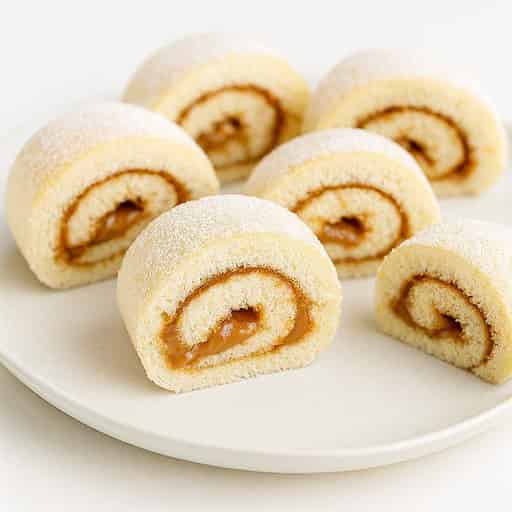
Pianono also uses a light sponge-style batter, but it is baked in a sheet and rolled around a filling. Mamon stays focused on the individual cake: airy, tender, and ready for a simple butter, sugar, or cheese finish. For more related bakes, see the Filipino baking collection.
Mamon Troubleshooting
Dense Mamon: The whites may have been under-whipped, over-whipped, or deflated during folding. Use fresh baking powder, weigh the flour, fold gently, and get the filled molds into the preheated oven promptly.
Dry Mamon: Overbaking is the most likely cause, especially in smaller molds. Start checking at 25 minutes and remove the cakes once they spring back and a tester is clean. Measuring flour in grams also avoids an overly heavy batter.
Collapsed Mamon: A slight settling is possible in a delicate sponge, but a large collapse usually means underbaking, an oven that was not fully preheated, or a meringue that lost too much air. Avoid opening the oven early and do not overfill the molds.
Large holes or tunnels: These can come from dry meringue, incomplete folding, or aggressively stirring after the whites are added. Fold in a steady cut-and-turn motion, then tap the filled tray only once or twice to release any obvious large surface bubbles.
Serving and Storage
Serve Mamon with coffee, tea, or hot chocolate for merienda, breakfast, or a small afternoon snack. It is at its softest on baking day. Once completely cool, keep the cakes airtight at room temperature for up to 2 days; avoid refrigeration unless necessary, as it firms the crumb.
For longer storage, wrap plain cakes individually and freeze for up to one month. Thaw them covered at room temperature. A few seconds in the microwave can soften a day-old cake; add any butter, sugar, or cheese finish after warming when possible.
Nutrition Facts
Nutrition Facts
Serving Size: 1 plain mamon (about 60 g, without optional toppings)
Calories 1709%
% Reference Intake*
Total Fat 8g11%
Saturated Fat 1.5g8%
Trans Fat 0g
Cholesterol 75mg
Sodium 95mg
Total Carbohydrates 21g8%
Dietary Fiber 0.3g
Sugars 12g13%
Protein 4g8%
* Reference intakes are based on an average adult's 8,400 kJ / 2,000 kcal diet. Your needs may be higher or lower.
Community Reviews
See how other home cooks made this recipe, then share your own experience.
5.0
8 ratings
5
100%
4
0%
3
0%
2
0%
1
0%
How would you rate this recipe?
Share your experience and help others.
Paolo R.
· 29 Aug 2026I froze a few plain cakes, then warmed them briefly and added butter before serving. They were still tender and made an easy merienda.
Maja
· 17 Apr 2026Mine used to turn dense, but folding the meringue in three additions made a real difference. The instructions were easy to follow.
Ben Santos
· 22 Jan 2026I used the cheese finish and baked these in individual fluted molds. They had the light crumb and buttery top I was looking for.
Nica P.
· 4 Oct 2025The medium-stiff peak description helped me stop at the right time. My mamon rose evenly and stayed soft the next day.
Liza
· 15 Jul 2025My kids said these were softer than bakery mamon. Will repeat!
Josh
· 12 Mar 2025Wrapped mine in cello with butter topping—perfect for selling!
Carla Mae
· 10 Feb 2025Finally achieved the chiffon texture I wanted. Salamat Chef!
Mark L.
· 10 Sept 2024Tried in a loaf pan with cheese topping—family devoured it.
Anna Reyes
· 10 Aug 2024I followed your tips on sifting and folding—super fluffy!
Browse this topic
Filipino Home Bakes for Merienda & Celebrations
Filipino home-baking recipes for merienda and celebrations, including cassava cake, mamon, polvoron, brazo de Mercedes, pianono, and more.
8 recipes • Updated 09/08/2026
Filipino Merienda Sweets: Donuts, Bars, and Crinkles
Filipino merienda sweets including donuts, revel bars, ube bars, crinkles, and other bake-sale friendly treats with practical storage and texture tips.
20 recipes • Updated 18/09/2025
Create Your Own Recipe
Add your personal creations and build your own recipe collection.