Japanese strawberry fruit sandwiches pair soft milk bread, lightly sweetened whipped cream, and whole berries for a chilled no-bake dessert.
Prep time
15 min
Cook time
Total time
45 min
Servings
2
Recipe Snapshot
DifficultyEasy
MealSnack / Dessert
Family FriendlyYes
CuisineJapanese
Chef's Tips
Dry the strawberries thoroughly; surface moisture makes the cream slip and the bread soften.
Spread a thin layer of cream on both bread slices so the berries are cushioned and the sandwich seals neatly.
Chill the wrapped sandwiches seam-side down before slicing with a hot, dry knife.
Tools Used
Hand Mixer(opens in a new tab)Mixing Bowl(opens in a new tab)Chef's Knife(opens in a new tab)Plastic Wrap
We use affiliate links, which may earn us a small commission at no extra cost to you.
Ingredients
Ingredients
Servings
2 servings1×
Scale
Ingredient amounts update instantly.
Whip The Cream
Build The Fruit Sandwiches
Instructions
Whip the Cream
- 1
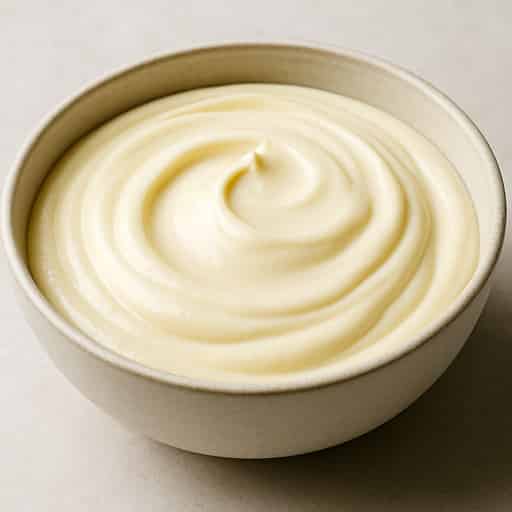
Chill a mixing bowl and beaters for a few minutes if your kitchen is warm. Whip the cold cream, icing sugar, and vanilla to medium peaks: the cream should hold a curved peak but still look smooth and spreadable.
Build the Fruit Sandwiches
- 1
Lay out the bread and spread a thin layer of cream over all four slices. Arrange 4 strawberries in a close square on each of two slices so the cut will reveal fruit in every half.
- 2
Cover the berries with the remaining cream, filling the gaps around them without crushing the fruit. Top with the remaining bread, cream-side down, and press very gently to level the sandwiches.
Chill, Slice, and Serve
- 1
Wrap each sandwich snugly in plastic wrap and chill seam-side down for 30 minutes, until the cream is firm enough to slice cleanly.
- 2
Unwrap and use a sharp knife warmed under hot water and dried well. Trim the edges if desired, then cut each sandwich diagonally or straight through the berries. Wipe the knife between cuts and serve chilled.
Plan This Recipe
Save this recipe to one of your meal plans or browse your existing plans.
Learn More
Everything you want to know about this recipe.
Japanese Strawberry Fruit Sandwich
Japanese Strawberry Fruit Sandwich
Japanese strawberry fruit sandwiches, often called fruit sando, pair soft shokupan-style milk bread with lightly sweetened whipped cream and fresh fruit. The appeal is simple: the bread stays tender, the cream is cool and delicate, and a careful arrangement of whole strawberries creates a striking cross-section when the sandwich is cut.
This version makes two generously filled strawberry sandwiches. It is a no-bake dessert or afternoon snack rather than an everyday sandwich, and it is best served cold on the day it is assembled.
The Three Details That Make Fruit Sando Work
The Three Details That Make Fruit Sando Work
Start with very cold cream and whip it only to medium peaks. At that stage it holds the berries in place but remains smooth enough to spread around them. Stiffly whipped cream becomes harder to level and can split as you press the bread together.
Next, dry the strawberries thoroughly after hulling. Water on the fruit thins the cream and softens the bread. Choose small to medium berries with a similar height so the two sandwiches sit level and their centres set evenly in the refrigerator.
Finally, use soft white milk bread. Shokupan is the traditional choice, but a fresh, unseeded sandwich loaf works if shokupan is unavailable. Remove the crusts after the bread has been sliced, keeping the square shape that helps the fruit show cleanly at the cut edge.
How to Arrange Strawberries for Clean Slices
How to Arrange Strawberries for Clean Slices
Place four strawberries in a close square, pointed ends facing the same direction, on each base slice. The surrounding cream should fill the gaps without burying the shape completely. This arrangement gives both halves of each sandwich a visible berry when cut diagonally or straight through the centre.
Do not press hard once the top slice is in place. A light, even pressure is enough to make contact with the cream; heavy pressure squeezes cream outward and flattens the fruit. Wrap each sandwich snugly and chill it seam-side down so the filling settles into an even layer.
Slicing and Serving
Slicing and Serving
After 30 minutes of chilling, use a sharp knife warmed under hot water and dried completely. The warm blade moves through the cream cleanly, while wiping it between cuts keeps berry juices from smearing the white filling. Trim the edges only if you want especially neat squares; the trimmings are still delicious.
Serve fruit sando cold for afternoon tea, a picnic dessert, or a small treat after lunch. One sandwich is a rich serving because whipped cream is the main filling. Pair it with unsweetened tea or coffee, or share one sandwich alongside fresh fruit if you prefer a lighter dessert portion.
Fruit Swaps and Storage
Fruit Swaps and Storage
Firm mango, seedless grapes, kiwi, and well-drained mandarin segments can replace the strawberries. Avoid very juicy fruit, soft banana, or fruit packed in syrup unless it is dried carefully; excess liquid makes the sandwich soggy.
The sandwiches can be assembled up to 4 hours in advance, wrapped tightly, and kept refrigerated. Do not freeze them: the bread and strawberries lose their best texture after thawing. If making them for a gathering, prepare the fruit and whip the cream shortly before assembling, then slice just before serving.
Nutrition Facts
Nutrition Facts
Serving Size: 1 fruit sandwich
Calories 36518%
% Reference Intake*
Total Fat 24g34%
Saturated Fat 15g75%
Trans Fat 0g
Cholesterol 90mg
Sodium 255mg
Total Carbohydrates 34g13%
Dietary Fiber 3g
Sugars 14g16%
Protein 6g12%
* Reference intakes are based on an average adult's 8,400 kJ / 2,000 kcal diet. Your needs may be higher or lower.
FAQs
What bread is best for Japanese fruit sandwiches?
Shokupan, or another soft white milk bread, gives the most tender result because it compresses gently around the cream without cracking. Avoid dense seeded loaves or crusty bread, which can squeeze out the filling when sliced.
Why did my whipped cream turn grainy?
Cream becomes grainy when it is whipped past medium peaks and starts separating into butterfat. Stop as soon as it holds a soft curved peak. If it is only slightly overwhipped, fold in 1 teaspoon of cold cream at a time until smooth again.
Can I make strawberry fruit sando ahead?
Assemble the sandwiches up to 4 hours ahead and keep them wrapped in the refrigerator. They are best on the day they are made; overnight storage softens the bread and berries release juice into the cream.
Can I use other fruit?
Yes. Firm mango, seedless grapes, kiwi, and drained canned mandarin segments all work. Dry the fruit well and keep similarly sized pieces together so the sandwich stays level and slices neatly.
Community Reviews
See how other home cooks made this recipe, then share your own experience.
4.7
3 ratings
5
67%
4
33%
3
0%
2
0%
1
0%
How would you rate this recipe?
Share your experience and help others.
Priya S.
· 4 Aug 2026Drying the strawberries and chilling the sandwiches made the slices look so clean. The shokupan was perfect.
Leo
· 13 Jul 2025I loved how light the cream was—not overly sweet like most desserts.
Maya
· 13 Jul 2025Absolutely adorable! I took these to a picnic and they were gone in seconds.
Create Your Own Recipe
Add your personal creations and build your own recipe collection.