01 November 2026
Easy Filipino Puto Bumbong (No Bamboo Steamer Needed)
RecipeShare Test Kitchen

Make Filipino puto bumbong without bamboo tubes. Steam chewy purple rice cakes with glutinous rice flour, coconut, butter, and muscovado sugar.
Prep time
15 min
Cook time
15 min
Total time
30 min
Servings
4
Recipe Snapshot
DifficultyEasy
MealSnack / Dessert
Family FriendlyYes
CuisineFilipino
Chef's Tips
Use glutinous rice flour, also sold as sweet rice flour or mochiko; regular rice flour alone will not give the characteristic chew.
Add the water gradually. The mixture should feel like damp sand that holds when squeezed, not like a smooth or sticky dough.
Press each log together only enough to hold its shape. Firm packing makes the steamed rice cakes dense.
Serve while warm. Puto bumbong becomes firmer as it cools, so the butter, coconut, and sugar are best added just before eating.
Tools Used
Mixing Bowl(opens in a new tab)Kitchen Scale(opens in a new tab)Baking Parchment(opens in a new tab)Pastry Brush
We use affiliate links, which may earn us a small commission at no extra cost to you.
Ingredients
Ingredients
Servings
4 servings1×
Scale
Ingredient amounts update instantly.
Puto Bumbong
Toppings
Instructions
Puto Bumbong
- 1
Cut eight small pieces of baking parchment and brush them very lightly with oil or butter. Set them beside your work area.
- 2
Mix the glutinous rice flour, rice flour, and salt in a bowl. If using food colouring, stir a few drops into 170 ml of the water first.
- 3
Drizzle the water into the flour mixture, mixing with a fork or clean fingertips until it looks like damp, coarse crumbs. Squeeze a little in your hand: it should hold together without feeling like sticky dough.
- 4
Add more water 1 teaspoon at a time only if the mixture will not hold when squeezed. Flour brands absorb differently, so you may not need all 190 ml.
- 5
Divide the mixture into eight portions. Gently press each portion onto a parchment piece and shape it into an 8 to 10 cm log without packing it tightly.
- 6
Pour 3 to 4 cm of water into a large saucepan and fit a steaming basket or heatproof rack above the water. Bring the water to a gentle boil.
- 7
Arrange the parchment-supported logs in the steamer with space between them. Cover and steam over medium heat for 12 to 15 minutes, adding 2 to 3 more minutes only if the centres still taste dry or powdery.
Toppings
- 1
While the rice cakes steam, melt the butter. If the desiccated coconut seems very dry, stir in 1 to 2 teaspoons of warm water to soften it.
- 2
Transfer the hot rice cakes to plates or optional banana leaves. Brush with butter, then scatter over the coconut and dark muscovado sugar. Serve immediately while warm and chewy.
Plan This Recipe
Save this recipe to one of your meal plans or browse your existing plans.
Learn More
Everything you want to know about this recipe.
Easy Filipino Puto Bumbong Without Bamboo Tubes
Easy Filipino Puto Bumbong Without Bamboo Tubes
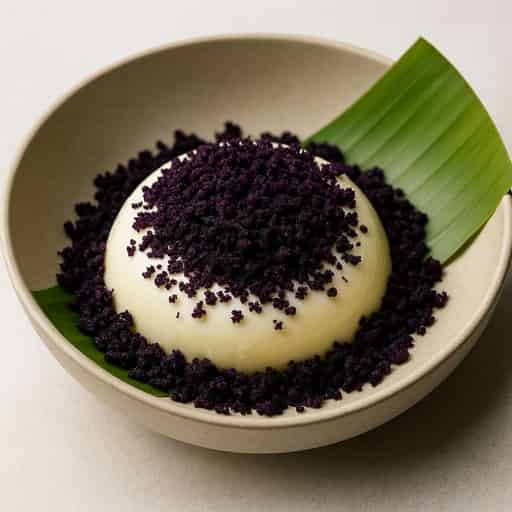
Puto bumbong is a Filipino steamed rice cake that is closely associated with the Christmas season. Traditional versions are made from purple glutinous rice and pressed through narrow bamboo tubes over steam. This easy puto bumbong recipe uses glutinous rice flour, a little regular rice flour, baking parchment, and an ordinary steamer so home cooks can make a chewy, warmly topped version without specialist equipment.
The adaptation is not meant to replace bamboo-steamed puto bumbong or claim an identical texture. It is a practical way to enjoy the familiar combination of soft purple rice cakes, melted butter, coconut, and dark sugar when pirurutong rice and bamboo tubes are difficult to find. Dark muscovado sugar is especially useful here: its deep molasses note is closer in spirit to Filipino brown sugar than standard light brown sugar.
The Texture Cue That Matters
The Texture Cue That Matters
The flour mixture should resemble damp sand, not a kneadable dough. When you squeeze a handful, it should hold together; when you rub it between your fingers, it should still break into soft crumbs. This loose texture lets steam cook the rice flour evenly and leaves the finished cakes pleasantly chewy rather than dense.
Start with 170 ml water and add more slowly because glutinous rice flour brands do not all absorb water in the same way. If a shaped log cracks or falls apart, add a teaspoon more water, mix again, and retest. If the mixture turns sticky, you have gone too far: work in a spoonful of glutinous rice flour to bring it back to a crumbly consistency.
Steam Gently, Then Serve Hot
Steam Gently, Then Serve Hot
Parchment makes the small logs easier to handle and prevents them sticking to the steamer. Keep the water at a steady, gentle boil and make sure it does not touch the parchment. After 12 minutes, lift one cake carefully and break it open. The centre should be moist and cohesive, with no dry floury patch. Steam for another two or three minutes only if needed.
Brush the rice cakes with butter while hot so the coconut and sugar adhere. That topping is an essential part of the eating experience, balancing the mild, chewy rice cakes with richness and a little crunch. Banana leaves are a lovely serving option, but they are not required; parchment or a warm plate works well.
Accessible Ingredient Swaps
Accessible Ingredient Swaps
| Traditional ingredient or tool | Accessible option in this recipe | | --- | --- | | Purple glutinous rice (pirurutong) | Glutinous rice flour with optional purple colouring | | Bamboo steaming tubes | Steaming basket and parchment | | Freshly grated coconut | Unsweetened desiccated coconut | | Filipino brown sugar | Dark muscovado sugar | | Banana leaves | Baking parchment or a serving plate |
Ube extract can replace the food colouring if you enjoy its flavour, but it adds purple-yam notes that are different from traditional puto bumbong. Use it sparingly and check the product label if you are cooking for a particular diet.
Storage and Reheating
Storage and Reheating
Puto bumbong is best eaten immediately. If you have leftovers, cool them promptly—ideally within one hour—then refrigerate them in an airtight container and eat within 24 hours. Reheat once by steaming until piping hot throughout. The cakes will firm up after chilling, but gentle steaming softens them again.
For longer storage, freeze individual plain rice cakes promptly and use within one month for the best texture. Thaw in the refrigerator, steam until piping hot, then add fresh butter, coconut, and sugar. Do not repeatedly cool and reheat cooked rice cakes.
Portion Guidance for a Holiday Treat
Portion Guidance for a Holiday Treat
Two small logs make one satisfying snack or dessert portion. They are naturally carbohydrate-rich, so they work nicely as a planned treat after a balanced meal or alongside unsweetened tea or coffee. If you are having them after a richer holiday meal, keep earlier choices a little lighter in saturated fat and enjoy the toppings as part of the recipe rather than adding extra butter.
For more Filipino holiday baking and rice-cake ideas, try our easy oven-baked bibingka, fluffy Filipino puto, suman sa gata, or sticky biko with latik and coconut jam.
Nutrition Facts
Nutrition Facts
Serving Size: 2 small rice cake logs
Calories 37019%
% Reference Intake*
Total Fat 12g17%
Saturated Fat 8.5g43%
Trans Fat 0g
Cholesterol 14mg
Sodium 150mg
Total Carbohydrates 63g24%
Dietary Fiber 2.5g
Sugars 11g12%
Protein 5g10%
* Reference intakes are based on an average adult's 8,400 kJ / 2,000 kcal diet. Your needs may be higher or lower.
FAQs
What is puto bumbong?
Puto bumbong is a Filipino steamed rice cake traditionally made with purple glutinous rice and cooked in bamboo tubes. It is especially popular during the Christmas season and is usually served with butter, coconut, and brown sugar.
Is puto bumbong made from ube?
No. Traditional puto bumbong gets its colour from purple glutinous rice, not purple yam. Ube extract is a modern optional shortcut for colour and flavour, but it tastes different from the traditional rice-based version.
Can I make puto bumbong without bamboo tubes?
Yes. This home-cook version uses a regular steaming basket and parchment. Its shape and texture differ slightly from tube-steamed puto bumbong, but it keeps the same chewy rice-cake character and classic toppings.
Can I make it without banana leaves or a steamer?
Banana leaves are optional; serve on parchment or plates instead. For a makeshift steamer, place a heatproof rack and plate above simmering water in a large covered saucepan, making sure the water cannot touch the cakes.
Why did my puto bumbong turn hard?
It may need a little more water, may have been packed too firmly, or may have steamed too long. Keep the mixture crumbly rather than doughy, shape gently, and eat the cakes warm for their softest texture.
Can I make puto bumbong ahead?
Mix the dry flours and prepare the toppings ahead, but hydrate, shape, steam, and serve the rice cakes close to eating time for the best chew.
Community Reviews
See how other home cooks made this recipe, then share your own experience.
—
0 ratings
5
0%
4
0%
3
0%
2
0%
1
0%
How would you rate this recipe?
Share your experience and help others.
Create Your Own Recipe
Add your personal creations and build your own recipe collection.