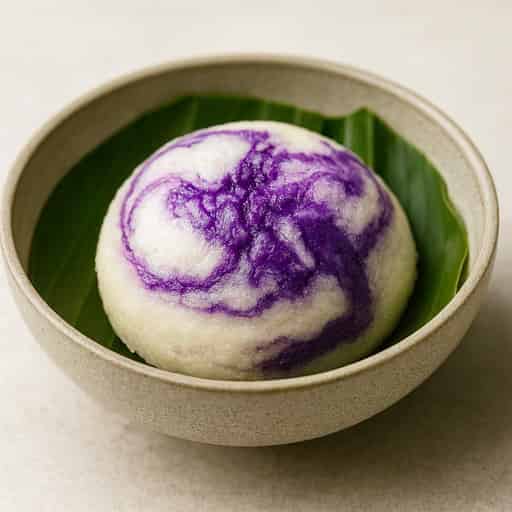
Make Puto Bigas, Filipino steamed rice cakes, from soaked rice with a purple ube marble. Clear steaming and troubleshooting guidance for tender cakes.
Prep time
2 hr 30 min
Cook time
40 min
Total time
3 hr 10 min
Servings
20
Recipe Snapshot
DifficultyMedium
MealBreakfast / Snack / Dessert
Family FriendlyYes
CuisineFilipino
Chef's Tips
Use regular white rice, not glutinous rice. Glutinous rice produces a much stickier, mochi-like texture that this batter is not designed to use.
Blend the soaked rice until the batter feels smooth between two fingers; a gritty batter will steam into a coarse-textured puto.
Keep the steamer at a steady medium boil. Very aggressive steam can crack the tops, while a weak simmer can leave the centres gummy.
Tools Used
We use affiliate links, which may earn us a small commission at no extra cost to you.
Ingredients
Ingredients
Servings
20 servings1×
Scale
Ingredient amounts update instantly.
Soak The Rice
Puto Bigas Batter
Ube Marble
Prepare The Moulds
Instructions
Soak and Blend the Rice
- 1
Rinse the regular white rice until the water is mostly clear. Cover it with the soaking water and leave for at least 2 hours. Drain very well; the 625 ml blending water is added separately.
- 2
Blend the soaked rice with the blending water until completely smooth. The batter should pour in a steady ribbon, thicker than milk but thinner than pancake batter.
Rest and Finish the Batter
- 1
Transfer the blended rice batter to a bowl. Stir in the coconut cream and sugar until the sugar is dissolved, then cover and rest for 30 minutes.
- 2
Just before steaming, sift in the baking powder and whisk in the salt until smooth. Steam promptly after this step so the leavening can lift the rice batter.
Make the Ube Marble
- 1
Reserve the plain batter and mix it with the ube extract. The extract supplies ube flavour and purple colour; it is not ube halaya or cooked purple yam.
- 2
Line 20 small 100 ml puto moulds with banana leaves, or lightly grease them with oil. Fill each mould about three-quarters full with plain batter, then add a small spoonful of ube batter.
- 3
Use a skewer to make one or two gentle swirls in each mould. Do not stir repeatedly or the two batters will blend into one purple colour.
Steam the Puto
- 1
Add 3 to 5 cm water to a steamer, keeping the rack above the water. Bring it to a steady medium boil before adding the moulds. Leave space between moulds so steam can circulate.
- 2
If using a metal lid, wrap it in a clean kitchen towel and secure it on top so it cannot hang near a flame or heating element. This catches condensation before it drips onto the puto.
- 3
Steam for 16 to 20 minutes. Avoid opening the lid during the first 15 minutes. The tops should look dry and set, spring back gently, and a skewer inserted in the centre should come out without wet batter.
- 4
Steam in two batches if needed. Keep the unsteamed batter covered; for the most even rise, divide the baking powder between the two portions and whisk each portion in immediately before its batch is steamed.
Cool and Unmould
- 1
Rest the puto in the moulds for 5 minutes, until warm rather than piping hot. Lift out the banana leaf lining or loosen the edge gently, then serve warm or at room temperature.
Plan This Recipe
Save this recipe to one of your meal plans or browse your existing plans.
Learn More
Everything you want to know about this recipe.
What Is Puto Bigas?
What Is Puto Bigas?
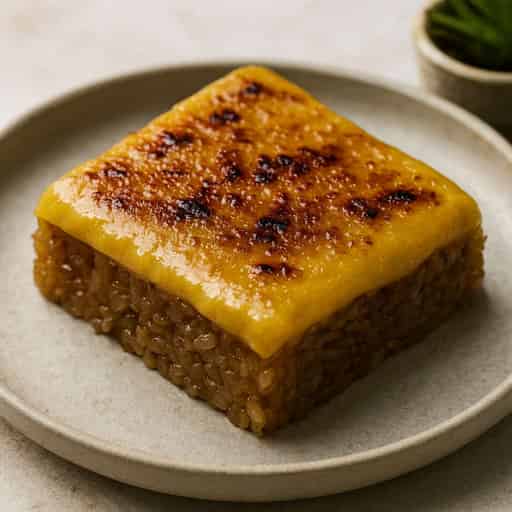
Puto bigas is a Filipino steamed rice cake made from a rice-based batter. Puto is the broader steamed-cake category; bigas means rice, and puto bigas is also called putong bigas. This version keeps soaked regular rice as the foundation and adds a small ube-extract swirl for a purple-and-white marble finish.
The texture is tender and lightly springy with a gentle chew from the blended rice. It is not meant to be fluffy like a wheat-flour muffin or stretchy like mochi. The ube marble changes the aroma and appearance while leaving the rice base as the main character.
The Rice Base Matters
The Rice Base Matters
This recipe uses soaked, uncooked regular white rice, blended into a smooth batter. It does not use packaged rice flour, and it should not be made with glutinous or sweet rice flour. Glutinous rice creates a much stickier result, whereas this soaked-rice batter gives a softer, slightly more substantial puto.
Soaking softens the grains so the blender can make a fine batter. Drain the rice well, then blend it with the measured water until it no longer feels gritty. Because there is no wheat flour here, gentle mixing is about keeping the batter even and aerated, not avoiding gluten development.
How the Ube Marble Works
How the Ube Marble Works
The purple portion uses ube extract, not ube halaya. Mix the extract into only the reserved batter, spoon a little over each filled mould, and use one or two light swirls with a skewer. More stirring will blur the contrast and make the whole cake purple.
How to Steam Puto Properly
How to Steam Puto Properly
Preheat the steamer before the moulds go in, keeping the water below the rack. A steady medium boil gives reliable steam without forceful bubbling that can crack tops or splash water onto the cakes. Do not open the lid repeatedly during the first 15 minutes, when the baking powder is helping the batter set and rise.
Condensation is different from an undercooked centre. A set cake with clear droplets on top needs better lid control; a wet, pasty centre needs more steaming. A towel-wrapped metal lid can catch condensation, provided it is tied securely on top and never allowed to hang near the heat source.
Puto Bigas Troubleshooting
Puto Bigas Troubleshooting
Gummy or coarse texture
Blend the soaked rice until completely smooth, use regular rather than glutinous rice, and keep the steamer at a steady boil. If you use deeper moulds, allow more time and check the centre with a skewer.
Dense puto or little rise
Use fresh baking powder and stir it in just before steaming. A cold or weak steamer and batter that waits too long after leavening are the most likely causes with this rice-based formula.
Wet tops or a lost marble
Wet tops are usually condensation; wrap and secure a metal lid with a clean towel. For distinct marbling, keep the ube portion small and swirl only once or twice. If the skewer still shows batter, return the puto to the steamer rather than treating the moisture as condensation.
Serving, Storage, and Related Kakanin
Serving, Storage, and Related Kakanin
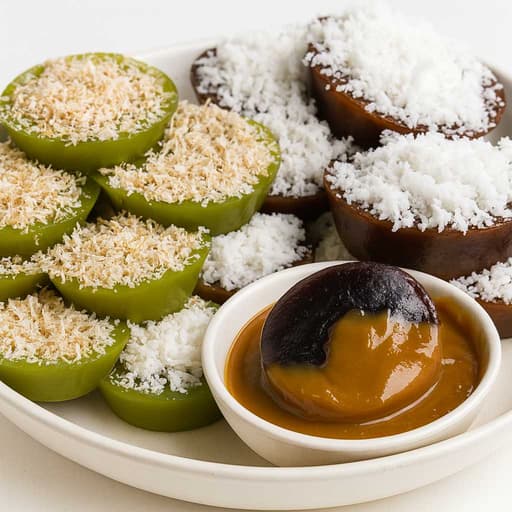
Serve puto bigas slightly warm or at room temperature for merienda, breakfast, or a light dessert. For a quicker flour-based steamed version, see Fluffy Filipino Puto; Trio Kutsinta offers a firmer, chewier steamed rice-cake contrast. The broader Kakanin Recipes collection is the better place to explore related Filipino rice cakes.
The cakes are best on the day they are steamed. Refrigeration is useful for up to two days, but it firms the rice texture; brief re-steaming or microwaving under a damp paper towel restores softness.
Nutrition Facts
Nutrition Facts
Serving Size: 1 puto (about 70 g)
Calories 1508%
% Reference Intake*
Total Fat 4g6%
Saturated Fat 3g15%
Trans Fat 0g
Cholesterol 0mg
Sodium 45mg
Total Carbohydrates 28g11%
Dietary Fiber 1g
Sugars 9g10%
Protein 2g4%
* Reference intakes are based on an average adult's 8,400 kJ / 2,000 kcal diet. Your needs may be higher or lower.
FAQs
What is puto bigas?
Puto is a broad Filipino steamed-cake category. Puto bigas, also called putong bigas, specifically uses rice as its base. This version blends soaked regular rice rather than using packaged rice flour.
Can I use glutinous rice flour or sweet rice flour?
No. This recipe is designed for soaked regular white rice. Glutinous rice flour behaves very differently and will make the puto noticeably stickier.
Why is my puto gummy in the centre?
Gummy centres usually mean the rice was not blended finely enough, the moulds were too deep for the steaming time, the steam was too weak, or condensation fell into the batter.
Why did my puto turn out dense or fail to rise?
Check that the baking powder is fresh, stir it in only just before steaming, and begin with a fully heated steamer. A batter held too long after the baking powder is mixed can lose some lift.
Why is the top wet after steaming?
Clear droplets on an otherwise set surface are usually condensation, not uncooked batter. Secure a towel around a metal steamer lid, keeping it away from heat, and avoid lifting the lid repeatedly.
Why did the ube marble disappear?
Too much swirling blends the coloured batter into the plain batter. Add a small spoonful of ube batter to each mould and make one or two gentle passes with a skewer.
How should I store and reheat puto bigas?
Keep cooled puto airtight at room temperature for the day, or refrigerate for up to two days. Re-steam for 3 to 5 minutes or microwave briefly under a damp paper towel to soften chilled cakes.
Community Reviews
See how other home cooks made this recipe, then share your own experience.
4.8
6 ratings
5
83%
4
17%
3
0%
2
0%
1
0%
How would you rate this recipe?
Share your experience and help others.
Jen
· 2 Sept 2026I used lightly oiled silicone cups instead of banana leaves and they released well after the short rest. The reheated leftovers were still soft.
Ramon
· 9 Jul 2026The towel around the steamer lid kept the tops dry, and the gentle swirl gave each puto a clear ube marble instead of turning the whole batch purple.
Lia
· 21 May 2026Blending the soaked rice until it was completely smooth made a real difference. Mine came out tender with the light chew I was after.
Ivy
· 13 Sept 2025The texture came out soft with a light chew, which is what I wanted.
Mommy Matet
· 13 Sept 2025Good reminder that regular rice, not glutinous rice, gives the right texture.
Hello There
· 12 Sept 2025The batter rested well and steamed evenly in my molds.
Browse this topic
Create Your Own Recipe
Add your personal creations and build your own recipe collection.