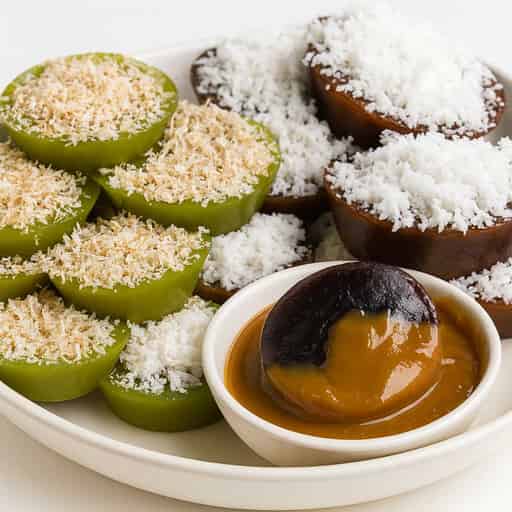
Kakanin Recipes: Filipino Rice Cakes & Sticky Sweets
This topic gathers Filipino rice cakes and sticky sweets such as bibingka, kutsinta, sapin-sapin, and cassava cake for merienda tables, holidays, and everyday dessert spreads.
Overview
Kakanin is most useful as a topic when it stays broad enough to cover the sticky, steamed, baked, and coconut-rich rice sweets that define the category. That is a different job from the dedicated Cassava Cake topic, which should compare cassava cake versions specifically. This page should help readers move across the wider kakanin family: baked rice cakes, steamed chewy sweets, layered tray desserts, and coconut-heavy merienda staples.
The clearest anchor recipes here are Easy Oven-Baked Bibingka with Coconut and Salted Egg, Trio Kutsinta, and Sticky Biko with Latik and Coconut Jam. Those three already explain the category well: bibingka covers the baked festive lane, kutsinta handles the steamed chewy merienda lane, and biko gives the page a sticky rice-and-latik tray dessert that feels distinct from both. Cassava cake can still be linked here, but it should not dominate the broader kakanin page.
Start here
- For a baked holiday-style rice cake, begin with Easy Oven-Baked Bibingka with Coconut and Salted Egg.
- For a steamed chewy classic, go to Trio Kutsinta.
- For a sticky tray dessert with latik, use Sticky Biko with Latik and Coconut Jam.
- If you want cassava cake specifically, jump to the dedicated Cassava Cake topic.
What belongs on a kakanin page
This topic should stay centered on Filipino rice and starch-based sweets that are defined by texture as much as sweetness. That means chewy steamed cakes, sticky rice tray desserts, baked coconut-rich cakes, and layered sweets that are often served during merienda, holidays, and family gatherings. The page gets weaker when it turns into a generic Filipino dessert list or lets one subcluster, like cassava cake, take over the whole category.
That is why the internal balance matters. Easy Oven-Baked Bibingka with Coconut and Salted Egg gives the page a baked festive format. Trio Kutsinta covers the bouncy steamed lane. Sticky Biko with Latik and Coconut Jam explains the sticky tray dessert side that is central to the category. Cassava cake can still appear as a related favorite, but it should now function as one branch, not the whole tree.
How to choose the right kakanin path
Choose bibingka when you want a warmer baked rice cake with holiday energy. Choose kutsinta when you want something chewy, portionable, and easy to serve for merienda. Choose biko when you want a tray dessert that leans sticky, rich, and coconut-caramel forward. If your real question is specifically about which cassava cake version to make, the narrower Cassava Cake page is the better fit.
FAQs
What makes kakanin different from other Filipino desserts?
The category is defined largely by rice or starch structure, coconut richness, and texture-driven formats such as steamed, sticky, layered, or baked cakes.
Should cassava cake stay on this page?
Yes, but as one related branch of the category, not the main focus. Cassava cake now has a better dedicated topic for version-by-version comparison.
What is the best first kakanin recipe for a beginner?
Easy Oven-Baked Bibingka with Coconut and Salted Egg and Trio Kutsinta are both strong starting points because they show two core kakanin textures without requiring a large layered project.
Recipes in This Collection
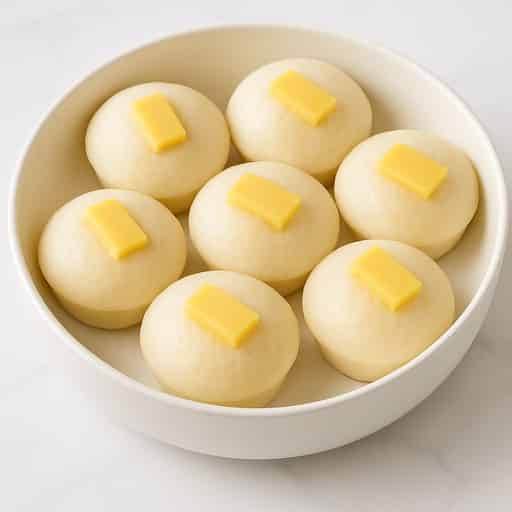
Fluffy Filipino Puto (No Oven, No Yeast)
RecipeShare Test Kitchen
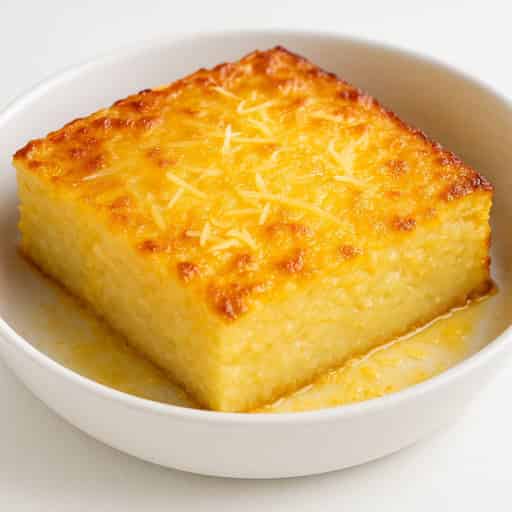
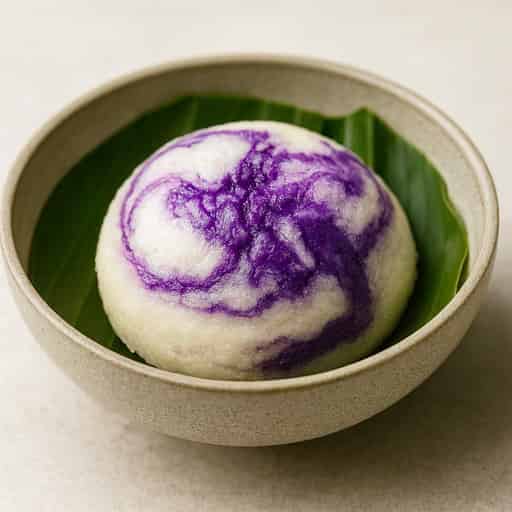
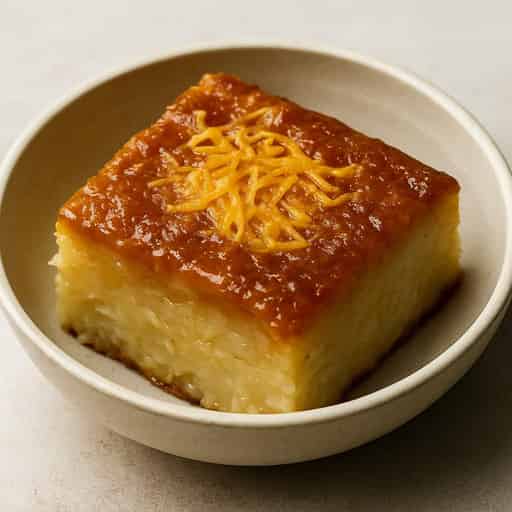
Trio Kutsinta (Classic, Pandan, and Ube Cheese)
RecipeShare Test Kitchen
Related Topics
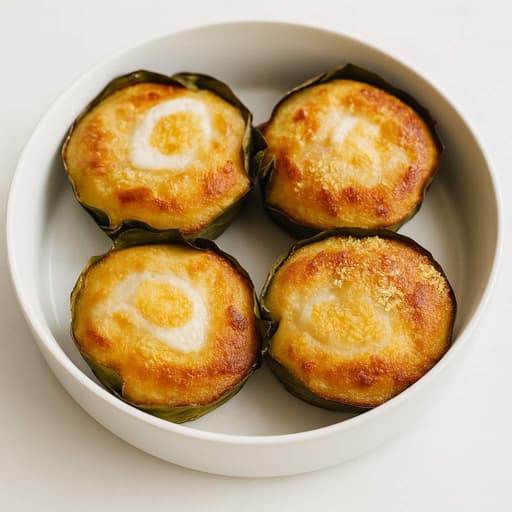
Best Filipino Holiday Desserts: Leche Flan, Brazo de Mercedes, Cassava Cake & More
A curated hub of Filipino holiday desserts for Noche Buena and parties — from creamy Leche Flan and Brazo de Mercedes to Cassava Cake.
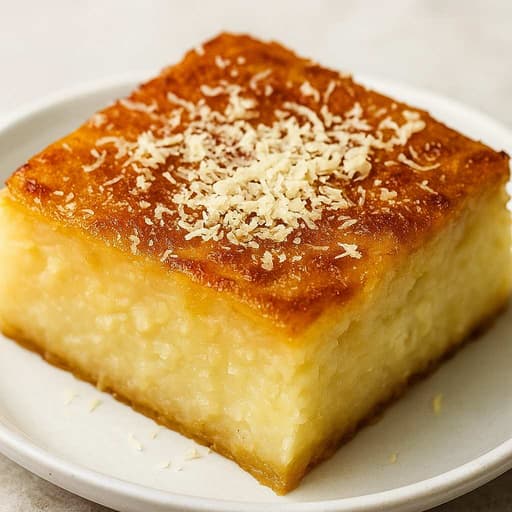
Filipino Home Bakes for Merienda & Celebrations
Filipino home-baking recipes for merienda and celebrations, including cassava cake, mamon, polvoron, brazo de Mercedes, pianono, and more.
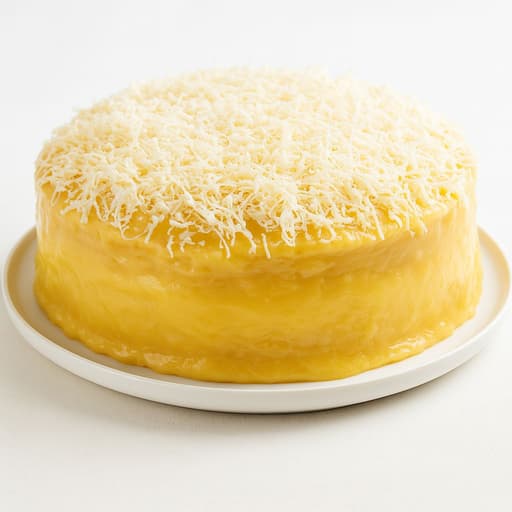
Filipino Cake Recipes: Bakery Favorites and Celebration Classics
Explore Filipino cake recipes from yema cake and chiffon layers to banana cakes, cupcakes, and creamy celebration bakes with practical home baking tips.