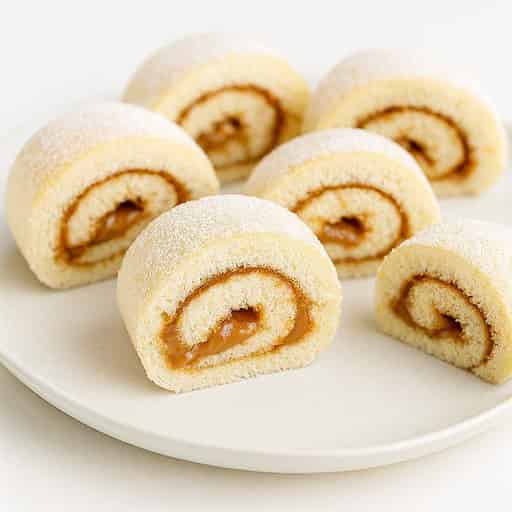
A soft Filipino pianono recipe with a flexible chiffon sponge, dulce de leche filling, and practical rolling tips for a neat bakery-style cake roll.
Prep time
20 min
Cook time
25 min
Total time
45 min
Servings
8
Recipe Snapshot
DifficultyMedium
MealDessert / Snack
Meal PrepExcellent
Family FriendlyYes
CuisineFilipino
Chef's Tips
Sift dry ingredients three times for better texture.
Beat egg whites to stiff peaks to ensure a light sponge.
Use ready-made dulce de leche, or cook condensed milk in an open saucepan; never boil a sealed can for this recipe.
Roll the cake while still warm using sugar-dusted cheesecloth or parchment.
Tools Used
Stand Mixer(opens in a new tab)Mixing Bowls(opens in a new tab)Spatula(opens in a new tab)Parchment Paper(opens in a new tab)
We use affiliate links, which may earn us a small commission at no extra cost to you.
Ingredients
Ingredients
Servings
8 servings1×
Scale
Ingredient amounts update instantly.
Chiffon Cake Batter
Meringue
Filling
Instructions
Prepare Chiffon Batter
- 1
Sift cake flour, baking powder, sugar, and salt three times to combine, aerate, and refine.
- 2
In a separate bowl, whisk together egg yolks, water, and corn oil until smooth.
- 3
Combine wet and dry ingredients, mixing until batter is smooth. Set aside.
Make Meringue
- 1
Beat egg whites with cream of tartar until foamy.
- 2
Gradually add sugar while beating to stiff peaks.
- 3
Fold a portion of the meringue into the batter to lighten it, then gently fold in the rest using cut-and-fold technique.
Bake the Sponge
- 1
Grease and line a half sheet pan (18x13 inch) with parchment paper.
- 2
Pour batter into the pan and level the top with a spatula.
- 3
Bake in a preheated oven at 350°F (175°C) for 20–25 minutes or until lightly golden and firm.
Prepare Dulce de Leche Filling
- 1
Use ready-made dulce de leche. If making it from condensed milk, pour it into a heavy saucepan and cook over low heat, stirring often, until caramel-coloured and spreadable. Do not boil a sealed can.
- 2
Let cool, then mix with a bit of evaporated milk and softened butter until spreadable.
Assemble and Roll
- 1
Dust a cheesecloth with sugar and invert the baked sponge onto it.
- 2
While still warm, spread a thin layer of filling over the surface.
- 3
Roll tightly using the cloth, then coat outside with additional sugar.
- 4
Slice using a knife wiped clean after each cut for neat pieces.
Plan This Recipe
Save this recipe to one of your meal plans or browse your existing plans.
Learn More
Everything you want to know about this recipe.
Filipino Pianono Recipe
Filipino Pianono Recipe
Pianono is a Filipino rolled sponge cake commonly sold in panaderias and served as merienda. It is sometimes searched for as pianono bread, pianono cake, or a pianono roll, but its structure is a soft chiffon-style sponge rather than yeast bread. This version uses a flexible sponge with a dulce de leche filling.
Why This Recipe Works
Why This Recipe Works
Cake flour gives the sponge a fine, tender crumb, while the whipped egg whites provide most of its lift. Corn oil adds moisture without setting firm when chilled, which helps the sheet stay flexible enough to roll. The most important handling step is folding the meringue gently so the air is retained.
The dulce de leche is this recipe's filling rather than a requirement for every Pianono. It should be smooth and spreadable, not warm or runny. Ready-made dulce de leche is the simplest option; if making it from condensed milk, cook it in an open saucepan rather than boiling a sealed can.
How to Roll Pianono Without Cracking
How to Roll Pianono Without Cracking
Invert the sponge as soon as it is cool enough to handle, then roll it while still warm and pliable. A sugar-dusted cheesecloth or parchment helps you guide the first turn without pressing directly on the cake. Spread the filling in a thin, even layer and leave a small border at the far edge so it does not squeeze out as the roll tightens.
Once rolled, let the Pianono cool seam-side down before slicing. Chilling it briefly can make cleaner slices, but bring it closer to room temperature before serving for the softest texture.
Troubleshooting
- The sponge cracked: It was probably rolled after cooling too much, overbaked, or folded too roughly. Roll while warm and remove it from the oven as soon as it is lightly golden and set.
- The sponge is dense: The egg whites may have been under-whipped, or the batter may have been overmixed after the meringue was added. Fold in stages using a gentle cut-and-fold motion.
- The cake stuck to the cloth or parchment: Dust the cloth before inverting and line the pan carefully. Let the sponge cool only briefly before turning it out.
- The filling squeezed out: The layer was too thick or too loose. Use a thin layer of spreadable dulce de leche and leave a border at the finishing edge.
Filling Variations and Related Filipino Bakes
Filling Variations and Related Filipino Bakes
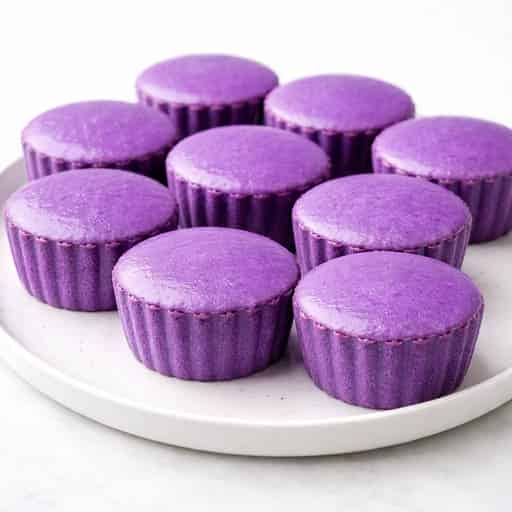
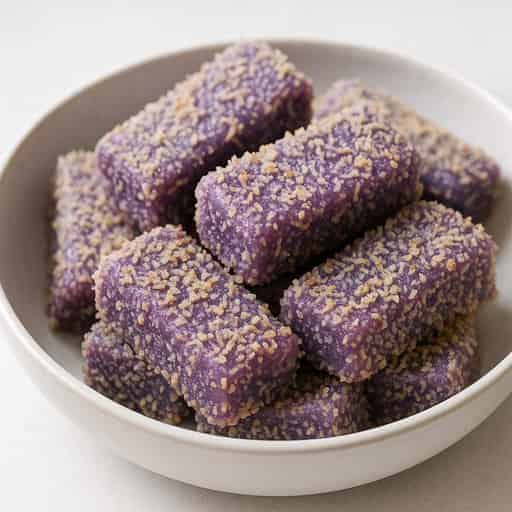
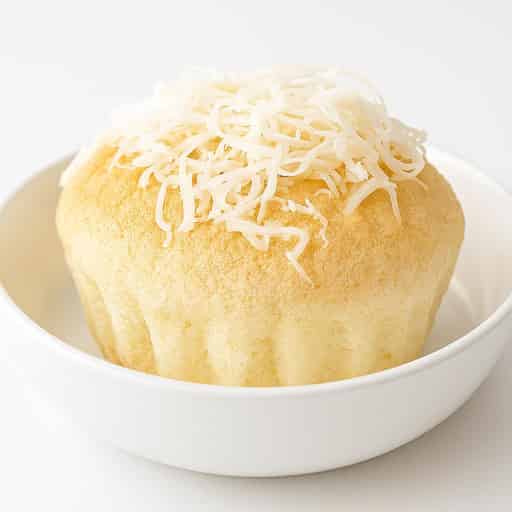
Ube halaya, mango jam, peanut butter, or a thin layer of grated cheese can replace the dulce de leche. Ube halaya is a useful variation, but it changes the filling rather than creating a separate sponge method. For other Filipino bakes, see Brazo de Mercedes, Ube Mamon, and Easy Mamon.
If cake flour is unavailable, use all-purpose flour with a little cornstarch, but sift the mixture thoroughly. The result may be slightly less delicate than the cake-flour version.
Storage and Make Ahead
Storage and Make Ahead
Wrap the finished Pianono tightly and keep it at room temperature for up to 2 days, or refrigerate it for up to 5 days. Let it sit at room temperature before serving so the sponge softens and the filling becomes creamy again. For neat slices, chill the roll briefly and wipe the knife clean between cuts.
Nutrition Facts
Nutrition Facts
Serving Size: 1 slice (approx. 80g)
Calories 25513%
% Reference Intake*
Total Fat 12g17%
Saturated Fat 4.5g23%
Trans Fat 0g
Cholesterol 70mg
Sodium 110mg
Total Carbohydrates 31g12%
Dietary Fiber 0.3g
Sugars 21g23%
Protein 5g10%
* Reference intakes are based on an average adult's 8,400 kJ / 2,000 kcal diet. Your needs may be higher or lower.
FAQs
What is Pianono?
Pianono is a Filipino-style chiffon sponge cake rolled with a sweet filling, often buttercream, jam, or dulce de leche. It’s a beloved bakery classic and merienda treat.
How do I prevent my Pianono from cracking when rolling?
Roll the sponge while it’s still warm using a sugar-dusted cheesecloth or parchment paper. This helps the cake stay pliable and prevents cracks.
Can I use other fillings aside from dulce de leche?
Yes! Popular alternatives include ube halaya, mango jam, peanut butter, or even grated cheese for a sweet-salty twist.
How long can Pianono be stored?
Keep it wrapped tightly in plastic wrap or parchment at room temperature for up to 2 days, or refrigerate for 4–5 days. Bring to room temperature before serving.
Can I make Pianono without a stand mixer?
Absolutely. You can whip the meringue with a hand mixer, or even by hand with a whisk, though it takes longer. The key is reaching stiff peaks for a light sponge.
Community Reviews
See how other home cooks made this recipe, then share your own experience.
4.6
5 ratings
5
60%
4
40%
3
0%
2
0%
1
0%
How would you rate this recipe?
Share your experience and help others.
Mei
· 15 Aug 2025I dusted mine with powdered sugar instead of granulated sugar. Looked beautiful and tasted just right.
Jerome
· 11 Aug 2025First time making Pianono and it was easier than I expected. My kids finished the whole roll in minutes.
Carla D.
· 25 Jul 2025The chiffon base is perfect. I added a bit of cheese with the filling—Filipino style!
Luis
· 21 Jul 2025I made this with mango jam instead of dulce de leche—still turned out amazing. Thanks for the recipe!
Anna
· 14 Jul 2025Super soft and fluffy! Reminds me of the ones we used to buy at the local panaderia. Loved it!
Browse this topic
Filipino Home Bakes for Merienda & Celebrations
Filipino home-baking recipes for merienda and celebrations, including cassava cake, mamon, polvoron, brazo de Mercedes, pianono, and more.
8 recipes • Updated 09/08/2026
Filipino Merienda Sweets: Donuts, Bars, and Crinkles
Filipino merienda sweets including donuts, revel bars, ube bars, crinkles, and other bake-sale friendly treats with practical storage and texture tips.
20 recipes • Updated 18/09/2025
Create Your Own Recipe
Add your personal creations and build your own recipe collection.