22 March 2026
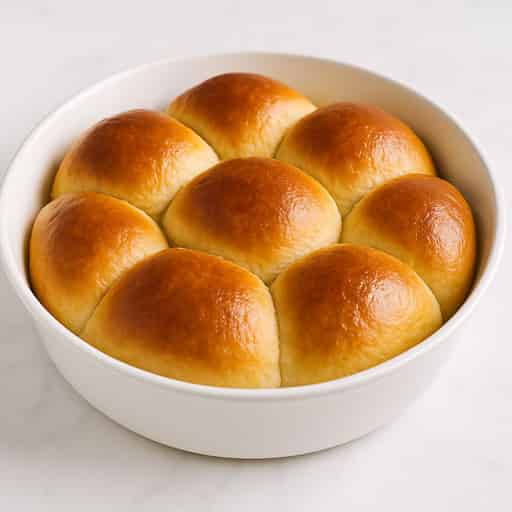
Soft Filipino Ensaymada Recipe (Special Ensaymada)
RecipeShare Test Kitchen
4.9(8 ratings)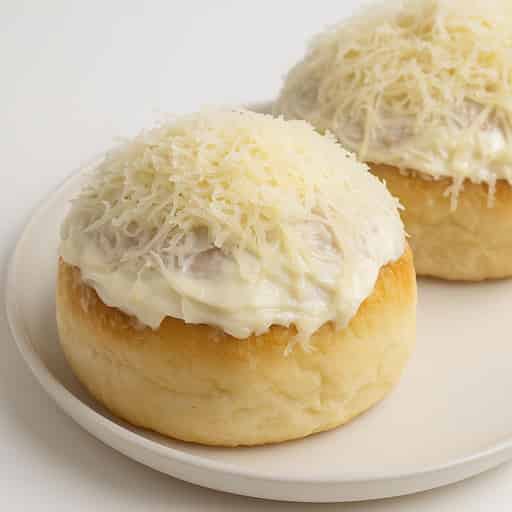
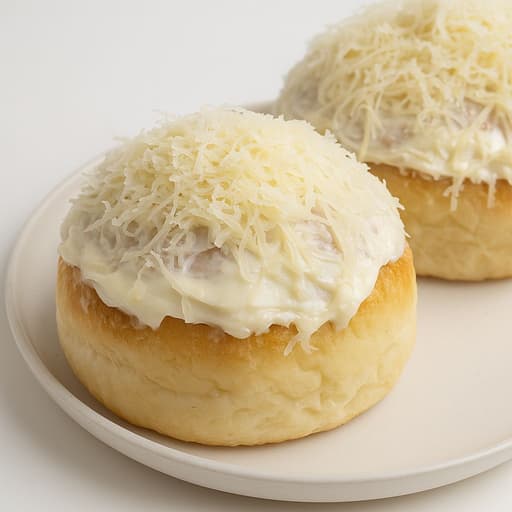
Make soft Filipino ensaymada with a rich, buttery dough, fluffy crumb, and cream cheese buttercream topping. A practical special ensaymada recipe for homemade Filipino bakery-style merienda.
Prep time
3 hr
Cook time
25 min
Total time
3 hr 25 min
Servings
16
Recipe Snapshot
DifficultyMedium
MealBreakfast / Snack
Freezer FriendlyYes
Family FriendlyYes
CuisineFilipino
Chef's Tips
Use room temperature ingredients to ensure the dough develops properly.
Perform the windowpane test to check gluten development before shaping.
For extra richness, use high-fat butter and cream cheese in the buttercream.
Allow sufficient rising time—do not rush proofing for best texture.
Apply the buttercream only after the buns have cooled so it stays spreadable.
Chill the buttercream slightly before spreading if your kitchen is warm to prevent melting.
Lightly grease your hands when shaping the dough to prevent sticking.
Store leftover Ensaymada in an airtight container and reheat slightly before serving for best texture.
Tools Used
Mixing Bowl(opens in a new tab)Stand Mixer (optional)(opens in a new tab)Baking Sheet(opens in a new tab)Ensaymada Molds (optional)(opens in a new tab)Wire Rack(opens in a new tab)
We use affiliate links, which may earn us a small commission at no extra cost to you.
Ingredients
Ingredients
Servings
16 servings1×
Scale
Ingredient amounts update instantly.
Dough
Buttercream
Instructions
Make the Dough
- 1
Combine the water, sugar, and instant dry yeast.
- 2
Add the softened butter, egg yolks, and whole eggs to the yeast mixture.
- 3
Gradually add the bread flour and iodized salt to the wet ingredients.
- 4
Knead the dough until smooth and elastic.
- 5
Form the dough into a ball and place it in a greased bowl.
- 6
Cover and let the dough rise for 1 to 2 hours.
Shape and Proof
- 1
Divide the dough into 16 equal portions.
- 2
Roll each portion into a long, thin rope.
- 3
Coil each rope of dough into a spiral shape.
- 4
Place the shaped dough into greased Ensaymada molds or on a parchment-lined baking sheet.
- 5
Allow the dough to rise again for 30 minutes to 1 hour.
Bake
- 1
Preheat your oven to 350°F (175°C).
- 2
Bake the Ensaymada for 20 to 25 minutes.
- 3
Let the Ensaymada cool before transferring them to a wire rack.
Make the Buttercream
- 1
Combine the softened butter, cream cheese, and powdered sugar.
- 2
Spread a generous amount of buttercream on top of each pastry.
Plan This Recipe
Save this recipe to one of your meal plans or browse your existing plans.
Learn More
Everything you want to know about this recipe.
Soft Filipino Ensaymada
Soft Filipino Ensaymada
Filipino ensaymada is a soft, enriched bread shaped into individual spirals and usually finished with butter, sugar, cheese, or a rich frosting. This special ensaymada recipe uses a buttery dough and a simple cream cheese buttercream, giving the buns a tender, fluffy crumb with a richer finish than everyday sweet bread.
The recipe is adapted from a Chef RV Manabat demonstration listed in the source metadata. It is an independent RecipeShare adaptation and is not affiliated with or endorsed by Chef RV Manabat.
What Makes This Version Special
What Makes This Version Special
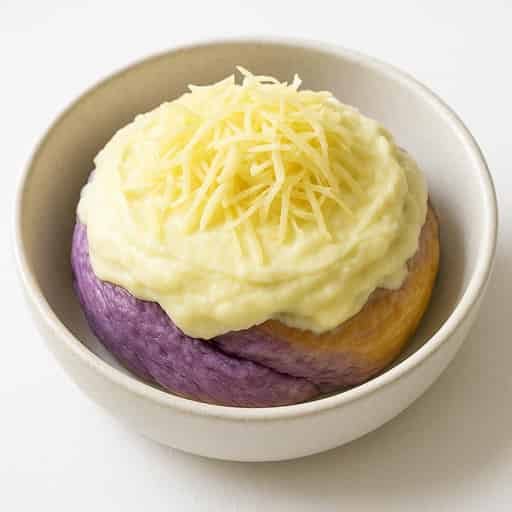
The dough contains butter, egg yolks, whole eggs, and sugar, so it is richer and more tender than a lean bread-roll dough. The buttercream topping adds the signature celebratory finish. Cheese is not part of this formula, but a small amount of grated Edam, queso de bola, or mature cheddar can be added as an optional sweet-salty variation.
Why The Dough Stays Soft
Why The Dough Stays Soft
Butter and egg yolks tenderise the crumb, while the eggs and bread flour provide enough structure for the coils to hold their shape. Sugar also softens the bread, but it slows yeast activity, which is why both rises need time rather than being rushed. Kneading develops the gluten needed to trap gas; the dough should become smooth and elastic without being stiff.
Dough Troubleshooting
Dough Troubleshooting
Why is my ensaymada dense? It was probably under-kneaded, under-proofed, or the yeast was inactive. Use the windowpane test before the first rise and wait until the dough is visibly expanded rather than relying only on the clock.
Why is the dough very sticky? Enriched dough is naturally soft. Grease your hands or lightly oil the work surface and knead for longer before adding flour. Too much extra flour is the quickest way to produce heavy buns.
How do I know it has been kneaded enough? A small piece should stretch into a thin membrane before tearing, and the main dough should look smooth and elastic.
How do I know when it has proofed? The dough should look puffy and hold a light indentation when pressed gently. If it springs back immediately, give it more time; if it collapses, it has gone too far.
Why did it turn dry? Over-baking, excessive flour, or storing the buns uncovered can dry the crumb. Bake only until done, cool fully, and store airtight.
Buttercream And Optional Cheese
Buttercream And Optional Cheese
Beat the buttercream until smooth and spreadable, then apply it only to fully cooled buns. Warm buns will melt the butter and cream cheese, while a cold kitchen may make the topping too firm to spread. Use enough to cover the top in a thin, even layer; a thick layer is rich and can overwhelm the bread.
For a more traditional sweet-salty finish, add grated cheese after spreading the buttercream. This recipe does not require cheese, so treat it as an optional topping rather than a fixed definition of Filipino ensaymada.
Storage And Make-Ahead
Storage And Make-Ahead
Keep unfrosted buns in an airtight container at room temperature for up to 2 days. Refrigerate frosted buns if your kitchen is warm, then let them sit briefly before serving. Reheat an unfrosted bun gently for a few seconds to soften it; avoid heating frosted buns for too long.
For longer storage, freeze the cooled, unfrosted buns well wrapped for up to 2 months. Thaw at room temperature, then add the buttercream. The shaped dough can also be refrigerated after the first rise overnight; let it lose its chill before dividing and shaping.
Serving Ideas
Serving Ideas
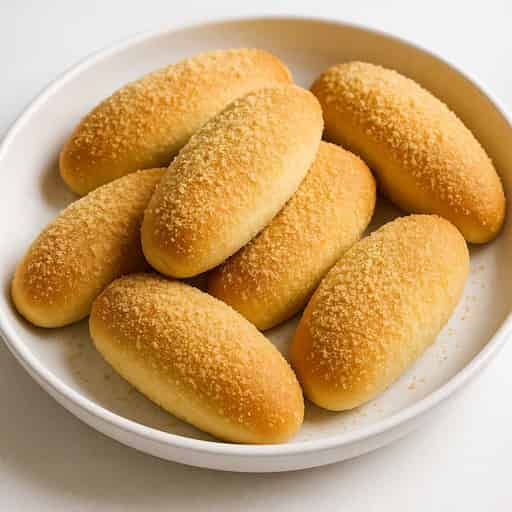
Serve ensaymada with coffee or tea for breakfast or Filipino merienda. For more Filipino bakery inspiration, compare the shaping and enriched dough with Easy Pandesal, Soft and Buttery Filipino Spanish Bread Rolls, or Fluffy Filipino Mamon Cupcakes. Pianono is another useful Filipino bakery-style bake, although its sponge-and-filling method is completely different.
Nutrition Facts
Nutrition Facts
Serving Size: 1 ensaymada
Calories 37019%
% Reference Intake*
Total Fat 16g23%
Saturated Fat 8g40%
Trans Fat 0g
Cholesterol 80mg
Sodium 250mg
Total Carbohydrates 51g20%
Dietary Fiber 2g
Sugars 18g20%
Protein 8g16%
* Reference intakes are based on an average adult's 8,400 kJ / 2,000 kcal diet. Your needs may be higher or lower.
FAQs
Is cheese included in this Ensaymada recipe?
This formula is finished with cream cheese buttercream and does not include cheese as a required topping. If you enjoy the sweet-salty style, add a little finely grated Edam, queso de bola, or mature cheddar just before serving.
Can I make Ensaymada without molds?
Yes! You can shape them into spirals and place them directly on a lined baking sheet.
How do I store Ensaymada?
Store in an airtight container at room temperature for 2–3 days, or refrigerate for up to a week. Reheat lightly before serving.
Can Ensaymada dough be made ahead?
Yes, you can refrigerate the dough overnight after the first rise to develop flavor and bake the next day.
What toppings besides cheese can I use?
Try ube halaya, chocolate, or even savory options like ham and cheese for a creative twist.
How do I make the ensaymada extra fluffy?
Knead until the dough is smooth and elastic, avoid adding excessive flour, and let it rise fully at both stages. Under-proofed dough usually bakes dense rather than light.
Community Reviews
See how other home cooks made this recipe, then share your own experience.
4.9
8 ratings
5
88%
4
13%
3
0%
2
0%
1
0%
How would you rate this recipe?
Share your experience and help others.
Marco R.
· 29 Aug 2026The dough was sticky at first, but it became much easier to handle after kneading without adding lots of extra flour.
Bea L.
· 24 Aug 2026The dough stayed soft after baking, and the buttercream made these feel like a proper bakery-style ensaymada.
Miguel
· 5 Jul 2025Perfect recipe. I used queso de bola for topping—Filipino Christmas vibes!
Grace
· 18 Jun 2025My kids devoured these fresh from the oven—super soft and cheesy!
Carla
· 1 Mar 2025Made these for a Filipino potluck—everyone asked for the recipe!
Jonathan
· 12 Feb 2025I substituted half the butter with margarine and it was still delicious. Great recipe.
Lily
· 4 Jan 2025First time making Ensaymada and this turned out perfect. The buttercream is divine!
Anne
· 21 Nov 2024This recipe reminds me of my childhood merienda. Thank you for sharing!
Paolo
· 3 Sept 2024Loved how fluffy it came out! Will try with ube filling next time.
Maria
· 12 Aug 2024I tried this with cheddar on top and it turned out amazing!
Browse this topic
Best Filipino Holiday Desserts: Leche Flan, Brazo de Mercedes, Cassava Cake & More
A curated hub of Filipino holiday desserts for Noche Buena and parties — from creamy Leche Flan and Brazo de Mercedes to Cassava Cake.
10 recipes • Updated 17/09/2025
Filipino Merienda Sweets: Donuts, Bars, and Crinkles
Filipino merienda sweets including donuts, revel bars, ube bars, crinkles, and other bake-sale friendly treats with practical storage and texture tips.
20 recipes • Updated 18/09/2025
Filipino Bakery Classics
Filipino bakery classics including pandesal, Spanish bread, ensaymada, yema cake, and crinkles for breakfast, merienda, and gifting.
7 recipes • Updated 09/08/2026
Create Your Own Recipe
Add your personal creations and build your own recipe collection.