29 November 2026
Teritama Don (Teriyaki Chicken and Egg Rice Bowl)
RecipeShare Test Kitchen
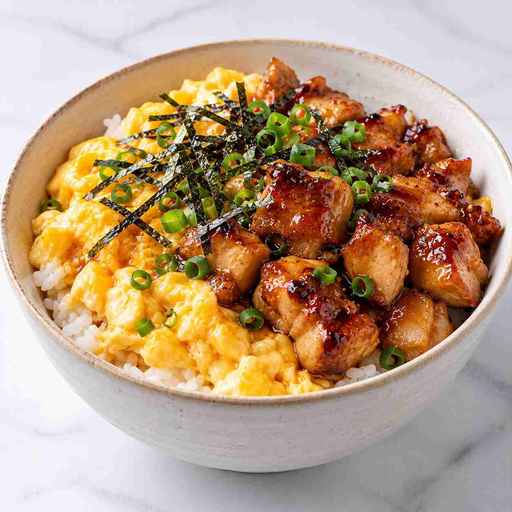
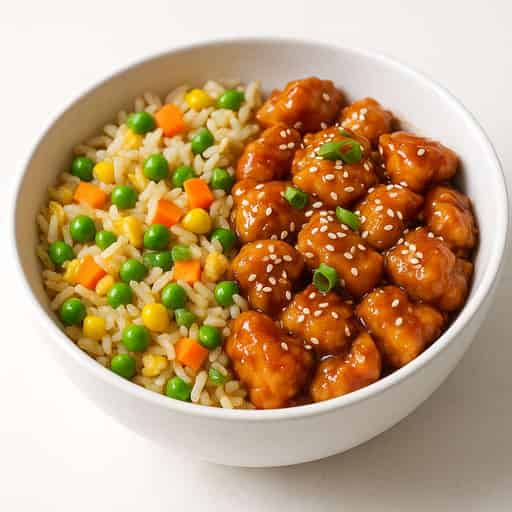
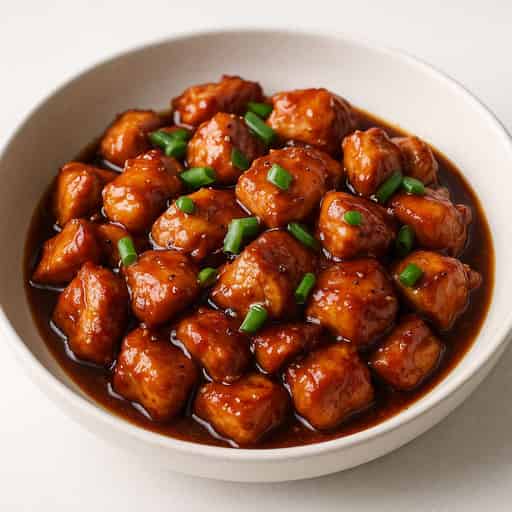
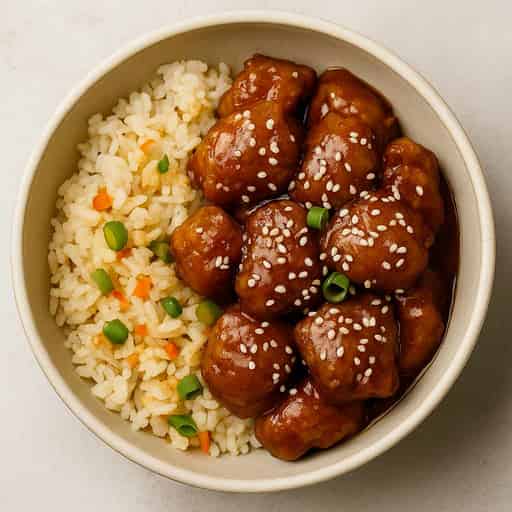
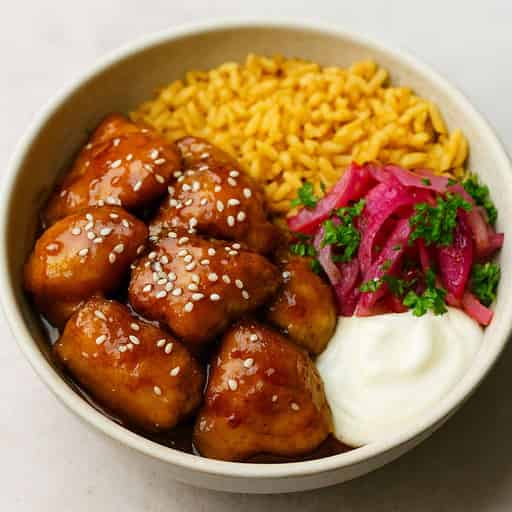
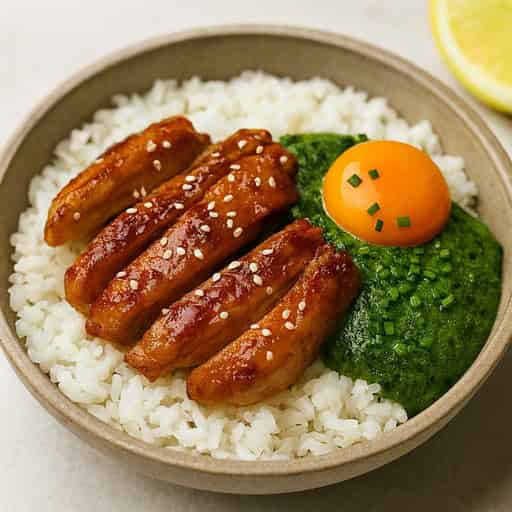
A Japanese teritama don with glossy teriyaki chicken, soft-scrambled egg and warm rice. A fast, satisfying chicken-and-egg rice bowl for weeknight dinners.
Prep time
10 min
Cook time
15 min
Total time
25 min
Servings
4
Recipe Snapshot
DifficultyEasy
MealLunch / Dinner
Family FriendlyYes
CuisineJapanese
Chef's Tips
Use a large pan and cook the chicken in a single layer so it browns before the teriyaki sauce is added.
Remove the eggs while they still look slightly glossy; residual heat finishes them without making them dry.
Add the sauce only after the chicken is cooked through so its sugar does not catch and burn in the pan.
Tools Used
We use affiliate links, which may earn us a small commission at no extra cost to you.
Ingredients
Ingredients
Servings
4 servings1×
Scale
Ingredient amounts update instantly.
Rice
Sweet Scrambled Egg
Teriyaki Chicken
Mirin Teriyaki Sauce
To Serve
Instructions
Warm the Rice
- 1
Warm the cooked rice and divide it between four bowls. Keep the bowls covered while you cook the egg and chicken.
Soft-Scramble the Egg
- 1
Beat the eggs with the sugar until combined. Heat the oil in a large frying pan over medium heat, then cook the eggs slowly, folding with a spatula until softly set and still glossy. Transfer to a plate.
Prepare the Chicken and Sauce
- 1
Toss the chicken pieces with the flour until lightly coated. In a small bowl, stir together the soy sauce, mirin, sake and sugar until the sugar is mostly dissolved.
Cook the Teriyaki Chicken
- 1
Wipe out the pan if needed and heat the oil over medium-high heat. Add the chicken in a single layer and cook for 5 to 7 minutes, turning occasionally, until browned and cooked through.
- 2
Lower the heat to medium and add the teriyaki sauce. Toss for 1 to 2 minutes, until it reduces to a glossy coating around the chicken.
Assemble the Teritama Don
- 1
Top each bowl of rice with soft egg and glazed chicken. Finish with shredded nori, if using, and serve immediately.
Plan This Recipe
Save this recipe to one of your meal plans or browse your existing plans.
Learn More
Everything you want to know about this recipe.
Teritama Don: Teriyaki Chicken, Egg and Rice
Teritama Don: Teriyaki Chicken, Egg and Rice
Teritama don is a Japanese-style rice bowl built from two simple toppings: glossy teriyaki chicken and softly scrambled egg. “Teri” refers to the shine of the reduced soy-and-mirin glaze, while “tama” is short for tamago, or egg. Together they make a quick, comforting donburi that is different from oyakodon, where the egg and chicken are gently simmered together in a dashi-based sauce.
This version keeps the parts separate on purpose. The chicken can brown properly before the sauce goes in, and the egg stays soft and buttery rather than absorbing the glaze. The result is a bowl with clear contrasts: savoury-sweet chicken, mild egg and warm rice.
Why This Teritama Don Works
Why This Teritama Don Works
- A light flour coating helps the glaze cling. It gives the chicken a thin, delicate coating that turns the reduced sauce glossy without a separate cornstarch slurry.
- The sauce goes in last. Soy, mirin and sugar can burn quickly, so browning the chicken first gives better flavour and a cleaner pan sauce.
- The eggs are cooked separately. Soft-scrambling them over medium heat keeps them tender and lets every bowl have a distinct egg layer.
- Mirin adds more than sweetness. It gives the sauce its rounded, lightly caramelised flavour. Sake keeps the glaze from tasting one-dimensional.
Mirin and White Wine Options
Mirin and White Wine Options
Mirin is the preferred choice here because it is the most direct route to the gentle sweetness and sheen expected in a Japanese teriyaki glaze. Use ordinary cooking sake or drinking sake; it does not need to be expensive.
If you do not have mirin or sake, the white-wine alternative in the FAQ is a practical substitute. Choose a dry, low-acidity wine. It will not taste identical, but it will give the sauce enough body to reduce cleanly without turning fruity.
Getting the Best Texture
Getting the Best Texture
Keep the chicken pieces close to 2 cm so they cook at the same pace. Let them sit undisturbed for the first minute or two in the pan; moving them too early prevents browning. Once the sauce is added, toss only until it coats the chicken. A thick, sticky sauce means it has reduced too far, so add a teaspoon of water and take it off the heat.
For the eggs, use a spatula to make broad, slow folds rather than breaking them into tiny curds. Take the pan off the heat while the egg is still a little glossy. It will finish setting on the plate and stay tender when added to the rice.
Serving and Storage
Serving and Storage
Serve teritama don immediately with shredded nori. A crisp cucumber salad, steamed broccoli or blanched greens make a useful fresh side without competing with the glaze.
The chicken can be made ahead and reheated gently with a spoonful of water. Make the egg fresh, and do not freeze the finished bowls: both the rice and soft egg lose their best texture after thawing. For another Japanese chicken-and-egg bowl with a dashi-based sauce, try Oyakodon Chicken and Egg Rice Bowl.
Nutrition Facts
Nutrition Facts
Serving Size: 1 rice bowl
Calories 59030%
% Reference Intake*
Total Fat 20g29%
Saturated Fat 5g25%
Trans Fat 0g
Cholesterol 250mg
Sodium 790mg
Total Carbohydrates 66g25%
Dietary Fiber 1g
Sugars 5g6%
Protein 34g68%
* Reference intakes are based on an average adult's 8,400 kJ / 2,000 kcal diet. Your needs may be higher or lower.
FAQs
What is teritama don?
Teritama combines teriyaki-style chicken (teri) with egg (tama) over a bowl of rice. Unlike oyakodon, the egg is cooked separately and the chicken is pan-glazed rather than simmered in dashi.
Can I use white wine instead of mirin and sake?
Yes. Replace the 2 tablespoons each of mirin and sake with 4 tablespoons dry, low-acidity white wine, such as Pinot Grigio, and increase the sauce sugar to 1 tablespoon. Avoid fruity or sweet wines.
Can I use chicken breast?
Yes. Cut it into even pieces and cook only until it reaches 74C (165F). Chicken thigh is more forgiving and gives the bowl a juicier texture.
Can I make teritama don ahead?
The glazed chicken can be refrigerated for up to 3 days, but cook the egg fresh when serving. Soft scrambled egg loses its tender texture after reheating.
Community Reviews
See how other home cooks made this recipe, then share your own experience.
—
0 ratings
5
0%
4
0%
3
0%
2
0%
1
0%
How would you rate this recipe?
Share your experience and help others.
Create Your Own Recipe
Add your personal creations and build your own recipe collection.