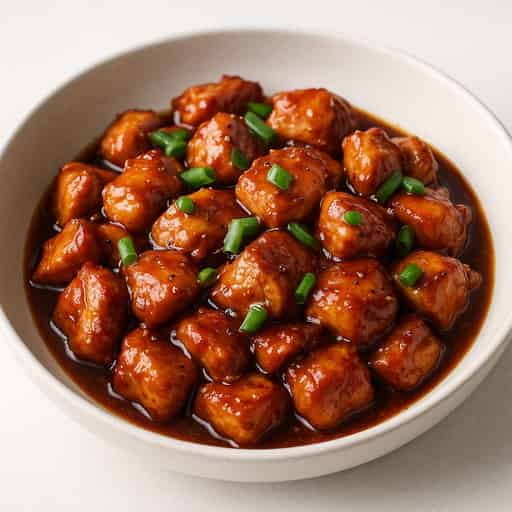
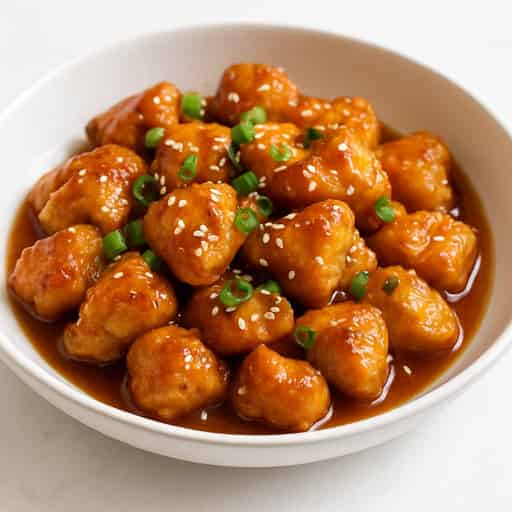
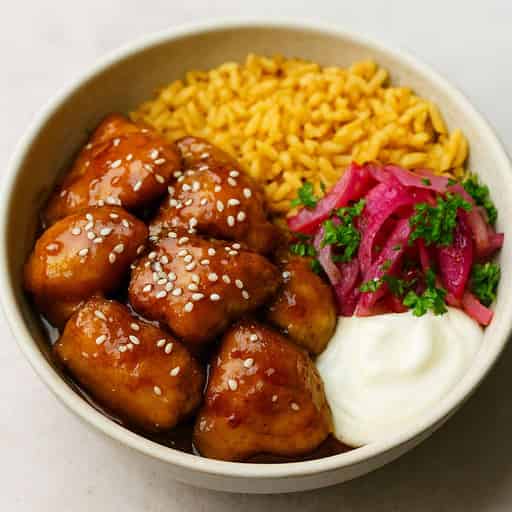
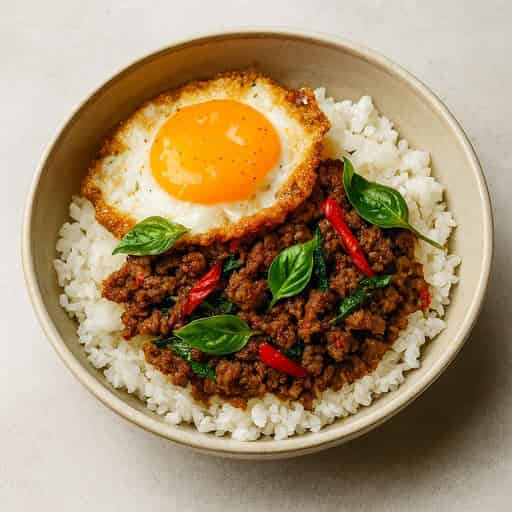
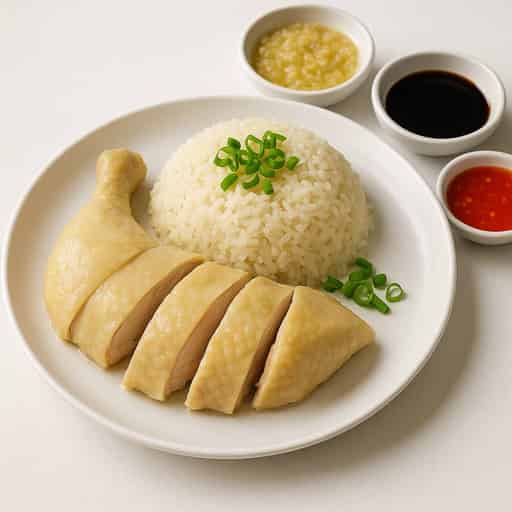
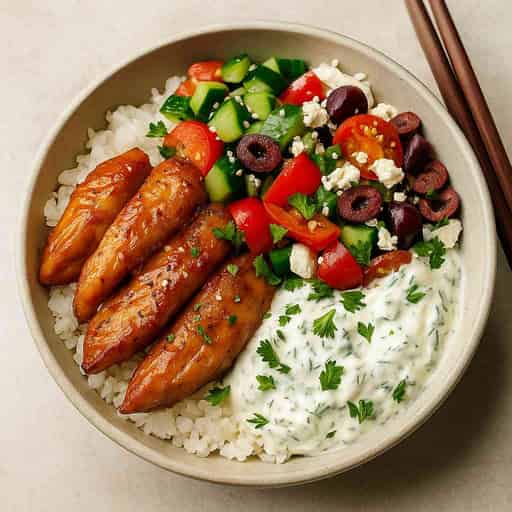
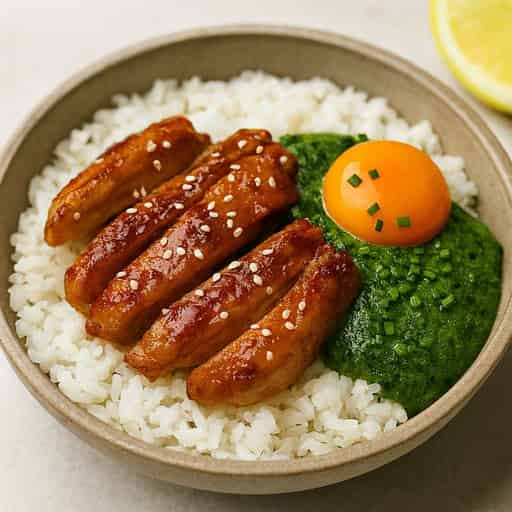
Oyakodon rice bowls with marinated chicken, onion, dashi, mirin, soy sauce, and soft egg for a comforting Japanese-style meal.
Prep time
15 min
Cook time
12 min
Total time
27 min
Servings
3
Chef's Tips
Marinate the chicken briefly so the seasoning reaches the meat before it simmers.
Keep the heat gentle once the eggs go in so they set softly instead of scrambling.
Use a lid for the final egg step if you prefer a firmer top.
Chicken breast works for a leaner bowl, but chicken thigh gives a juicier texture.
Tools Used
Frying PanMixing Bowl(opens in a new tab)
We use affiliate links, which may earn us a small commission at no extra cost to you.
Ingredients
Ingredients
Servings
3 servings1×
Scale
Ingredient amounts update instantly.
Chicken Marinade
Dashi Simmer Sauce
Bowl
Instructions
Chicken Marinade
- 1
Toss the chicken thigh with sake, salt, and white pepper. Marinate for 10 minutes while you prepare the sauce and vegetables.
Dashi Simmer Sauce
- 1
Dissolve the dashi powder in water, then stir in soy sauce, mirin, and sugar.
- 2
Pour the sauce into a frying pan and bring it to a gentle simmer over medium heat.
Bowl
- 1
Add the sliced onion to the simmering sauce and cook for 2 minutes until it begins to soften.
- 2
Add the marinated chicken in an even layer. Simmer for 3 minutes, then turn the pieces and cook until the chicken is just cooked through.
- 3
Scatter in the green onion. Lightly beat the eggs and egg whites, then pour them evenly over the chicken and onion.
- 4
Cook gently for 1 to 2 minutes, covered if needed, until the egg is just set but still soft.
- 5
Spoon the chicken, egg, onion, and sauce over hot cooked Japanese rice.
Plan This Recipe
Save this recipe to one of your meal plans or browse your existing plans.
Learn More
Everything you want to know about this recipe.
Oyakodon Chicken and Egg Rice Bowl
Oyakodon Chicken and Egg Rice Bowl
Oyakodon is a Japanese chicken and egg rice bowl simmered in a savoury-sweet dashi, soy, and mirin sauce. The chicken cooks directly in the seasoned broth, then lightly beaten egg is poured over the top so it sets softly around the onion and chicken.
This version keeps the classic flow but scales it into a practical three-serving main. A short sake, salt, and white pepper marinade seasons the chicken before it goes into the pan, while cooked rice turns the simmered topping into a full bowl.
Why This Recipe Works
Why This Recipe Works
The dashi sauce does most of the work. Dashi brings savoury depth, mirin adds gentle sweetness, soy sauce seasons the chicken and rice, and a small amount of sugar rounds out the broth.
Adding the onion before the chicken lets it soften into the sauce. The egg goes in last and should be cooked gently so it stays tender rather than dry.
Ingredient Notes
Ingredient Notes
Chicken thigh gives oyakodon a juicy texture, but chicken breast can be used if you want a leaner bowl. Cut either option into small, even pieces so the chicken cooks quickly before the egg goes in.
For a lower-cholesterol version, use the listed egg white option: three whole eggs plus three egg whites across three servings. If you prefer a richer, classic texture, use six whole eggs instead.
How to Make It Well
How to Make It Well
Marinate the chicken first, then mix the dashi sauce separately so the pan process is smooth. Bring the sauce to a gentle simmer, soften the onion, and add the chicken in an even layer so the pieces cook at the same pace.
Beat the eggs lightly rather than fully whisking them smooth. Pour them over the chicken and cook only until just set; residual heat will continue firming the egg once it sits over the rice.
Serving & Goal Fit
Serving & Goal Fit
One serving is one bowl with a third of the chicken and egg topping over about 180 g cooked rice. For a training day, add 50 g cooked rice or 1 piece of fruit. For a rest day, reduce the rice by about 50 g and add extra vegetables.
For protein swaps, use chicken breast, prawns, tofu, or tempeh. Good vegetable additions include broccoli, green beans, spinach, peas, mushrooms, onions, courgette, frozen mixed veg, or tenderstem broccoli.
Storage
Storage
Oyakodon is best cooked fresh because soft egg does not reheat as cleanly as other rice bowl toppings. If you want to prep ahead, cook the chicken, onion, and sauce, then reheat gently and add the eggs just before serving.
Nutrition Facts
Nutrition Facts
Serving Size: 1 rice bowl
Calories 59030%
% Reference Intake*
Total Fat 16g23%
Saturated Fat 4g20%
Trans Fat 0g
Cholesterol 245mg
Sodium 1180mg
Total Carbohydrates 65g25%
Dietary Fiber 3g
Sugars 10g11%
Protein 42g84%
* Reference intakes are based on an average adult's 8,400 kJ / 2,000 kcal diet. Your needs may be higher or lower.
FAQs
Can I use chicken breast for oyakodon?
Yes. Chicken breast is leaner and works well if cut small and simmered gently. Chicken thigh is juicier and more traditional for texture.
Do I need dashi powder?
Dashi gives the bowl its savoury base. If you do not have it, use a light chicken stock, but the flavour will be less distinctly Japanese-style.
How set should the eggs be?
Oyakodon is usually soft-set. Cook the eggs just until they hold together, or cover the pan for another minute if you prefer them firmer.
Can I meal prep this?
Cook the chicken and onion mixture ahead, but add the eggs fresh when reheating for the best texture.
Community Reviews
See how other home cooks made this recipe, then share your own experience.
4.7
3 ratings
5
67%
4
33%
3
0%
2
0%
1
0%
How would you rate this recipe?
Share your experience and help others.
Hannah P.
· 11 Jul 2026I used chicken breast and kept the eggs soft. Easy weeknight dinner.
Mark L.
· 11 Jul 2026Marinating the chicken first made a noticeable difference. The thigh stayed tender.
Emi T.
· 11 Jul 2026The sauce soaked into the rice without being too sweet. I liked the egg white option for a lighter bowl.
Create Your Own Recipe
Add your personal creations and build your own recipe collection.