18 October 2025
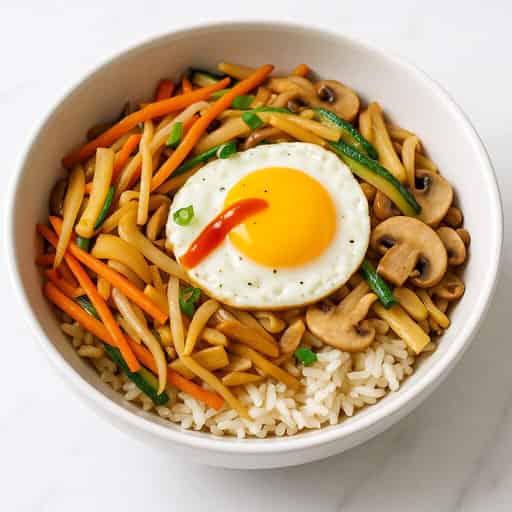
10-Minute Korean Bibimbap Bowl with Gochujang Sauce
RecipeShare Test Kitchen
4.7(7 ratings)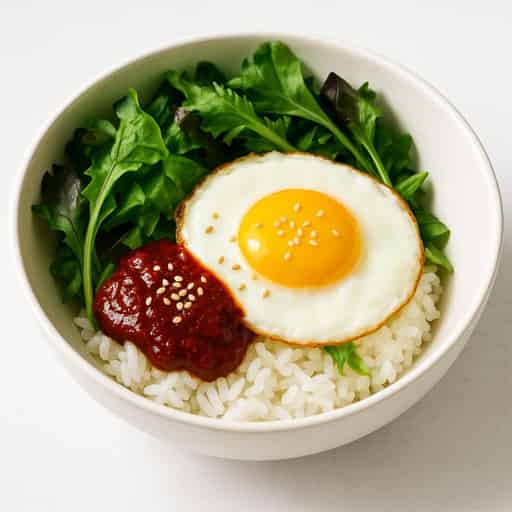
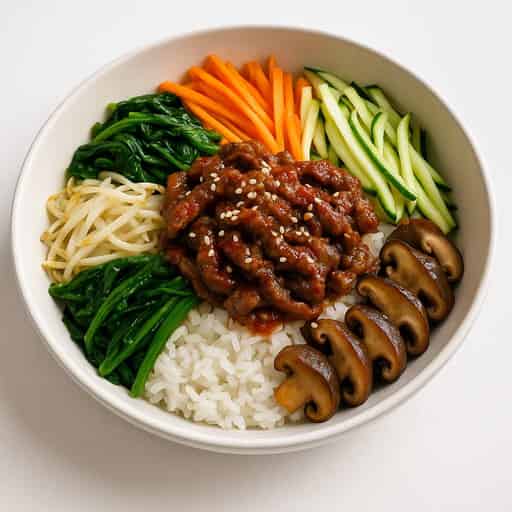
A quick and customizable Korean Bibimbap recipe made with rice, fried egg, salad, and a flavorful Gochujang sauce. Perfect for busy weeknights or lunch prep!
Prep time
10 min
Cook time
10 min
Total time
20 min
Servings
2
Chef's Tips
Add any extra sautéed or pickled vegetables you have in the fridge.
A drizzle of sesame oil right before serving enhances the aroma.
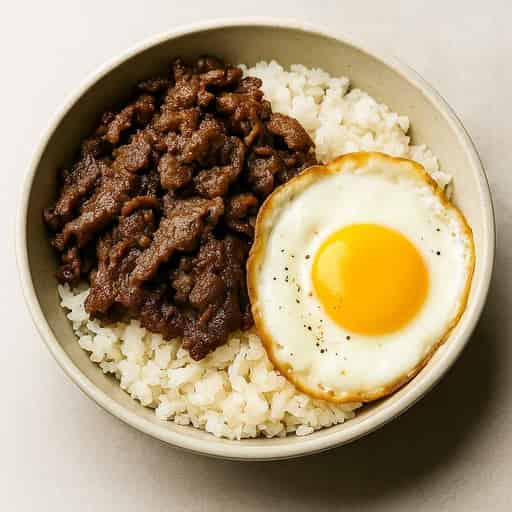
For added protein, top with bulgogi beef, tofu, or grilled chicken.
Mix the sauce and store in the fridge for up to a week to use on other dishes.
Tools Used
We use affiliate links, which may earn us a small commission at no extra cost to you.
Ingredients
Ingredients
Servings
2 servings1×
Scale
Ingredient amounts update instantly.
Main Ingredients
Gochujang Sauce
Instructions
Assembly
- 1
Fry the egg sunny side up in a pan.
- 2
In a serving bowl, drizzle sesame oil over the cooked rice.
- 3
Add salad leaves on top of the rice.
- 4
Mix Gochujang, honey, vinegar, soy sauce, and water to make the sauce.
- 5
Top with the fried egg and sprinkle roasted sesame seeds before serving.
Plan This Recipe
Save this recipe to one of your meal plans or browse your existing plans.
Learn More
Everything you want to know about this recipe.
What is Bibimbap?
What is Bibimbap?
Bibimbap is a Korean dish that is composed of rice, a mix of different vegetables, egg, and sometimes even meat.
This simple recipe is a practical way to use extra gochujang sauce without much prep.
Ingredients
Ingredients
- 1 egg (approximately 50g)
- 150g cooked plain rice
- 1 tsp sesame oil
- 100g salad leaves
- 3 tablespoons Gochujang
- 1 tsp honey
- 2 teaspoons vinegar
- 1 tsp soy sauce
- 1 tablespoon water
- 1 tablespoon sesame seeds, roasted
Method
Method
- Start by frying the egg sunny side up, ensuring the yolk remains gooey – it'll add a wonderful creaminess to the dish.
- In a bowl, create a bed of cooked rice. Drizzle the sesame oil over it, allowing the nutty aroma to permeate through the grains.
- Adorn the rice with salad leaves, adding a refreshing crunch.
- Now, let's get saucy. Whip up the Gochujang sauce by combining the Gochujang, honey, and water. This ruby-red condiment packs a punch and brings our Bibimbap to life.
- Crown your masterpiece with the fried egg and sprinkle the roasted sesame seeds over the top for an extra crunch.
Nutritional Insight
Nutritional Insight
For a serving size of 300g, the nutrition content is as follows:
- Calories: 450
- Carbohydrate Content: 60g
- Cholesterol Content: 185mg
- Fat Content: 15g
- Protein Content: 12g
- Saturated Fat Content: 3.5g
- Sodium Content: 550mg
- Sugar Content: 10g
- Trans Fat Content: 0g
- Unsaturated Fat Content: 8g
Please note these values are just estimates.
Dishing it up with Bibimbap
Dishing it up with Bibimbap
Bibimbap pairs well with a myriad of side dishes. From the fermented tang of Kimchi to the light crunch of Korean cucumber salad (Oi Muchim), these add-ons elevate your Bibimbap experience.
Ingredient Substitutes: A World of Possibilities
Ingredient Substitutes: A World of Possibilities
Can't find Gochujang in your local supermarket? Replace it with a mix of Sriracha and a pinch of sugar for that sweet heat. For a gluten-free option, swap soy sauce with Tamari.
A Few Tips to Perfect Your Bibimbap
A Few Tips to Perfect Your Bibimbap
- Warm your serving bowl before adding your ingredients. This helps keep your Bibimbap hot for longer.
- Love a bit of texture? Try using a variety of vegetables with different crunch levels.
- Don't shy away from adding other proteins like tofu or grilled beef for a twist.
FAQs
FAQs
How can I make my Bibimbap more flavorful?
The secret lies in the Gochujang sauce. Its unique combination of spice, sweetness, and umami can be adjusted to taste. Don't forget the sesame oil – a little goes a long way!
Can I add other vegetables to my Bibimbap?
Absolutely! Bibimbap is incredibly versatile. Feel free to add thinly sliced carrots, sautéed spinach, or even pickled radish. Just remember to keep everything colorful and fresh!
Is Bibimbap healthy?
Yes, Bibimbap can be a balanced meal, full of nutrients from its various vegetable and protein components. The key is moderation in the amount of sauce and oil used.
Can I prepare Bibimbap in advance?
Bibimbap is best served fresh, but you can prepare the individual components in advance. When you're ready to eat, simply assemble your bowl and enjoy!
What is Gochujang made of?
Gochujang is a Korean chili paste made from red chili, glutinous rice, fermented soybeans, and salt. It brings a unique blend of spicy, sweet, and umami flavors to dishes like Bibimbap.
How do I store leftover Bibimbap?
If you have leftover Bibimbap, it's best to store the components separately in airtight containers in the fridge. This way, the ingredients remain fresh, and you can reheat and assemble them when you're ready to indulge again.
Nutrition Facts
Nutrition Facts
Serving Size: 300g
Calories 45023%
% Reference Intake*
Total Fat 15g21%
Saturated Fat 3.5g18%
Trans Fat 0g
Cholesterol 185mg
Sodium 550mg
Total Carbohydrates 60g23%
Dietary Fiber g
Sugars 10g11%
Protein 12g24%
* Reference intakes are based on an average adult's 8,400 kJ / 2,000 kcal diet. Your needs may be higher or lower.
FAQs
Can I make Bibimbap without Gochujang?
Yes! You can substitute Gochujang with a mix of chili paste, soy sauce, and a touch of sugar. It won’t taste exactly the same, but it still delivers a spicy umami kick.
What rice works best for Bibimbap?
Short-grain or medium-grain rice works best because it’s sticky and holds together when mixed with the sauce and toppings.
Is Bibimbap served hot or cold?
Traditionally, it’s served warm with freshly cooked rice and hot toppings, but it can also be enjoyed cold as a refreshing salad-style bowl.
Can I make this vegetarian or vegan?
Absolutely! Skip the egg or replace it with tofu, and use maple syrup instead of honey for a fully vegan version.
How long does the Gochujang sauce last?
Stored in an airtight jar in the fridge, the sauce can last up to 1 week and tastes even better the next day.
Community Reviews
See how other home cooks made this recipe, then share your own experience.
4.7
7 ratings
5
71%
4
29%
3
0%
2
0%
1
0%
How would you rate this recipe?
Share your experience and help others.
Lina W.
· 3 Apr 2025So flavourful for such a simple recipe! I swapped honey for maple syrup and it worked great. Definitely saving this one.
Marco T.
· 12 Sept 2024I meal-prepped this for work lunches and it reheats perfectly. Added a fried egg just before serving—amazing!
Ella J.
· 1 Feb 2024My kids loved it—even with the Gochujang! Thanks for the tip about sesame oil at the end. So good!
Kenzo M.
· 15 Dec 2023Super easy and satisfying. Perfect for a quick weeknight dinner. I’d recommend doubling the sauce if you like it saucy!
Rachel S.
· 2 Sept 2023Love how customizable this is! I added sautéed mushrooms and carrots. The sesame oil drizzle is a must!
Tom K.
· 18 Jun 2023Great way to use up leftover rice and Gochujang. I didn’t have salad leaves, so I used spinach instead—still delicious!
Mia L.
· 10 Apr 2023Made this for lunch and it came together so quickly! The sauce is perfectly balanced—sweet, tangy, and spicy. I added cucumber and kimchi for some crunch. Will be on repeat!
Browse this topic
Create Your Own Recipe
Add your personal creations and build your own recipe collection.