Filipino Holiday Dishes: Festive Feasts Made Easy
Classic Filipino holiday dishes for Noche Buena, potlucks, and family celebrations, with practical make-ahead and reheating guidance.
Overview
Filipino holiday cooking is less about one fixed menu and more about building a table that feels generous, familiar, and worth gathering around. The best dishes for that job usually share two traits: they hold well enough to survive real family timing, and they still feel festive once they reach the table. That is why this page works best as a practical holiday-planning hub rather than a generic celebration list.
The center of the collection should be recipes that can anchor a spread without becoming stressful. Chicken Royale is strong for that role because it reads as a special-occasion main while still being manageable on the stovetop. Baked Tahong with Creamy Mornay Sauce works in the appetizer lane because it feels rich and party-friendly without demanding last-second fine work. For dessert, Classic Cassava Cake and No-Bake Ube Decadence show two different holiday styles: one tray-baked and shareable, the other chilled and presentation-friendly.
Start here
- For a main-dish centerpiece, begin with Chicken Royale.
- For an appetizer or party tray, use Baked Tahong with Creamy Mornay Sauce.
- For a dependable dessert tray, go to Classic Cassava Cake.
- For a chilled make-ahead finish, use No-Bake Ube Decadence.
What makes a holiday dish worth keeping in rotation
Holiday dishes have to do more than taste good in the first five minutes. They need to scale, sit, travel across the kitchen or dining table, and still feel generous when everyone eats at different times. That is why glossy braises, baked seafood trays, and sliceable desserts tend to outperform more delicate formats during Noche Buena, potlucks, and large family lunches.
This topic is also more useful when the recipes play different roles instead of competing for the same spot. A page full of heavy mains is less helpful than a tighter mix of centerpiece dishes, tray-ready starters, and desserts that can be made ahead. Chicken Royale gives the table a savory anchor. Baked Tahong with Creamy Mornay Sauce brings a richer appetizer format. Classic Cassava Cake and No-Bake Ube Decadence keep the dessert side from collapsing into only one texture or serving style.
How to use this page for actual menu planning
If you are planning a smaller holiday meal, choose one main, one starter or side, and one dessert rather than trying to cover every category. For larger gatherings, build the menu around one strong centerpiece and then add dishes that can be served in trays, sliced cleanly, or reheated without penalty. That is usually a better holiday strategy than stacking the page with recipes that all need to be served at peak crispness.
If you want the meal to lean more everyday and less occasion-driven, Classic Filipino Dishes is the better companion topic. If you want the sweeter side of the holiday table, Filipino Holiday Desserts should carry more of that load than this page.
FAQs
How far ahead can I prep for Noche Buena?
Usually one to two days for the strongest dishes on this page. Holiday menus get easier when sauces, fillings, or desserts are finished before the serving day.
What is the safest structure for a small Filipino holiday spread?
One centerpiece main, one tray-friendly appetizer or side, and one dessert is usually enough to feel complete without overloading the cook.
Why do baked and glazed dishes show up so often in holiday menus?
Because they hold and reheat better than more delicate recipes, which matters once a celebration stops running on an exact schedule.
Recipes in This Collection
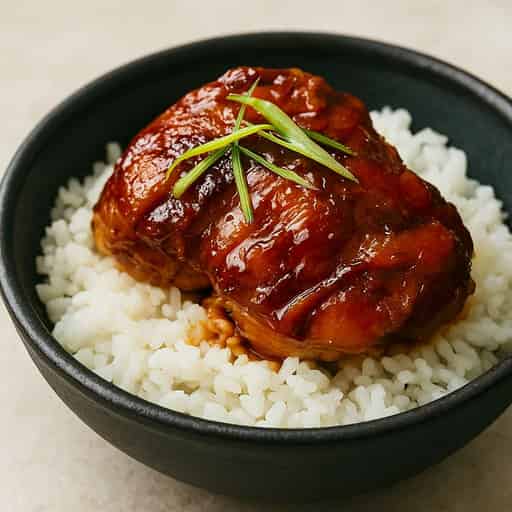
Chicken Royale—No-Oven Citrus Soy Glaze
RecipeShare Test Kitchen
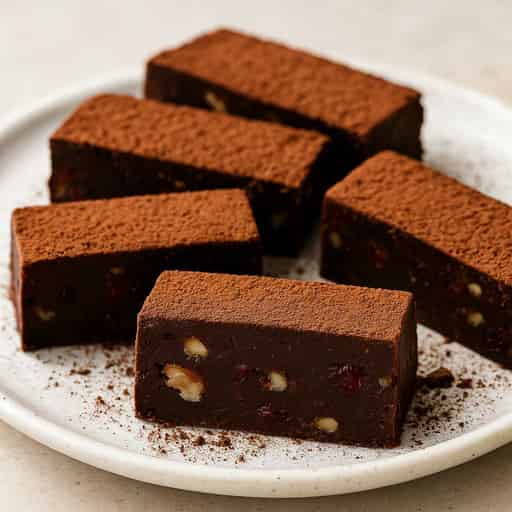
No-Bake Chocolate Fudge Bars—5-Minute Holiday Treat
RecipeShare Test Kitchen
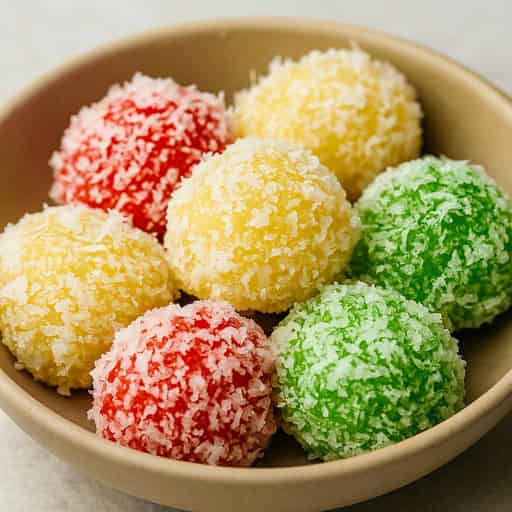
Holiday Pichi Pichi—Chewy Cassava Coconut Bites
RecipeShare Test Kitchen
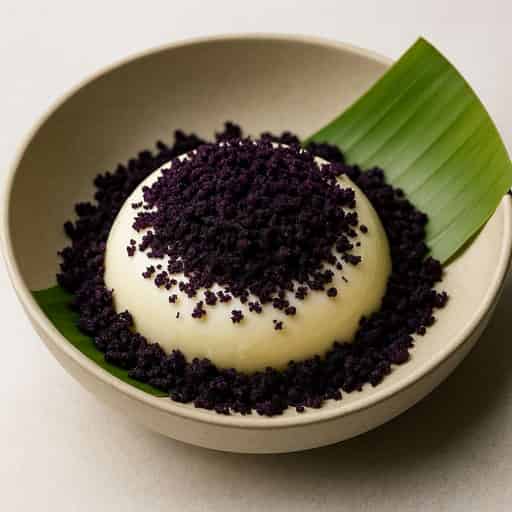
No-Bake Ube Decadence—Silky, Creamy & Festive
RecipeShare Test Kitchen
Related Topics
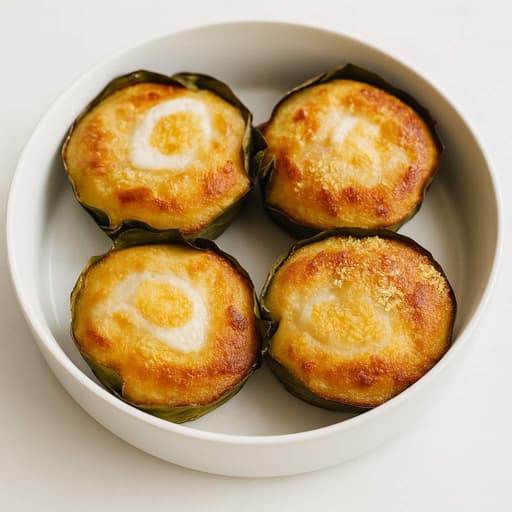
Best Filipino Holiday Desserts: Leche Flan, Brazo de Mercedes, Cassava Cake & More
A curated hub of Filipino holiday desserts for Noche Buena and parties — from creamy Leche Flan and Brazo de Mercedes to Cassava Cake.
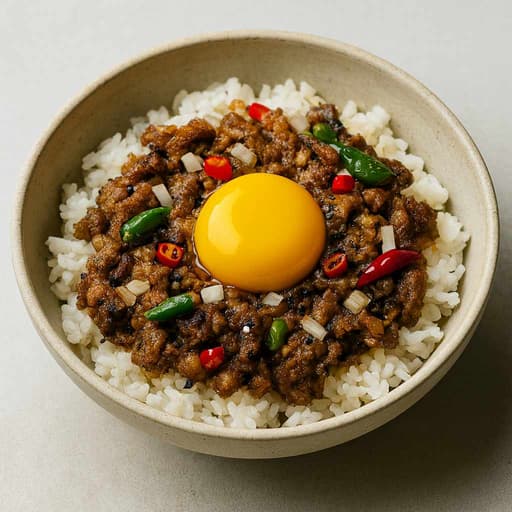
Classic Filipino Dishes: Everyday Home Favorites
Adobo, sinigang, kare-kare, and more classic Filipino dishes with practical technique notes, pantry guidance, and make-ahead tips for home cooking.