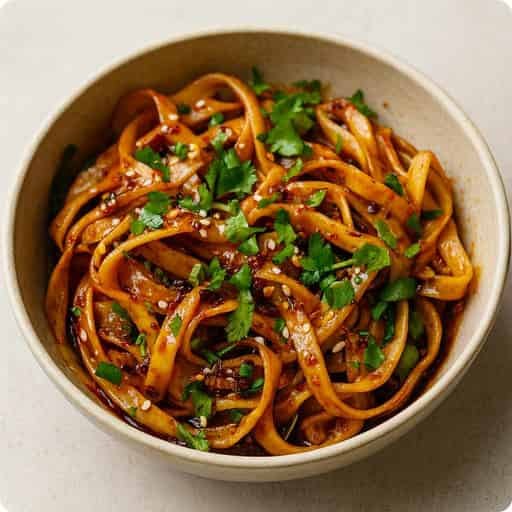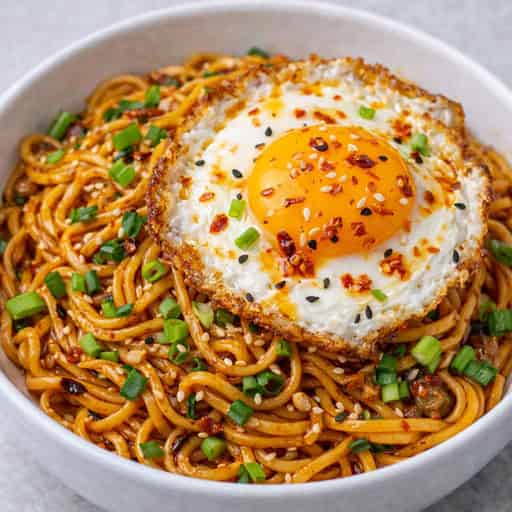
Make glossy gochujang butter noodles with a crisp fried egg, spring onion, and sesame in 15 minutes for a spicy, satisfying noodle bowl.
Prep time
5 min
Cook time
10 min
Total time
15 min
Servings
1
Recipe Snapshot
DifficultyEasy
MealLunch / Dinner
Chef's Tips
Reserve the noodle water before draining; its starch makes the sauce glossy.
Keep the heat low when the gochujang goes into the butter so the paste does not scorch.
Use a little less gochujang first if your brand is especially hot or salty.
Tools Used
We use affiliate links, which may earn us a small commission at no extra cost to you.
Ingredients
Ingredients
Servings
1 serving1×
Scale
Ingredient amounts update instantly.
Noodles And Fried Egg
Gochujang Butter Sauce
To Serve
Instructions
Cook the Noodles
- 1
Cook the noodles in boiling water until just tender according to the package directions. Reserve 30 ml of the cooking water, then drain.
Fry the Egg
- 1
Heat the neutral oil in a nonstick skillet over medium heat. Fry the egg for 2 to 3 minutes, until the white is set and the edges are crisp; keep the yolk soft if you like it to enrich the noodles.
Toss the Gochujang Butter Noodles
- 1
Melt the butter in the empty noodle saucepan over low heat. Add garlic and the spring-onion whites; cook for 30 seconds until fragrant.
- 2
Stir in gochujang and soy sauce, then add the drained noodles and noodle water. Toss with tongs for 1 to 2 minutes until the sauce emulsifies and coats every strand.
- 3
Fold through the spring-onion greens, then taste before adding any more salt.
Serve
- 1
Transfer the noodles to a warm bowl, top with the fried egg, and finish with sesame seeds and chilli oil if using. Serve immediately.
Plan This Recipe
Save this recipe to one of your meal plans or browse your existing plans.
Learn More
Everything you want to know about this recipe.
Gochujang Butter Noodles with Fried Egg
Gochujang Butter Noodles with Fried Egg
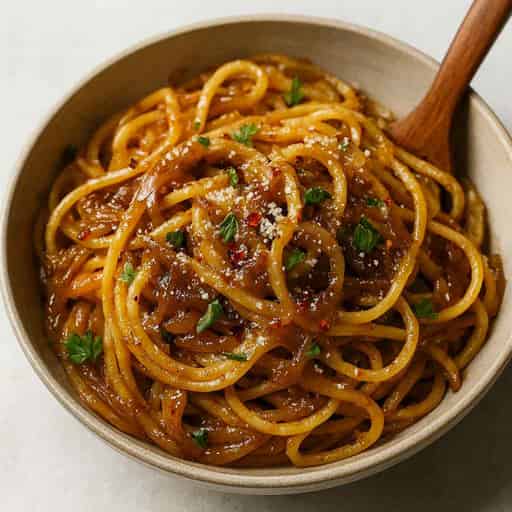
These gochujang butter noodles are a fast, glossy noodle bowl for the evenings when you want more flavour than plain buttered noodles can offer. Gochujang adds fermented chilli depth, butter rounds its heat, and a fried egg turns the sauce into something rich enough for a complete single-serving meal.
This is a Korean-ingredient-inspired noodle dish, not a claim to be a traditional Korean preparation. The method is deliberately simple: cook the noodles, fry an egg, then use the same saucepan to emulsify the sauce around the noodles.
Why the Sauce Turns Glossy
Why the Sauce Turns Glossy
The key ingredient is reserved noodle water. Its starch combines with butter, gochujang, and soy sauce to make a light coating rather than a sticky paste. Add the water only after the noodles go into the pan, then toss continuously over low heat. If the sauce tightens before the noodles are evenly coated, add a teaspoon more water rather than extra butter.
Gochujang brands differ in heat, sweetness, and saltiness. Start with the stated amount, taste once the noodles are coated, and increase only if needed. This is also why the soy sauce stays modest: it seasons the noodles without overwhelming the chilli paste.
Choosing Noodles and Cooking the Egg
Choosing Noodles and Cooking the Egg
Ramen-style wheat noodles, udon, and spaghetti all work. Choose a noodle that can finish in the sauce without breaking, and drain it when it is just tender. The fried egg is more than a garnish: a soft yolk mingles with the spicy butter sauce, while crisp egg-white edges add contrast.
For a firmer yolk, cook the egg an extra minute. For a lower-heat meal, use less gochujang and leave out the chilli oil; the spring onion and sesame still give the bowl plenty of flavour.
Easy Add-Ins
Easy Add-Ins
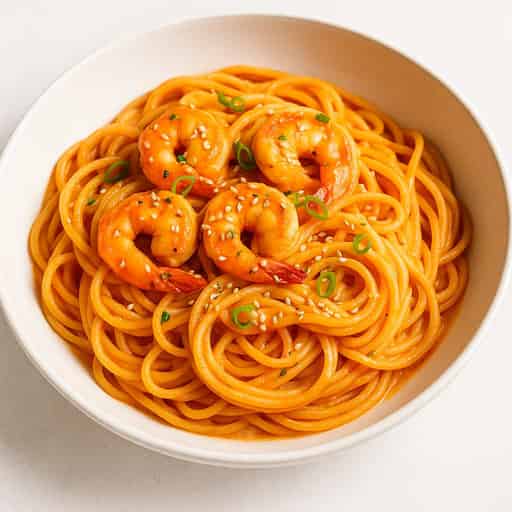
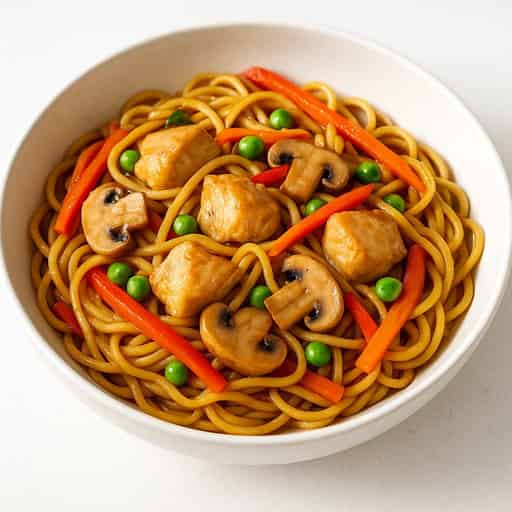
Cooked chicken, prawns, or firm tofu can be tossed through with the noodles. Spinach wilts quickly in the sauce, while finely sliced mushrooms or pak choi should be cooked before the butter goes into the pan. Keep additions modest so the sauce still has enough starch and moisture to coat everything.
Storage and Reheating
Storage and Reheating
Gochujang butter noodles are at their best straight from the pan. If you have leftovers, refrigerate them in a covered container for up to one day. Reheat gently in a skillet with a splash of water until loosened, then make a fresh egg for the top rather than reheating the original one.
Portion Guidance for Goals
Portion Guidance for Goals
One bowl is a satisfying main meal. The egg and noodles provide a practical balance of carbohydrate and protein, but the dish remains a comfort-style bowl rather than a high-protein recipe.
When to Eat
When to Eat
Serve for a quick lunch or dinner when you want a warming, spicy noodle bowl in about 15 minutes.
Balance Tip
Balance Tip
Pair the noodles with a crisp cucumber salad or steamed greens, and keep the rest of the meal lighter in salty sauces because gochujang and soy sauce are both naturally savoury.
Nutrition Facts
Nutrition Facts
Serving Size: 1 bowl
Calories 50025%
% Reference Intake*
Total Fat 20g29%
Saturated Fat 8g40%
Trans Fat 0g
Cholesterol 190mg
Sodium 850mg
Total Carbohydrates 65g25%
Dietary Fiber 3g
Sugars 6g7%
Protein 18g36%
* Reference intakes are based on an average adult's 8,400 kJ / 2,000 kcal diet. Your needs may be higher or lower.
FAQs
What noodles work best for gochujang butter noodles?
Quick-cook wheat noodles work best because the starch from their cooking water helps the sauce cling. Ramen-style noodles, udon, or spaghetti all work; cook them only until just tender so they do not soften further in the sauce.
How spicy are gochujang butter noodles?
Heat varies greatly by brand. Start with 12 g gochujang if you prefer a milder bowl, then add more after tossing. Butter and egg soften the heat, but neither removes it entirely.
Can I add protein or vegetables?
Yes. Add cooked chicken, prawns, or tofu with the noodles, or wilt a small handful of spinach into the sauce. Keep the noodle water so the sauce stays loose enough to coat the additions.
Can I reheat leftovers?
These noodles are best freshly made. Reheat gently in a skillet with a spoonful of water, but fry a fresh egg rather than reheating the original.
Community Reviews
See how other home cooks made this recipe, then share your own experience.
4.8
4 ratings
5
75%
4
25%
3
0%
2
0%
1
0%
How would you rate this recipe?
Share your experience and help others.
Jamie K.
· 30 Oct 2026The reserved noodle water made the sauce cling properly, and the runny egg yolk balanced the heat without making the bowl heavy.
Surya F.
· 14 May 2026Simple and tasty. Loved the glossy sauce.
Ms S.
· 7 Mar 2026Added nutritional yeast and it was great.
DJ D.
· 6 Oct 2025Fast and delicious. Perfect quick supper.
Create Your Own Recipe
Add your personal creations and build your own recipe collection.