13 June 2026
Pasta Amatriciana with Bucatini and Pecorino
RecipeShare Test Kitchen
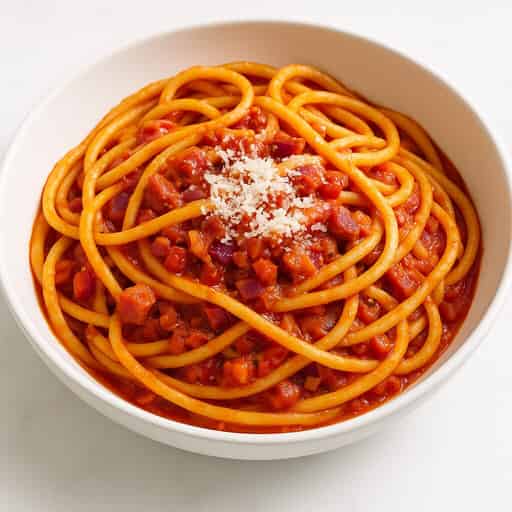
Pasta amatriciana with crisp guanciale, tomato, chili, and pecorino. A Roman classic rewritten for weeknight cooking with bold flavor and balanced portions.
Prep time
15 min
Cook time
30 min
Total time
45 min
Servings
3
Chef's Tips
Render guanciale slowly so the fat turns clear and the edges crisp evenly.
Reserve pasta water and use it gradually to emulsify the sauce.
Add pecorino off direct heat to avoid clumping.
Tools Used
We use affiliate links, which may earn us a small commission at no extra cost to you.
Ingredients
Ingredients
Servings
3 servings1×
Scale
Ingredient amounts update instantly.
Sauce Base
Pasta And Finish
Instructions
Build the Sauce
- 1
Add guanciale to a cold deep skillet and place over medium-low heat.
- 2
Cook 8 to 10 minutes, stirring occasionally, until fat renders and guanciale turns crisp.
- 3
Transfer about one third of the crisp guanciale to a plate for garnish.
- 4
Add onion to the skillet and cook 4 minutes until softened.
- 5
Add garlic and cook 30 seconds.
- 6
Stir in olive oil, calabrian chili paste, and tomato paste, then cook 2 minutes.
- 7
Add white wine and reduce by about half.
- 8
Add crushed tomatoes and oregano, then simmer 10 to 12 minutes.
- 9
Season with black pepper and salt as needed.
Cook Pasta and Emulsify
- 1
Cook bucatini in salted water until al dente.
- 2
Reserve 360 ml (1.5 cups) pasta water, then drain.
- 3
Add bucatini to the sauce and toss over low heat.
- 4
Add pecorino in batches with splashes of pasta water until glossy and well coated.
- 5
Top with reserved crispy guanciale and extra pecorino before serving.
Plan This Recipe
Save this recipe to one of your meal plans or browse your existing plans.
Learn More
Everything you want to know about this recipe.
Pasta Amatriciana
Pasta Amatriciana
Pasta amatriciana is one of the most recognizable Roman pasta sauces: cured pork, tomato, chili, and pecorino. It is direct, savory, and intentionally bold. This version keeps those core elements while tightening technique for a reliable weeknight workflow. The sauce is built in one skillet, then finished with hot pasta and reserved water to create a silky coating.
The goal is not to dilute the identity of amatriciana. Instead, it is to keep its character while improving consistency and portion balance. A measured amount of guanciale still drives the sauce, while tomato and onion volume provide the vegetable foundation needed for a fuller main-meal plate.
Flavor Profile
Flavor Profile
Guanciale brings salty depth and rendered fat that gives the sauce its signature backbone. Calabrian chili adds a warm, fruity heat rather than sharp burn. Tomato paste reinforces umami, while crushed tomatoes carry acidity and sweetness through the whole dish.
Pecorino romano delivers the final savory edge and body. When added with pasta water over low heat, it melts into the sauce and lightly thickens it without becoming grainy. The result is spicy, savory, and balanced by tomato brightness.
Ingredient Highlights
Ingredient Highlights
Guanciale is traditional for amatriciana and worth using when available. Slow rendering is essential because crisp edges and clear fat define the base flavor. If pancetta is used instead, keep the same rendering method and reduce extra salt until final tasting.
Bucatini is the classic pasta shape and works well because the sauce clings to its outer surface while some sauce enters the hollow center. Tomato and onion quantities are intentionally generous to provide vegetable volume without changing the essential profile.
How It Comes Together
How It Comes Together
Start the guanciale in a cold pan so fat renders gradually and evenly. Once crisp, reserve part of it for topping and build the rest of the sauce in that same pan. Cook onion until soft, then bloom chili and tomato paste before reducing wine. Add crushed tomatoes and simmer until concentrated.
Cook bucatini separately and reserve enough pasta water. Toss pasta into the simmered sauce over low heat, then add pecorino in stages with pasta water until glossy. This final emulsification step turns separate elements into a cohesive sauce that coats each strand.
Chef's Tips
Chef's Tips
Do not rush the guanciale render. High heat browns quickly but leaves fat less integrated into the sauce. A slower render gives better texture and cleaner flavor.
Add cheese off strong heat. Pecorino can seize if the sauce is boiling. Keep the pan gentle and use pasta water as needed to loosen and smooth the finish.
Easy Swaps
Easy Swaps
Pancetta is the closest substitute for guanciale. If needed, unsmoked streaky bacon can work, but use less salt and avoid heavily sweet-cured varieties.
For chili control, swap part of the Calabrian chili with regular chili flakes or reduce the total amount by half. For a slightly lighter bowl, increase onion and tomato while reducing guanciale by 20 to 30 g.
Low-Cholesterol Notes
Low-Cholesterol Notes
For a lower-cholesterol approach, reduce guanciale to 140 g total and increase onion and crushed tomatoes slightly. Keep pecorino to the stated quantity and finish with black pepper for extra flavor intensity.
Serve with a side of steamed green vegetables when possible. This keeps the meal balanced on days when you want the classic sauce profile without increasing fat load.
Make-Ahead and Meal Prep
Make-Ahead and Meal Prep
The sauce base can be cooked one day ahead and chilled. Reheat gently, then toss with freshly cooked pasta and finish with pecorino just before serving.
Leftovers hold for up to two days in the fridge. Reheat over low heat with water until loosened. Add a little extra pecorino only at serving time.
Budget Tips
Budget Tips
Use pancetta when guanciale is expensive or hard to source. Buy pecorino in a block and grate it fresh; this often costs less than pre-grated packs and melts better.
Canned tomatoes are ideal for value and consistency. If your pantry is stocked, amatriciana becomes a high-impact meal with relatively few ingredients.
Serving & Goal Fit
Serving & Goal Fit
One serving is about 1 bowl (around 430 g) and works as a complete main meal. On training days, keep the full portion or add one piece of fruit if additional carbs are needed. On rest days, reduce pasta slightly and pair with extra non-starchy vegetables.
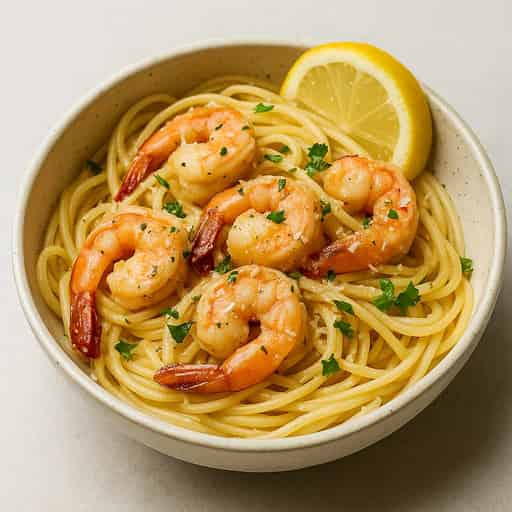
Protein swaps for a similar pasta format: 120 to 140 g shrimp per serving in the same tomato-chili base, or 150 g firm tofu per serving for a meat-free option. Local grocery vegetable additions include mushrooms, spinach, courgette, green beans, peas, broccoli, frozen mixed veg, and tenderstem broccoli.
Nutrition Facts
Nutrition Facts
Serving Size: 1 bowl (about 430 g)
Calories 64032%
% Reference Intake*
Total Fat 23g33%
Saturated Fat 8g40%
Trans Fat 0g
Cholesterol 55mg
Sodium 760mg
Total Carbohydrates 75g29%
Dietary Fiber 7g
Sugars 10g11%
Protein 29g58%
* Reference intakes are based on an average adult's 8,400 kJ / 2,000 kcal diet. Your needs may be higher or lower.
FAQs
Can I substitute pancetta for guanciale?
Yes. Pancetta works well and is easier to find, though the flavor will be slightly less rich.
Why does pecorino clump in the pan?
The pan is usually too hot. Lower heat and add cheese gradually with pasta water to keep the sauce smooth.
Community Reviews
See how other home cooks made this recipe, then share your own experience.
—
0 ratings
5
0%
4
0%
3
0%
2
0%
1
0%
How would you rate this recipe?
Share your experience and help others.
Create Your Own Recipe
Add your personal creations and build your own recipe collection.