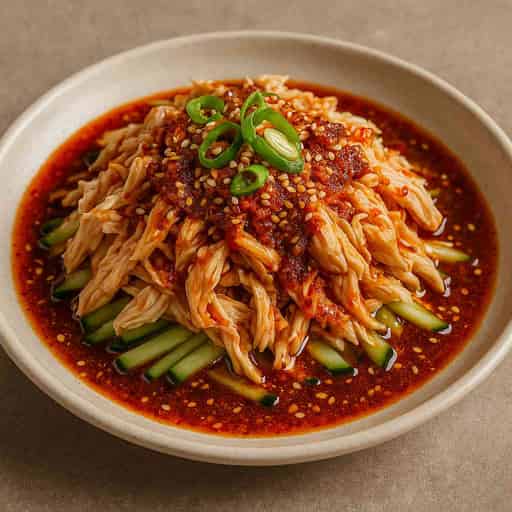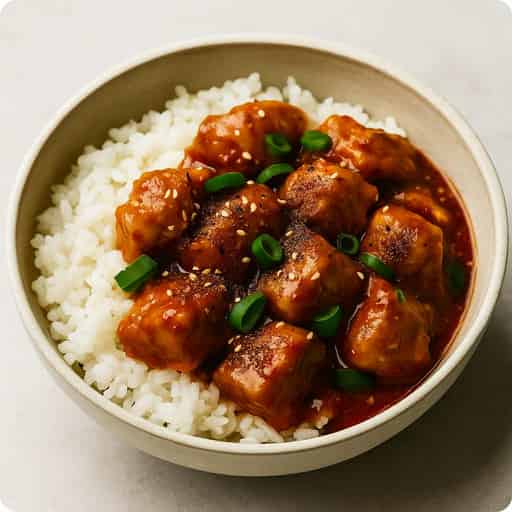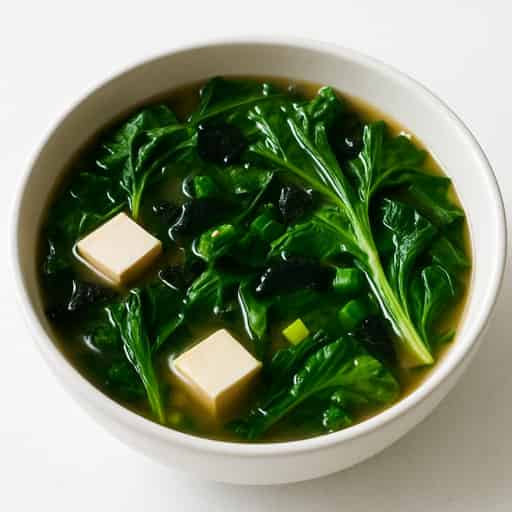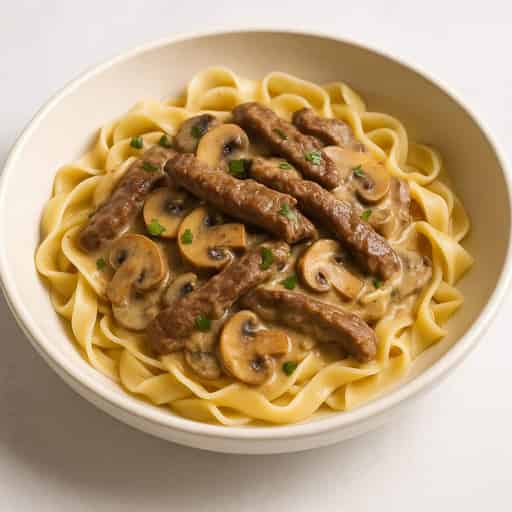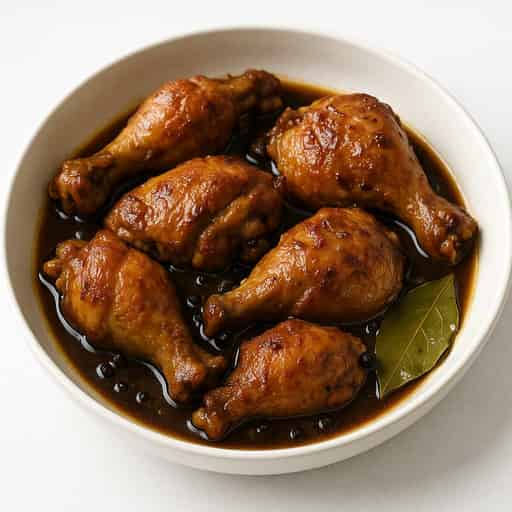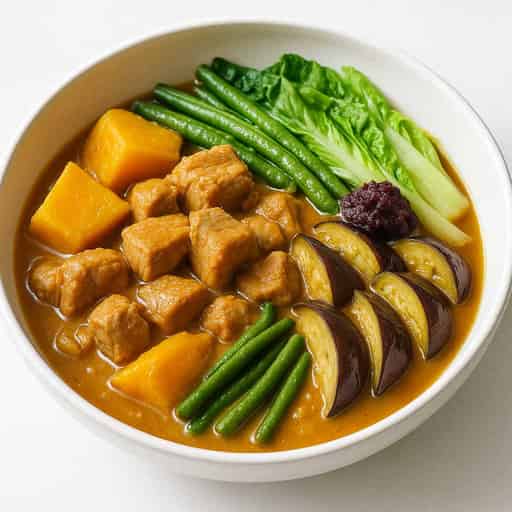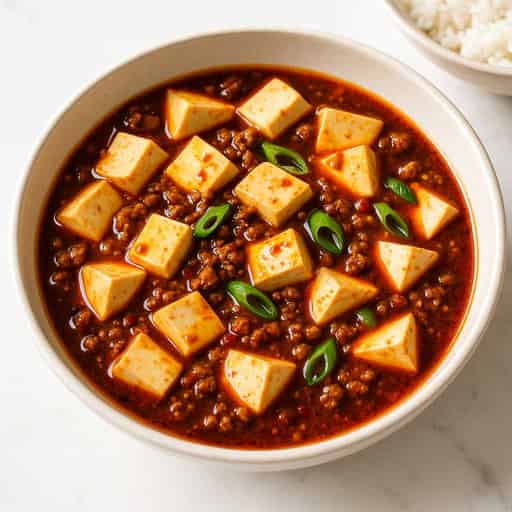
Fiery Sichuan mapo tofu with pork mince, doubanjiang, soft tofu, and a glossy chilli-bean sauce. This easy mapo tofu recipe delivers bold Sichuan flavour with numbing pepper, savoury depth, and enough sauce for rice.
Prep time
10 min
Cook time
15 min
Total time
25 min
Servings
4
Chef's Tips
Use soft or silken tofu and move it gently so the cubes stay mostly intact.
Add the chilli oil gradually if you want more control over the final heat level.
Serve with plain rice because the sauce is strong and savoury.
Tools Used
We use affiliate links, which may earn us a small commission at no extra cost to you.
Ingredients
Ingredients
Servings
4 servings1×
Scale
Ingredient amounts update instantly.
Pork And Aromatics
Sauce Base
Tofu And Finish
To Serve
Instructions
Brown the Pork
- 1
Heat the oil in a wok or deep frying pan over medium heat.
- 2
Add the garlic and ginger and cook briefly until fragrant.
- 3
Add the pork mince and cook, breaking it up, until lightly browned.
Build the Sauce
- 1
Stir in the doubanjiang, ground Sichuan pepper, and five spice if using.
- 2
Cook for about 1 minute so the bean paste darkens slightly and smells rich.
- 3
Pour in the chicken stock and bring to a gentle simmer.
- 4
Mix the cornstarch with the water, then stir it into the pan to thicken the sauce slightly.
Add the Tofu
- 1
Gently add the tofu and fold it through the sauce.
- 2
Add the chilli oil and simmer for 4 to 5 minutes so the tofu heats through and absorbs the flavour.
Finish and Serve
- 1
Stir in the sesame oil, sugar, and half the spring onions.
- 2
Taste and adjust the chilli oil if needed.
- 3
Spoon over rice if serving and finish with the remaining spring onions.
Plan This Recipe
Save this recipe to one of your meal plans or browse your existing plans.
Learn More
Everything you want to know about this recipe.
Fiery Sichuan Mapo Tofu
Fiery Sichuan Mapo Tofu
Fiery Sichuan mapo tofu is one of those dishes that feels bigger than the short ingredient list suggests. Soft tofu, savoury pork mince, doubanjiang, and chilli oil come together in a glossy sauce that is spicy, numbing, and rich enough to demand a bowl of plain rice alongside it.
If you are looking for an easy mapo tofu recipe that keeps the bold Sichuan character without turning into an overcomplicated project, this version does that well. It keeps the method fast, but still gives the sauce enough depth to taste deliberate rather than rushed.
Why This Recipe Works
Why This Recipe Works
The base starts with pork mince plus garlic and ginger, which gives the dish a richer foundation than tofu alone. Doubanjiang then brings the salty fermented heat that mapo tofu needs, while Sichuan pepper adds the characteristic numbing edge.
The cornstarch slurry matters too. Without it, the sauce can feel thin and separate around the tofu. A small amount is enough to help the sauce cling to the tofu and rice without making the dish gluey.
Ingredient Notes
Ingredient Notes
Doubanjiang is the key ingredient here, so it is worth using a good one if you can. It brings heat, salt, and fermented depth all at once. Chilli oil can then be used more as a finishing heat adjustment than as the main flavour source.
Soft or silken tofu gives the classic texture, though soft regular tofu is easier to handle if you are worried about breakage. The optional five spice should stay subtle; it is there only to round the background flavour, not to dominate the dish.
How to Make Mapo Tofu
How to Make Mapo Tofu
Brown the pork first with the garlic and ginger, then fry the doubanjiang and Sichuan pepper briefly so their flavour blooms in the oil. Once the stock goes in, the pan shifts from stir-fry to saucy braise very quickly.
After thickening the liquid lightly with the slurry, fold in the tofu gently and let it simmer just long enough to heat through and absorb the sauce. Finish with sesame oil, a small amount of sugar, and spring onions for balance.
How to Keep the Tofu Intact
How to Keep the Tofu Intact
The easiest mistake with mapo tofu is stirring it too aggressively once the tofu is in the pan. Use a spatula or spoon to nudge and fold instead of rapidly stirring.
It also helps to let the tofu cubes warm through quietly rather than boiling the pan hard. A rough boil breaks the cubes more quickly and can make the dish look messy.
Serving Ideas
Serving Ideas
Serve mapo tofu with plain jasmine rice or short-grain rice so the strong sauce has something neutral to cling to. If you want a fuller spread, quick greens such as bok choy, Chinese broccoli, or garlicky green beans work well beside it.
For a more restaurant-style meal, add a crisp cucumber salad or lightly dressed smashed cucumber on the side to cool the heat.
Easy Swaps
Easy Swaps
If you want a vegetarian version, replace the pork with finely chopped mushrooms or plant-based mince and use vegetable stock. If you prefer a milder bowl, reduce the chilli oil first before reducing the doubanjiang too much.
You can also use soft regular tofu instead of silken tofu if that is what you have. The result will be a little neater and slightly less delicate.
Common Mistakes to Avoid
Common Mistakes to Avoid
The two biggest issues are over-reducing the sauce before the tofu goes in, or under-seasoning the base because you are nervous about the doubanjiang. The dish should taste assertive, because it is meant to be eaten with rice.
Another common problem is treating chilli oil as the only source of heat. The best flavour comes from the combination of doubanjiang, aromatics, and Sichuan pepper, with chilli oil used to steer the final intensity.
Storage and Reheating
Storage and Reheating
Leftovers keep well in the fridge for up to 2 days. Reheat gently in a small pan with a splash of water so the sauce loosens and the tofu stays mostly intact.
This is not the best freezer dish because the tofu texture changes too much after thawing.
Frequently Asked Questions
Frequently Asked Questions
Is mapo tofu supposed to be very spicy?
It should be bold and warming, but you can control the final heat with the amount of chilli oil you add.
What rice goes best with mapo tofu?
Plain jasmine rice or short-grain rice is best because both absorb the sauce well without competing with it.
Can I make mapo tofu without pork?
Yes. Mushrooms or plant-based mince work well if you still want a savoury base.
Nutrition Facts
Nutrition Facts
Serving Size: 1 bowl
Calories 30015%
% Reference Intake*
Total Fat 21g30%
Saturated Fat 4g20%
Trans Fat 0g
Cholesterol 35mg
Sodium 700mg
Total Carbohydrates 9g3%
Dietary Fiber 2g
Sugars 3g3%
Protein 18g36%
* Reference intakes are based on an average adult's 8,400 kJ / 2,000 kcal diet. Your needs may be higher or lower.
FAQs
Can I make mapo tofu less spicy without losing flavour?
Yes. Reduce the chilli oil first and keep the doubanjiang, aromatics, and Sichuan pepper so the dish still tastes deep and savoury.
What tofu works best for mapo tofu?
Soft or silken tofu gives the classic texture, while soft regular tofu is slightly easier to handle if you want cleaner cubes.
Can I make this vegetarian?
Yes. Replace the pork mince with finely chopped mushrooms or plant-based mince and use vegetable stock.
How should I reheat leftovers?
Reheat gently over low heat with a splash of water so the sauce loosens without breaking up the tofu too much.
Community Reviews
See how other home cooks made this recipe, then share your own experience.
4.6
5 ratings
5
60%
4
40%
3
0%
2
0%
1
0%
How would you rate this recipe?
Share your experience and help others.
Aaron
· 14 Aug 2026Comfort food on a cold night. Served it with short-grain rice and every bit of sauce disappeared.
Lucy
· 2 Mar 2026I used soft tofu instead of silken and it held together nicely. Will make it again.
Darren
· 15 Nov 2025The sauce tasted rich and properly numbing without being too complicated to make.
Stevie
· 7 Aug 2025I cut back the chilli oil a little and it was still deeply flavourful. Great rice dinner.
Ivy
· 20 Jun 2025Any tips for making it milder but still keeping that proper savoury mapo tofu flavour?
Create Your Own Recipe
Add your personal creations and build your own recipe collection.