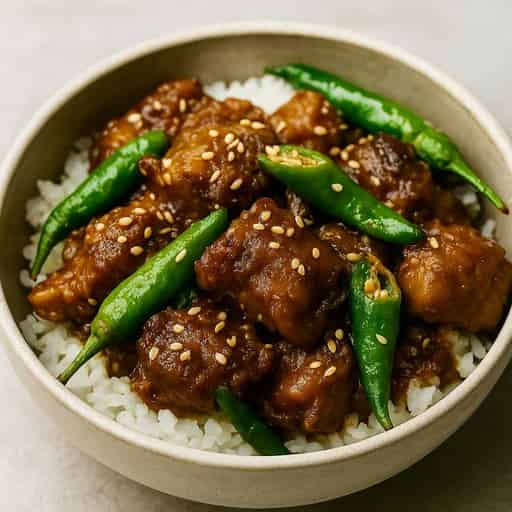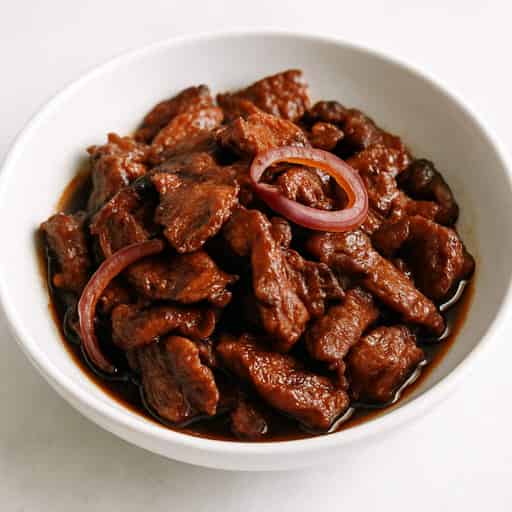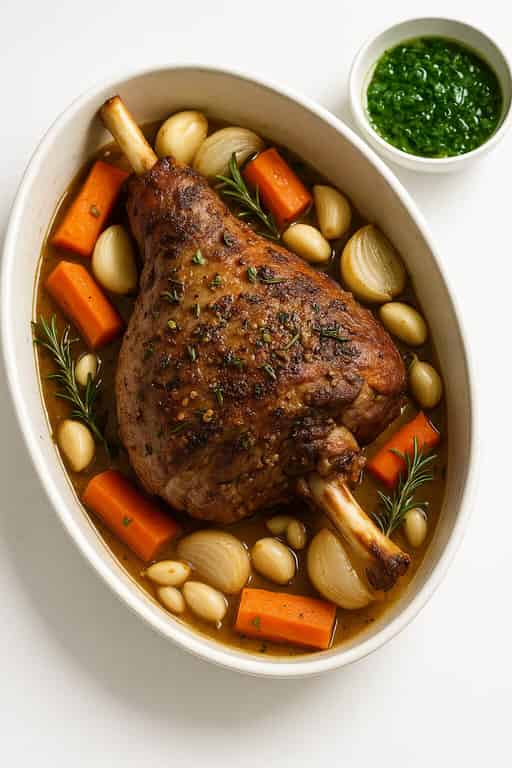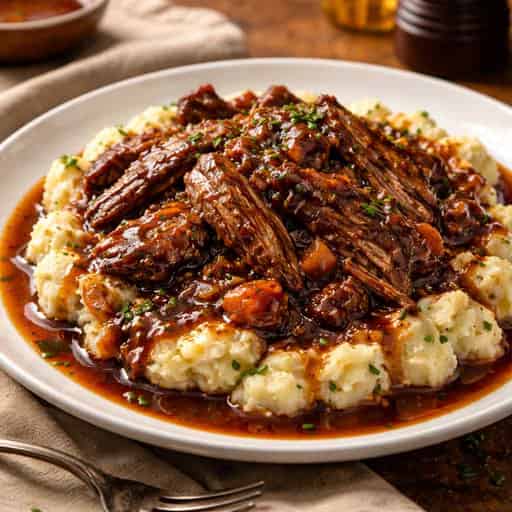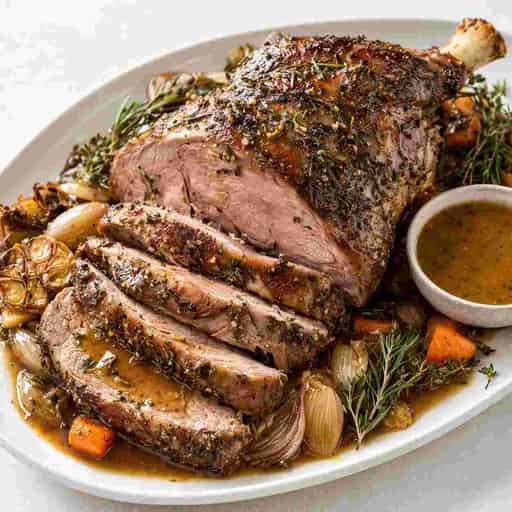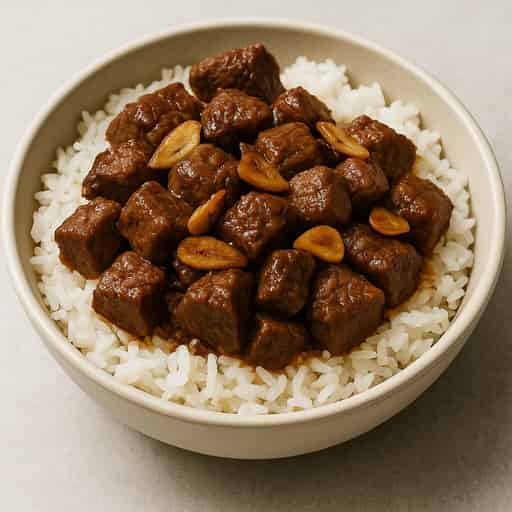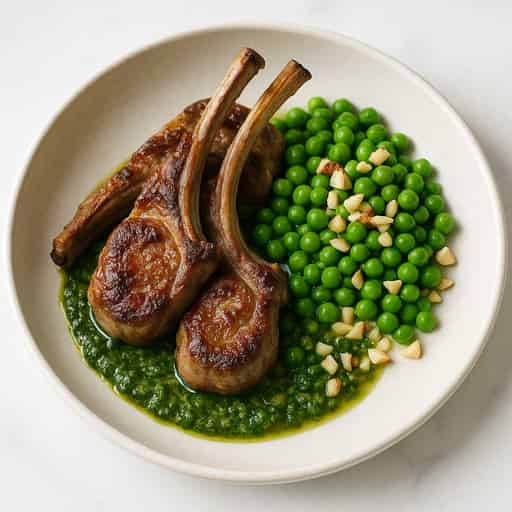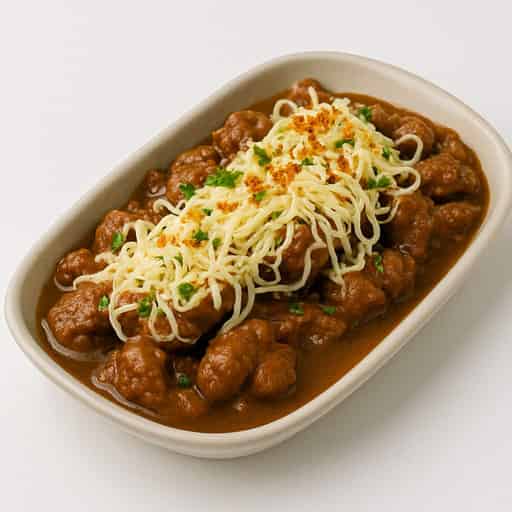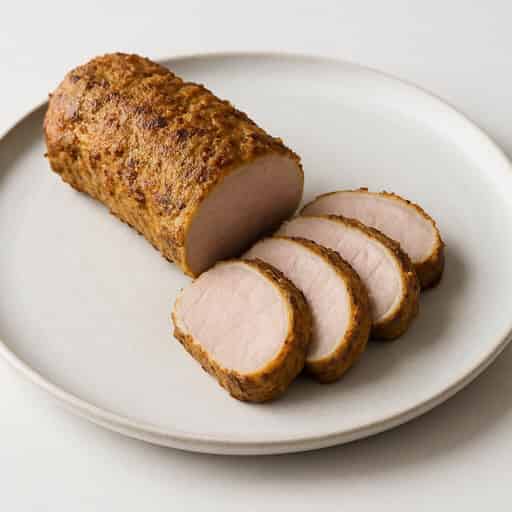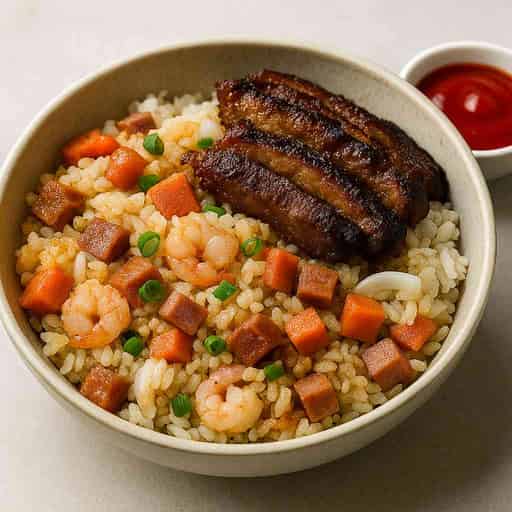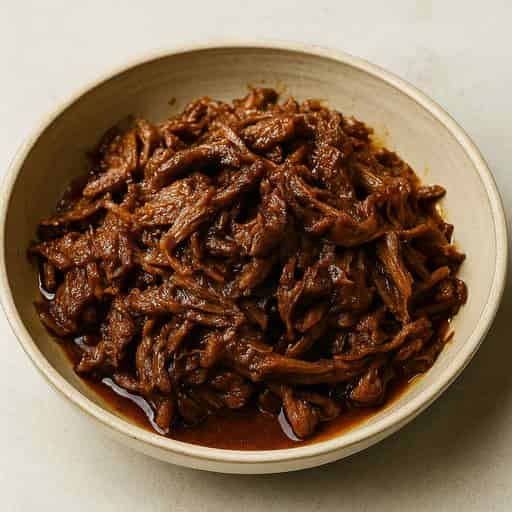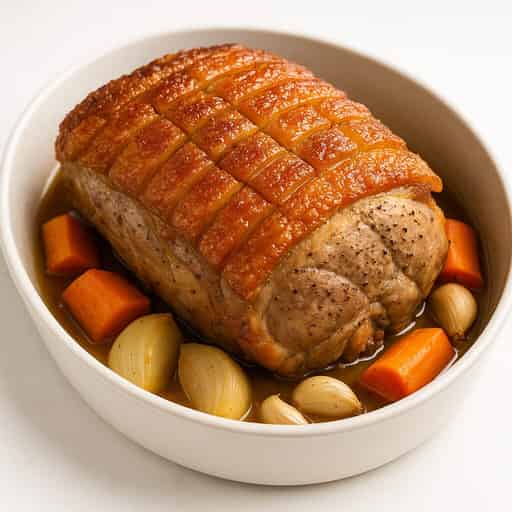
Slow-roasted pork shoulder with crisp crackling, tender meat, and practical guidance for drying the skin, roasting, resting, and carving.
Prep time
12 hr
Cook time
4 hr 30 min
Total time
16 hr 30 min
Servings
6
Recipe Snapshot
DifficultyMedium
MealLunch / Dinner
Meal PrepExcellent
Family FriendlyYes
Chef's Tips
Drying the skin uncovered in the fridge helps achieve the perfect crackling.
Use a thermometer: aim for 85–90°C for sliceable tenderness or 93–96°C for pull-apart pork.
Grill briefly at high heat only if the crackling needs final crisping.
Tools Used
We use affiliate links, which may earn us a small commission at no extra cost to you.
Ingredients
Ingredients
Servings
6 servings1×
Scale
Ingredient amounts update instantly.
Pork And Dry-Brine
Meat-Side Seasoning
Roasting Tin
Instructions
Dry-Brine the Pork
- 1
Score the pork skin if it isn’t already scored.
- 2
Rub the salt over the skin and leave the pork uncovered in the refrigerator overnight, or for at least 6 hours, to dry the surface.
- 3
On roasting day, bring the pork out for about 1 hour. Brush off excess salt and pat the skin completely dry.
Prepare the Roasting Tin
- 1
Heat the oven to 220°C conventional. Arrange the carrots, onions, and garlic in a roasting tin and add 150 ml of water or stock.
- 2
Rub the olive oil and black pepper over the meat side only. Keep the skin free from oil and liquid, then place the pork skin-side up on the vegetables.
Roast the Pork
- 1
Roast at 220°C for 25–30 minutes until the skin begins to blister.
- 2
Reduce the oven to 160°C conventional and roast for about 4 hours more, checking the internal temperature after 3½ hours.
- 3
Continue until the centre reaches 85–90°C for slices or 93–96°C for pull-apart tenderness. Cooking time varies with the shape of the joint.
Rest and Crisp the Crackling
- 1
Transfer the pork to a board and rest it uncovered for 20–30 minutes. If the crackling needs more colour, place it under a hot grill for 1–2 minutes and watch closely.
Plan This Recipe
Save this recipe to one of your meal plans or browse your existing plans.
Learn More
Everything you want to know about this recipe.
Slow-Roasted Pork Shoulder with Crackling
Slow-Roasted Pork Shoulder with Crackling
This pork shoulder is roasted slowly enough for the connective tissue to soften, then rested so the meat stays juicy beneath crisp, blistered crackling. The key is planning ahead: the skin needs several hours uncovered in the refrigerator, and a 2 kg joint needs more than a short roast to become tender.
The recipe gives two useful finish points. Cook to 85–90°C for pork that carves into soft slices, or continue to 93–96°C for meat that pulls apart easily. The exact time varies with the shape and thickness of the shoulder, so use the internal temperature as the final guide rather than the clock alone.
Why This Recipe Works
Why This Recipe Works
Crackling needs a dry surface. Salting the skin and leaving it uncovered draws out surface moisture, while the initial 220°C roast gives the skin enough heat to blister before the meat starts its slower cook. Keep oil, stock, and pan juices away from the skin; moisture will soften it.
The vegetables create a simple roasting rack and add flavour to the pan juices. The water or stock belongs at the base of the tin, not over the pork. The later 160°C roast is long enough for collagen to soften without burning the skin.
Rest the pork uncovered rather than sealing it tightly in foil. Trapped steam can undo the crisp crackling you worked to create. If the skin needs one final push, a brief hot-grill finish works, but it needs constant attention.
Crackling Troubleshooting
Crackling Troubleshooting
Why is the crackling soft?
The skin was not dry enough, or liquid reached the top during roasting. Pat it dry before cooking, keep the pork skin-side up, and avoid covering it while it rests. A short grill finish can restore crispness.
Why did the crackling burn before the pork was tender?
The joint may have been too close to the top element, or the high-heat stage ran too long. Keep the initial blast to 25–30 minutes, then reduce the oven to 160°C. If the skin is already dark, shield it loosely while the meat continues to cook, leaving enough space for steam to escape.
Should I cook to 75°C or 95°C?
Both temperatures describe different results. Around 75°C is a minimum safety reference for pork, but shoulder can still be firm there. Use 85–90°C for sliceable tenderness and 93–96°C when you want the collagen-rich meat to pull apart.
How long should pork shoulder rest?
Rest for 20–30 minutes. This gives the juices time to settle and lets the crackling remain exposed to dry air. Carve only after the rest, using a sharp knife to portion through the meat and crackling.
Serving and Storage
Serving and Storage
Serve with roast potatoes, mashed potatoes, steamed greens, apple sauce, or a gravy made from the strained pan juices. The recipe-card nutrition is an estimate for one of six servings and excludes side dishes; the amount of fat rendered and discarded will change the final values.
Refrigerate leftovers within two hours and use within three days. Store the crackling separately if possible, then reheat the pork uncovered in a hot oven or air fryer so the surface has a chance to crisp again. Shredded leftovers also work in sandwiches, rice bowls, tacos, and stir-fried noodles.
Nutrition Facts
Nutrition Facts
Serving Size: 1 of 6 servings, excluding side dishes
Calories 72036%
% Reference Intake*
Total Fat 52g74%
Saturated Fat 18g90%
Trans Fat 0g
Cholesterol 190mg
Sodium 1050mg
Total Carbohydrates 8g3%
Dietary Fiber 2g
Sugars 4g4%
Protein 53g106%
* Reference intakes are based on an average adult's 8,400 kJ / 2,000 kcal diet. Your needs may be higher or lower.
Community Reviews
See how other home cooks made this recipe, then share your own experience.
4.7
3 ratings
5
67%
4
33%
3
0%
2
0%
1
0%
How would you rate this recipe?
Share your experience and help others.
Mark T.
· 20 Aug 2026My crackling needed a short grill finish, but it puffed nicely without drying out the meat.
Priya S.
· 19 Aug 2026The thermometer guidance was useful. I cooked it until pull-apart tender and the meat was much better than when I followed the clock alone.
Daniel M.
· 18 Aug 2026Drying the skin overnight made the biggest difference. The shoulder was tender and the crackling stayed crisp after resting.
Create Your Own Recipe
Add your personal creations and build your own recipe collection.