02 September 2026
Filipino Spanish Bread Recipe (Soft and Buttery Rolls)
RecipeShare Test Kitchen
4.7(9 ratings)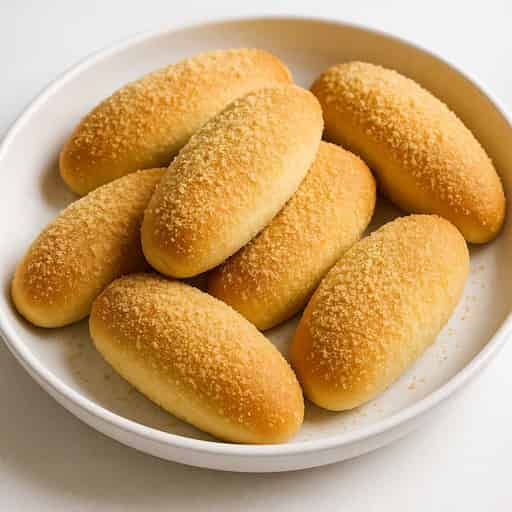
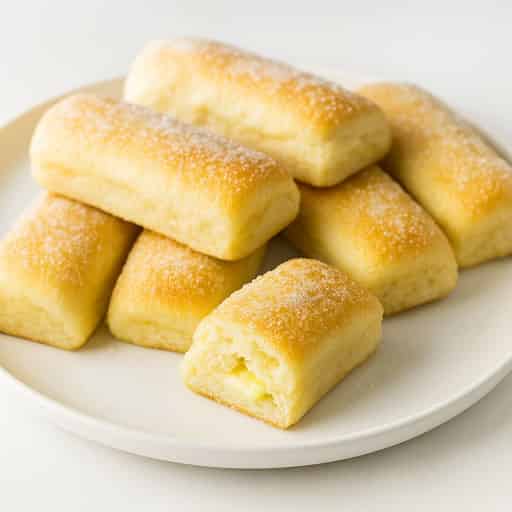
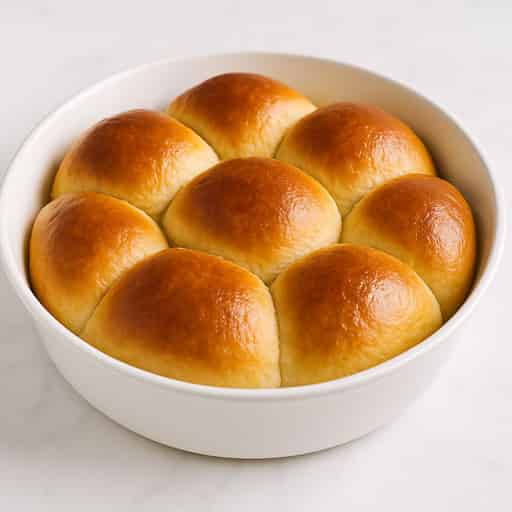
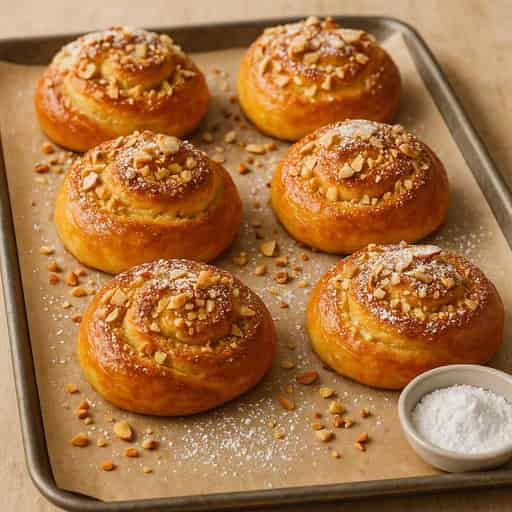
Soft Filipino Spanish bread rolls with a buttery brown-sugar breadcrumb filling and a golden breadcrumb coating, baked in a panaderia style.
Prep time
30 min
Cook time
20 min
Total time
50 min
Servings
20
Recipe Snapshot
DifficultyMedium
MealBreakfast / Snack
Freezer FriendlyYes
Family FriendlyYes
CuisineFilipino
Tools Used
Large Mixing Bowl(opens in a new tab)Medium-sized BowlBaking Sheet(opens in a new tab)Parchment Paper Or Silicone Mat(opens in a new tab)OvenWire Rack(opens in a new tab)
We use affiliate links, which may earn us a small commission at no extra cost to you.
Ingredients
Ingredients
Servings
20 servings1×
Scale
Ingredient amounts update instantly.
Dough
Filling
Topping
Instructions
Make the Dough
- 1
Combine the bread flour, instant dry yeast, and fine salt in a large bowl.
- 2
In a second bowl, mix the water, eggs, and brown sugar.
- 3
Gradually pour the wet mixture into the dry ingredients and mix until a rough dough forms.
- 4
Add the softened butter and knead until the dough is smooth, elastic, and only slightly tacky.
- 5
Cover and let the dough rise in a warm, draught-free place until doubled in size. This usually takes about 60–90 minutes, depending on room temperature.
Prepare the Filling
- 1
Mix the margarine or butter, white sugar, brown sugar, and fine bread crumbs until a soft, spreadable filling forms.
- 2
If the filling feels runny, chill it briefly; if it is too firm to spread, let it soften at room temperature.
Shape and Proof
- 1
Divide the risen dough into 20 equal pieces and shape each into a small oval.
- 2
Roll each piece into a thin oval, spread with filling while leaving a narrow border, then roll it up and pinch the seam closed.
- 3
Place seam-side down on a lined baking sheet, brush lightly with butter, and coat with the topping bread crumbs.
- 4
Cover and let the shaped rolls rise until visibly puffy and close to doubled.
Bake
- 1
Bake at 350°F (175°C) for 20–25 minutes, until the rolls are lightly golden and cooked through.
- 2
Cool on a wire rack for at least 10 minutes before serving so the filling can settle.
Plan This Recipe
Save this recipe to one of your meal plans or browse your existing plans.
Learn More
Everything you want to know about this recipe.
Filipino Spanish Bread: A Soft Panaderia Classic
Filipino Spanish Bread: A Soft Panaderia Classic
Filipino Spanish bread is a sweet filled roll commonly found in Filipino bakeries and enjoyed as merienda. The name can be misleading: this is a Filipino panaderia favourite, with enriched dough wrapped around a buttery brown-sugar breadcrumb filling and finished with a breadcrumb coating.
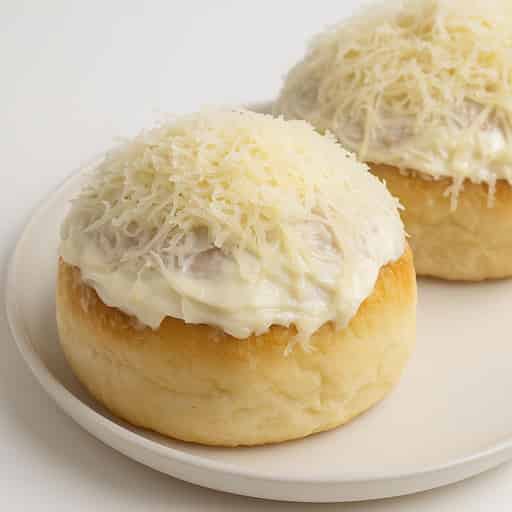
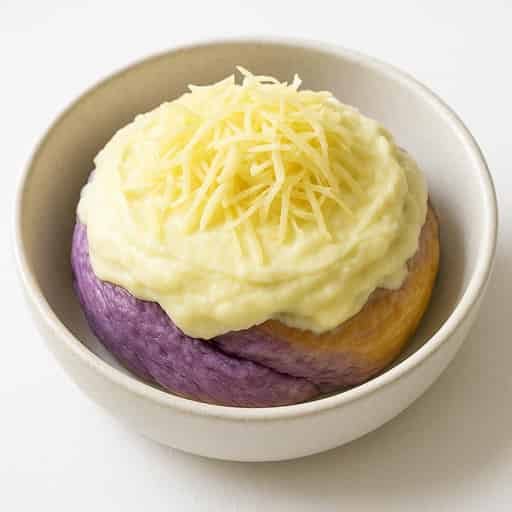
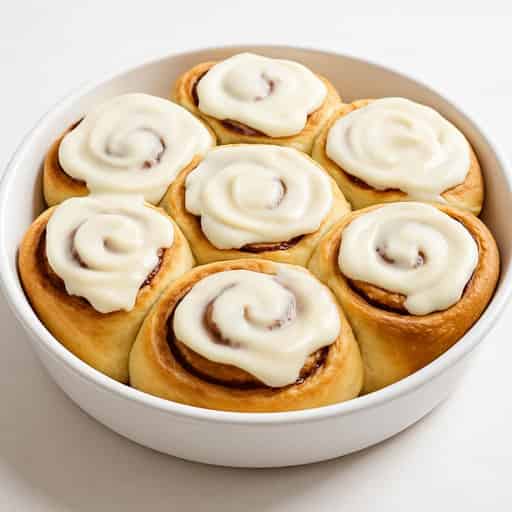
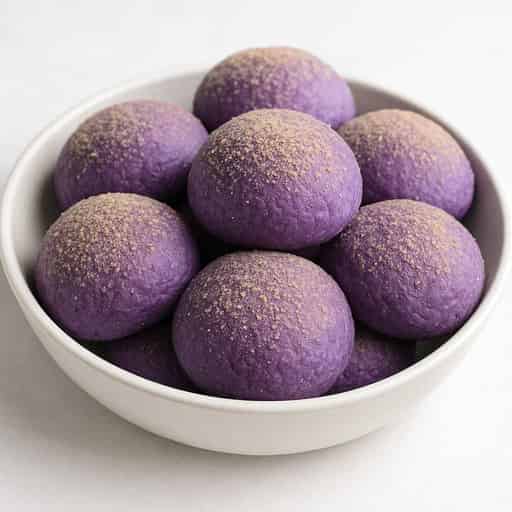
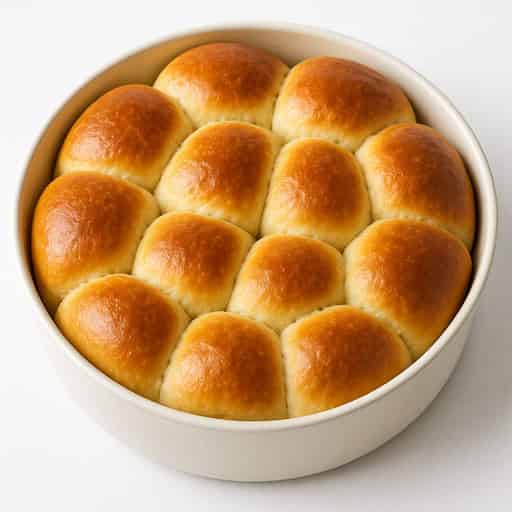
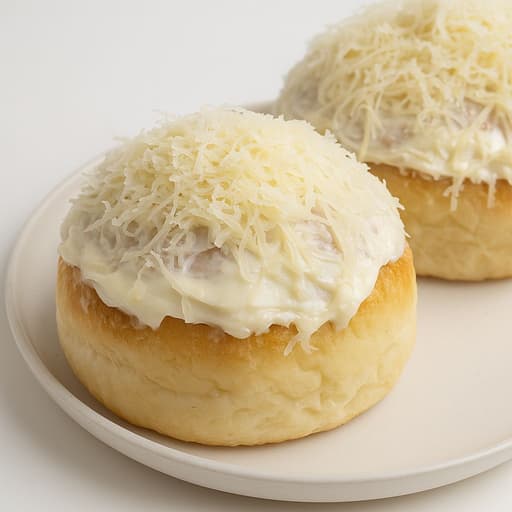
This baked version is soft and tender rather than crisp or fried. The crumb is gently enriched, while the filling becomes soft and almost gooey as the rolls cool. For a related Filipino bakery bake, compare the richer topping and shaping of bakery-style ensaymada with the simpler dough and filling here. You can also serve these alongside easy pandesal or ube pandesal for a Filipino breakfast or merienda spread.
Why This Recipe Works
Why This Recipe Works
The bread flour gives the dough enough strength to hold the filling, while the eggs, sugar, and butter make the crumb tender. Kneading develops the gluten needed for a light roll rather than a dense bun. Two rises matter: the first develops the dough, and the second gives the shaped rolls enough lift before baking.
The breadcrumb filling is more than a sweet spread. Breadcrumbs absorb the melted fat and sugar, helping the filling stay inside the roll and creating the slightly grainy, buttery texture associated with Filipino bakery Spanish bread. Margarine gives the most traditional soft filling; butter brings a fuller dairy flavour but can firm up more as it cools.
Getting the Filling and Shape Right
Getting the Filling and Shape Right
The filling should be soft enough to spread but not glossy or runny. If it warms up while you work, chill it for a few minutes. Roll the dough into a thin oval, leave a narrow border around the filling, and avoid stretching the dough as you close the seam. A seam placed underneath keeps the roll closed while it proofs.
The dough should feel smooth and elastic after kneading and slightly tacky rather than wet. During both rises, judge the dough by how it looks and feels: it should become noticeably lighter and puffy. A cool kitchen can make the rise take longer, while an overly warm place can cause the dough to overproof and weaken.
Troubleshooting
Troubleshooting
- Dry rolls: They may have baked too long or the dough may have been heavily floured during kneading. Bake only until lightly golden and use a light touch with extra flour.
- Poor rise: Check that the yeast is in date, and allow more time if the room is cool. The dough should visibly expand before shaping.
- Sticky dough: Knead for a few more minutes before adding flour. A little tackiness is normal; too much extra flour makes the rolls heavy.
- Filling leaks: Keep the filling away from the edge, seal the seam firmly, and avoid overfilling or tearing the oval.
- Open or dry coating: Brush very lightly and use an even layer of topping breadcrumbs rather than pressing on a thick coating.
Storage and Make-Ahead
Storage and Make-Ahead
Spanish bread is best on the day it is baked, but it keeps in an airtight container for 1–2 days. Reheat briefly in a low oven to soften the crumb and filling. For longer storage, freeze the cooled rolls in a sealed container for up to 2 months and thaw before reheating.
The shaped rolls can also be refrigerated before the second rise, covered tightly, then brought back toward room temperature and allowed to become puffy before baking. Do not bake them straight from the refrigerator without checking that the second proof is complete.
Source Note
Source Note
This RecipeShare version is adapted from the linked Chef RV Spanish Bread reference and independently edited for clarity. RecipeShare is not affiliated with or endorsed by Chef RV Manabat.
Nutrition Facts
Nutrition Facts
Serving Size: 75g
Calories 33017%
% Reference Intake*
Total Fat 16g23%
Saturated Fat 5g25%
Trans Fat 0g
Cholesterol 25mg
Sodium 260mg
Total Carbohydrates 42g16%
Dietary Fiber 1g
Sugars 18g20%
Protein 5g10%
* Reference intakes are based on an average adult's 8,400 kJ / 2,000 kcal diet. Your needs may be higher or lower.
FAQs
What is Filipino Spanish Bread?
Spanish Bread is a Filipino bakery classic—soft, sweet rolls filled with a buttery-sugar filling and coated in breadcrumbs. Despite the name, it’s a uniquely Filipino creation and a popular merienda treat.
Can I use butter instead of margarine for the filling?
Yes, butter works beautifully and adds a richer flavor. Margarine is traditional and gives a softer texture, but both are delicious options.
Why is my Spanish Bread dense instead of fluffy?
A dense texture usually means the dough wasn’t kneaded enough or didn’t rise properly. Make sure to knead until smooth and let it double in size before shaping.
Can I make Spanish Bread ahead of time?
Yes, you can prepare the dough a day ahead and let it rise slowly in the fridge. You can also freeze baked rolls and reheat before serving.
What do you serve Spanish Bread with?
It’s best enjoyed warm with a cup of coffee, tea, or hot chocolate. Many Filipinos also pair it with savory breakfasts for balance.
Community Reviews
See how other home cooks made this recipe, then share your own experience.
4.7
9 ratings
5
67%
4
33%
3
0%
2
0%
1
0%
How would you rate this recipe?
Share your experience and help others.
Daniel M.
· 9 Aug 2026Mine needed a little longer to proof because the kitchen was cool, but the rolls baked up light and the breadcrumb coating stayed nicely tender.
Bea R.
· 18 Jun 2026The dough was soft and easy to shape. Chilling the filling made a big difference and kept it from leaking while I rolled the bread.
Liza G.
· 26 Jul 2025My family finished these in minutes. Next time, I’ll make extra filling for an even gooier centre.
Carlo V.
· 25 Apr 2025I froze half the batch and reheated the rolls; they were still soft and tasty. Great for meal prep!
Tita Rose
· 24 Apr 2024These brought back so many memories. I shared them with my church group and they disappeared fast!
Leo M.
· 23 Jan 2024Really easy to follow. My rolls weren’t as golden as pictured, but they were still very tasty. I’ll try again!
Jen D.
· 23 Nov 2023I used butter instead of margarine and the rolls came out beautifully. Perfect with a cup of coffee!
Brian C.
· 22 Jul 2023Soft, buttery, and nostalgic. The filling is spot on, and I added a little vanilla to the dough for a twist.
Maria S.
· 21 May 2023Absolutely delicious! Tastes just like the Spanish Bread from our neighborhood bakery back home. My kids loved it too!
Browse this topic
Create Your Own Recipe
Add your personal creations and build your own recipe collection.