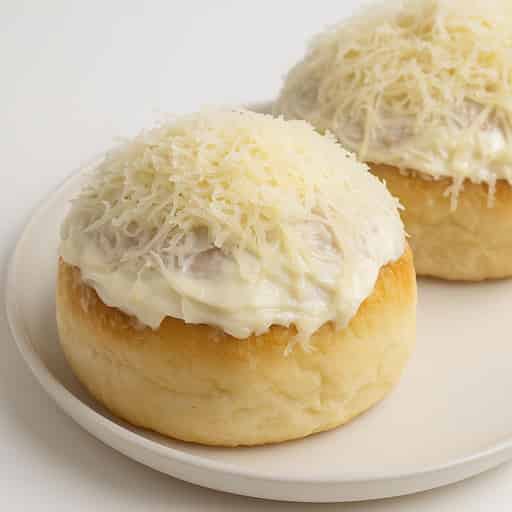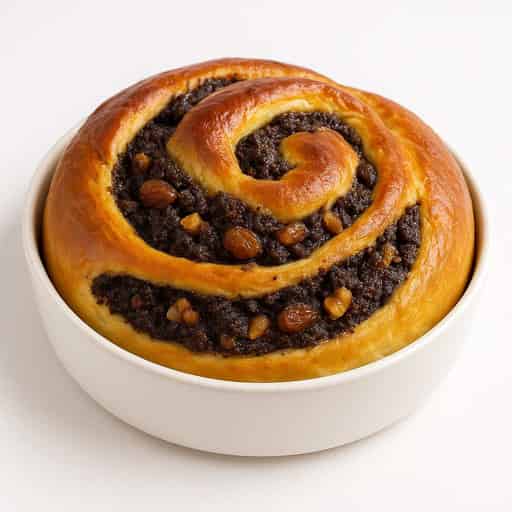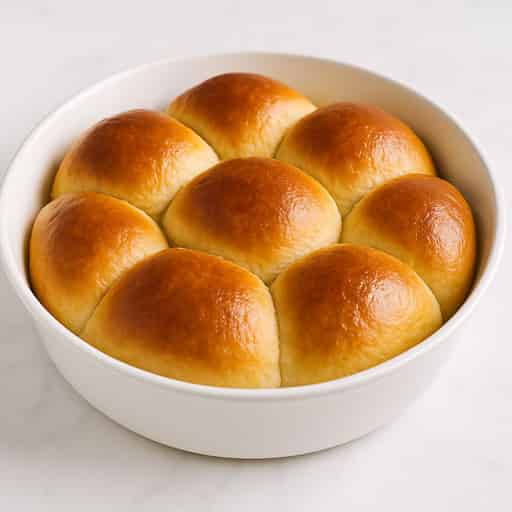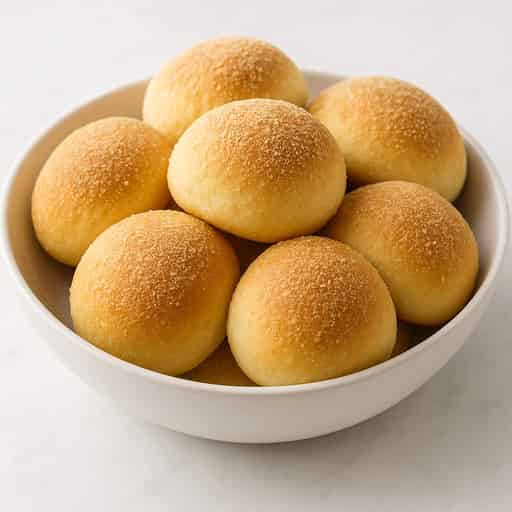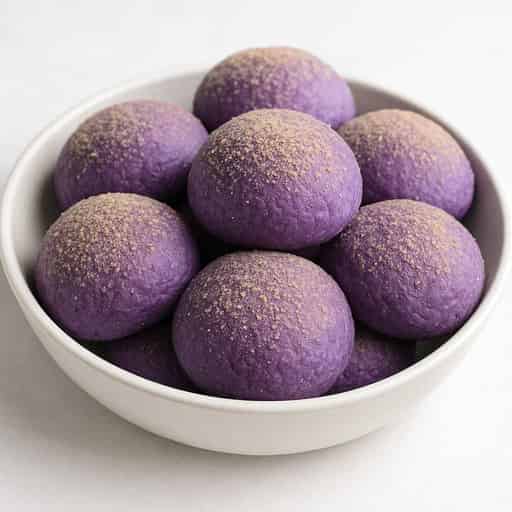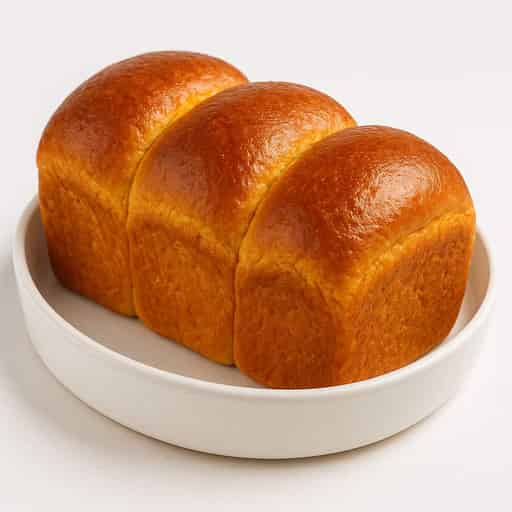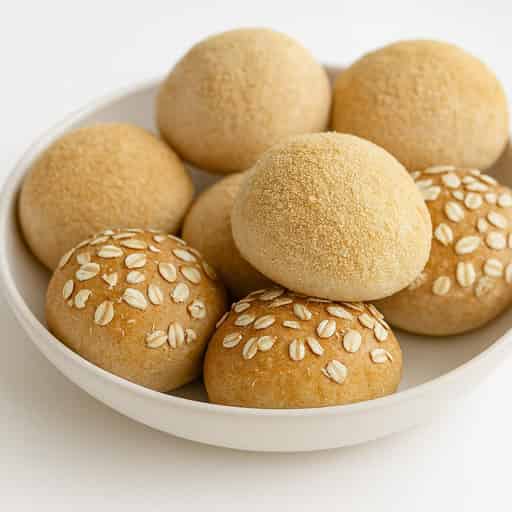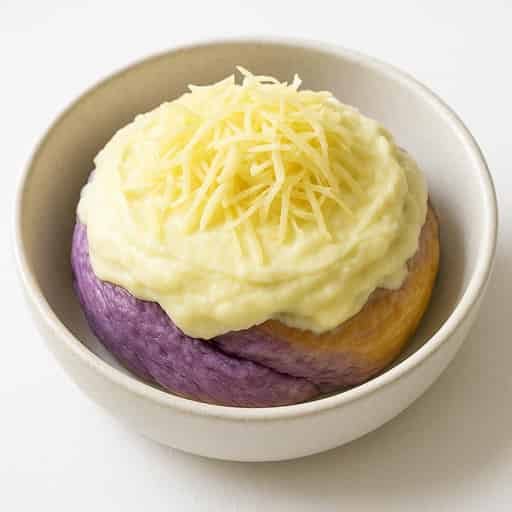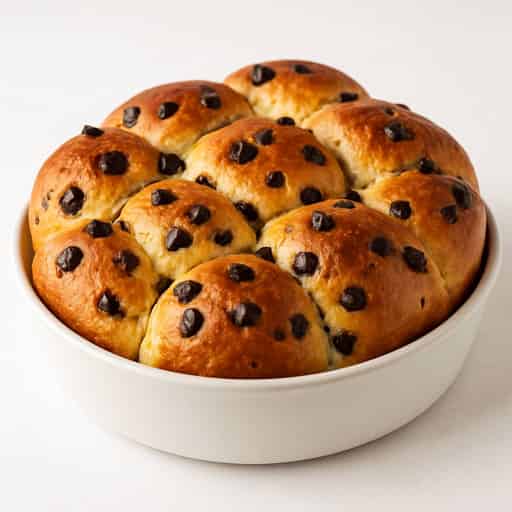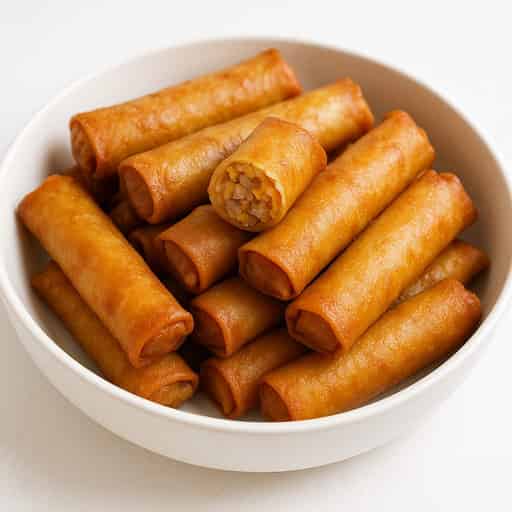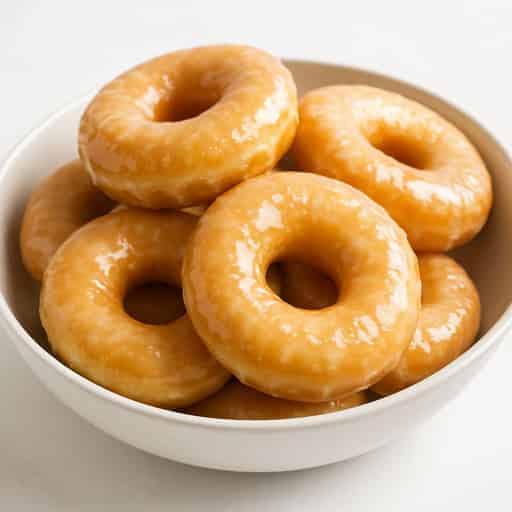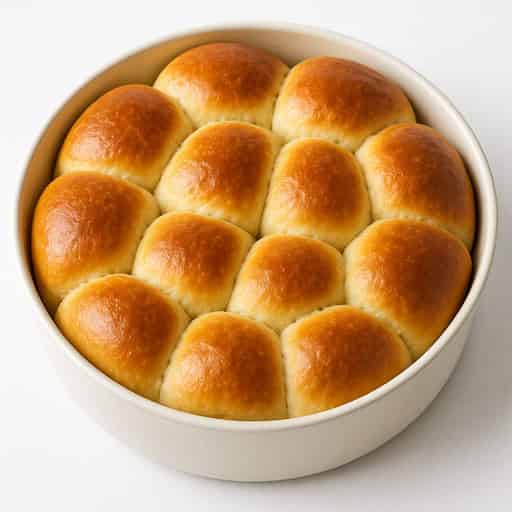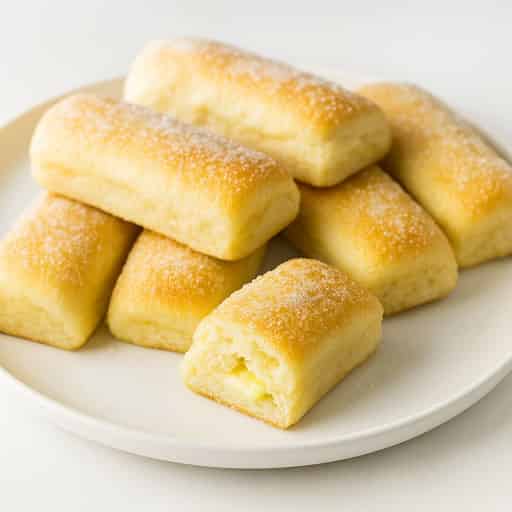
Filipino ensaymada made with tangzhong for a soft, buttery, cheesy brioche suited to merienda, sharing, or gifting.
Prep time
1 hr 30 min
Cook time
20 min
Total time
1 hr 50 min
Servings
24
Chef's Tips
Make sure Tangzhong cools to room temperature before adding to the dough.
Keep milk and butter below 30°C (90°F) to protect the yeast.
Chill shaped rolls 10–15 minutes if the dough is sticky.
Aim for a warm proofing environment (26–30°C); cooler rooms will slow the rise.
Divide evenly (about 53g each) for uniform baking and texture.
Windowpane test: dough should stretch thin without tearing for best softness.
For extra tender crumb, swap 25–50% of flour for bread flour.
Freeze baked, undecorated rolls up to 1 month; thaw, then butter/sugar/cheese before serving.
Tools Used
Food Scale(opens in a new tab)Stand Mixer(opens in a new tab)Baking PanParchment Paper(opens in a new tab)BrushWire Rack(opens in a new tab)
We use affiliate links, which may earn us a small commission at no extra cost to you.
Ingredients
Ingredients
Servings
24 servings1×
Scale
Ingredient amounts update instantly.
Tangzhong
Dough
Filling
Instructions
Prepare the Tangzhong
- 1
Combine milk and flour in a saucepan. Whisk until smooth.
- 2
Heat over medium, stirring constantly until a thick paste forms and a film appears at the bottom.
- 3
Let cool to room temperature.
Make the Dough
- 1
Warm the milk (no hotter than 30°C). Bloom the yeast if needed.
- 2
In a large bowl, mix flour, salt, and sugar.
- 3
Add egg yolks, cold butter, and cooled Tangzhong.
- 4
Knead until smooth and elastic, by hand or stand mixer.
- 5
Place dough in greased bowl, cover, and let rise until doubled.
Shape and Fill
- 1
Punch down the dough and divide into 24 equal pieces (about 53g each).
- 2
Flatten each piece into a rectangle slightly wider than the cheese stick.
- 3
Place cheese in the center and roll into a log.
Final Proof and Bake
- 1
Place shaped dough on baking tray lined with parchment.
- 2
Cover and let rise until doubled in size.
- 3
Preheat oven to 170°C (340°F). Bake until golden brown.
Finish and Serve
- 1
Cool ensaymadas to room temperature on a wire rack.
- 2
Brush tops with melted butter, then sprinkle with sugar and cheese.
Plan This Recipe
Save this recipe to one of your meal plans or browse your existing plans.
Learn More
Everything you want to know about this recipe.
The Origins of Ensaymada
The Origins of Ensaymada
The ensaymada Filipinos know and love today traces its roots back to Spain, specifically Mallorca.
The name itself is derived from the Spanish word "ensaïmada," a pastry from the Balearic Islands.
Over time, this treat found its way to the Philippines during the Spanish colonization, and Filipinos embraced and adapted it, adding their unique touch.
This style of ensaymada is known for especially soft, pillowy rolls, which is the texture this version aims to recreate at home.
The secret to super soft Ensaymada is its high liquid content. In technical terms, it has around 80% of liquid to flour ratio.
This recipe uses Tangzhong which allows the dough to absorb lots of liquid without it becoming too unmanageable to handle.
When making this recipe, be sure you are working in a cool environment and try not to get your dough too warm or it will stick everywhere!
Ingredients
Ingredients
Tangzhong
- 250g whole milk
- 83g all-purpose flour
Dough
- 167g whole milk
- 1 tsp instant yeast
- 550g all-purpose flour
- 1 tsp salt
- 120g sugar
- 4 egg yolks
- 113g butter
Cheese Insert
- 500g cheese strips
Optional Toppings
- Soft butter (not melted)
- Sugar
- Grated cheedar cheese
Instructions
Instructions
Making the Tangzhong
- Combine the milk and flour in a pan then mix with a whisk until the lumps have dissolved.
- Transfer over medium heat then stir continuously until it forms a thick paste and a thin film has fomred at the bottom of the pan.
- Let cool to room temperature, maximum 30C or 90F.
Making the Dough
- Warm the milk slightly maximum 30C or 90f. Bloom the yeast as necessary with the milk. If using fast action yeast, you can skip this step.
- In a mixing bowl, combine the flour, salt, and sugar. Make a well in the center and add the egg yolks, and the room temperature (maximum 30C or 90F) Tangzhong mixture. Start kneading until incorporated into a rough dough. Add cold butter chopped into cubes and continue kneading until fully incporporated.
- Knead the dough until smooth and elastic. To test, try to pull the dough gently and if it forms a very thin film then you're good to go. Place in a greased bowl, cover with cling wrap, and let it rise in the fridge overnight. Be sure your bowl is big enough to let the dough expand.
- Once risen, divide into 24 portions, around 53g each. Avoid putting additional flour into the dough at this stage. Smooth the dough into balls, then flip the smooth side down. Using a rolling pin, shape each dough into a rectagle with the width slightly longer than your cheese stick so that you can fold in the dough to the cheese. Roll into a into a log with the cheese strips in the center.
- Place the coiled dough on a baking tray, cover, and let it rise again until double in size.
- Preheat the oven to 170C or 340F and bake until golden brown. Once out of the oven cool on a wire rack until room temperature.
Topping and Serving
- Once the ensaymadas have cooled completely, optionally bursh with some soft butter (not melted).
- Sprincle with some sugar and top with grated cheddar cheese.
- Serve warm and enjoy!
The Perfect Pairings
The Perfect Pairings
This buttery, cheesy ensaymada pairs beautifully with a cup of hot chocolate or coffee. For a more festive touch, serve it alongside fruit salads or even a scoop of vanilla ice cream.
Ingredient Substitutes
Ingredient Substitutes
If you're unable to find certain ingredients, don't fret! Here are some alternatives:
- All-purpose flour: You can use bread flour for a chewier texture.
- Whole milk: Almond or soy milk can be used for a dairy-free version.
- Cheese strips: Grated cheddar or mozzarella can be a good substitute.
Nutritional Information
Nutritional Information
Per serving of 100g (around 1.5 rolls), this dish has around:
- Calories: 320
- Carbohydrate Content: 45g
- Cholesterol Content: 85mg
- Fat Content: 12g
- Protein Content: 8g
- Saturated Fat Content: 7g
- Sodium Content: 300mg
- Sugar Content: 15g
- Trans Fat Content: 0g
- Unsaturated Fat Content: 4g
Please note that these values are estimates only and may vary based on the specific ingredients used.
Tips and Tricks
Tips and Tricks
- Be sure you measure the temperature of the milk. It should not be hotter than 30C or 90F or the yeast will die and your dough will not rise.
- For an even softer and more tender texture, use bread flour instead of all purpose flour.
- Do not add any additional flour to make the dough less sticky. Use the slap and fold method to prevent the dough from sticking or grease your hand with some shortening or oil.
- It is precisely the quantity of liquid in the dough that makes these cheese rolls very soft. So don't try to make them less sticky by dusting them with more flour.
- Make sure to let the dough rise in a warm place to activate the yeast and allow the dough to expand.
- If you don't have cheese sticks, you can use any type of cheese you like. Grate the cheese into small pieces and place them on top of the dough before rolling it into a log.
- You can also experiment with different toppings like chocolate or ube jam for a fun and unique twist.
- If you live in a cold climate, use your oven as a proofing room by boiling some water on a kettle and poring it over a dish placed at the bottom of the oven. The oven should be turned off. The temperature inside the oven should be around 30C or 90F.
FAQs
FAQs
What is Ensaymada?
Ensaymada is a traditional Filipino pastry that is soft and buttery, topped with butter, sugar, and grated cheese.
What is the origin of Ensaymada?
Ensaymada has Spanish roots and was brought to the Philippines during the Spanish colonial era.
How long does it take to make Ensaymada?
It takes around 3-4 hours to make Ensaymada, including the rising and baking time. This can be longer for cooler climates as the dough will rise slower.
How should Ensaymada be stored?
Store Ensaymada in an airtight container at room temperature for up to 3 days. You can also freeze them for up to a month.
Can I use margarine instead of butter?
While you can use margarine as a substitute for butter, it may affect the taste and texture of the Ensaymada. It is best to use butter.
Nutrition Facts
Nutrition Facts
Serving Size: 100g
Calories 32016%
% Reference Intake*
Total Fat 12g17%
Saturated Fat 7g35%
Trans Fat 0g
Cholesterol 85mg
Sodium 300mg
Total Carbohydrates 45g17%
Dietary Fiber 1g
Sugars 15g17%
Protein 8g16%
* Reference intakes are based on an average adult's 8,400 kJ / 2,000 kcal diet. Your needs may be higher or lower.
FAQs
Can I use bread flour instead of all-purpose?
Yes. Using 25–50% bread flour increases chew while keeping a soft crumb, especially with tangzhong.
Which cheese works best?
Sharp cheddar gives that classic flavour. Quick-melt cheeses work but may weep oil—grate finely and use lightly.
Why is my dough so sticky?
High hydration is intentional. Chill briefly, oil your hands, or use the slap-and-fold method instead of adding more flour.
Can I make the dough ahead?
Yes. First rise overnight in the fridge (8–12 hours). Shape cold the next day, proof, then bake.
How do I freeze ensaymada?
Freeze baked, undecorated rolls in airtight bags up to 1 month. Thaw, warm briefly, then butter, sugar, and cheese before serving.
Community Reviews
See how other home cooks made this recipe, then share your own experience.
4.8
13 ratings
5
77%
4
23%
3
0%
2
0%
1
0%
How would you rate this recipe?
Share your experience and help others.
Grace
· 10 Sept 2025Closest copycat I’ve tried. The tangzhong keeps them soft for days—kids devoured them!
Yuki
· 6 Aug 2025Swapped cheddar for mozzarella + a sprinkle of sugar—more subtle but still lovely and soft.
Marco
· 28 Jul 2025Dough was sticky but the windowpane test helped me know when to stop mixing. Turned out amazing.
Bea
· 15 Jul 2025I froze a batch after baking and reheated—still soft! Great for gifting during the holidays.
Ian
· 18 Jun 2025Used half bread flour and the crumb was super pillowy. Brushed with butter and topped with lots of cheese—perfect!
Paolo
· 11 May 2025This ensaymada recipe is a winner. Brought some to a potluck and everyone thought I bought them from a bakery!
Nadine
· 9 Feb 2025Good recipe but I struggled with the dough being too sticky even after chilling. Might add a bit more flour next time.
Luis
· 7 Sept 2024Reminded me of my childhood merienda! I reduced the sugar a bit and it still tasted great. Thank you for this recipe.
Trisha
· 5 Aug 2024A bit labor-intensive for a beginner, but totally worth the effort. The Tangzhong step is genius—it makes the dough unbelievably soft.
Mei
· 3 Jun 2024I swapped out some of the butter for margarine and used quick-melt cheese. Still turned out soft and cheesy. Love it!
Carlo
· 1 Mar 2024Really good copycat recipe. I chilled the dough before rolling as suggested and it made shaping so much easier. Will definitely make again!
Ana
· 30 Nov 2023This was spot-on! The texture is so soft and fluffy—exactly like the ones from a bakery. I followed everything to the letter and they came out perfect.
Sofia
· Invalid DateOvernight proof in the fridge was a game changer. Baked in a muffin tin and they kept their shape beautifully.
Create Your Own Recipe
Add your personal creations and build your own recipe collection.