24 August 2026
Sotanghon Guisado (Filipino Glass Noodle Party Noodles)
RecipeShare Test Kitchen
4.8(5 ratings)
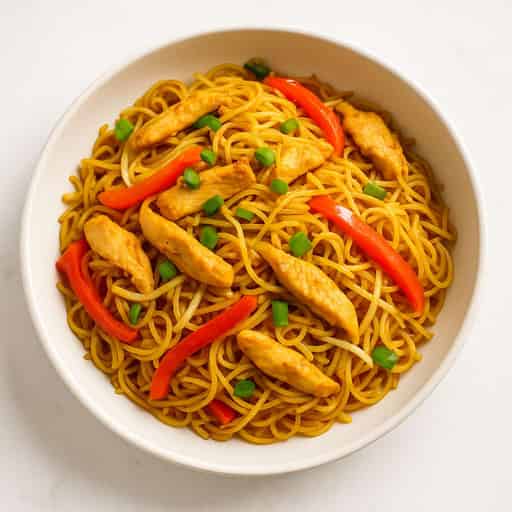
Filipino sotanghon guisado with chicken, Chinese sausage, carrots, toasted garlic, and boiled eggs. A savoury glass noodle dish made for sharing.
Prep time
25 min
Cook time
25 min
Total time
50 min
Servings
10
Recipe Snapshot
DifficultyMedium
MealLunch / Dinner
Meal PrepExcellent
Family FriendlyYes
CuisineFilipino
Chef's Tips
Cut the chicken into thin strips so it cooks quickly without drying out.
Cook the noodles in the seasoned broth so they absorb flavour as they soften.
Keep a little hot stock nearby if the noodles need loosening before serving.
Cook in a wide pan so the noodles hydrate evenly instead of clumping.
Tools Used
Chopping Board(opens in a new tab)Chef's Knife(opens in a new tab)TongsMixing Bowl(opens in a new tab)Ladle
We use affiliate links, which may earn us a small commission at no extra cost to you.
Ingredients
Ingredients
Servings
10 servings1×
Scale
Ingredient amounts update instantly.
Aromatics, Chicken, And Sausage
Seasoned Broth
Noodles And Vegetables
Finish And Garnish
Instructions
Build the Flavour Base
- 1
Heat the oil in a wide wok or deep saute pan over medium heat.
- 2
Add the garlic and cook until lightly golden and fragrant.
- 3
Add the onion and Chinese sausage. Cook until the onion softens and the sausage releases some fat.
- 4
Add the chicken and stir-fry just until the outside turns opaque.
Make the Broth
- 1
Add the water, chicken broth cube or powder, fish sauce, vinegar, sugar, and black pepper.
- 2
Bring to a steady boil, then simmer for 3-4 minutes so the seasoning settles and the chicken cooks through.
- 3
Taste the broth before adding the noodles. Add salt or fish sauce only if it needs more seasoning.
Cook the Noodles and Carrots
- 1
Add the sotanghon directly to the simmering broth. Use tongs to push the noodles under the liquid and separate them gently.
- 2
Add the carrots and toss regularly until the noodles are tender and have absorbed most of the broth, about 5-8 minutes. Add a splash of hot water if the pan dries before the noodles soften.
Finish and Serve
- 1
Turn off the heat while the noodles still have a slight bite. Toss through the sesame oil.
- 2
Transfer the sotanghon to a large platter or bilao and top with toasted garlic, spring onions, and sliced eggs.
- 3
Serve hot or warm. Keep extra hot stock nearby if the noodles will sit before serving.
Plan This Recipe
Save this recipe to one of your meal plans or browse your existing plans.
Learn More
Everything you want to know about this recipe.
Sotanghon Guisado (Filipino Glass Noodle Party Noodles)
Sotanghon Guisado (Filipino Glass Noodle Party Noodles)
Sotanghon guisado is a Filipino glass noodle dish in which thin vermicelli absorbs a savoury broth along with aromatics, meat, and vegetables. This party version combines chicken breast, Chinese sausage, carrots, toasted garlic, spring onions, and boiled eggs for a platter that works at a handaan, potluck, or family lunch.
Unlike a dry stir-fry where the noodles are soaked separately, this method cooks the sotanghon directly in the seasoned broth. That gives the noodles more flavour, but it also means the liquid ratio and timing matter. Use a wide pan, separate the strands with tongs, and keep a little hot stock ready in case the noodles need loosening before serving.
Why This Method Works
Why This Method Works
The garlic, onion, and Chinese sausage create the savoury base before the liquid is added. Searing the sausage with the aromatics releases some of its fat and gives the broth more depth. Chicken breast goes in before the broth only long enough to lose its raw surface; it finishes gently while the broth simmers.
Fish sauce provides the main salty seasoning, while a small amount of vinegar keeps the dish from tasting heavy. Sugar rounds out the sharpness rather than making the noodles sweet. Taste the broth before adding extra salt because the broth cube, fish sauce, and sausage all contribute sodium.
How to Keep Sotanghon From Becoming Watery or Gummy
How to Keep Sotanghon From Becoming Watery or Gummy
Add the dry noodles only after the broth is boiling. Push them below the surface and separate them gently with tongs instead of stirring aggressively, which can break the strands. The noodles should absorb most of the broth in 5-8 minutes.
If the pan dries while the noodles are still firm, add hot water one splash at a time. If there is still a pool of liquid once the noodles are tender, increase the heat briefly and toss until the excess evaporates. Do not leave the noodles simmering after they are soft or they can become gummy.
Party Serving and Make-Ahead Notes
Party Serving and Make-Ahead Notes
Transfer the finished noodles to a wide platter or bilao so steam can escape. Toasted garlic, spring onions, and sliced eggs make the dish feel generous, while the eggs add richness to the lighter chicken and noodles. Serve with calamansi, chilli vinegar, or a simple cucumber and tomato side if you want freshness.
For a party, cook the noodles shortly before serving and keep extra hot stock near by. If the dish must sit, toss it occasionally and loosen it with stock before plating. Refrigerate leftovers in a covered container for up to 3 days and reheat gently with water or stock.
Variations
Variations
Replace part of the chicken with prawns, but add them only near the end so they do not overcook. For a meat-free version, omit the chicken and Chinese sausage, use vegetable stock, and add mushrooms, cabbage, or extra carrots. The finished dish will be lighter, so season gradually and add toasted garlic for depth.
Nutrition Estimate
Nutrition Estimate
Each portion provides approximately 480 calories, 24 g protein, and 57 g carbohydrates. Sodium is estimated at 1,150 mg and will vary with the fish sauce, broth cube, Chinese sausage, and the amount of extra seasoning added.
Nutrition Facts
Nutrition Facts
Serving Size: 1 portion (about 1/10 of recipe)
Calories 48024%
% Reference Intake*
Total Fat 18g26%
Saturated Fat 5g25%
Trans Fat 0g
Cholesterol 115mg
Sodium 1150mg
Total Carbohydrates 57g22%
Dietary Fiber 2g
Sugars 7g8%
Protein 24g48%
* Reference intakes are based on an average adult's 8,400 kJ / 2,000 kcal diet. Your needs may be higher or lower.
FAQs
Should I soak sotanghon before cooking?
Not for this method. Add the dry noodles directly to the seasoned broth so they absorb the flavour. If your brand specifically requires soaking, follow its packet instructions and reduce the broth slightly.
How do I keep the chicken breast tender?
Slice it thinly across the grain and cook it only until opaque before the broth goes in. The chicken will finish cooking as the broth simmers; long boiling makes breast meat firm.
How do I reheat sotanghon guisado without drying it out?
Add a splash of water or hot chicken stock, cover, and reheat gently in a pan, tossing until hot. The noodles continue absorbing liquid as they sit, so loosen them before serving.
Community Reviews
See how other home cooks made this recipe, then share your own experience.
4.8
5 ratings
5
80%
4
20%
3
0%
2
0%
1
0%
How would you rate this recipe?
Share your experience and help others.
Nina
· 24 Aug 2026The noodles stayed much less watery with the smaller amount of broth, and the hot-stock tip helped when serving it at room temperature.
Arman
· 13 Nov 2025Budget-friendly pero pang-fiesta ang dating. Next time half chicken, half shrimp naman itatry ko.
Jenny M.
· 13 Nov 2025Sinunod ko yung tip na huwag ibabad sa tubig yung sotanghon - bawat strand was full of flavour.
Mark M.
· 13 Nov 2025Perfect pang-handaan. Nagdagdag lang ako ng konting sili for heat, and the eggs made the platter look extra generous.
Liza M.
· 13 Nov 2025Ginawa ko ito for office potluck - naubos agad yung bilao. Super sarap ng peppery flavour at toasted garlic.
Create Your Own Recipe
Add your personal creations and build your own recipe collection.