29 September 2026
Lemon Polenta Cake with Almonds and Lemon Syrup
RecipeShare Test Kitchen
4.8(4 ratings)
Bake a tender lemon polenta cake with ground almonds and a bright lemon syrup. Fine polenta gives a delicate crumb while the syrup keeps every slice moist.
Prep time
15 min
Cook time
40 min
Total time
55 min
Servings
16
Recipe Snapshot
DifficultyEasy
MealDessert / Snack
Freezer FriendlyYes
Family FriendlyYes
Chef's Tips
Use fine polenta or fine cornmeal; coarse polenta leaves the finished cake gritty.
Pour the syrup over the cake while both are warm, then cool it fully in the tin.
Use gluten-free certified polenta and baking powder when serving the cake gluten-free.
Tools Used
We use affiliate links, which may earn us a small commission at no extra cost to you.
Tin & Mould
23 cm springform tin
23 cm diameter
Ingredients
Ingredients
Servings
16 servings1×
Scale
Ingredient amounts update instantly.
Cake Batter
Lemon Syrup
Instructions
Prepare the Cake Batter
- 1
Heat the oven to 160C fan (180C conventional). Butter a 23 cm springform tin and line the base with baking paper.
- 2
Beat the softened butter and caster sugar until paler and creamy, about 2 to 3 minutes with an electric mixer. Whisk the ground almonds, fine polenta, and baking powder in a separate bowl.
- 3
Beat in the eggs one at a time, adding a spoonful of the dry mixture if the batter looks as though it might split. Fold in the remaining dry mixture and lemon zest just until no dry patches remain.
- 4
Scrape the thick batter into the prepared tin and level the surface. Bake for 35 to 45 minutes, until deeply golden at the edges and a skewer inserted in the centre comes out clean or with a few moist crumbs.
Make the Lemon Syrup
- 1
While the cake bakes, warm the lemon juice and icing sugar in a small saucepan over low heat, stirring until the sugar has dissolved. Do not boil it hard; the aim is a clear, pourable syrup.
Soak and Cool the Cake
- 1
Leave the baked cake in its tin. Prick it all over with a fine skewer, then slowly spoon the warm syrup over the warm cake, pausing so it can absorb rather than run down the sides.
- 2
Cool completely in the tin before releasing the sides and slicing. The crumb is deliberately moist and tender, so use a sharp knife and wipe it between cuts for neat slices.
Plan This Recipe
Save this recipe to one of your meal plans or browse your existing plans.
Learn More
Everything you want to know about this recipe.
Lemon Polenta Cake
Lemon Polenta Cake
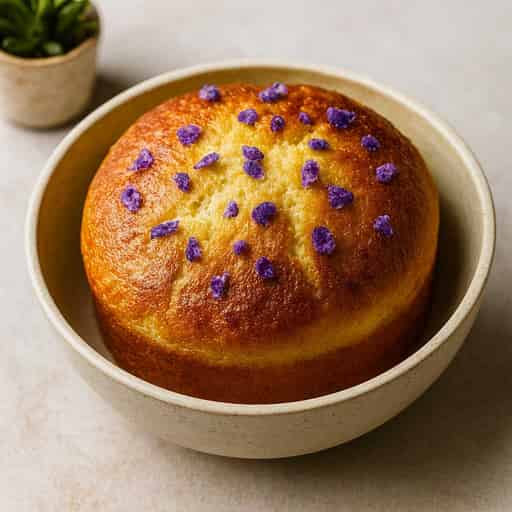
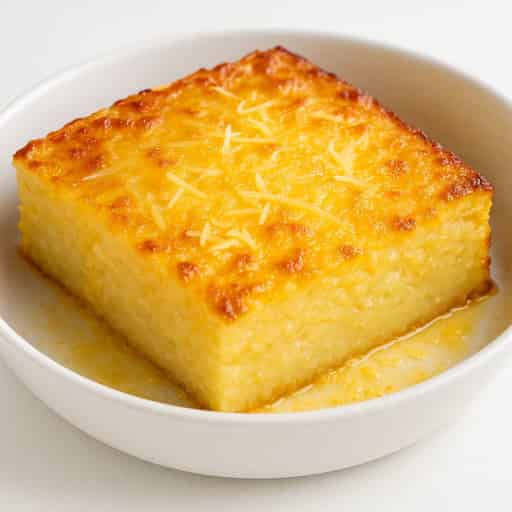
This lemon polenta cake has a tender, close crumb from ground almonds and fine polenta rather than wheat flour. A warm lemon syrup is spooned over the cake in the tin, where it absorbs into the crumb instead of leaving a sticky top. The result is bright, moist, and easy to slice once fully cool.
It is a practical cake for making ahead: the lemon flavour settles in overnight and the almond-rich crumb stays soft for several days. Serve small slices as they are, with berries, or with a spoonful of crème fraîche or Greek yogurt.
Why This Recipe Works
Why This Recipe Works
Ground almonds supply fat and structure, keeping the cake moist without flour. Fine polenta adds a subtle corn flavour and a little texture; it must be fine enough to hydrate fully during the bake. Coarse polenta will remain sandy.
The butter-and-sugar creaming stage gives the eggs a stable base, while folding in the dry ingredients at the end limits overmixing. This is not a lofty sponge: a gentle, even crumb and a little natural settling are more useful signs of success than a high dome.
The syrup is added while the cake and syrup are both warm. Pricking the surface creates small channels, and adding it gradually gives the cake time to absorb the lemon rather than flooding the tin.
Fine Polenta, Cornmeal, and Gluten-Free Baking
Fine Polenta, Cornmeal, and Gluten-Free Baking
Use fine polenta or fine cornmeal, not coarse polenta. The two are often sold near each other, but their textures are very different in a cake. This recipe has no wheat flour, though a gluten-free claim depends on using gluten-free certified polenta or cornmeal and baking powder where needed.
The ground almonds are part of the cake's structure, not a garnish. Do not replace them with extra polenta: the cake would be drier and more crumbly. If you need an almond-free cake, use a separately tested recipe rather than making that substitution here.
Getting the Lemon Syrup Right
Getting the Lemon Syrup Right
Warm the juice and icing sugar only until the sugar dissolves. A hard boil reduces the syrup and makes it unnecessarily sticky. When the cake is done, keep it in the tin, prick it with a fine skewer, and spoon the syrup on in stages. If a little syrup sits on the top briefly, wait before adding more.
The cake is ready for syrup when the centre is baked through. A skewer should come out clean or with a few moist crumbs, not wet batter. The edges should be deeply golden and may pull back slightly from the tin.
Serving and Storage
Serving and Storage
The cake is good at room temperature, or very slightly warm with crème fraîche, Greek yogurt, or fresh berries. For another citrus bake, try this lemon butter cake. If you are building an afternoon-tea spread, these fluffy lemon poppy seed pancakes are a lighter, made-to-order companion.
Store the cooled cake airtight at cool room temperature for up to 3 days. It freezes well in individual wrapped slices for up to 1 month. Thaw at room temperature; avoid reheating aggressively, which can dry the almond crumb.
Common Problems
Common Problems
The cake is gritty: The polenta was too coarse. Fine polenta or fine cornmeal is essential for a tender result.
The centre sank a lot: It was probably underbaked, or the batter was worked too much after the dry ingredients went in. Bake until the centre has set before adding syrup.
The cake is dry: The syrup may have been added after the cake cooled, or too little was absorbed. Add the warm syrup gradually to a warm, pricked cake.
The syrup pooled in the tin: Add it more slowly, giving each spoonful time to soak in. Do not remove the springform sides until the cake is fully cool and the syrup has settled.
Nutrition Facts
Nutrition Facts
Serving Size: 1 of 16 slices
Calories 28014%
% Reference Intake*
Total Fat 17g24%
Saturated Fat 6g30%
Trans Fat 0g
Cholesterol 60mg
Sodium 85mg
Total Carbohydrates 28g11%
Dietary Fiber 2g
Sugars 20g22%
Protein 6g12%
* Reference intakes are based on an average adult's 8,400 kJ / 2,000 kcal diet. Your needs may be higher or lower.
FAQs
Is polenta cake gluten-free?
This cake contains no wheat flour, but use certified gluten-free fine polenta or cornmeal and baking powder if it needs to be gluten-free. Check individual packaged ingredients for cross-contact information.
Can I use coarse polenta?
Fine polenta is best. Coarse polenta remains noticeably grainy in this relatively short-baked cake. If your packet simply says polenta, check that it feels close to fine cornmeal before using it.
Why did my lemon polenta cake sink?
A slight settling is normal for an almond-rich, flourless-style crumb. A pronounced dip usually means the centre was underbaked or the batter was overmixed after the dry ingredients went in. Bake until the centre gives clean or moist-crumb skewer results before adding the syrup.
How should I store lemon polenta cake?
Keep it airtight at cool room temperature for up to 3 days. Freeze slices tightly wrapped for up to 1 month, then thaw at room temperature. The syrup keeps the cake moist, but it is best not refrigerated unless your kitchen is very warm.
Community Reviews
See how other home cooks made this recipe, then share your own experience.
4.8
4 ratings
5
75%
4
25%
3
0%
2
0%
1
0%
How would you rate this recipe?
Share your experience and help others.
Neil
· 29 Aug 2026Made it the day before lunch and it sliced even better the next day. Bright lemon flavour and just the right amount of syrup.
Yasmin
· 11 May 2026The fine-polenta note was helpful. The crumb was tender, not gritty, and the syrup reached the middle without making the top soggy.
Tom
· 2 Aug 2025I’m not gluten-free but I’d choose this over a regular lemon cake any day.
Anna
· 2 Aug 2025So moist and lemony! I served it with a dollop of crème fraîche—absolute hit.
Create Your Own Recipe
Add your personal creations and build your own recipe collection.