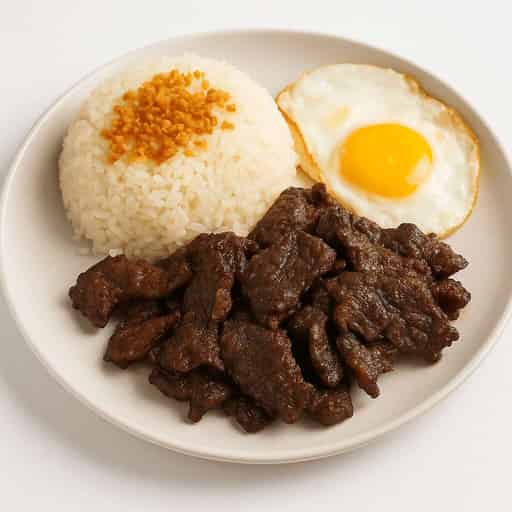
Silog Breakfasts
Classic Filipino silog breakfasts—tapsilog, longsilog, and tocilog—perfect for busy mornings or weekend comfort meals. Includes rice, meats, and eggs.
Overview
Silog breakfasts are useful because they are built on a repeatable structure, not one fixed recipe. Once you understand the combination of garlic fried rice, egg, and a strong savory protein, you can move between tapa, longganisa, tocino, spam, bangus, and other variants without losing what makes the plate feel like silog. That is why this topic works best as a practical orientation page for Filipino breakfast combinations rather than a generic breakfast list.
The anchor recipe here is Classic Filipino Tapsilog, because it shows the balance that makes the format click: salty-savory meat, fragrant rice, and a fried egg that softens everything once the yolk breaks. From there, the collection can branch into sweeter or richer versions, but the point of the topic is still the relationship between those three parts, not just the meat by itself.
Start here
- For the clearest entry point, begin with Classic Filipino Tapsilog.
- If you want a beefier alternative, compare it with Beef Tapa Tapsilog.
- For a pork-based variation, use Filipino Pork Tapa as a bridge into a different silog plate.
- If you want the rice side to do more work, the companion topic is Fried Rice Recipes.
What makes a silog plate worth repeating
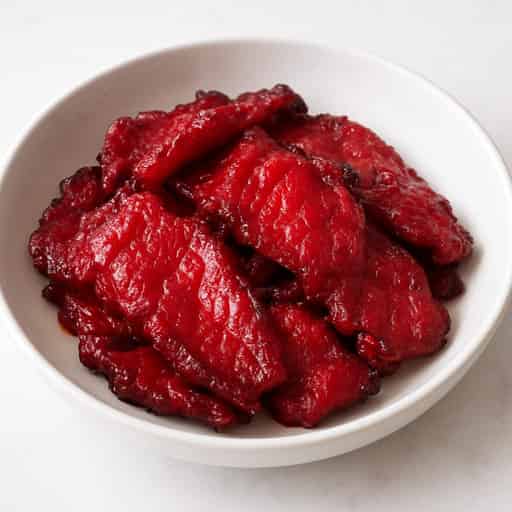
The strongest silog breakfasts have contrast. The rice should smell of toasted garlic and stay loose enough to absorb sauce or yolk without turning heavy. The egg should add richness, not just sit on top as decoration. The meat should be assertive enough to carry the plate, whether that means the cured sweetness of tocino, the garlicky depth of tapa, or the fattier bite of sausage-style longganisa.
That is also why this page should stay focused on actual silog logic rather than drifting into a broad Filipino breakfast catch-all. A pandesal breakfast, a soup breakfast, or a rice porridge breakfast may still be Filipino, but they solve a different morning appetite. Silog is specifically about a rice-and-egg plate with a strong main component and enough seasoning to make it feel complete on its own.
How to choose the right silog direction
Choose tapa when you want the most savory, weekday-friendly version. Choose tocino when you want a sweeter breakfast that caramelizes at the edges and feels a little more indulgent. Choose longganisa when you want something richer and more sausage-forward. If you are building a larger Filipino breakfast spread, let silog stay the rice-and-protein anchor and add lighter sides like tomatoes, cucumber, or atchara around it rather than stuffing more components onto the plate itself.
If you want more context around the broader savory breakfast tradition, Classic Filipino Dishes is the better follow-up page. If you are mainly after the rice technique and pairings, stay within Fried Rice Recipes.
FAQs
Does every silog have to use beef tapa?
No. Tapsilog is the best-known version, but the silog format works with other proteins as long as the rice-and-egg structure stays intact.
What matters more, the meat or the rice?
Both matter, but weak garlic rice usually makes the whole plate feel flat. The meat can carry the flavor profile, but the rice is what makes silog recognizable.
Can silog work outside breakfast?
Yes. It is often eaten beyond breakfast because the format is filling, easy to repeat, and works well with leftovers or advance-marinated meat.
Recipes in This Collection
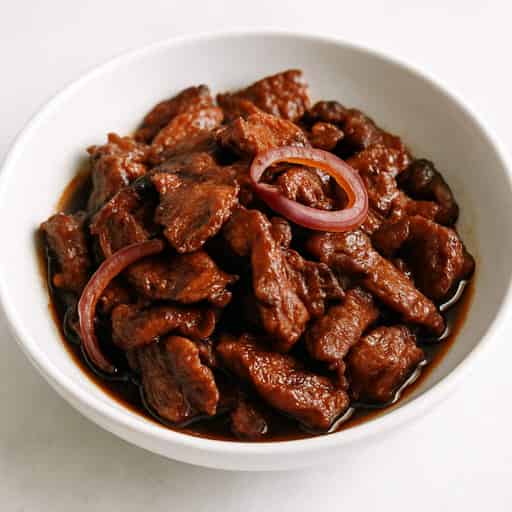
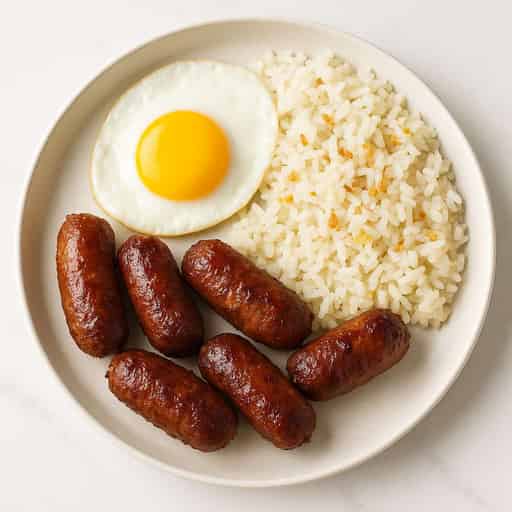
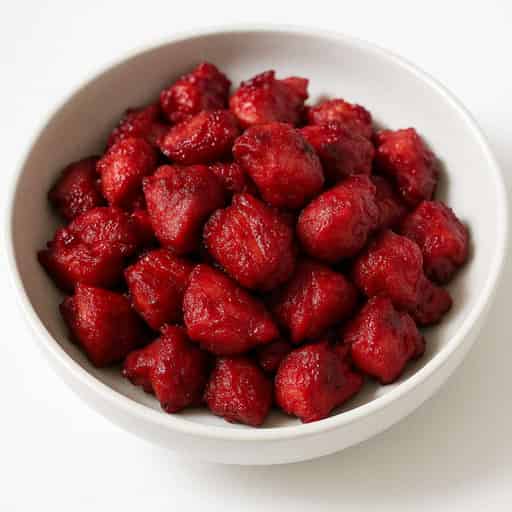
Healthy Chicken Tocino with Natural Beet Color
RecipeShare Test Kitchen
Naturally Dyed Pork Tocino – Healthy Filipino Breakfast
RecipeShare Test Kitchen
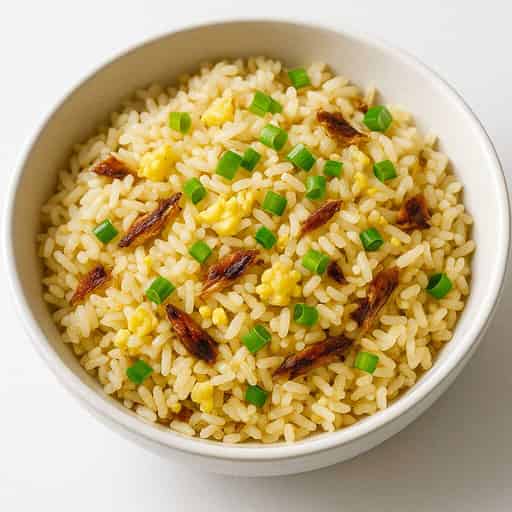
Tinapa Fried Rice with Egg and Oyster Sauce
RecipeShare Test Kitchen
Related Topics
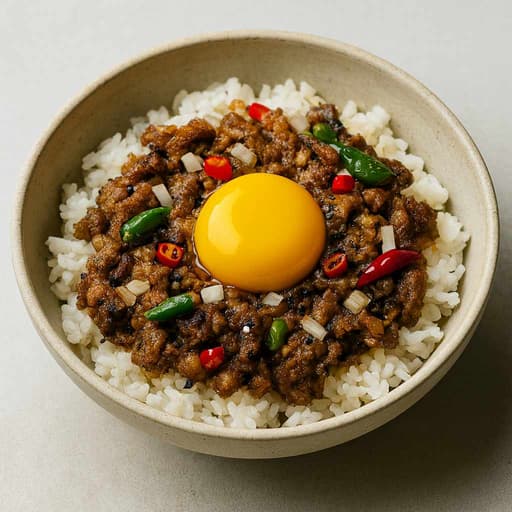
Classic Filipino Dishes: Everyday Home Favorites
Adobo, sinigang, kare-kare, and more classic Filipino dishes with practical technique notes, pantry guidance, and make-ahead tips for home cooking.
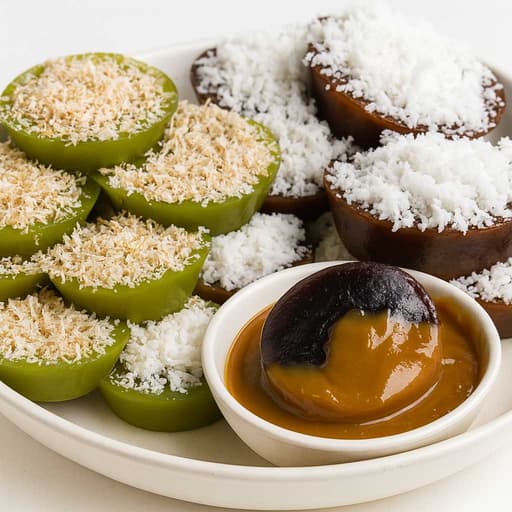
Kakanin Recipes: Filipino Rice Cakes & Sticky Sweets
This topic gathers Filipino rice cakes and sticky sweets such as bibingka, kutsinta, sapin-sapin, and cassava cake for merienda tables, holidays, and everyday dessert spreads.