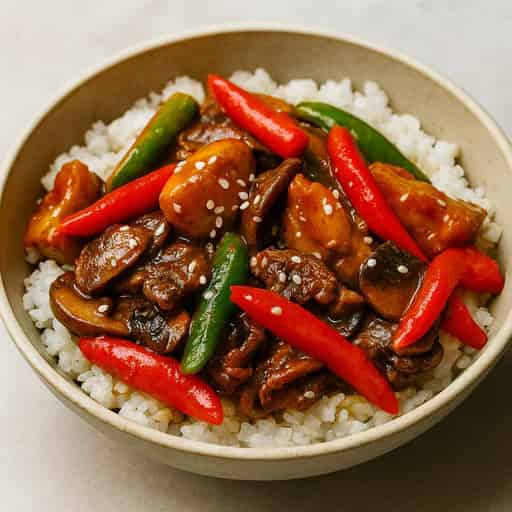
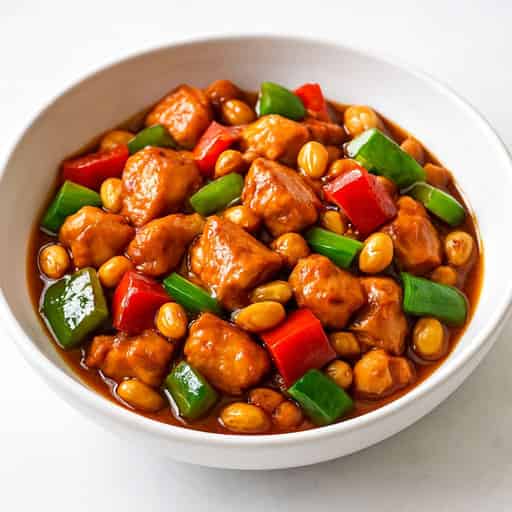
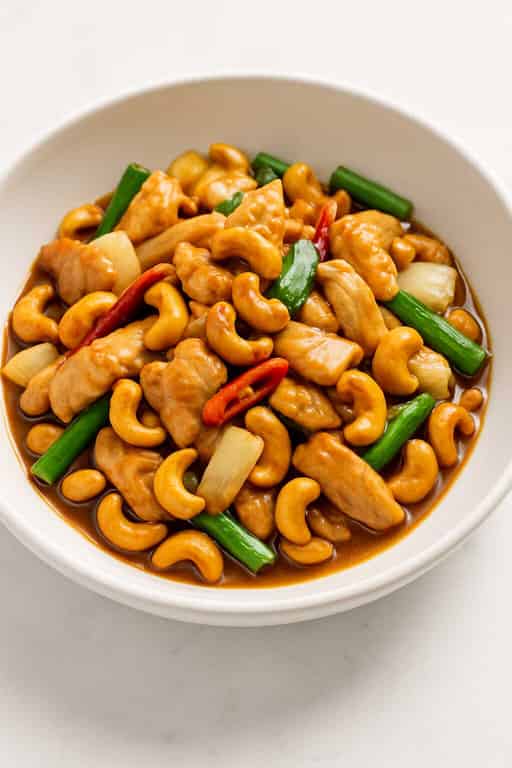
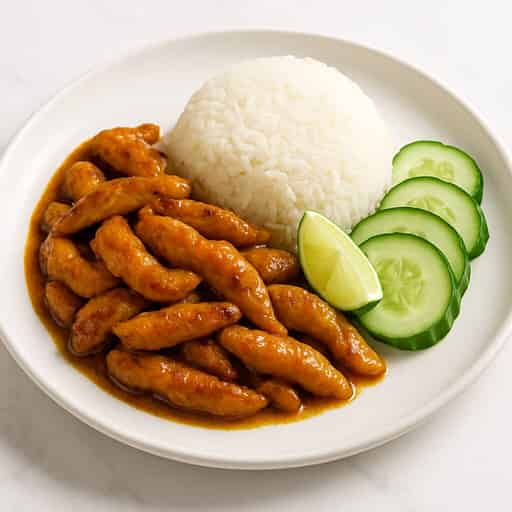
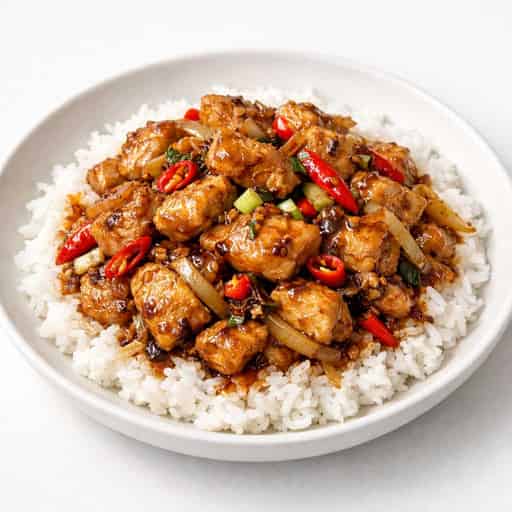
Tender black pepper chicken stir-fried with colourful bell peppers and onion in a glossy Chinese-style oyster and soy sauce. A vegetable-forward dinner.
Prep time
20 min
Cook time
15 min
Total time
40 min
Servings
4
Recipe Snapshot
DifficultyMedium
MealLunch / Dinner
Family FriendlyYes
CuisineChinese
Chef's Tips
Slice the chicken and peppers to a similar thickness so they cook quickly without steaming.
Keep the wok hot and cook the chicken in two batches if your pan is small.
Use freshly ground black pepper for a clearer aroma; pre-ground pepper can taste dusty in a quick sauce.
Taste before adding salt because soy sauce, oyster sauce, and stock brands vary greatly.
Tools Used
Mixing Bowl(opens in a new tab)Small BowlWhisk(opens in a new tab)Chef's Knife(opens in a new tab)Chopping Board(opens in a new tab)Spatula(opens in a new tab)
We use affiliate links, which may earn us a small commission at no extra cost to you.
Ingredients
Ingredients
Servings
4 servings1×
Scale
Ingredient amounts update instantly.
Velvet The Chicken
Mix The Black Pepper Sauce
Stir-Fry The Chicken And Peppers
Instructions
Velvet the Chicken
- 1
Combine the chicken with the Shaoxing wine, light soy sauce, bicarbonate of soda, cornflour, and oil. Mix until every piece is coated and rest for 15 minutes while you prepare the sauce and vegetables.
Mix the Black Pepper Sauce
- 1
Whisk the stock, oyster sauce, light and dark soy sauces, rice vinegar, sugar, black pepper, and cornflour until smooth. Keep it beside the stove; the sauce thickens quickly once it reaches the hot pan.
Stir-Fry the Chicken and Peppers
- 1
Heat a wok or large frying pan over high heat until very hot. Add half the oil and cook the chicken in two batches for 2 to 3 minutes each, turning until lightly browned but not fully cooked. Transfer to a plate.
- 2
Add the remaining oil, bell peppers, and onion. Stir-fry for 3 to 4 minutes, until the peppers are bright and crisp-tender and the onion has softened at the edges.
- 3
Return the chicken and any juices to the pan. Whisk the sauce once more, add it, and toss for 1 to 2 minutes until glossy, thickened, and the chicken reaches 74C (165F) in the centre.
- 4
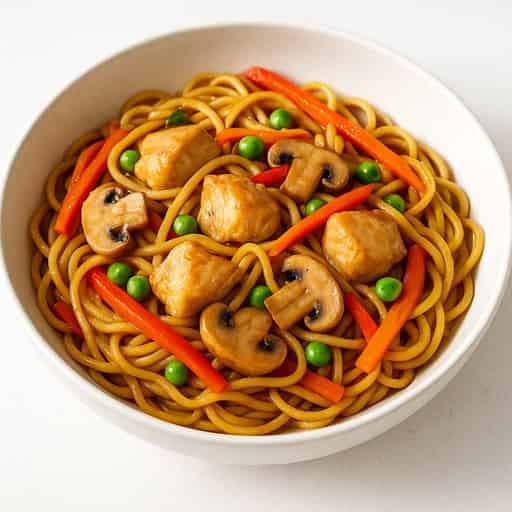
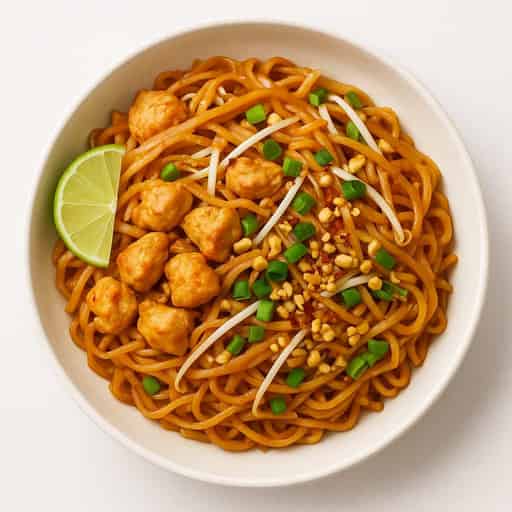
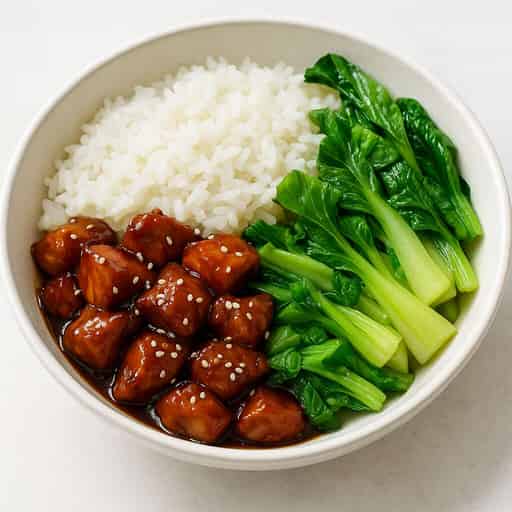
Fold through the spring onions, then serve immediately. Spoon over 200 g cooked rice per person, or pair with noodles and a simple leafy side.
Plan This Recipe
Save this recipe to one of your meal plans or browse your existing plans.
Learn More
Everything you want to know about this recipe.
Black Pepper Chicken and Bell Pepper Stir-Fry
Black Pepper Chicken and Bell Pepper Stir-Fry
This black pepper chicken and bell pepper stir-fry is a saucy, vegetable-forward Chinese-style dinner built for serving with rice or noodles. Thin slices of chicken are briefly velveted so they stay tender, while red and yellow peppers provide sweetness, colour, and enough crunch to distinguish the dish from a simple chicken-and-sauce recipe. The black pepper is not merely seasoning: it is the central aromatic note in a glossy oyster and soy sauce.
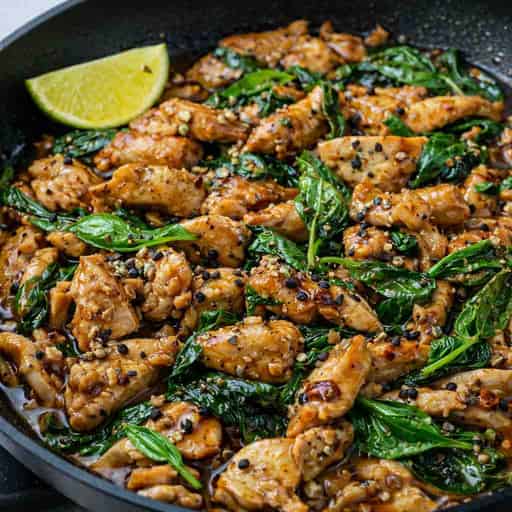
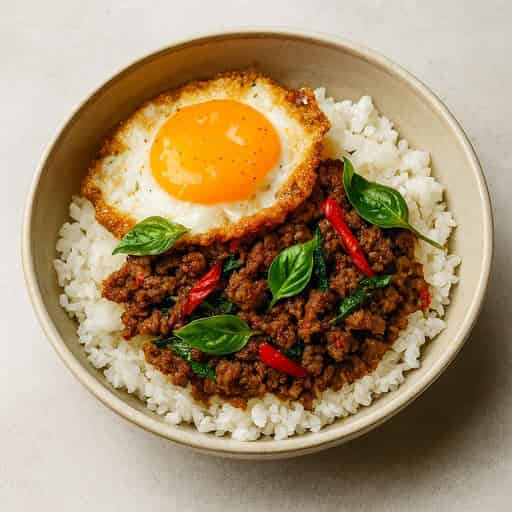
This recipe deliberately occupies a different place from a chicken rice bowl or basil-led stir-fry. Here, the peppers and onion are cooked in the wok with the chicken, and the finished dish is a flexible main that can be paired with the starch of your choice. That makes it useful when you want a familiar black pepper chicken flavour without committing the recipe to one bowl format.
Why Velvet the Chicken
Why Velvet the Chicken
The short marinade of Shaoxing wine, soy sauce, cornflour, and a small amount of bicarbonate of soda is a practical home version of velveting. It seasons the chicken and gives it a tender surface that stays juicy during high-heat cooking. Keep the bicarbonate quantity small and the rest to 15 minutes; too much or too long can make chicken taste oddly springy.
Cut the chicken across the grain into thin pieces before mixing. It will cook through quickly after it returns to the wok with the sauce. If you do not have Shaoxing wine, dry sherry is the closest substitute. For an alcohol-free option, use an equal quantity of low-salt chicken stock.
Build a Glossy Black Pepper Sauce
Build a Glossy Black Pepper Sauce
Mix the sauce before heating the pan. Cornflour settles rapidly, so whisk it again immediately before pouring it in. Oyster sauce gives depth, the two soy sauces add savoury colour and seasoning, and rice vinegar keeps the small amount of sugar from making the sauce taste heavy. Freshly ground black pepper is important here: its sharp aroma reads clearly once it meets the heat.
The sauce should coat the chicken and peppers, not pool like gravy. If it turns thicker than you want, add a tablespoon or two of stock. If it is too thin, keep tossing over high heat rather than adding more cornflour; the existing starch needs a brief boil to activate.
Keep the Peppers Crisp-Tender
Keep the Peppers Crisp-Tender
High heat and a roomy pan make the difference between a bright stir-fry and a watery one. Brown the chicken in batches, then remove it before cooking the vegetables. This gives the peppers contact with the hot pan instead of crowding them beneath the chicken. Add spring onions at the end so their fresh bite remains noticeable.
The peppers should be tender enough to eat easily but still retain a little snap. Cutting them into thin, consistent strips helps. You can use all red peppers if that is what you have, although two colours make it easier to see when the vegetables are cooked without relying on a timer.
Serving and Storage
Serving and Storage
Serve one quarter of the stir-fry over about 200 g cooked rice, with noodles, or beside a green vegetable. The stir-fry itself provides an estimated 34 g protein per portion and a substantial amount of peppers and onion; the rice or noodles complete it as a more filling dinner. A cucumber salad or steamed greens work particularly well when you want additional freshness.
The dish is best straight from the wok, but it keeps for up to two days refrigerated. Reheat it quickly in a frying pan with a splash of water. Do not freeze the finished stir-fry: bell peppers soften considerably after thawing and will dilute the sauce.
Common Stir-Fry Problems
Common Stir-Fry Problems
If the chicken releases lots of liquid, the pan was likely too cool or crowded. Cook in two batches and wait for the pan to heat again before adding the second batch. If the sauce tastes overly salty, dilute it with stock before it thickens and serve with plain rice. If the black pepper seems flat, finish with a small pinch of freshly ground pepper after the heat is off rather than adding extra soy sauce.
Serving and Goal Fit
Serving and Goal Fit
One portion of stir-fry plus cooked rice makes a practical lunch or dinner with lean protein, vegetables, and a clear carbohydrate source. The sauce contains meaningful sodium from oyster sauce and soy sauce, so low-salt stock and plain rice are useful ways to balance it. For a lighter plate, use half the rice portion and add steamed greens or a crunchy salad.
Nutrition Facts
Nutrition Facts
Serving Size: 1 quarter of stir-fry, without rice or noodles
Calories 31016%
% Reference Intake*
Total Fat 11g16%
Saturated Fat 2g10%
Trans Fat 0g
Cholesterol 90mg
Sodium 930mg
Total Carbohydrates 20g8%
Dietary Fiber 4g
Sugars 10g11%
Protein 34g68%
* Reference intakes are based on an average adult's 8,400 kJ / 2,000 kcal diet. Your needs may be higher or lower.
FAQs
Can I use chicken thighs instead of chicken breast?
Yes. Use boneless, skinless thighs sliced thinly. They may need an extra minute in the pan, so check that they reach 74C (165F) before serving.
Can I make the black pepper sauce less salty?
Start with low-salt stock and reduce the light soy sauce to 2 teaspoons. Taste after the sauce thickens, then add more stock rather than extra salt if it seems intense.
How should I reheat leftovers?
Refrigerate the stir-fry for up to 2 days. Reheat in a hot frying pan with a tablespoon of water until steaming; the peppers will be softer but the sauce will loosen again.
Community Reviews
See how other home cooks made this recipe, then share your own experience.
4.8
4 ratings
5
75%
4
25%
3
0%
2
0%
1
0%
How would you rate this recipe?
Share your experience and help others.
Mei C.
· 6 Oct 2026The separate sauce made the wok step much less stressful. We served it with rice and the peppers stayed crisp.
Sam
· 9 Jul 2025Tried this for a weeknight dinner and it was a hit. The sauce is incredibly flavorful.
Lara
· 8 Jul 2025Loved the peppery kick. I added some chilli flakes for extra heat!
Kevin
· 6 Jul 2025Very easy to follow. I used red and yellow bell peppers, and it turned out beautifully.
Create Your Own Recipe
Add your personal creations and build your own recipe collection.