03 October 2026
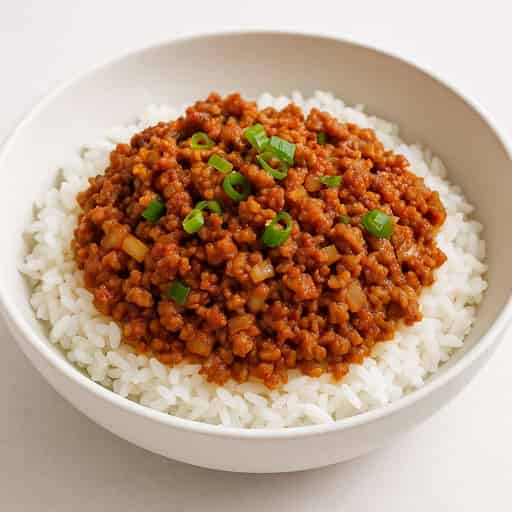
Gomamiso Pork Rice Bowl (Sesame Miso Pork)
RecipeShare Test Kitchen

An easy Japanese-style pork rice bowl with mirin, white miso, toasted sesame, tender cabbage, and a glossy savoury-sweet sauce.
Prep time
15 min
Cook time
15 min
Total time
30 min
Servings
2
Recipe Snapshot
DifficultyEasy
MealLunch / Dinner
Meal PrepExcellent
Family FriendlyYes
CuisineJapanese
Chef's Tips
Slice the pork thinly so it cooks quickly and stays tender. If the loin is difficult to slice, chill it in the freezer for 15 minutes first.
Mix the sauce before heating the pan. Miso can catch quickly once it is in the skillet, so having everything ready keeps the final step controlled.
Cook the cabbage until just tender, then add the sauce. This keeps some texture in the cabbage and prevents the sauce from becoming watery.
The finished pork and cabbage keep for up to 2 days in the refrigerator. Reheat gently and add a teaspoon of water if the sauce has tightened.
Tools Used
We use affiliate links, which may earn us a small commission at no extra cost to you.
Ingredients
Ingredients
Servings
2 servings1×
Scale
Ingredient amounts update instantly.
Rice
Pork And Cabbage
Mirin Miso Sauce
Instructions
Prepare the Rice and Sauce
- 1
Have the warm rice ready. In a small bowl, whisk the mirin, white miso, soy sauce, sugar, and water until smooth, then stir in the toasted sesame seeds.
- 2
Slice the pork into thin strips and cut the cabbage into bite-sized pieces. Dust the pork lightly with the flour, shaking off any excess.
Stir-Fry the Pork and Cabbage
- 1
Heat the oil in a large frying pan over medium-high heat. Add the pork in a single layer and stir-fry for 2 to 3 minutes, until lightly browned and nearly cooked through.
- 2
Add the cabbage and stir-fry for 2 to 3 minutes, until it is tender but still has a little bite. If the pan looks dry, add 1 tablespoon of water rather than extra oil.
Add the Sauce and Serve
- 1
Reduce the heat to medium-low and pour in the mirin miso sauce. Toss continuously for 1 to 2 minutes, until it coats the pork and cabbage in a glossy layer. Do not boil the sauce for too long, or the miso may catch on the bottom of the pan.
- 2
Divide the warm rice between two bowls and spoon the sesame miso pork and cabbage over the top. Serve immediately.
Plan This Recipe
Save this recipe to one of your meal plans or browse your existing plans.
Learn More
Everything you want to know about this recipe.
Gomamiso Pork Rice Bowl
Gomamiso describes the combination of sesame and miso used to give this simple pork bowl its distinctive savoury depth. Here, thinly sliced pork loin and cabbage are coated in a quick mirin-based sauce, then served over warm rice. It is an easy home-cook version: no deep-frying, no long simmer, and no specialist equipment.
Why This Recipe Works
Why This Recipe Works
The pork is dusted with a very light layer of flour before it goes into the pan. This helps the meat brown while also giving the sauce something to cling to. The cabbage cooks in the same skillet, picking up the browned pork flavour without needing a separate vegetable side.
Mirin provides sweetness, gentle acidity, and a polished finish in one ingredient. White miso supplies savoury depth, while soy sauce is kept to a small amount so the bowl does not become overwhelmingly salty. Toasted sesame seeds add the nutty flavour suggested by the name and give the sauce a little texture.
Mirin First, With a Simple Alternative
Mirin First, With a Simple Alternative
Use mirin as the primary option when you have it. For a practical substitute, replace the 30 ml mirin with 30 ml dry, low-acid white wine, add 10 g sugar and 15 ml water, and leave out the 5 g sugar listed in the main sauce. A dry Pinot Gris is suitable, but any inexpensive dry white wine that is not strongly fruity will work.
The wine version is an alternative rather than an exact replacement: it will be a little brighter and less rounded than the mirin sauce. Avoid sweet white wine, heavily oaked wine, and very acidic wine because each can pull the miso sauce out of balance.
Home-Cook Method Notes
Home-Cook Method Notes
Slice the pork as evenly as possible so the thinner pieces do not dry out while thicker pieces finish cooking. Chilling the loin briefly makes this much easier. Keep the flour coating light; a heavy coating can turn pasty when it meets the sauce.
The pan should be hot enough for the pork to sizzle as soon as it is added. If the pan is crowded, cook in two batches rather than allowing the meat to steam. Once the cabbage is just tender, lower the heat before adding the sauce. Miso contains sugars and solids that can scorch if cooked aggressively.
Serving, Storage, and Easy Swaps
Serving, Storage, and Easy Swaps
This bowl already combines rice, lean pork, and a generous portion of cabbage, so it works as a complete lunch or dinner. Add steamed broccoli, green beans, or tenderstem broccoli if you want more vegetables. For a lower-sodium result, use a reduced-salt soy sauce and do not add extra salt before tasting.
Pork shoulder can replace the loin if you prefer a richer texture. Chicken thigh also works, although it will change the dish from pork gomamiso to a chicken version. For the best texture, store the pork and cabbage separately from the rice and reheat both gently within two days.
Nutrition Estimate
Nutrition Estimate
Each bowl contains approximately 575 calories and 29 g of protein, based on the listed quantities and two servings. The estimate includes the rice, flour, oil, miso, mirin, soy sauce, and sesame seeds; exact values vary by rice, pork cut, and miso brand.
Frequently Asked Questions
Frequently Asked Questions
What does gomamiso mean?
Goma means sesame and miso refers to fermented soybean paste. In this recipe, the two ingredients form the flavour base of a quick sauce rather than a separate garnish and paste.
Can I make this without cabbage?
Yes. Use sliced onions, mushrooms, peppers, or tenderstem broccoli instead. Keep the total vegetable quantity close to 200 g so the sauce remains balanced.
Nutrition Facts
Nutrition Facts
Serving Size: 1 rice bowl
Calories 57529%
% Reference Intake*
Total Fat 17g24%
Saturated Fat 4g20%
Trans Fat 0g
Cholesterol 70mg
Sodium 1050mg
Total Carbohydrates 78g30%
Dietary Fiber 4g
Sugars 10g11%
Protein 29g58%
* Reference intakes are based on an average adult's 8,400 kJ / 2,000 kcal diet. Your needs may be higher or lower.
FAQs
What can I use instead of mirin?
Replace the 30 ml mirin with 30 ml dry, low-acid white wine, such as a dry Pinot Gris. Add 10 g sugar and 15 ml water to the sauce, and omit the 5 g sugar listed for the mirin version. Avoid sweet or very fruity wine, which can make the sauce taste sharp or jammy.
Can I use pork shoulder instead of pork loin?
Yes. Thinly sliced pork shoulder gives a richer result, while pork loin is leaner and cooks more quickly. Whichever cut you use, avoid overcooking it before adding the cabbage and sauce.
Can I prepare this pork rice bowl ahead?
Cook the pork and cabbage up to 2 days ahead and refrigerate them in a sealed container. Reheat gently with a teaspoon of water, and keep the rice refrigerated separately until reheating.
Community Reviews
See how other home cooks made this recipe, then share your own experience.
—
0 ratings
5
0%
4
0%
3
0%
2
0%
1
0%
How would you rate this recipe?
Share your experience and help others.
Create Your Own Recipe
Add your personal creations and build your own recipe collection.