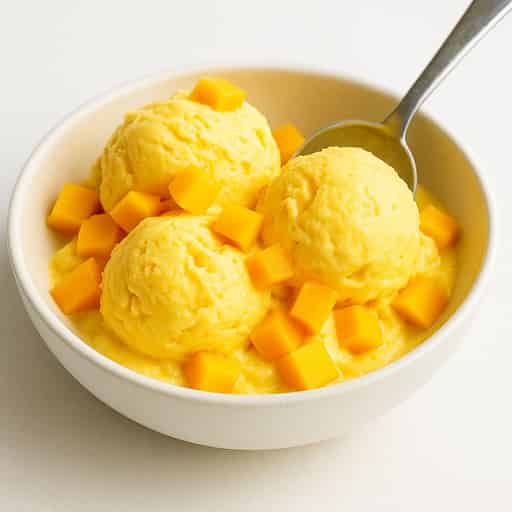
Fresh fruit coulis made with ripe berries, mango, or stone fruit for a quick, bright dessert sauce. A useful baking basic for cheesecake, panna cotta, yogurt, pancakes, and plated desserts when you want fresh fruit flavor without making jam or compote.
Prep time
10 min
Cook time
Total time
10 min
Servings
8
Chef's Tips
Taste the fruit first and start with less sugar if it is already very ripe.
Strain berry coulis for the smoothest texture, especially for plated desserts.
Add a small squeeze of lemon only if the fruit tastes flat or overly sweet.
Tools Used
Blender Or Food Processor(opens in a new tab)Fine-mesh Sieve(opens in a new tab)Spatula(opens in a new tab)
We use affiliate links, which may earn us a small commission at no extra cost to you.
Ingredients
Ingredients
Servings
8 servings1×
Scale
Ingredient amounts update instantly.
Fruit Coulis
Instructions
Blend the Coulis
- 1
Wash and prep the fruit. Peel, pit, or core only if needed for the type of fruit you are using.
- 2
Add the fruit, sugar, and optional lemon juice to a blender or food processor.
- 3
Blend until completely smooth.
Strain and Chill
- 1
Push the coulis through a fine-mesh sieve if you want a smoother finish or if the fruit has noticeable seeds or fibers.
- 2
Chill before serving, or use right away over desserts, breakfast dishes, or plated fruit.
Plan This Recipe
Save this recipe to one of your meal plans or browse your existing plans.
Learn More
Everything you want to know about this recipe.
Fresh Fruit Coulis
Fresh Fruit Coulis
Fresh fruit coulis is a quick uncooked sauce made by blending ripe fruit with a little sugar until smooth. It is one of the simplest ways to add color, acidity, and fresh fruit flavor to cheesecake, panna cotta, yogurt, pancakes, or plated desserts without making a cooked jammy topping.
The best versions taste clean and bright rather than overly sweet. The fruit should stay in front, with the sugar only rounding out sharp edges and the lemon used only when the puree needs a little more lift.
Why This Recipe Works
Why This Recipe Works
Because the coulis is not cooked, it keeps the fresher character of the fruit. That is especially useful with berries, mango, peaches, and apricots, where you want the sauce to taste light and vivid rather than syrupy.
Straining is optional, but it makes a noticeable difference for seeded berries or fibrous fruit. A quick pass through a fine-mesh sieve gives the coulis a smoother finish for cakes, plated desserts, or spooning neatly over a chilled dessert.
Ingredient Notes
Ingredient Notes
Use ripe fruit with good aroma because the recipe is so simple that the flavor of the fruit does most of the work. If the fruit is already very sweet, start with less sugar and blend again only if needed.
Lemon juice is optional for a reason. Some batches of berries already have enough sharpness, while mango or very ripe peaches can benefit from a small squeeze to keep the sauce from tasting flat.
How to Make Fresh Fruit Coulis
How to Make Fresh Fruit Coulis
Prep the fruit first so it is ready to blend smoothly. Soft berries usually need only washing, while mangoes, peaches, or apricots should be peeled or pitted if needed before going into the blender.
Blend the fruit with the sugar and optional lemon juice until fully smooth. After that, decide whether you want a rustic sauce for breakfast dishes or a more polished finish for desserts. If you want the smoother version, press it through a sieve and scrape the puree through with a spatula.
Tips and Variations
Tips and Variations
Berry coulis usually benefits the most from straining because seeds can make the texture feel rougher on delicate desserts.
If the coulis is thicker than you want, loosen it with a very small splash of water or lemon juice instead of adding a lot at once.
You can also mix fruits when the flavors make sense together, such as strawberry and peach or raspberry and mango. Keep the ratio simple so the sauce still tastes clear and balanced.
Storage
Storage
Store fresh fruit coulis in a sealed jar or container in the fridge for a few days. Stir it before serving because some natural separation is normal.
It also freezes well in small portions. That is useful when you only want a few spoonfuls at a time for individual desserts or yogurt bowls.
Portion Guidance for Goals
Portion Guidance for Goals
Treat coulis as a finishing sauce, not the main dessert. One to two tablespoons is usually enough for a slice of cheesecake, a bowl of yogurt, or a plated portion of fruit.
Because it is fruit-based, it can add a dessert accent without the heaviness of creamier toppings, but it still counts as a sweet element if you are trying to keep portions intentional.
When to Eat
When to Eat
This kind of sauce works best when you want to brighten another dessert or add a fresh fruit element to breakfast. It is especially useful with chilled desserts, weekend pancakes, or simple cakes that need a little more contrast.
Balance Tip
Balance Tip
If you are serving a rich dessert like cheesecake, mousse, or buttercream cake, fruit coulis is often a better finishing choice than adding another heavy layer. It gives you contrast and freshness rather than stacking more richness on top.
FAQ
FAQ
Can I cook the coulis?
You can, but then it starts moving closer to a fruit sauce or compote. This
version is meant to stay fresh and uncooked.
Can I use frozen fruit?
Yes. Thaw it first and drain only if it releases a large amount of excess
liquid.
Why is mine too sweet?
The fruit may already have been very ripe, or the sugar was too high for the
fruit type. Add a little lemon juice and adjust next time.
Nutrition Facts
Nutrition Facts
Serving Size: 2 tablespoons (about 40 g)
Calories 261%
% Reference Intake*
Total Fat 0g0%
Saturated Fat 0g0%
Trans Fat 0g
Cholesterol 0mg
Sodium 0mg
Total Carbohydrates 7g3%
Dietary Fiber 1g
Sugars 6g7%
Protein 0g0%
* Reference intakes are based on an average adult's 8,400 kJ / 2,000 kcal diet. Your needs may be higher or lower.
FAQs
What fruit works best for coulis?
Berries, mango, peaches, apricots, and similar soft ripe fruits work best because they blend smoothly and have enough flavor on their own.
Do I always need to strain it?
No. Straining is most useful for berries or fibrous fruits, or when you want a smoother restaurant-style finish.
How long does it keep?
It keeps in the fridge for a few days in a sealed container. Stir before using if any separation occurs.
Community Reviews
See how other home cooks made this recipe, then share your own experience.
4.8
5 ratings
5
80%
4
20%
3
0%
2
0%
1
0%
How would you rate this recipe?
Share your experience and help others.
Omar
· 25 Jul 2026Mango worked really well with Greek yogurt and pancakes. Good basic sauce to keep in the fridge for a few days.
Nina
· 20 Jul 2026I used raspberries and a little lemon juice for cheesecake. Straining it made it look much smoother.
Claire
· 15 Jul 2026Peach and strawberry worked really well together. I strained it for a smoother finish on panna cotta.
Miguel
· 21 Jun 2026Tried it with mango and pineapple. Great over vanilla yogurt and easier than making a cooked sauce.
Sarah B.
· 2 Nov 2025I made the berry version for cheesecake and liked that it tasted fresh instead of jammy.
Create Your Own Recipe
Add your personal creations and build your own recipe collection.