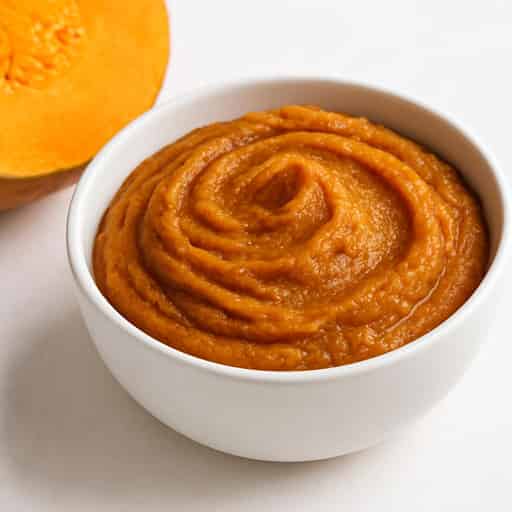
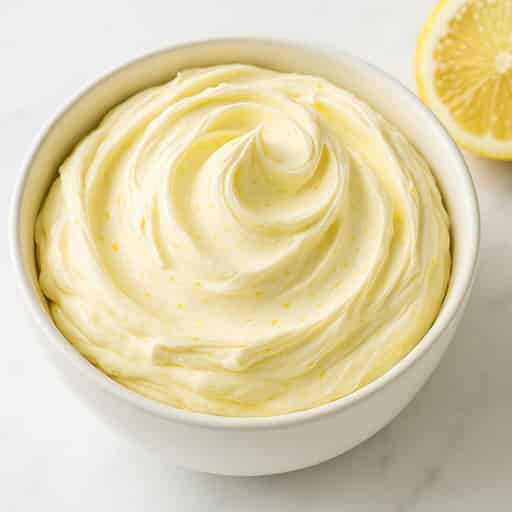
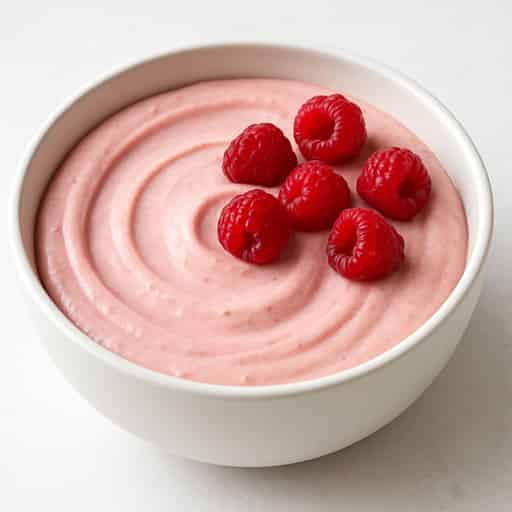
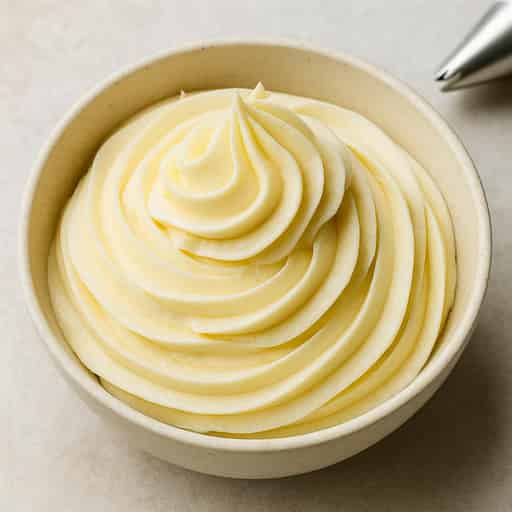
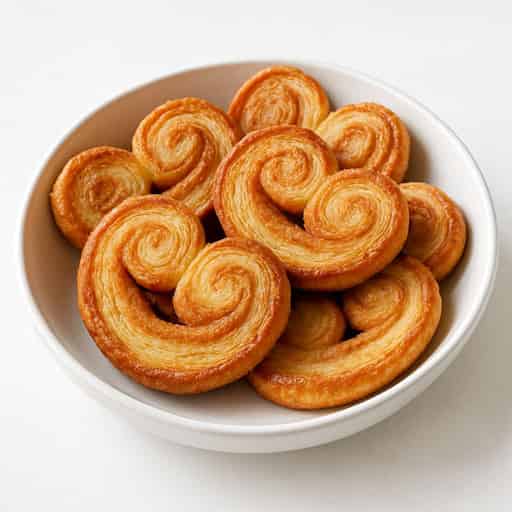
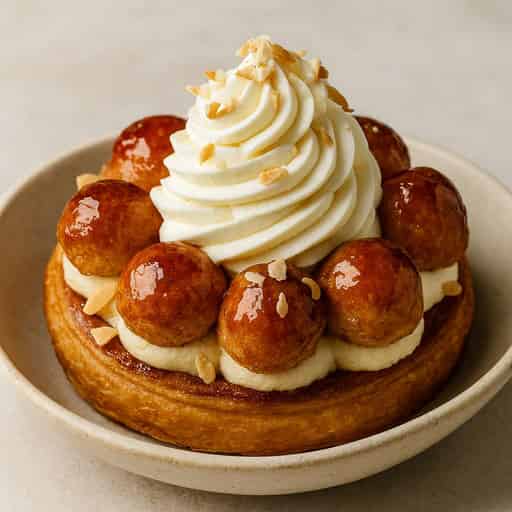
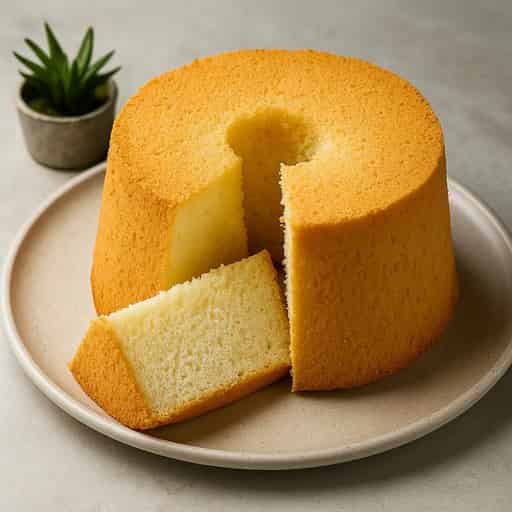
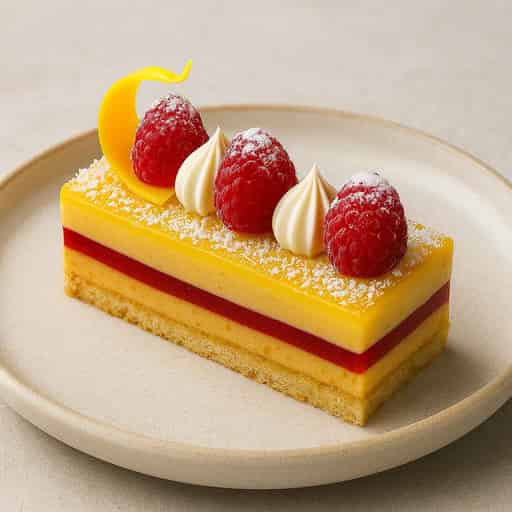
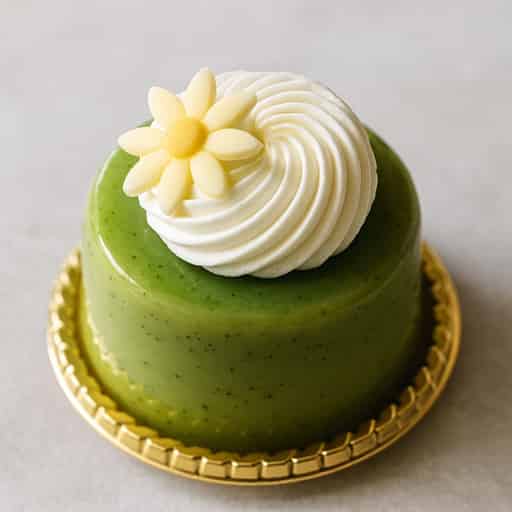
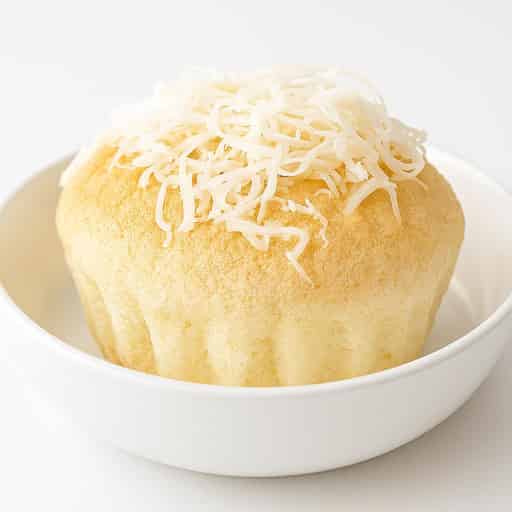
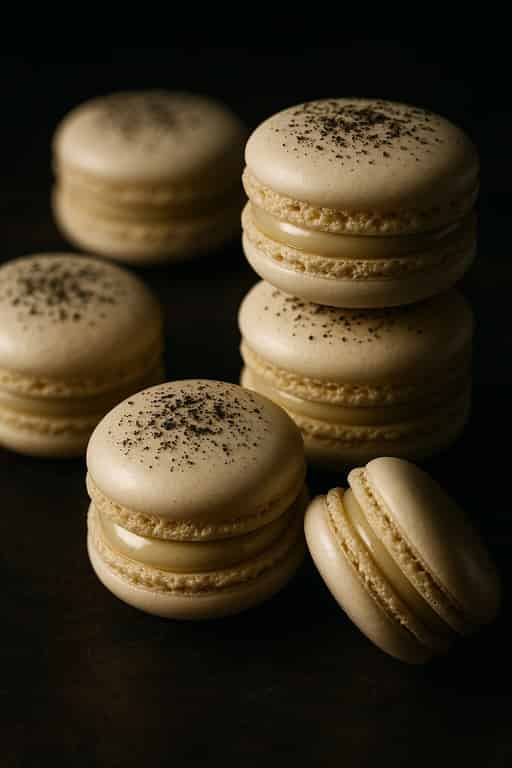
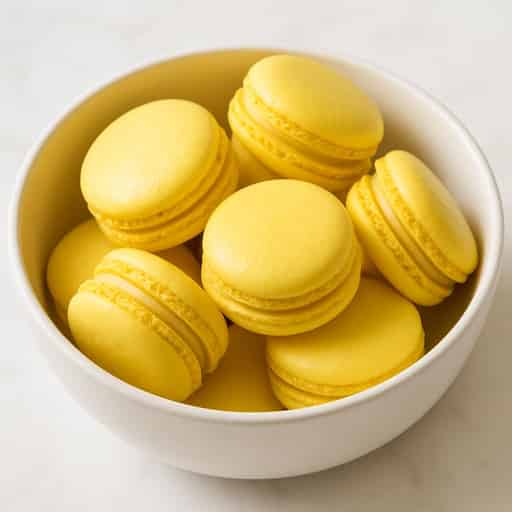
Chantilly cream made with cold heavy cream, sugar, and vanilla for a light, stable whipped topping. A useful baking basic for cakes, fruit desserts, tarts, and pastries when you want a cleaner finish than sweetened canned whipped cream.
Prep time
10 min
Cook time
Total time
10 min
Servings
8
Chef's Tips
Chill the bowl, whisk, and cream well before starting.
Stop at soft to medium peaks for filling; whip slightly firmer for piping.
Do not walk away while whipping because Chantilly can overwhip quickly.
Tools Used
We use affiliate links, which may earn us a small commission at no extra cost to you.
Ingredients
Ingredients
Servings
8 servings1×
Scale
Ingredient amounts update instantly.
Chantilly Cream
Instructions
Chill the Equipment
- 1
If possible, chill the mixing bowl and whisk for 10 to 15 minutes before whipping.
Whip the Cream
- 1
Add the cold heavy cream, powdered sugar, and vanilla to the chilled bowl.
- 2
Whip on medium speed until the cream thickens, then increase the speed slightly.
- 3
Stop when the cream holds soft to medium peaks, depending on how you plan to use it.
- 4
Use immediately, or refrigerate briefly until needed.
Plan This Recipe
Save this recipe to one of your meal plans or browse your existing plans.
Learn More
Everything you want to know about this recipe.
Chantilly Cream
Chantilly Cream
Chantilly cream is one of those simple baking basics that becomes much more useful once you stop thinking of it as just whipped cream with sugar. At its best, it is light, smooth, and just sweet enough to support a dessert without taking it over. It works as a topping, filling, or finishing layer, and it is often the right answer when buttercream feels too heavy.
The main thing that separates a good Chantilly cream from a disappointing one is control. Temperature matters, the sugar level matters, and stopping at the right point matters. You want a texture that feels airy and elegant, not grainy, slack, or halfway to butter.
Flavor Profile
Flavor Profile
This cream is delicate rather than dramatic. Vanilla gives it a soft bakery-style finish, and the light sweetness helps it pair well with fruit, sponge cakes, tarts, and pastries.
Because the ingredient list is short, it should taste clean and fresh. It is not meant to be rich in the way buttercream is. Instead, it brings lift, softness, and a little sweetness to desserts that already have enough structure or flavor of their own.
Chef's Tips
Chef's Tips
- Chill everything first. Cold cream whips faster and holds more reliably.
- Use powdered sugar for the smoothest finish and quickest dissolve.
- Stop at soft peaks for spooning or folding into desserts; go slightly firmer only if you need to pipe it.
- If you overwhip it, stop immediately. A splash of cold cream can sometimes help rescue it, but prevention is easier than repair.
Ingredient Highlights
Ingredient Highlights
Heavy cream is the whole foundation here, so use one with enough fat to whip properly and keep it very cold.
Powdered sugar sweetens the cream without leaving a grainy texture.
Vanilla extract rounds out the flavor and gives the cream a more finished dessert profile.
How It Comes Together
How It Comes Together
Start with cold equipment if you can. Add the cream, sugar, and vanilla to the chilled bowl, then whip at medium speed until the mixture begins to thicken. From there, increase the speed a little and watch closely.
Once the cream reaches soft or medium peaks, stop. That is usually enough for most dessert uses. If you need it for piping, go only a little further. The goal is structure without heaviness.
Easy Swaps
Easy Swaps
- Add a little citrus zest if you want the cream to feel brighter with berries or sponge cake.
- Use a small amount of almond extract instead of vanilla for a more pronounced pastry-shop note.
- Fold in a spoonful of mascarpone if you want extra stability for layered desserts.
Make-Ahead and Storage
Make-Ahead and Storage
Chantilly cream is best the day it is made. You can hold it in the fridge for a few hours, but it is not the kind of frosting that improves after sitting overnight. If it loosens slightly, a few quick strokes with a whisk can help, but overhandling can flatten it.
For planned desserts, it is often better to prepare the cake, tart, or fruit in advance and whip the Chantilly cream close to serving time.
Portion Guidance for Goals
Portion Guidance for Goals
Treat this as a finishing component rather than a main dessert on its own. About 2 tablespoons per portion is usually enough for fruit, cake, or tart slices.
Because it is lighter than buttercream, it can look generous without needing a very large amount. That makes it a useful option when you want a dessert to feel complete without becoming overly rich.
When to Eat
When to Eat
Chantilly cream works best with planned desserts, brunch bakes, fruit plates, or celebration cakes where you want a softer finish than frosting. It is especially good when the dessert already has strong flavor and only needs light creaminess.
Balance Tip
Balance Tip
If your dessert already includes pastry, chocolate, or rich cake layers, Chantilly cream is often the better topping than a denser frosting. It gives the dessert a finished feel without stacking too much richness into the same plate.
FAQ
FAQ
Can I use it as a cake filling?
Yes, especially for sponge cakes and fruit-forward layer cakes, though it is best
for cakes that will be kept cold.
Why did mine turn grainy?
It was likely overwhipped. Stop earlier next time and keep the cream very cold.
Can I make it sweeter?
Yes, but add sugar lightly. Too much sweetness can flatten the clean flavor that
makes Chantilly cream useful.
Nutrition Facts
Nutrition Facts
Serving Size: 2 tablespoons (30 g)
Calories 724%
% Reference Intake*
Total Fat 7g10%
Saturated Fat 4g20%
Trans Fat 0g
Cholesterol 26mg
Sodium 8mg
Total Carbohydrates 2g1%
Dietary Fiber 0g
Sugars 2g2%
Protein 0g0%
* Reference intakes are based on an average adult's 8,400 kJ / 2,000 kcal diet. Your needs may be higher or lower.
FAQs
What is the difference between Chantilly cream and plain whipped cream?
Chantilly cream is usually sweetened and flavored, most often with vanilla, while plain whipped cream may be unsweetened.
Can I pipe it onto cakes?
Yes, but whip it a little firmer than you would for spooning over fruit, and keep it cold.
How long does it last?
It is best the day it is made, though it can hold in the fridge for several hours if kept cold.
Community Reviews
See how other home cooks made this recipe, then share your own experience.
4.7
3 ratings
5
67%
4
33%
3
0%
2
0%
1
0%
How would you rate this recipe?
Share your experience and help others.
Clara
· 1 Aug 2025I overwhipped my first batch, but the timing notes here made the second one much easier.
Ben
· 3 Jul 2025Chilling the bowl really did help. It whipped faster and held better on cake.
Alice
· 20 Jun 2025Light, clean, and much better than overly sweet store-bought whipped topping.
Create Your Own Recipe
Add your personal creations and build your own recipe collection.