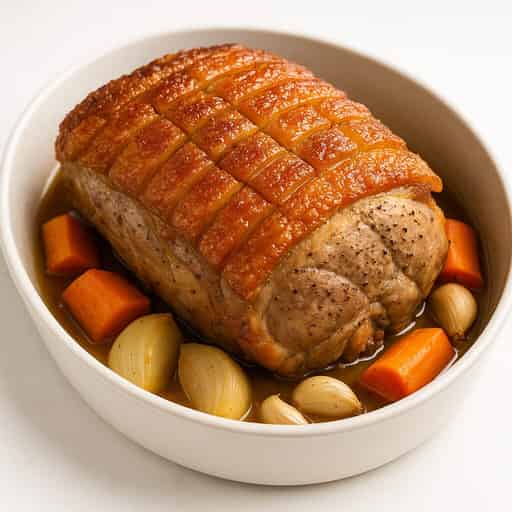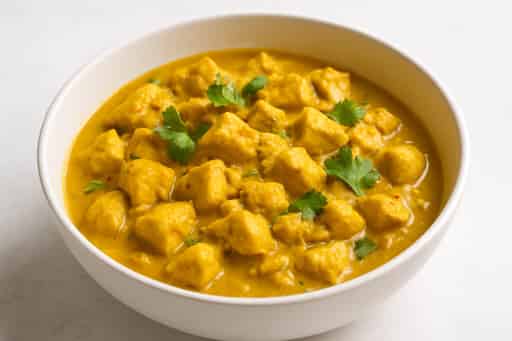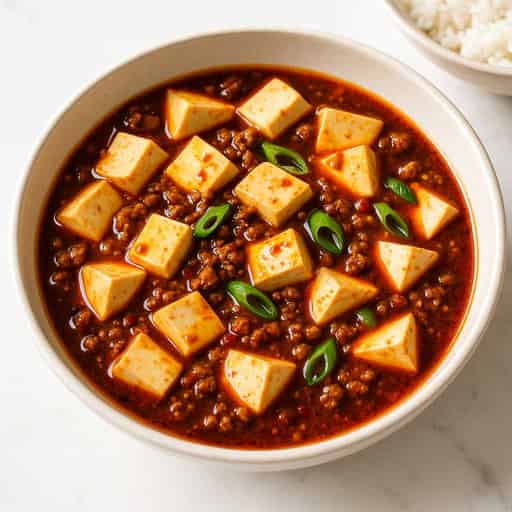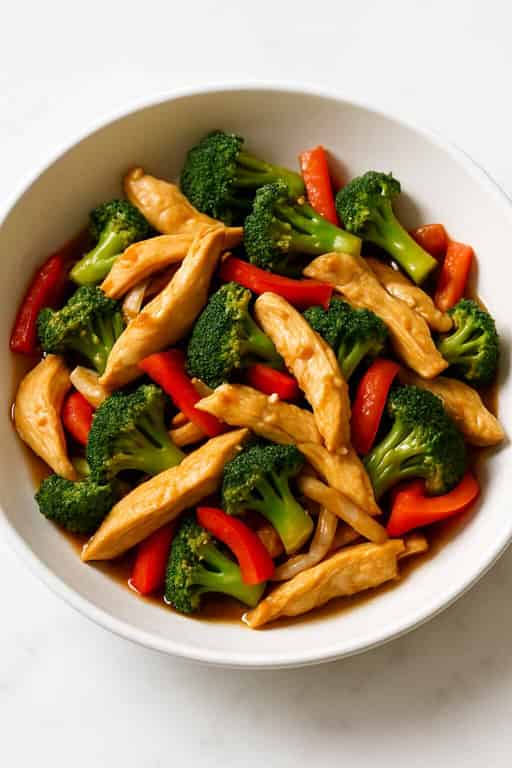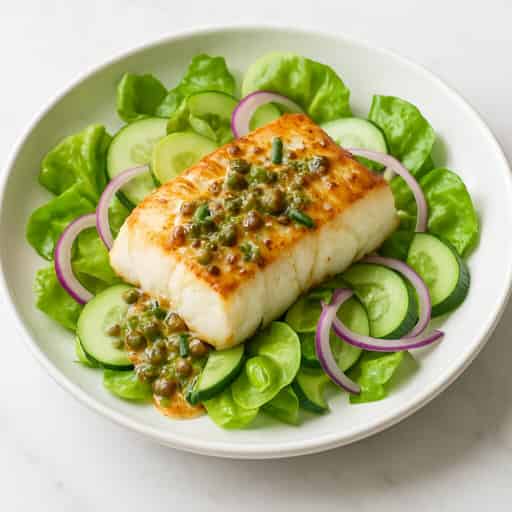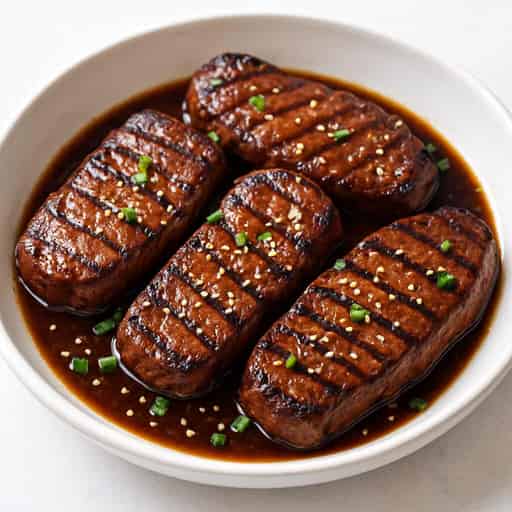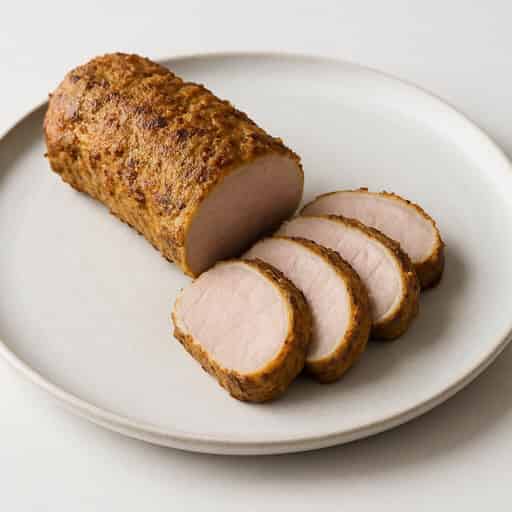
Dijon and sage pork tenderloin with garlic and olive oil, seared then roasted for a quick pork dinner with a savory herb-mustard crust.
Prep time
5 min
Cook time
25 min
Total time
40 min
Servings
4
Chef's Tips
Pat the pork dry well before searing so the exterior browns instead of steaming.
Sear first, then add the mustard coating so the herbs do not scorch in the pan.
Start checking early with a thermometer because tenderloin can dry out quickly past 63C.
Rest the meat fully before slicing so the juices stay in the pork rather than on the board.
Tools Used
We use affiliate links, which may earn us a small commission at no extra cost to you.
Ingredients
Ingredients
Servings
4 servings1×
Scale
Ingredient amounts update instantly.
Pork Tenderloin
Dijon-Sage Coating
Instructions
Sear the Pork
- 1
Preheat the oven to 190°C (375°F). Coat a shallow baking pan with cooking spray and set aside.
- 2
Use paper towels to pat the pork dry and season it with salt and pepper.
- 3
Warm oil in a large nonstick skillet over high heat. Once the pan is hot but not yet smoking, add pork, turning occasionally until browned on all sides, about 4 minutes. Transfer to the prepared baking pan.
Coat and Roast
- 1
Spread mustard, garlic, and sage over pork. Roast in the middle rack of the oven until an instant-read thermometer diagonally inserted 2 inches into the meat registers 63°C (145°F), about 20 minutes.
- 2
Transfer pork to a cutting board and cover with aluminum foil. Let pork rest for 10 minutes before slicing and serving.
Plan This Recipe
Save this recipe to one of your meal plans or browse your existing plans.
Learn More
Everything you want to know about this recipe.
Dijon and Sage-Coated Pork Tenderloin
Dijon and Sage-Coated Pork Tenderloin
Dijon and sage pork tenderloin is a useful roast when you want something that feels a little more structured than a pan-fried pork chop but still cooks fast enough for a normal evening meal. The mustard gives the outside a savory tang, while garlic and sage push it toward a more classic roast flavor.
Because pork tenderloin is lean, the method matters more than the ingredient list. A quick sear for color followed by a short roast is what keeps it juicy instead of dry.
Why This Recipe Works
Why This Recipe Works
Pork tenderloin takes flavor well, but it can overcook quickly. Searing it first builds color and depth without forcing the mustard and herbs to sit in direct heat too long.
The coating is also simple enough that the pork still tastes like pork. Dijon, garlic, and sage support the meat rather than turning it into a thick crusted roast.
Ingredients Overview
Ingredients Overview
Fresh sage works especially well with pork because it gives a savory, slightly woodsy note without needing many extra herbs. Dijon mustard adds enough acidity to keep the outside bright and helps the garlic and sage cling to the meat.
Olive oil is only doing a little work here. It helps the initial sear and keeps the tenderloin from feeling dry on the outside before roasting.
How to Make Dijon Pork Tenderloin
How to Make Dijon Pork Tenderloin
Start by patting the tenderloin dry and seasoning it well. Sear it in a hot pan until browned on all sides, then move it to the baking pan before adding the mustard, garlic, and sage coating.
Roast just until the center reaches 63C, then rest it before slicing. That rest is part of the cooking, not an optional extra, because it gives the juices time to settle back into the meat.
Tips, Variations, and Storage
Tips, Variations, and Storage
If you want a slightly stronger crust, you can add a little extra mustard before roasting, but do not overload it or the outside will stay wet rather than roast cleanly.
This recipe keeps well for meal prep. Slice the pork after resting and reheat it gently so it does not dry out. It also works cold in sandwiches or with salad.
Good variations include using whole-grain mustard for a rougher texture or adding a little thyme with the sage if you want a broader herb profile.
Serving & Goal Fit
Serving & Goal Fit
One serving is about one-quarter of the tenderloin. For a balanced plate, serve it with potatoes, rice, or another carb plus vegetables rather than treating the pork alone as the whole meal.
On training days, add +50 g cooked rice or a slightly larger potato portion if you want more carbohydrate. On rest days, keep the starch moderate and increase the vegetables.
Easy vegetable pairings include green beans, broccoli, carrots, mushrooms, or a simple salad beside the sliced pork.
Nutrition Facts
Nutrition Facts
Serving Size: 1 serving
Calories 1729%
% Reference Intake*
Total Fat 6g9%
Saturated Fat 1.5g8%
Trans Fat 0g
Cholesterol 73mg
Sodium 260mg
Total Carbohydrates 1g0%
Dietary Fiber 0g
Sugars 0g0%
Protein 26g52%
* Reference intakes are based on an average adult's 8,400 kJ / 2,000 kcal diet. Your needs may be higher or lower.
FAQs
Can I use dried sage instead of fresh?
Yes. Use about 1 teaspoon dried sage in place of the fresh sage and crush it lightly before mixing with the mustard.
How do I keep pork tenderloin from drying out?
Sear it briefly, roast only to 63C, and rest it before slicing. Pork tenderloin is lean, so overcooking is the main reason it dries out.
What can I serve with Dijon pork tenderloin?
Potatoes, green beans, roasted carrots, mushrooms, or a simple salad all work well with the mustard and sage flavors.
Community Reviews
See how other home cooks made this recipe, then share your own experience.
4.7
3 ratings
5
67%
4
33%
3
0%
2
0%
1
0%
How would you rate this recipe?
Share your experience and help others.
Angela
· 14 Jun 2026Served it with roasted carrots and potatoes. Good simple pork tenderloin recipe with a clear mustard flavor.
Mark
· 11 Jan 2026I made this for meal prep and sliced it thin for lunches. It stayed better when I did not overcook it past the target temperature.
Carla
· 21 Aug 2025The mustard and sage gave the pork enough flavor without making it heavy. Very good weeknight roast.
Create Your Own Recipe
Add your personal creations and build your own recipe collection.