12 October 2026
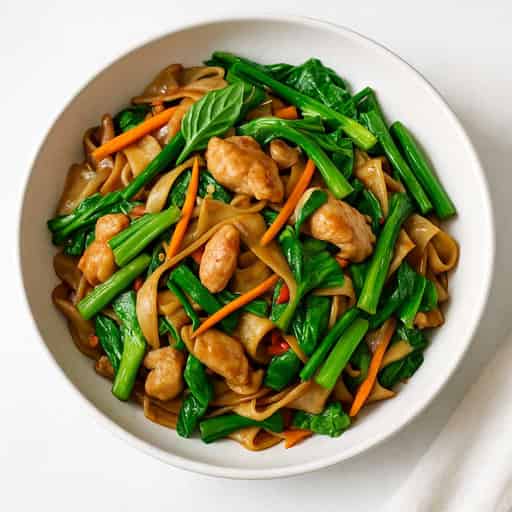
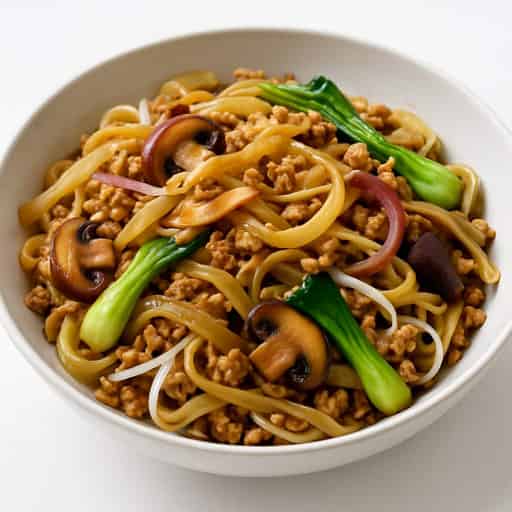
Pork Tenderloin and Bok Choy Rice Noodle Stir-Fry
RecipeShare Test Kitchen
5.0(2 ratings)
Tender pork tenderloin, crisp bok choy, and rice noodles tossed in a savoury Shaoxing, soy, and chilli-garlic stir-fry sauce.
Prep time
15 min
Cook time
15 min
Total time
30 min
Servings
4
Recipe Snapshot
DifficultyEasy
MealLunch / Dinner
Family FriendlyYes
CuisineChinese
Chef's Tips
Slice the pork across the grain while it is cold for neat, tender strips.
Add thick bok choy stems to the hot pan first if they need an extra minute.
Loosen the noodles with tongs before they go into the wok so they do not clump.
Tools Used
We use affiliate links, which may earn us a small commission at no extra cost to you.
Ingredients
Ingredients
Servings
4 servings1×
Scale
Ingredient amounts update instantly.
Rice Noodles
Pork Tenderloin
Stir-Fry Sauce
Bok Choy Stir-Fry
Instructions
Rice Noodles
- 1
Cook the rice noodles in lightly salted boiling water according to the packet directions, until just tender. Drain, rinse briefly with cold water, and loosen with tongs.
Pork Tenderloin
- 1
Combine the pork with the Shaoxing wine, soy sauce, and cornstarch. Toss until evenly coated and set aside while you mix the sauce.
Stir-Fry Sauce
- 1
Whisk the water, Shaoxing wine, soy sauce, and chilli garlic sauce in a small bowl. Keep it beside the stove; the stir-fry comes together quickly.
Bok Choy Stir-Fry
- 1
Heat a wok or large frying pan over high heat. Add the oil, then stir-fry the pork in a single layer for 2–3 minutes, until lightly browned and just cooked through. Transfer to a plate.
- 2
Add the onion and bok choy. Stir-fry for 3–4 minutes, until the stems are tender-crisp and the leaves wilt. Add the garlic and cook for 30 seconds.
- 3
Return the pork to the pan with the noodles and sauce. Toss for 1–2 minutes, until the noodles are hot and lightly coated. Serve immediately.
Plan This Recipe
Save this recipe to one of your meal plans or browse your existing plans.
Learn More
Everything you want to know about this recipe.
Pork Tenderloin and Bok Choy Rice Noodle Stir-Fry
Pork Tenderloin and Bok Choy Rice Noodle Stir-Fry
This pork tenderloin and bok choy rice noodle stir-fry is built for a fast, properly sequenced dinner: tender strips of pork, plenty of tender-crisp bok choy, and rice noodles brought together by a savoury Shaoxing, soy, and chilli-garlic sauce. Keeping the noodle, pork, sauce, and vegetable stages separate prevents the finished pan from turning watery.
Why the Order Matters
Why the Order Matters
Rice noodles can go soft quickly, so cook them only until just tender, rinse, and add them back at the end. The short coating of Shaoxing wine, soy sauce, and cornstarch helps the pork stay tender and gives the sauce something to cling to without making a heavy gravy.
Sear the pork first, then move it out while the bok choy cooks. This gives the vegetables room to hit high heat instead of steaming beneath the meat. Once the pork, noodles, and sauce return together, they need only a quick toss to heat through.
Tender Pork and Crisp Bok Choy
Tender Pork and Crisp Bok Choy
Slice tenderloin across the grain while it is chilled for clean strips that cook evenly. Use a hot wok or wide frying pan, and do not crowd the pork; thin slices need only two to three minutes. Bok choy stems should soften but retain a little crunch, while the leaves wilt in the residual heat. If the stems are particularly thick, add them a minute before the leafy parts.
Sauce and Noodle Troubleshooting
Sauce and Noodle Troubleshooting
The sauce should lightly coat the noodles rather than pool at the bottom of the pan. If the pan looks wet after tossing, keep it over high heat for another 30–60 seconds, moving the noodles constantly. If it looks too dry, add a splash of hot water rather than extra soy sauce, which can make the dish too salty.
Dry sherry is a practical substitute for Shaoxing wine. For a less spicy dinner, reduce the chilli garlic sauce by half and offer more at the table. Do not swap in a thick bottled stir-fry sauce without reducing the soy, as it will change both the saltiness and texture.
Serving and Goal Fit
Serving and Goal Fit
One quarter of the recipe provides a substantial noodle bowl with an estimated 32 g protein and about 200 g vegetables. It is filling enough to serve on its own; add sliced cucumber or a light broth only if you want a larger meal. The rice noodles supply the meal’s main carbohydrate, while the lean pork and bok choy make it a practical quick dinner.
Storage and Reheating
Storage and Reheating
Cool leftovers promptly and refrigerate airtight for up to two days. Reheat in a hot frying pan with a splash of water, tossing until the noodles loosen and the pork is heated through. The bok choy will soften more after storage, so this recipe is at its crispest when served straight from the wok.
Nutrition Facts
Nutrition Facts
Serving Size: 1 quarter of recipe
Calories 50525%
% Reference Intake*
Total Fat 10g14%
Saturated Fat 2g10%
Trans Fat 0g
Cholesterol 75mg
Sodium 520mg
Total Carbohydrates 72g28%
Dietary Fiber 3g
Sugars 6g7%
Protein 32g64%
* Reference intakes are based on an average adult's 8,400 kJ / 2,000 kcal diet. Your needs may be higher or lower.
FAQs
How do I keep rice noodles from turning sticky?
Cook them only until just tender, rinse briefly after draining, and loosen them before adding them to the wok. They finish warming in the sauce rather than overcooking in the pot.
Can I use another cut of pork?
Pork loin works when sliced very thinly, but tenderloin stays more forgiving and cooks quickly. Avoid long cooking times, which can make lean pork dry.
How can I adjust the heat?
Start with half the chilli garlic sauce for a gentler dish, then add more at the table. The soy and Shaoxing sauce will still give the noodles savoury depth.
Community Reviews
See how other home cooks made this recipe, then share your own experience.
5.0
2 ratings
5
100%
4
0%
3
0%
2
0%
1
0%
How would you rate this recipe?
Share your experience and help others.
Lewis H.
· 11 Oct 2026I used dry sherry and added extra chilli garlic sauce at the table. Fast, filling, and not at all watery.
Priya R.
· 14 Aug 2025The separate pork coating kept the slices tender, and the bok choy still had a good bite.
Create Your Own Recipe
Add your personal creations and build your own recipe collection.