Classic Filipino Dishes: Everyday Home Favorites
Adobo, sinigang, kare-kare, and more classic Filipino dishes with practical technique notes, pantry guidance, and make-ahead tips for home cooking.
Overview
Classic Filipino dishes matter because they teach the flavor logic behind the cuisine, not just a list of famous names. Once you understand how adobo balances vinegar and soy, how kare-kare builds body without becoming muddy, or how a tomato-based stew like mechado carries richness differently from a sour soup or braise, the category starts to feel coherent instead of broad and generic.
This topic works best as a broad entry page into foundational Filipino mains. Ultimate Filipino Chicken Adobo should stay near the center because it is one of the clearest everyday reference dishes in the collection. Authentic Filipino Beef Kare-Kare represents the richer celebratory stew lane. Beef Mechado covers the tomato-braised family of classics that lean savory and home-style in a different way. Together those recipes explain more about the category than another generic matrix ever will.
Start here
- For the most recognizable everyday classic, begin with Ultimate Filipino Chicken Adobo.
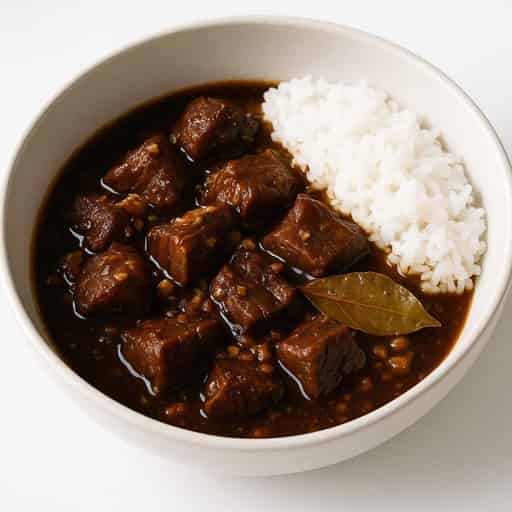
- For a richer special-occasion stew, go to Authentic Filipino Beef Kare-Kare.
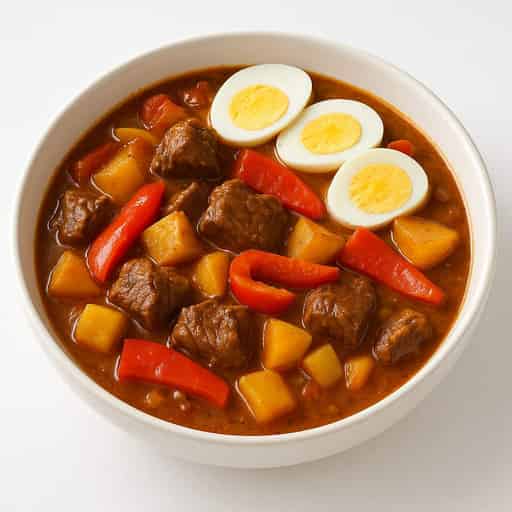
- For a tomato-based braise with family-meal appeal, make Beef Mechado.
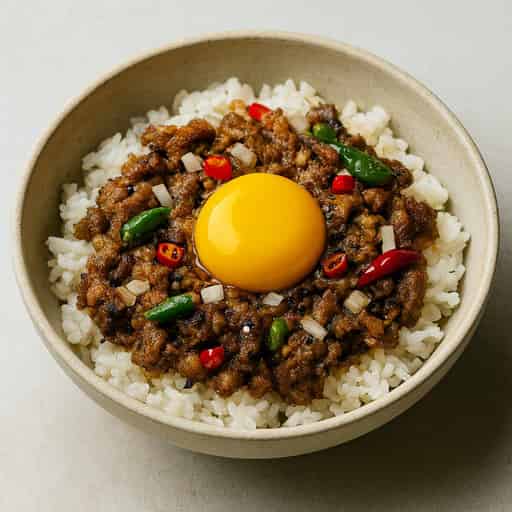
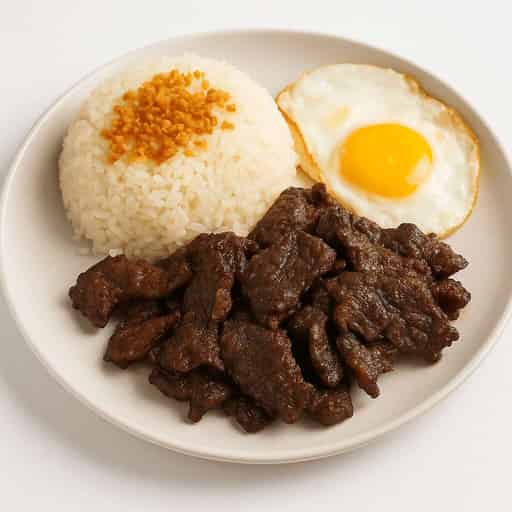
- If you want the breakfast side of Filipino comfort food, the next topic is Silog Breakfasts.
What makes this collection feel truly classic
The strongest classic-dish pages are not trying to prove that every Filipino recipe belongs in one bucket. They show a few core lanes clearly: vinegar-led braises, peanut-rich celebration stews, tomato-based braises, and other dependable rice-eating mains that show up repeatedly in home kitchens. Once those lanes are visible, readers can understand why adobo, kare-kare, and mechado all count as classics even though they do very different jobs on the table.
That is why this topic should stay focused on recognizable mains rather than absorbing every adjacent category. Bakery bakes, silog plates, and holiday dessert trays all matter, but they work better as their own topics. This page is strongest when it helps someone build an everyday Filipino dinner rotation or understand the core savory dishes first.
How to use this page
Use adobo as the starting point if you want the most repeatable weeknight classic. Use kare-kare when you want a dish that feels fuller, slower, and more occasion-led. Use mechado when you want a tomato-forward braise that lands somewhere between everyday ulam and Sunday lunch. If the goal is learning the cuisine through a few anchor dishes rather than browsing a giant list, these three give the clearest spread of styles.
For broader cultural or meal-pattern context, this page pairs well with Filipino Holiday Dishes for celebration cooking and Filipino Bakery Classics for the panaderia side of the cuisine.
FAQs
What dish is the best first Filipino main to cook at home?
Adobo is usually the strongest starting point because it teaches balance, keeps well, and does not require a long ingredient list.
Why include both adobo and mechado if they are both braised dishes?
Because they represent very different flavor structures. Adobo is vinegar-soy driven, while mechado leans tomato-rich and stew-like.
Does a classic Filipino dishes page need to include every famous dish?
No. It is more useful when it anchors the category around a few clear reference dishes than when it tries to become a complete encyclopedia.
Recipes in This Collection
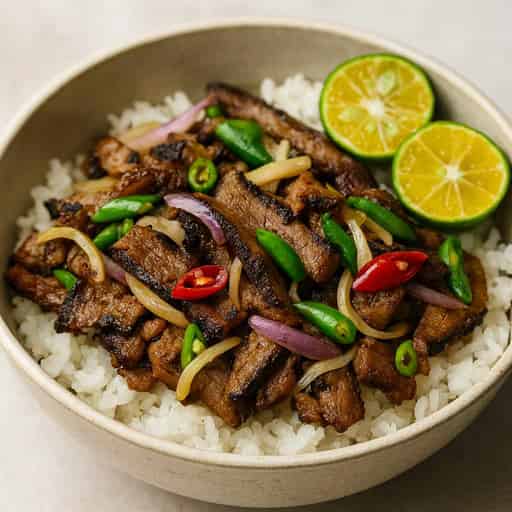
Dinakdakan Ilocano Grilled Pork Salad
RecipeShare Test Kitchen
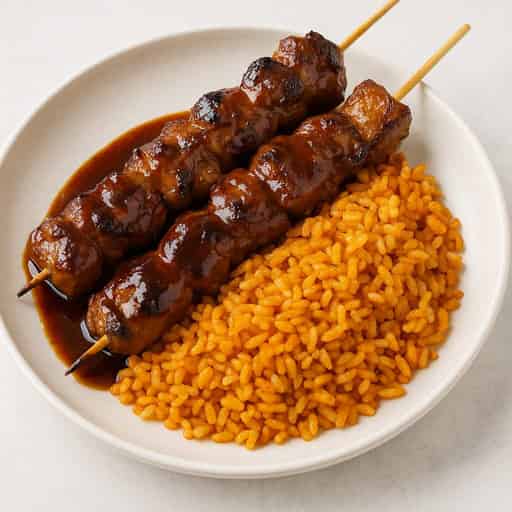
Filipino Pork Barbecue Skewers with Peanut Sauce
RecipeShare Test Kitchen
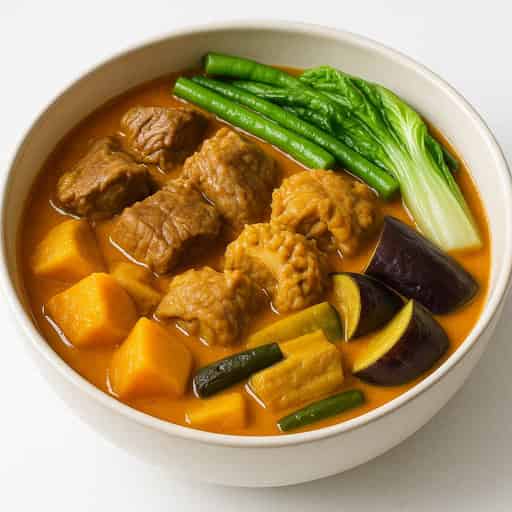
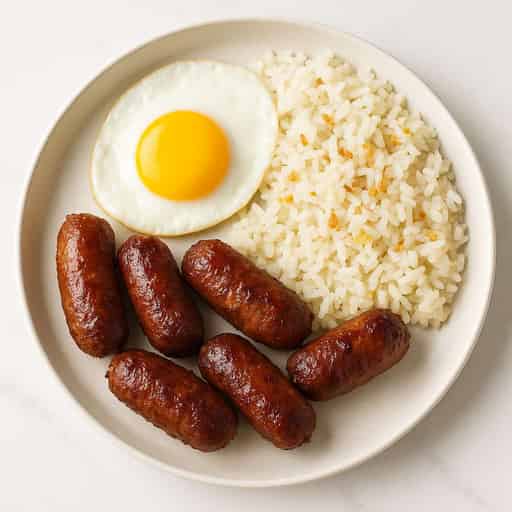
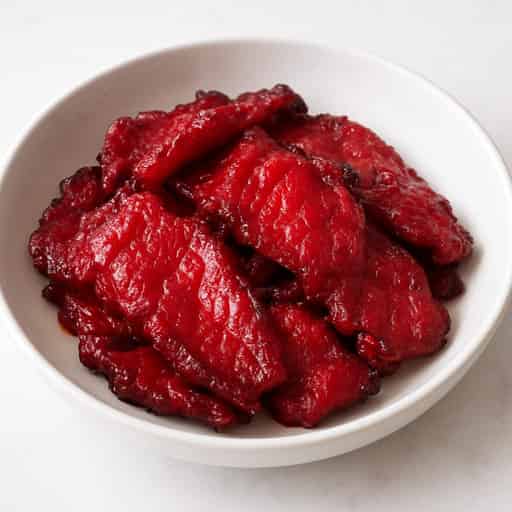
Naturally Dyed Pork Tocino – Healthy Filipino Breakfast
RecipeShare Test Kitchen
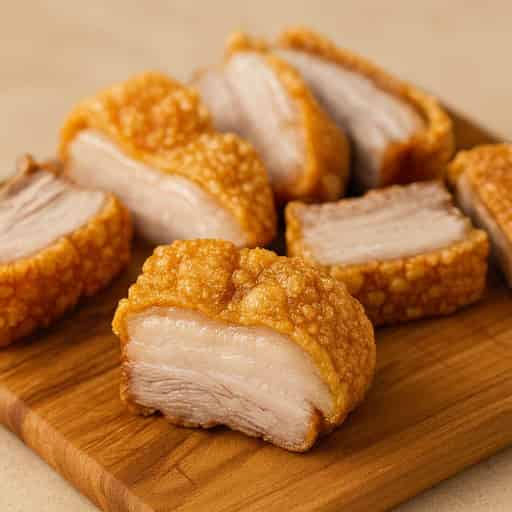
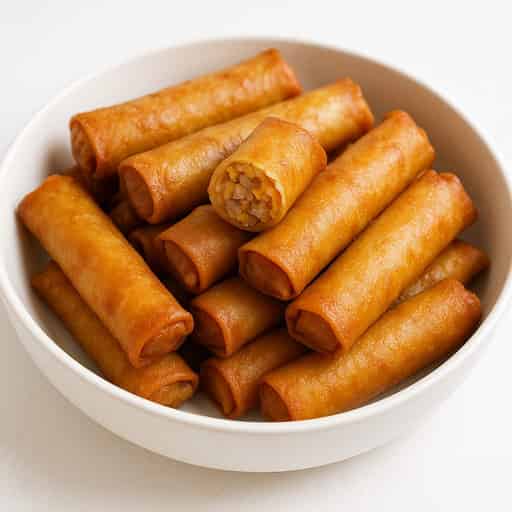
Lumpiang Shanghai Recipe (Crispy Filipino Pork Spring Rolls)
RecipeShare Test Kitchen
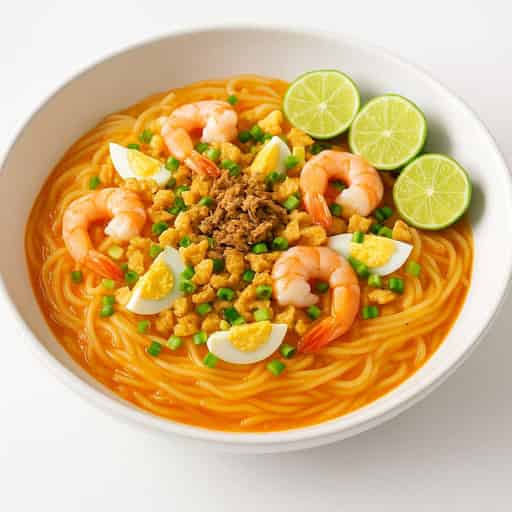
Palabok Recipe
RecipeShare Test Kitchen
Related Topics
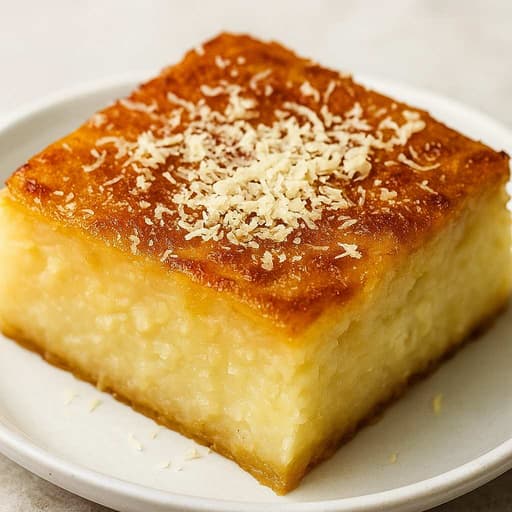
Filipino Home Bakes for Merienda & Celebrations
Filipino home-baking recipes for merienda and celebrations, including cassava cake, mamon, polvoron, brazo de Mercedes, pianono, and more.
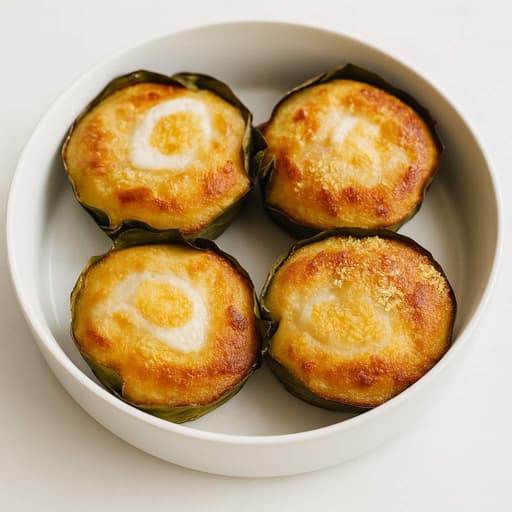
Best Filipino Holiday Desserts: Leche Flan, Brazo de Mercedes, Cassava Cake & More
A curated hub of Filipino holiday desserts for Noche Buena and parties — from creamy Leche Flan and Brazo de Mercedes to Cassava Cake.