27 September 2026
Homemade Ladyfingers (Biscuits à la Cuillère)
RecipeShare Test Kitchen
4.8(5 ratings)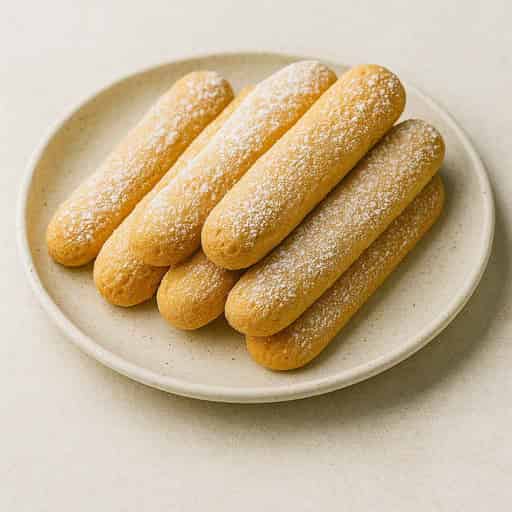
Make homemade ladyfingers, the French biscuits à la cuillère, with a light sponge centre and a delicate sugar crust for tiramisu, charlottes, and layered desserts.
Prep time
25 min
Cook time
18 min
Total time
43 min
Servings
40
Recipe Snapshot
DifficultyMedium
MealDessert
Freezer FriendlyYes
Family FriendlyYes
CuisineFrench
Chef's Tips
Pipe and bake the batter immediately so the whipped egg whites retain their volume.
Let the first dusting of confectioners' sugar absorb before adding the second for the characteristic crust.
For tiramisu, bake the ladyfingers a day ahead and use a quick dip or brush of coffee rather than a long soak.
Freeze cooled ladyfingers in an airtight container for up to 1 month.
Tools Used
We use affiliate links, which may earn us a small commission at no extra cost to you.
Ingredients
Ingredients
Servings
40 servings1×
Scale
Ingredient amounts update instantly.
Yolk Base
Meringue
Finish
Instructions
Prepare
- 1
Heat the oven to 170°C (340°F). Line two baking sheets with parchment. If you want guides, draw 9 cm lines on the reverse side of the parchment.
Make the Batter
- 1
Beat the egg yolks and 125 g caster sugar on medium speed for about 5 minutes, until pale, thick, and falling in a ribbon that sits briefly on the surface.
- 2
Sift the flour and cornstarch over the yolk mixture. Fold only until no dry pockets remain; the mixture will be thick.
- 3
In a clean bowl, whisk the egg whites to a foam. Add the remaining 25 g caster sugar gradually, then whisk to glossy medium-stiff peaks that hold their tip without looking dry.
- 4
Stir one-third of the meringue briskly into the yolk base to loosen it. Fold in the remainder with a wide, gentle cut-and-turn motion, stopping as soon as the batter is even.
Pipe and Dust
- 1
Transfer the batter to a piping bag fitted with a 2 cm plain round tip. Pipe 9 cm-long fingers, about 2 cm wide, leaving 3 cm between each; each tray should hold about 20.
- 2
Sift a light coating of confectioners' sugar over the fingers. Let it absorb into the surface, then sift over a second light coating.
Bake and Cool
- 1
Bake one tray at a time for about 18 minutes. Do not open the oven before 12 minutes; after that, rotate only if the colour is uneven. They are ready when the surface is dry and the undersides are pale gold.
- 2
Slide the parchment onto a wire rack and cool completely before lifting the ladyfingers away. Use the batter immediately; it loses volume if it stands.
Store or Use
- 1
Use the cooled biscuits straight away, or keep them airtight for up to 2 weeks. For tiramisu, they have a little more structure after standing overnight. Freeze airtight for up to 1 month.
Plan This Recipe
Save this recipe to one of your meal plans or browse your existing plans.
Learn More
Everything you want to know about this recipe.
Homemade Ladyfingers, the French Biscuit à la Cuillère
Homemade Ladyfingers, the French Biscuit à la Cuillère
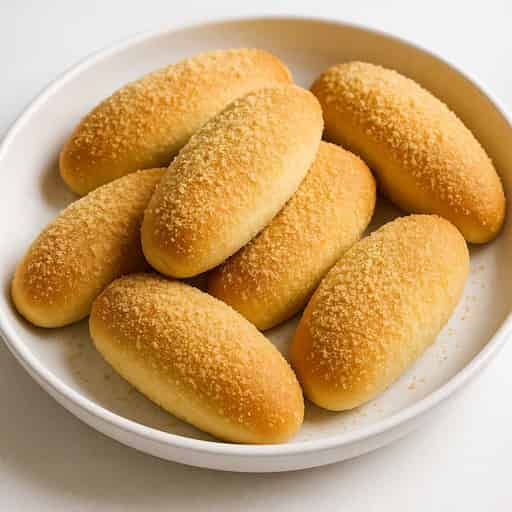
Ladyfingers are piped sponge biscuits made from a yolk base lightened with meringue. In the UK, they are usually called sponge fingers; in French pastry, this style is known as biscuit à la cuillère. The baked result has an airy, tender centre and a fine sugar crust, making it useful wherever a dessert needs a sponge that can absorb flavour without disappearing into the filling.
This recipe makes 40 individual, 9 cm ladyfingers. They are especially good for tiramisu and charlottes, but the same batter can be piped into small spirals for layered desserts.
Ladyfingers, Sponge Fingers, and Savoiardi
Ladyfingers, Sponge Fingers, and Savoiardi
These names are often used interchangeably, but the styles are not quite identical. Ladyfingers and sponge fingers are the familiar English names for this family of piped sponge biscuit. Savoiardi are the Italian relatives most often used for tiramisu and are generally drier and more rigid. These French biscuits à la cuillère are lighter and more tender when freshly baked, so a short coffee dip is enough for tiramisu.
The difference matters most in a soaked dessert: do not overbake this recipe in an attempt to turn it into a Savoiardi. Let the biscuits cool fully and stand overnight if you want a little more structure.
Why This Method Works
Why This Method Works
Whipping the yolks with most of the sugar creates a thick base that gives the fingers definition. The flour and cornstarch are folded in before the meringue, so the finished batter has enough body to hold a clean piped shape while the whites provide its lift.
Adding one-third of the meringue first is deliberate. It loosens the dense yolk mixture without sacrificing the rest of the air; the remaining whites can then be folded in gently. The double dusting is equally functional: the first layer dissolves slightly, and the second forms the delicate, lightly crackled sugar crust in the oven.
Piping and Baking Details
Piping and Baking Details
Use a plain 2 cm tip and pipe with steady pressure rather than trying to make perfectly sharp ends. A 9 cm finger with 3 cm of space around it has room to expand without joining its neighbour. Pipe first, dust promptly, and bake immediately, because the meringue loses volume as it waits.
The biscuits are done when their surface feels dry and their undersides are pale gold. A deeply browned biscuit will be drier and less delicate. Cool them on the parchment before moving them; lifting hot ladyfingers is the most common cause of sticking and breakage.
For Tiramisu, Charlottes, and Layered Desserts
For Tiramisu, Charlottes, and Layered Desserts
For tiramisu, make the ladyfingers the day before, cool them fully, and dip or brush them very briefly with coffee. Their fresh sponge structure takes on flavour quickly. See our easy tiramisu for a simple way to use them.
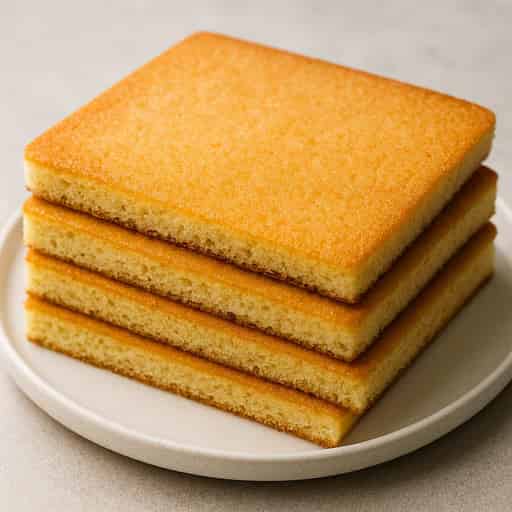
For a charlotte, pipe the fingers close together into a band before baking so they can form a neat wall around the filling. If your dessert needs a flexible sheet to cut into layers rather than individual biscuits, use the classic ladyfinger biscuit sheet instead.
Common Problems
Common Problems
Why did my ladyfingers spread or bake flat?
The meringue was probably under-whipped, over-folded, or left standing before piping. Whisk it to glossy medium-stiff peaks, loosen the yolk base with only the first third, and pipe the batter as soon as it is combined.
Why are they dense?
Overworking after the flour or after the meringue goes in knocks out the air. Fold just until the flour disappears, then use broad, decisive folds for the final batter rather than stirring around the bowl.
Why are they too soft for tiramisu?
They may be underbaked, used while still warm, or soaked for too long. Bake until the underside is pale gold, cool completely, let them stand overnight for a firmer texture, and use only a quick coffee dip.
Why is the sugar crust missing or falling away?
The first dusting needs time to absorb before the second is added. Use two light, even layers rather than one heavy coating, and avoid leaving the piped batter in a humid kitchen for a long time before baking.
Why are they sticking to the parchment?
They need a little more baking time or more cooling time. The surface should be set and the base lightly coloured; slide the whole parchment onto a rack and wait until the biscuits are completely cool before lifting them.
Storage
Storage
Keep cooled ladyfingers in an airtight container for up to 2 weeks, or freeze them airtight for up to 1 month. Separate layers with parchment so their sugar crusts do not rub together. Thaw at room temperature before assembling a dessert.
Nutrition Facts
Nutrition Facts
Serving Size: 1 ladyfinger
Calories 452%
% Reference Intake*
Total Fat 1g1%
Saturated Fat 0.3g2%
Trans Fat 0g
Cholesterol 34mg
Sodium 8mg
Total Carbohydrates 9g3%
Dietary Fiber 0g
Sugars 5g6%
Protein 1g2%
* Reference intakes are based on an average adult's 8,400 kJ / 2,000 kcal diet. Your needs may be higher or lower.
Community Reviews
See how other home cooks made this recipe, then share your own experience.
4.8
5 ratings
5
80%
4
20%
3
0%
2
0%
1
0%
How would you rate this recipe?
Share your experience and help others.
Daniel
· 21 Sept 2026I baked these the day before tiramisu and used only a quick coffee dip. They absorbed flavour without turning the layers soggy.
Lina
· 10 Sept 2026The first third of meringue made the thick yolk base much easier to fold. My fingers held their shape neatly at the 9 cm guide.
Elise
· 16 Aug 2025Finally tried this recipe for my tiramisu—so much better than store-bought ladyfingers!
Marc
· 15 Aug 2025I froze a batch and they held up perfectly. The texture stayed light after thawing.
Sofia
· 14 Aug 2025The double dusting with powdered sugar is genius—gave them that perfect French look!
Create Your Own Recipe
Add your personal creations and build your own recipe collection.