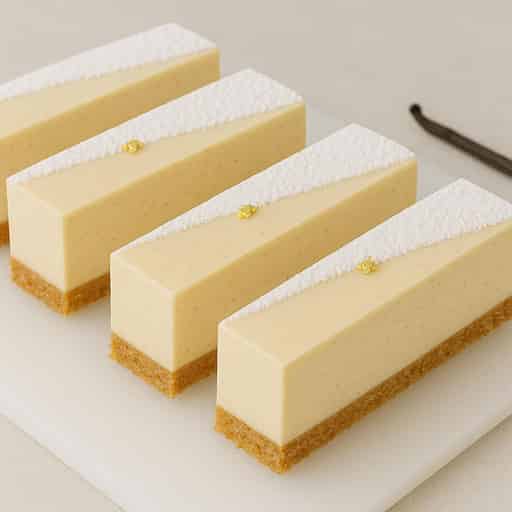
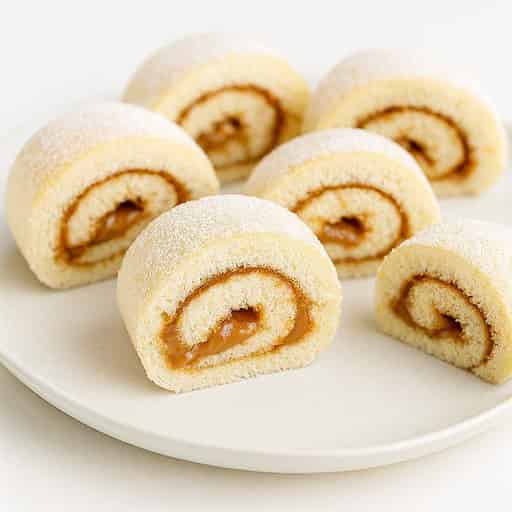
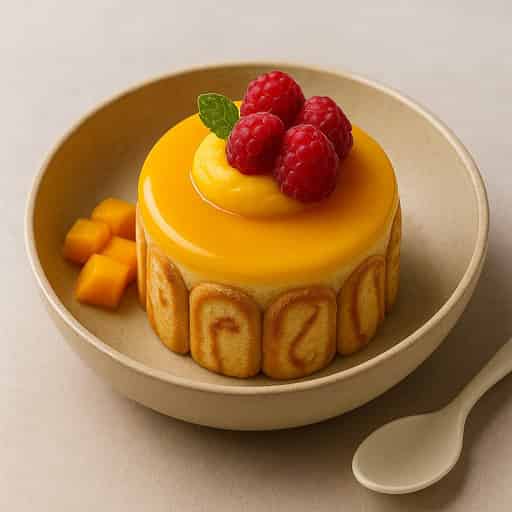
Soft, airy ladyfinger batter baked as a thin sheet for tiramisu, entremets, roulades and layered desserts. A versatile, melt-in-the-mouth sponge base.
Prep time
20 min
Cook time
10 min
Total time
30 min
Servings
1
Chef's Tips
Keep the yolk mixture and whites airy by folding gently.
Bake just until set; overbaking causes dryness.
Cut to any shape for layering in entremets or roulades.
Tools Used
Stand Mixer(opens in a new tab)Whisk(opens in a new tab)Silicone Spatula(opens in a new tab)Baking Sheet(opens in a new tab)Oven
We use affiliate links, which may earn us a small commission at no extra cost to you.
Ingredients
Ingredients
Servings
1 serving1×
Scale
Ingredient amounts update instantly.
Ladyfinger Batter
Instructions
Prepare the Batter
- 1
Whip egg yolks with the first portion of superfine sugar until pale and thick.
- 2
In a clean bowl, whip egg whites with the remaining sugar to medium peaks.
- 3
Sift flour over the yolk mixture and gently fold.
- 4
Fold in whipped egg whites in two additions until light and airy.
Bake the Sheet
- 1
Preheat oven to 180°C (350°F).
- 2
Spread the batter on a lined baking sheet to about 2 mm thickness.
- 3
Sprinkle with superfine sugar and dust lightly with confectioners’ sugar.
- 4
Bake for 10 minutes until lightly golden and just set.
- 5
Cool before using in entremets, tiramisu, or layered cakes.
Plan This Recipe
Save this recipe to one of your meal plans or browse your existing plans.
Learn More
Everything you want to know about this recipe.
Light, Airy and Useful for Layering
Light, Airy and Useful for Layering
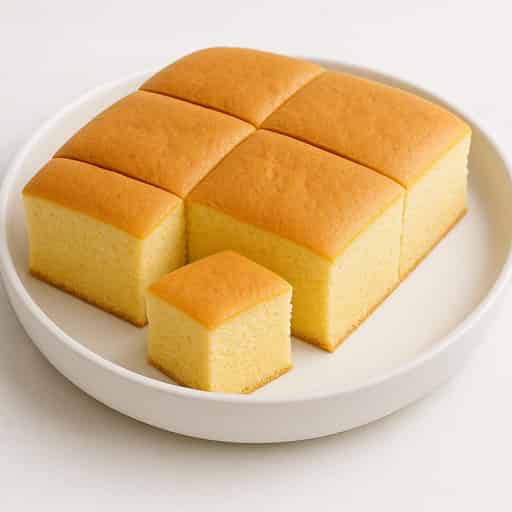
This classic ladyfinger biscuit sheet is a useful base for French pâtisserie and Italian desserts. Soft, feather-light and delicately sweet, it bakes into a flexible sponge for tiramisu, entremets, roulades, and layered desserts. Because the batter is baked as a sheet rather than piped into fingers, you get an even texture and clean cuts.
Why This Biscuit Cuillère Works
Why This Biscuit Cuillère Works
A ladyfinger sheet offers the qualities you want in a versatile sponge: light structure from whipped egg whites, richness from the yolks, and just enough flour to hold it together without becoming heavy. The surface sprinkling of sugar creates a delicate crust that keeps the sheet moist while baking.
Texture for Entremets and Tiramisu
Texture for Entremets and Tiramisu
Whether you’re lining a mousse cake ring or layering a coffee-soaked tiramisu, this sheet absorbs syrup beautifully without collapsing. It stays soft, pliable, and easy to trim. The 2 mm spread ensures quick baking and an evenly airy crumb.
Use it for:
- Classic tiramisu layers
- Flexible roulades
- Entremet base or inserts
- Layered pastries and cold desserts
- Mini cakes and petits gâteaux
How It Comes Together
How It Comes Together
After whipping the yolks with sugar until ribbon stage, the flour is folded in gently, followed by the meringue. This classic folding technique keeps the structure light and fluffy. A double-sugar topping—superfine sugar plus a light dusting of confectioners’ sugar—helps form the characteristic thin crust found in traditional biscuit cuillère.
Spread thinly, bake quickly, and cool completely before cutting. It’s a simple process for a flexible dessert base.
Tips for Clean Results
Tips for Clean Results
- Fold lightly to keep the batter airy.
- Bake just until set—overbaking causes dryness.
- Trim edges for clean layering in entremets.
- Dust with both sugars to form a delicate surface crust.
A Practical Base for Layered Desserts
A Practical Base for Layered Desserts
Once you know this sheet-style ladyfinger biscuit, you can use it for many layered desserts. It absorbs syrups, holds structure without toughness, and keeps a light texture.
Whether you're building a mousse cake, rolling a festive log, or refreshing a classic tiramisu, this sponge gives your desserts a clean, structured finish.
Nutrition Facts
Nutrition Facts
Serving Size: 1 portion
Calories 1487%
% Reference Intake*
Total Fat 2g3%
Saturated Fat 1g5%
Trans Fat 0g
Cholesterol 95mg
Sodium 28mg
Total Carbohydrates 28g11%
Dietary Fiber 0g
Sugars 21g23%
Protein 6g12%
* Reference intakes are based on an average adult's 8,400 kJ / 2,000 kcal diet. Your needs may be higher or lower.
Community Reviews
See how other home cooks made this recipe, then share your own experience.
4.7
3 ratings
5
67%
4
33%
3
0%
2
0%
1
0%
How would you rate this recipe?
Share your experience and help others.
Lina
· 11 May 2025Love how airy it is. Much better than store-bought ladyfingers.
Theo
· 18 Apr 2025Perfect for entremets. Baked evenly and didn’t crack when trimming.
Marie
· 2 Apr 2025Used it for a tiramisu layer—so light and easy to handle!
Create Your Own Recipe
Add your personal creations and build your own recipe collection.