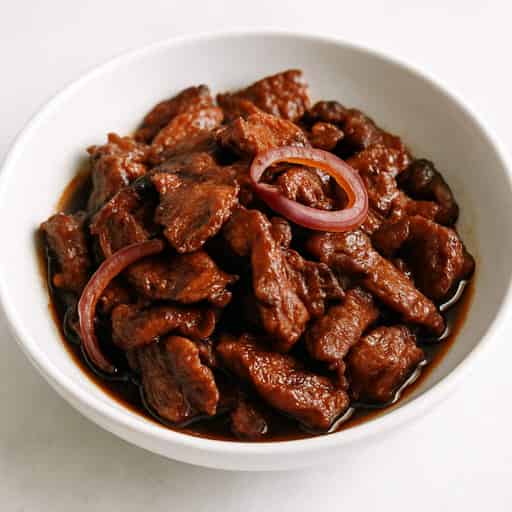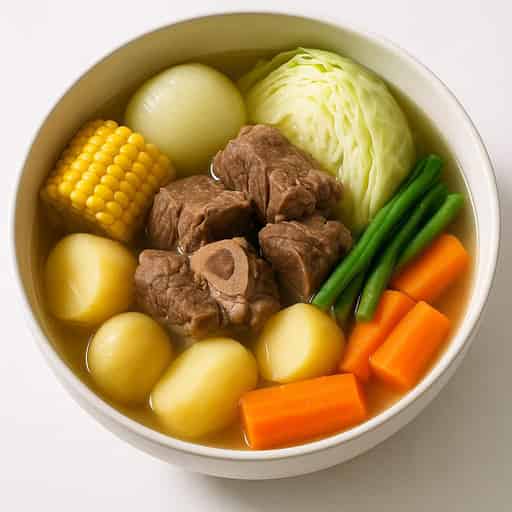
Spicy Korean-style gochujang stew with pork belly, tofu, and vegetables in a rich savory broth. A hearty comfort meal for cold days.
Prep time
20 mins
Cook time
30 mins
Total time
50 mins
Servings
4
Chef's Tips
Render pork belly well to deepen broth flavor.
Add zucchini and tofu near the end so they keep texture.
Adjust gochujang and gochugaru to control heat.
Serve with steamed rice for balance.
Tools Used
We use affiliate links, which may earn us a small commission at no extra cost to you.
Ingredients
Ingredients
Servings
4 servings1×
Scale
Ingredient amounts update instantly.
Main Ingredients
Sauce And Broth
Instructions
Prepare and Build Base
- 1
Cut vegetables and tofu into bite-size pieces.
- 2
Render pork belly in a pan over medium heat until lightly browned.
- 3
Mix gochujang, soy sauce, oyster sauce, sugar, gochugaru, garlic, and black pepper.
- 4
Stir sauce into pork and cook briefly without burning.
Simmer the Stew
- 1
Add water and stock powder, then bring to a simmer.
- 2
Add onion, potato, and mushrooms. Simmer about 10 minutes.
- 3
Add tofu, zucchini, green onion, and optional chili pepper.
- 4
Simmer 3 to 5 more minutes, then adjust seasoning.
Plan This Recipe
Save this recipe to one of your meal plans or browse your existing plans.
Learn More
Everything you want to know about this recipe.
Fiery Korean Gochujang Stew Jjigae
Fiery Korean Gochujang Stew Jjigae
This stew is a Korean-style comfort dish built from pork belly, tofu, and vegetables in a spicy gochujang broth. It has strong savory depth and enough heat to feel warming without becoming overwhelming.
It is practical for home cooking because it uses one pot and flexible vegetable options.
Why This Recipe Works
Why This Recipe Works
Rendering pork belly first builds a rich base and helps carry gochujang flavor throughout the broth. Stock powder plus soy and oyster sauce create umami depth quickly.
Adding zucchini and tofu near the end keeps them tender but not overcooked.
Ingredient Notes
Ingredient Notes
Gochujang brands vary in heat and saltiness, so adjust gradually. If you want a cleaner finish, add a little more green onion just before serving.
Serve with steamed rice to balance spice and salt.
High-Level Method
High-Level Method
Cook pork first, add sauce aromatics, then build broth. Simmer harder vegetables first, then add tofu and quicker-cooking vegetables near the end.
Taste and adjust before serving.
Storage and Reheating
Storage and Reheating
Refrigerate leftovers up to 3 days. Reheat gently and add water if broth reduces.
This stew freezes well for up to 2 months.
Serving & Goal Fit
Serving & Goal Fit
Recommended serving is 1 bowl (about 300 g) with a side of cooked rice.
On training days, add +50 g cooked rice or 1 piece of fruit. On rest days, reduce carbs slightly by removing about 50 g cooked rice.
Protein swaps: tofu, chicken thigh, or lean beef. Vegetable swaps: broccoli, green beans, spinach, peas, mushrooms, onions, courgette, frozen mixed veg, or tenderstem broccoli.
Nutrition Facts
Nutrition Facts
Serving Size: 1 bowl (about 300 g)
Calories 35018%
% Reference Intake*
Total Fat 20g29%
Saturated Fat 6g30%
Trans Fat 0g
Cholesterol 50mg
Sodium 800mg
Total Carbohydrates 25g10%
Dietary Fiber 3g
Sugars 4g4%
Protein 18g36%
* Reference intakes are based on an average adult's 8,400 kJ / 2,000 kcal diet. Your needs may be higher or lower.
FAQs
Can I make this vegetarian?
Yes. Replace pork with mushrooms or tofu and use vegetable stock.
How long does it keep?
Refrigerate up to 3 days. Flavor deepens overnight.
Can I freeze this stew?
Yes, up to 2 months. Thaw in the fridge and reheat gently.
Community Reviews
See how other home cooks made this recipe, then share your own experience.
4.8
5 ratings
5
80%
4
20%
3
0%
2
0%
1
0%
How would you rate this recipe?
Share your experience and help others.
Tessa
· 7 Sept 2025Added noodles at the end and it was excellent.
Lila
· 28 Apr 2025Great with steamed rice.
Jinwoo
· 20 Nov 2024Very comforting and easy to follow.
Daniel H.
· 10 Feb 2024Beef swap worked well for me.
Mina K.
· 2 Sept 2023Added kimchi and loved the depth.
Create Your Own Recipe
Add your personal creations and build your own recipe collection.