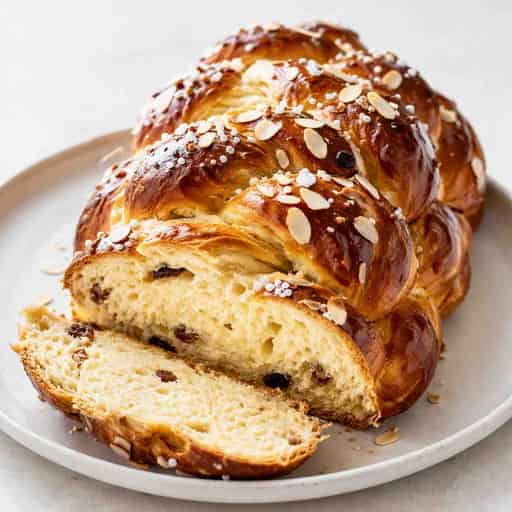
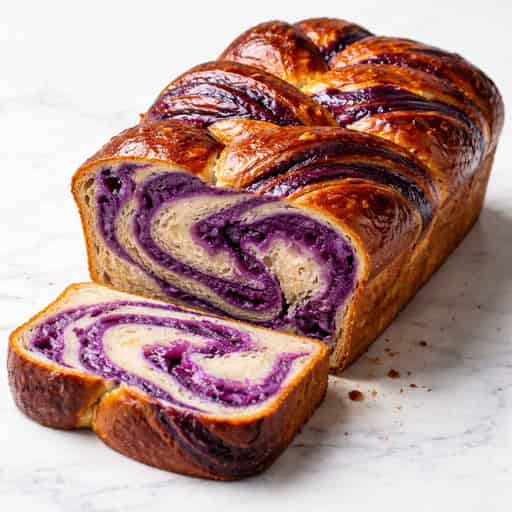
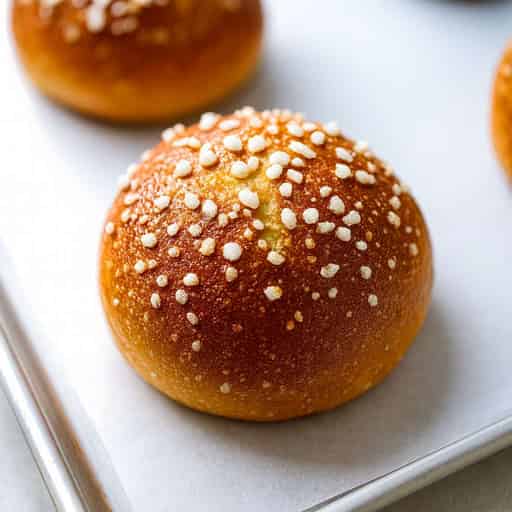
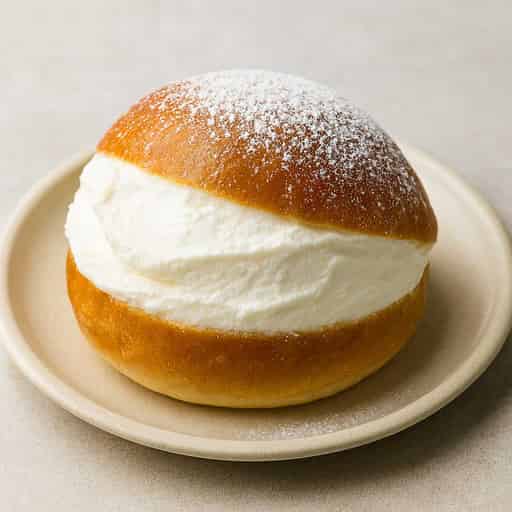
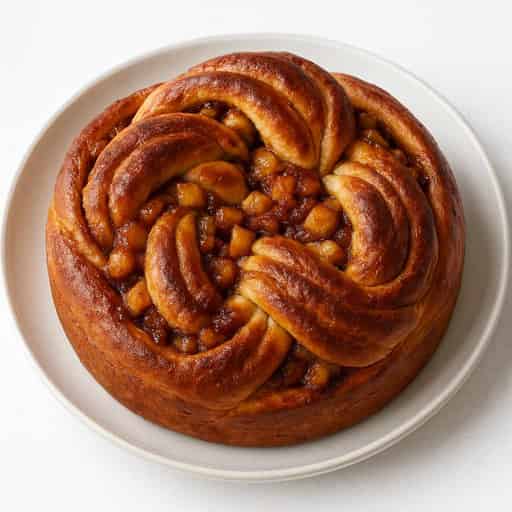
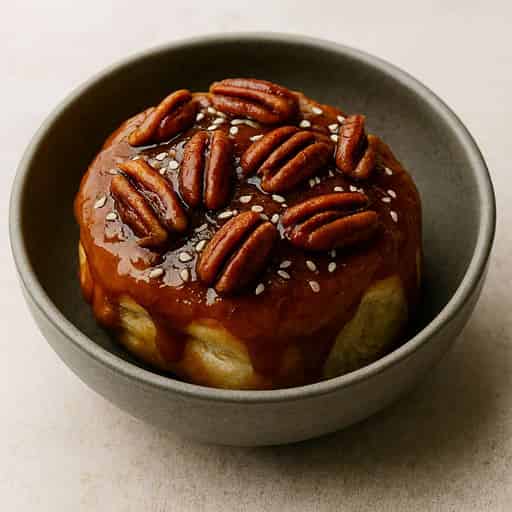
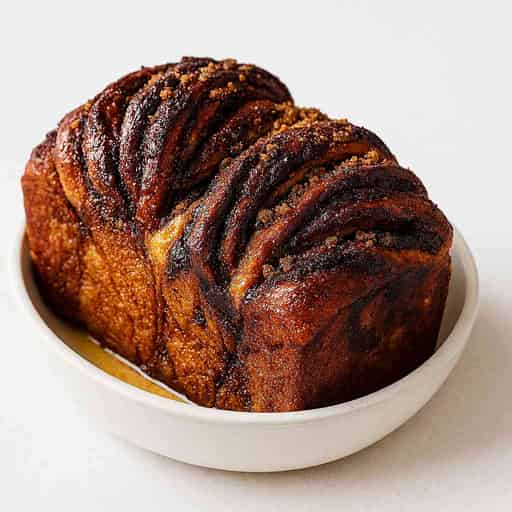
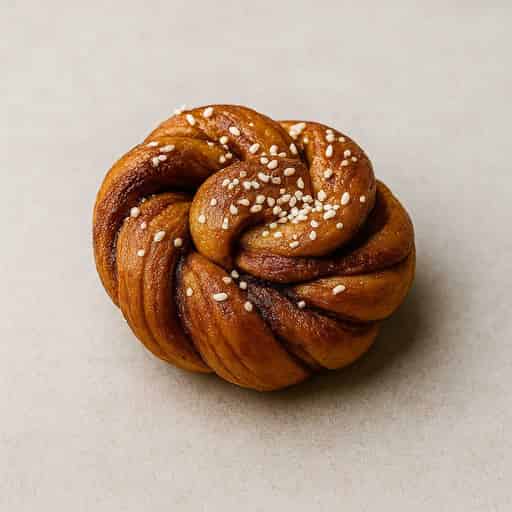
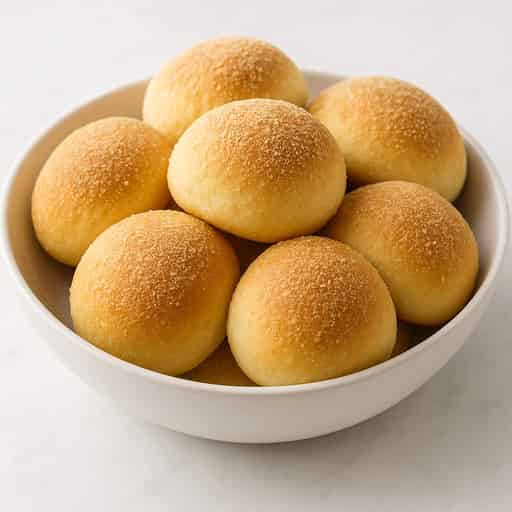
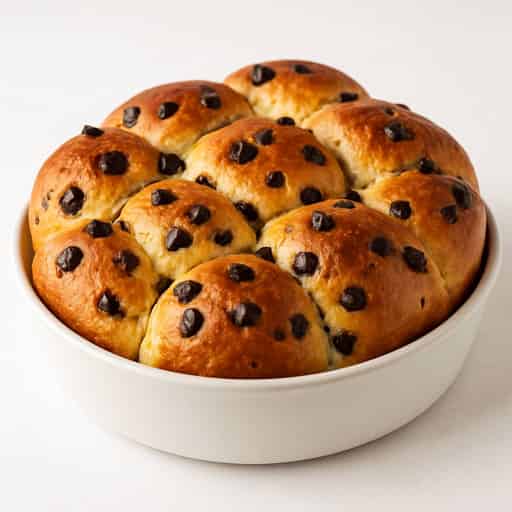
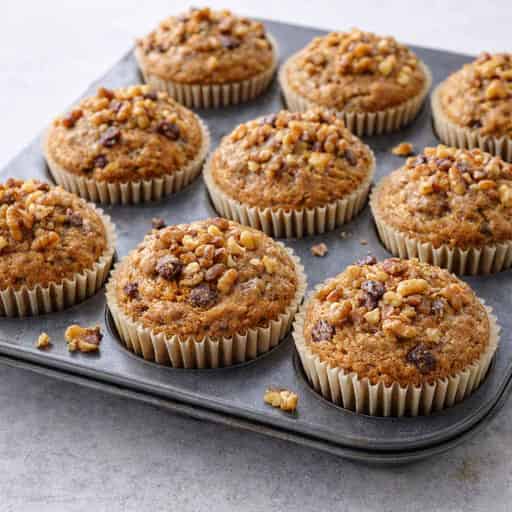
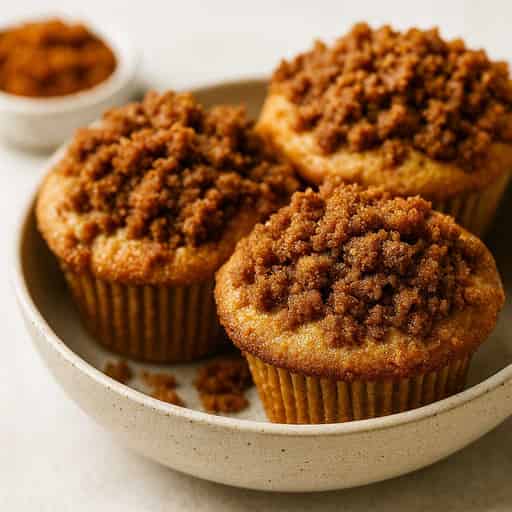
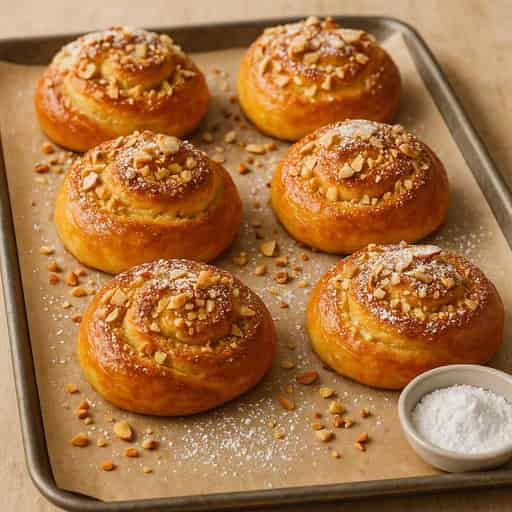
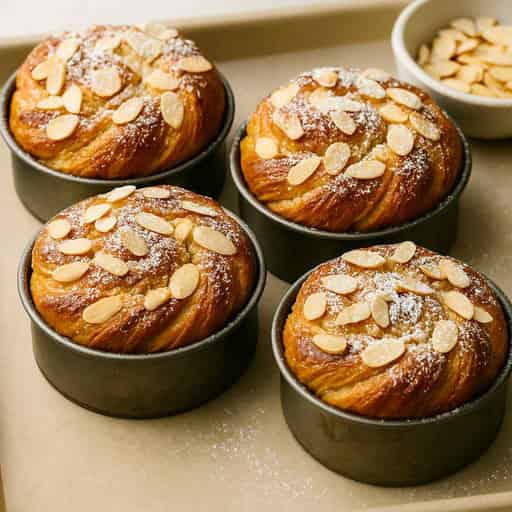
A rich, buttery brioche dough made with eggs, milk, and yeast for soft loaves, buns, braids, and sweet breakfast pastries.
Prep time
45 min
Cook time
35 min
Total time
4 hr
Servings
20
Recipe Snapshot
DifficultyAdvanced
MealBreakfast / Snack
Meal PrepExcellent
Freezer FriendlyYes
Family FriendlyYes
CuisineFrench
Chef's Tips
Use room temperature eggs and milk so the dough comes together smoothly.
Add the butter in stages and mix until the dough pulls cleanly from the bowl for a fine, even crumb.
Chill the brioche dough overnight for easier shaping and deeper flavour.
If using active dry yeast, dissolve it fully in a little lukewarm milk or water before adding.
Tools Used
Stand Mixer With Dough Hook(opens in a new tab)Mixing Bowl(opens in a new tab)Kitchen Scale(opens in a new tab)Damp Cloth
We use affiliate links, which may earn us a small commission at no extra cost to you.
Ingredients
Ingredients
Servings
20 servings1×
Scale
Ingredient amounts update instantly.
Brioche Dough
To Finish
Instructions
Brioche Dough
- 1
Add the flour, salt and superfine sugar to the bowl of a stand mixer fitted with a dough hook and briefly mix to combine.
- 2
Crumble in the fresh yeast, or whisk the active dry yeast into the eggs and milk, then add them to the bowl.
- 3
Mix on low speed until the ingredients come together into a rough dough and begin to feel smooth and elastic, about 3–5 minutes.
- 4
Increase to medium speed and mix until the dough starts to pull away cleanly from the sides of the bowl and forms a strong gluten network.
- 5
With the mixer on medium-low speed, add the softened butter a few pieces at a time, waiting for each addition to incorporate before adding more.
- 6
Once all the butter is added, continue mixing on medium speed until the dough is glossy, very smooth and elastic, and again comes away from the bowl sides.
- 7
Scrape the brioche dough into a lightly greased bowl, cover with a damp cloth and let rise at room temperature (about 24–25°C / 75–80°F) for 1 hour, or until puffed.
- 8
Gently deflate the dough, cover again and refrigerate until chilled, or proceed to shaping. For the best flavour and easiest handling, chill it overnight before shaping.
Shape and Bake
- 1
Line two 900 g (2 lb) loaf tins with baking parchment. For two braided loaves, divide the chilled dough into two equal portions, then divide each portion into three pieces. Roll each piece into a smooth ball and arrange three balls in each tin. For individual brioche buns, divide the dough into 18–20 equal pieces and arrange them on lined baking trays.
- 2
Cover loosely and leave at room temperature until the shaped dough is visibly puffy and slowly springs back when pressed, about 1½–2½ hours depending on room temperature. Do not bake it while it still feels dense and firm.
- 3
Heat the oven to 180°C conventional (160°C fan). Beat the egg with the whole milk and brush a thin, even layer over the risen dough, taking care not to drag the brush across the surface.
- 4
Bake the loaves for 30–35 minutes, or the buns for 18–22 minutes, until deeply golden and the centre reaches 90–93°C. Tent loosely with foil if the top colours before the brioche is baked through.
- 5
Cool the brioche in the tins for 10–15 minutes, then transfer to a rack and cool completely before slicing. The crumb continues to set as it cools.
Plan This Recipe
Save this recipe to one of your meal plans or browse your existing plans.
Learn More
Everything you want to know about this recipe.
Bakery-Style Brioche Dough
Bakery-Style Brioche Dough
This rich French brioche dough is designed for soft loaves, golden buns, braids, and filled breakfast pastries. Eggs and milk provide colour and a tender crumb, while the large amount of butter gives the dough its fine, shreddable texture. It is deliberately only lightly sweetened so the finished bake can be used with sweet fillings or served alongside breakfast.
Why This Brioche Dough Works
Why This Brioche Dough Works
- Strong mixing before adding butter develops the gluten that supports the enriched dough.
- Gradual butter incorporation prevents the fat from coating the flour too early and weakening the dough.
- A short room-temperature rise followed by chilling gives the yeast a head start while making the soft dough practical to shape.
- A high butter-to-flour ratio creates a tender, rich crumb, but also means the dough must stay cool during shaping.
Handling and Proofing Tips
Handling and Proofing Tips
Use a scale for this large dough because small measuring errors are noticeable in such a rich formula. The eggs and milk should be room temperature, but the butter should be cool and pliable rather than greasy or melted. If the dough gets shiny, loose, or warm while mixing, pause and chill the bowl for 10–15 minutes before continuing.
The first rise is complete when the dough looks expanded and aerated, not necessarily when it has doubled. After chilling, shape it while firm, then let the shaped dough proof until visibly puffy before brushing with egg wash and baking. An overnight chill improves flavour and makes this otherwise sticky dough much easier to portion.
Common Brioche Problems
Common Brioche Problems
The dough stays greasy and will not come together: the butter was too warm or was added too quickly. Chill the dough briefly, then resume mixing and add no more butter until the previous pieces disappear.
The dough tears instead of stretching: the gluten network is not developed enough. Continue mixing before adding butter, or rest the dough for 10 minutes and mix again.
The shaped brioche spreads: it was too warm or over-proofed. Chill the shaped dough until firm, then proof it in a cooler place and bake when it is puffy but still springy.
The crumb is dense: the dough was under-mixed, under-proofed, or the yeast was inactive. Check yeast freshness and allow the shaped dough enough time to expand before baking.
Baking the Brioche
Baking the Brioche
This batch makes two large loaves or 18–20 buns. The loaves are ready when they are deeply golden and reach 90–93°C in the centre; a thermometer is more reliable than colour alone because the butter and eggs brown quickly. Cool the brioche completely before slicing so the crumb can finish setting.
Uses, Storage, and Freezing
Uses, Storage, and Freezing
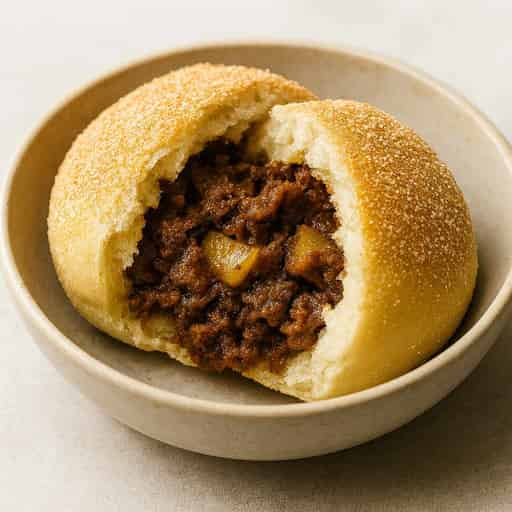
Use the chilled dough for brioche loaves, brioche a tete, chocolate or praline buns, cinnamon rolls, or braided breakfast bread. If you are making a filled shape, keep the filling restrained so it does not overwhelm the delicate crumb.
Refrigerate the covered dough for up to 24 hours after the first rise. For longer storage, portion and freeze the unbaked dough airtight for up to 1 month; thaw overnight in the refrigerator, then shape and proof. Baked brioche can also be wrapped and frozen for up to 1 month. Thaw at room temperature and warm briefly before serving.
Nutrition Facts
Nutrition Facts
Serving Size: 1 slice brioche (approx. 80 g dough, baked)
Calories 42121%
% Reference Intake*
Total Fat 23.2g33%
Saturated Fat 14g70%
Trans Fat 0g
Cholesterol 138mg
Sodium 400mg
Total Carbohydrates 44.6g17%
Dietary Fiber 1.5g
Sugars 6.5g7%
Protein 8.4g17%
* Reference intakes are based on an average adult's 8,400 kJ / 2,000 kcal diet. Your needs may be higher or lower.
Community Reviews
See how other home cooks made this recipe, then share your own experience.
4.8
5 ratings
5
80%
4
20%
3
0%
2
0%
1
0%
How would you rate this recipe?
Share your experience and help others.
Thomas
· 10 Jul 2026Adding the butter slowly made a big difference. The dough looked loose at first, but it became smooth and elastic after a little more mixing.
Nadia
· 8 Mar 2026The overnight chill made this rich dough much easier to shape. I divided it into small buns and waited until they were visibly puffy before baking.
Lena
· 3 Oct 2025Chilled overnight and it shaped beautifully. Makes a big batch—great for two loaves.
Marco
· 18 Jul 2025Followed the mixer timings and the dough pulled cleanly from the bowl. Perfect for my chocolate chip brioche.
Amélie
· 2 Apr 2025This brioche dough is super rich but still really easy to work with once it’s chilled. I used it for buns and they came out so soft and buttery.
Create Your Own Recipe
Add your personal creations and build your own recipe collection.